The Nine-Day Silence
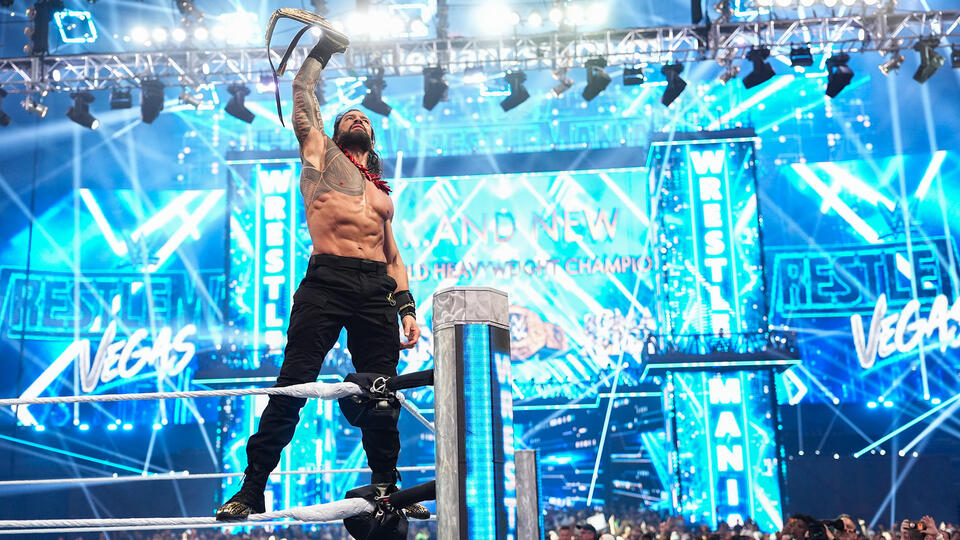
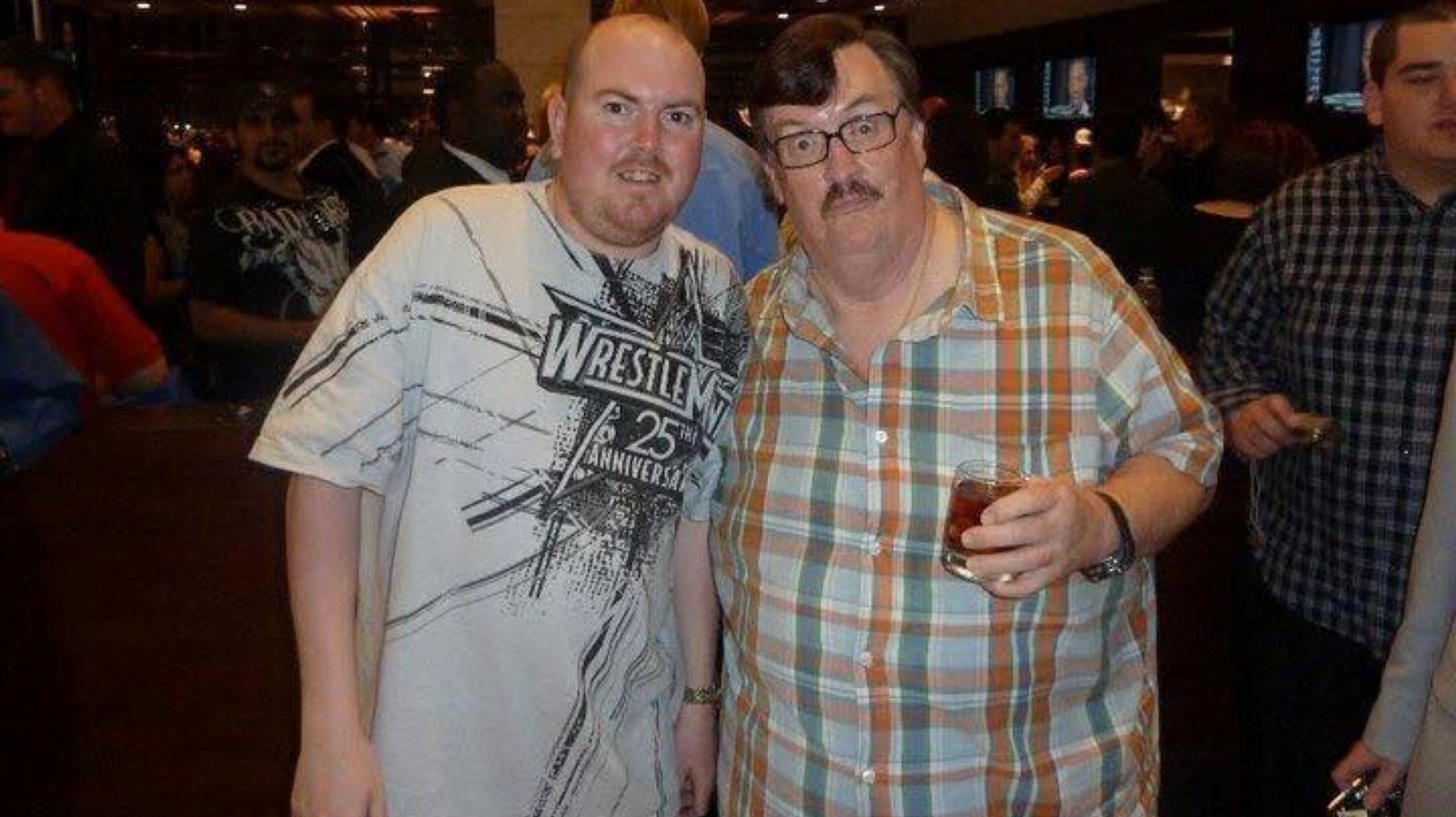
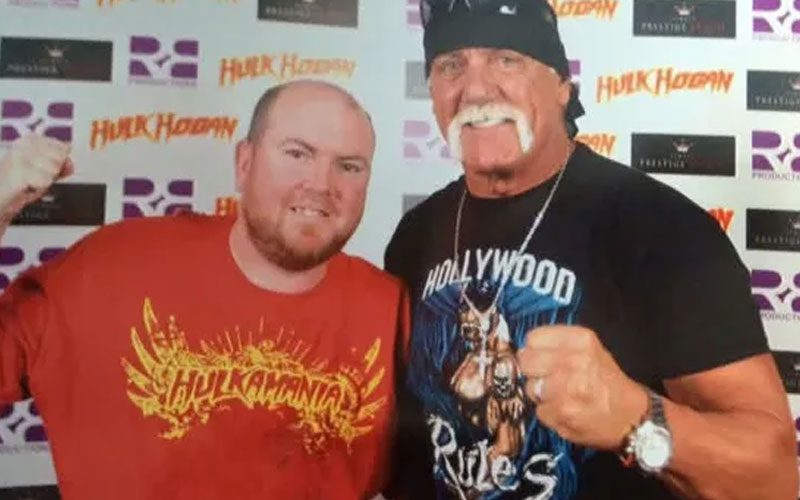
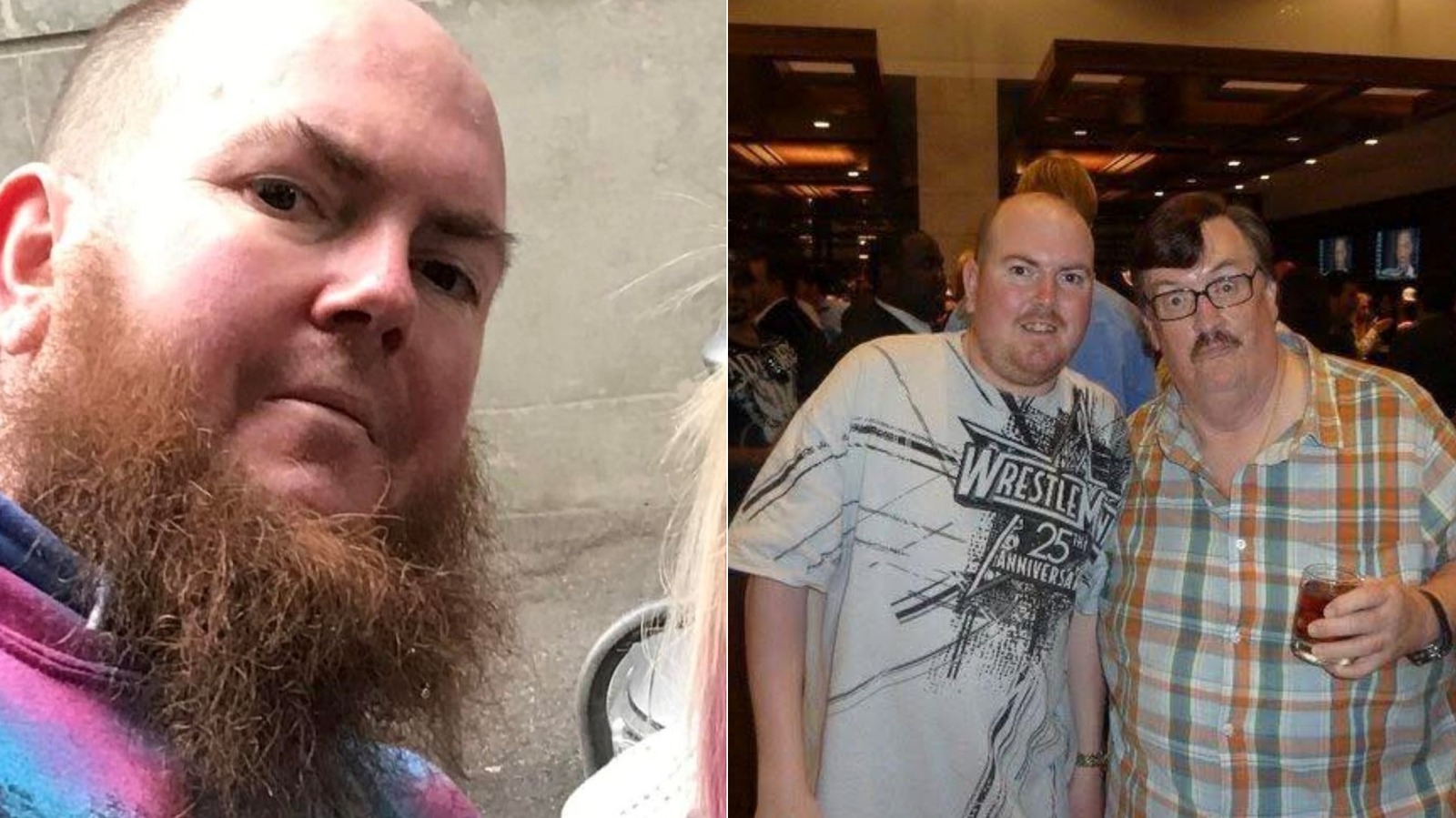
The euphoria of WrestleMania 41 has evaporated, replaced by a grim reality for the UK wrestling community. Marc Izard, a dedicated fan who traveled from Britain to witness John Cena’s farewell and the continuation of the Bloodline saga, has not been seen since April 17. He was last spotted exiting the arena following the WWE SmackDown taping, just 48 hours before Allegiant Stadium opened its doors for Night 1. Nine days have passed. In the context of a missing person investigation in a high-traffic city like Las Vegas, this timeline is deeply concerning.
The disappearance occurred during a weekend where the city was flooded with over 70,000 fans from across the globe. While the focus of the industry was on Cody Rhodes defending his championship and the spectacle of the Bloodline, the safety of the individuals who fund this machine was under-analyzed. Izard’s family has spent the last week issuing desperate pleas via social media, a movement that has finally gained traction within the locker rooms of both WWE and AEW. The trail, however, remains frustratingly cold.
Wrestlers including Will Ospreay and several UK-based independent talents have used their platforms to amplify the search, but the lack of a centralized fan-safety protocol at these massive international events is now under the microscope. This isn't a simple case of a fan getting lost in the shuffle; it is a breakdown of the support network for international travelers who often navigate these marathons in a state of sleep deprivation and sensory overload.
The Vegas Factor and Physical Toll
Las Vegas in April is deceptively brutal. While the temperatures on the night of April 17th were a manageable 78 degrees, the physical demands of a WrestleMania weekend are often underestimated. Fans from the UK face a 10-hour flight and an eight-hour time difference. When you combine jet lag with the 14-hour days required to attend SmackDown, the Hall of Fame, and various indie shows, the body begins to fail. Disorientation isn't just a possibility; it's a medical probability for a significant percentage of the crowd.
A medical analysis of the "WrestleMania Hangover" suggests that dehydration and cognitive fog are rampant by Sunday evening. Izard went missing even earlier, during the Friday night rush. The transition from the air-conditioned confines of an arena to the chaotic, neon-lit labyrinth of the Strip is a jarring experience. For an international fan, losing a phone or a wallet in this environment is more than an inconvenience—it is a total severance from their only safety net. The sheer density of the crowds during the walk from the arena to the MGM Grand area makes it remarkably easy for a single person to slip through the cracks unnoticed.
Historical data from previous international events, such as the 2022 World Cup or even past Manias in New Orleans, shows that fan safety often ends at the turnstiles. Once a ticket holder leaves the property, they are no longer a concern for the promotion. This gap in responsibility is where situations like Izard’s become life-threatening. The industry has long relied on the "buddy system" among fans, but that fails when individuals are separated by the sheer force of a departing stadium crowd.
The Role of the Community
The response from the wrestling community has been a mix of grassroots activism and institutional silence. While the family and UK wrestlers have been tireless, the official corporate channels have been noticeably quiet. There is a legitimate criticism to be made here: if a promotion can track a fan's location for marketing and data analytics via a mobile ticket app, why can they not cooperate with local authorities to verify the last time a missing fan was inside their perimeter?
This situation mirrors the 2018 incident in which a fan went missing during a major combat sports weekend in Nevada, only to be found days later suffering from severe heat exhaustion and memory loss. The longer Izard remains missing, the higher the risk of a tragic outcome. The "wrestling bubble" is a powerful thing, but it often blinds participants to the dangers of the real world waiting just outside the curtain.
- Marc Izard last seen: April 17, 2026, after SmackDown.
- Current status: Missing for 9 days.
- Last known location: Vicinity of Allegiant Stadium/Las Vegas Strip.
- Key contacts: Las Vegas Metropolitan Police Department.
A Critical Look at Event Security
There is a cynical reality to these mega-events. The primary goal of security is to prevent a riot or a ring invasion. The welfare of a fan who walks out the door is not on the balance sheet. This is a massive failure of the "fan experience" that these companies boast about. We are talking about a multi-billion dollar industry that brings thousands of people into unfamiliar cities and then leaves them to fend for themselves the moment the show ends. The lack of visible signage, safe-walk programs, or dedicated international help desks is a glaring omission in 2026.
Furthermore, the reliance on social media to spread missing person information is flawed. Algorithms prioritize highlights of John Cena over a family's plea for help. It took nearly 72 hours for the news of Izard's disappearance to reach a critical mass, time that is invaluable in any search. The industry needs a formalized "Amber Alert" system for events of this scale. When a fan doesn't check in or return to their hotel, there should be an immediate, high-priority notification sent to everyone using the event app.
The strategic implication for future events like the World Cup later this summer is clear: the current infrastructure is inadequate. If a fan can vanish during a weekend where thousands of people are filming everything on their phones, the system is broken. We need more than just "thoughts and prayers" from wrestlers on Twitter; we need a structural change in how these festivals of wrestling are managed from a safety standpoint.
"The wrestling family is tight, but the Vegas Strip is bigger and colder than any arena. We need everyone who was at SmackDown to check their photos and videos from that night. You might have Marc in the background without knowing it."
The Path Forward
As of this morning, April 26, local authorities have not provided a substantive update. The family remains in Las Vegas, scouring the areas near the stadium and the secondary venues used for independent shows like WrestleCon. The physical toll on the family is as significant as the potential toll on Marc. The stress of navigating a foreign legal system while searching for a loved one is a nightmare no fan should have to endure.
In the coming days, the pressure must remain on both local law enforcement and the major wrestling promotions to provide any assistance possible. This includes releasing CCTV footage from the stadium exits and reviewing transaction data from nearby vendors. We are past the point of "waiting to see." Action is the only currency that matters now. The wrestling world owes it to Marc Izard to find him, and it owes it to the rest of the fans to ensure this never happens again.
The excitement of the 2026 season has been permanently stained by this incident. It serves as a reminder that behind every gate record and every viral clip, there are real people with families. If the industry wants to treat its fans like a family, it needs to start acting like it when one of them goes missing.