The Unspoken Rule of Wrestling Heat
Professional wrestling has always been an industry built on exploiting reality. When a performer gets hurt, the traditional promoter's instinct is to turn that pain into a storyline.
It is a crude but effective formula. You take a legitimate setback, feed it to a heel, and let them gloat on television. The live crowd gets angry, the injured babyface gets sympathy from afar, and the eventual return match writes itself.
But the modern era of professional wrestling is starting to question that logic. Not every torn ligament needs to be a promotional prop. Not every surgical scar has to be monetized on a Wednesday night.
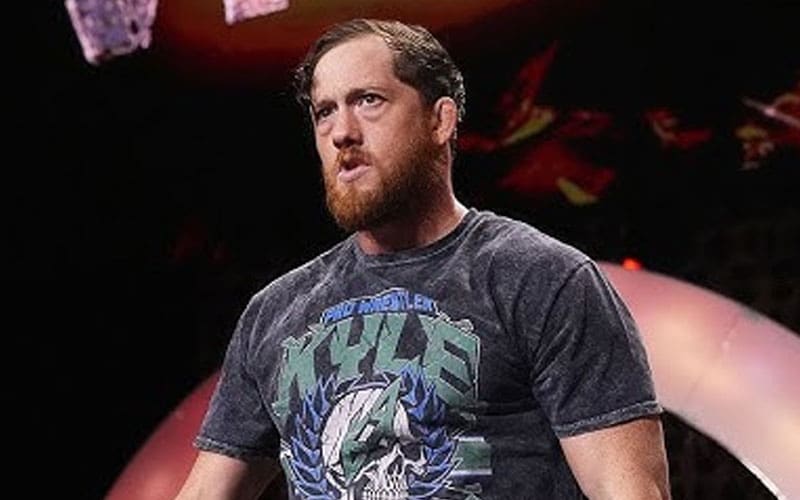
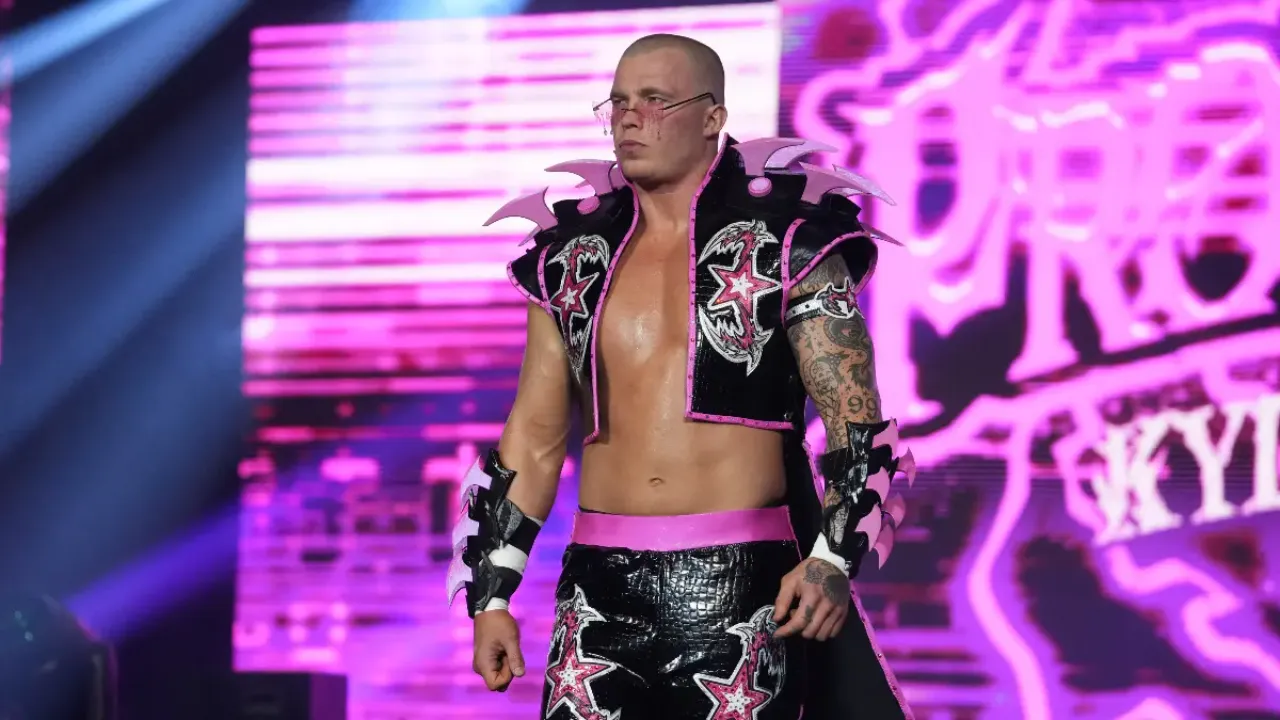
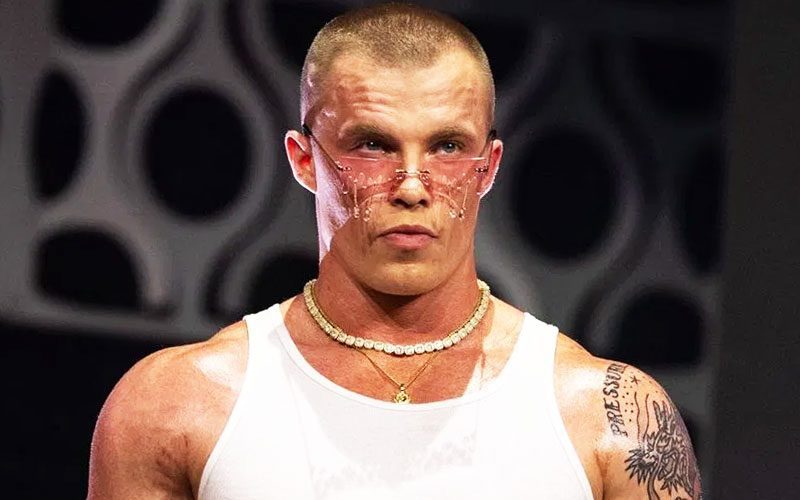
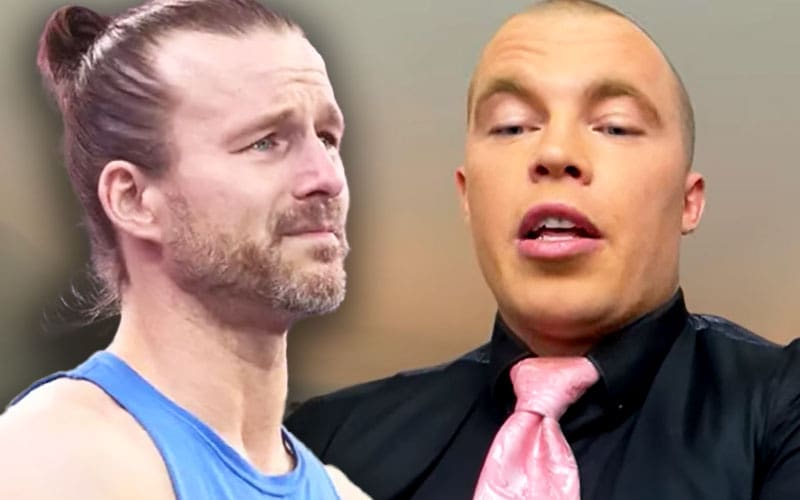
Kyle Fletcher is the latest performer to push back on this issue. According to a recent report from Ringside News, Fletcher has been remarkably open about the aftermath of Adam Cole’s ongoing injury issues.
Fletcher detailed why he flat-out refused to turn a real-life medical situation into cheap television heat.
Drawing the Line with Adam Cole
Adam Cole has endured a brutal stretch of physical setbacks. Before this devastating ankle break, his career was nearly ended by severe, recurring concussions that kept him out of action for months.
His medical history over the last few years has been heavily documented. It has turned his prime athletic years into a frustrating start-and-stop affair.
We have seen similar severe ankle breaks fundamentally alter careers. Performers often return with reduced explosiveness, forcing them to completely change their in-ring style to protect the surgically repaired joint.
When a star of Cole's magnitude goes down, there is an immediate vacuum on the programming. The creative team scrambles. Booking sheets are torn up. The easiest pivot is often the most callous one.
Fletcher chose a different path entirely. The Australian standout has been building his own distinct momentum in AEW. He is actively transitioning from a pure tag team specialist into a formidable singles act.
He easily could have grabbed a live microphone and taken credit for Cole's absence. He could have mocked the grueling recovery process. It would have generated an immediate, visceral reaction from the arena.
Instead, Fletcher opted out. He recognized that there is a distinct difference between effective character work and simply acting in poor taste.
The Medical Reality
To understand Fletcher's stance, you have to look at the medical reality of what Cole has been dealing with. Cole suffered a devastating ankle injury that completely shattered his lower leg.
The severity of the break required multiple complex surgeries. He had plates and screws inserted to stabilize the bone, turning his rehabilitation into an exhausting, isolating process.
Recovery timelines for severe ankle fractures of this magnitude vary wildly. While standard breaks might heal in six months, Cole’s complications have pushed his absence well past a full calendar year.
While there is no official medical clearance date announced, internal expectations suggest Cole could remain sidelined for at least another 90 days as he regains in-ring mobility.
Using that grueling reality for a quick television angle can feel highly exploitative. It actively minimizes the actual suffering of the human being involved.
There is also the issue of audience fatigue. Fans read the medical reports online. They know when an injury is an actual crisis and when it is just a scripted work.
When a heel mocks a legitimate, devastating injury today, the reaction is rarely genuine anger. More often, it is just groans and discomfort. It breaks the immersion rather than enhancing it.
A Rare Stride in the Right Direction
It has to be said that AEW's overall handling of injured talent has been wildly inconsistent over the past two years. The creative front office has frequently struggled to pivot effectively when a top star gets sidelined.
We saw this directly with the handling of the World Championship picture during previous medical crises. Instead of vacating titles or decisively changing direction, the company has too often relied on messy interim championship structures or confusing eliminator tournaments.
Those booking decisions stalled the momentum of the entire main event scene. They made the television product feel like it was completely treading water. The shows felt like they were waiting for ghosts to return rather than building new stars.
Furthermore, AEW has absolutely been guilty of leaning into cheap heat in other angles. We've seen personal issues dragged onto television in ways that felt deeply uncomfortable and completely disconnected from the actual athletic competition.
That frustrating track record makes Fletcher's restraint stand out even more. He actively pushed back against a creative crutch that Tony Khan's company has repeatedly leaned on.
AEW Dynasty Looming
This philosophical shift arrives at a pivotal time for All Elite Wrestling. The company is heading directly into AEW Dynasty 2026, which takes place in Kansas City on March 30.
With the premium live event just two days away, the locker room is already stretched thin. Unplanned absences have forced the booking committee to shuffle their cards repeatedly over the past calendar year.
Cole's absence has undeniably impacted the upper card. The company has had to rely heavily on its deeper roster to fill the main event void.
Without Cole's reliable main-event presence, AEW has elevated mid-card acts like Fletcher earlier than originally planned. They are being forced into high-stakes television segments to compensate for the lost star power.
This makes Fletcher's decision to reject the angle even more notable. In a high-pressure environment where everyone is fighting desperately for television time ahead of a major pay-per-view, taking the high road is a massive professional risk.
He turned down an easy avenue for screen time. He did it because he believed it compromised the integrity of his heel persona.
Building Heat the Hard Way
So, how does a heel generate a reaction if they refuse to use the lowest hanging fruit?
Fletcher has had to rely on actual in-ring psychology and deliberate character development. This is fundamentally more difficult than just mentioning a guy sitting in a hospital bed.
It requires a performer to dictate the pace of a match. They have to antagonize the ticket-buyers through physical action rather than cheap spoken words.
- Targeting an opponent's existing in-ring weaknesses rather than out-of-ring tragedies.
- Using arrogant, dismissive body language during high-stakes near falls.
- Winning matches cleanly but acting as though the opponent was never a legitimate threat.
Fletcher has been grinding out results in the ring, frequently logging matches that cross the 15-minute threshold. He is proving his worth through cardiovascular endurance and precise technical execution.
This approach builds a much more sustainable foundation for a television character. When Fletcher eventually drops a major match, the payoff feels earned.
It feels like a genuine athletic triumph for his opponent, not just a required moral correction for a tasteless promo.
But an easy fix is rarely a good one. It is a sign of lazy booking mechanics.
The Locker Room Impact
There is also a significant backstage element to this dynamic. Morale in a modern wrestling locker room is notoriously fragile.
When a colleague goes down with a severe injury, the last thing they want is to see their physical struggle turned into a Tuesday night soundbite without their enthusiastic prior consent.
Fletcher's refusal likely earned him considerable respect behind the curtain. It demonstrates that he views his peers as actual human colleagues, not just stepping stones for his own upward mobility.
In an environment as cutthroat as professional wrestling, that kind of professional courtesy is genuinely rare.
It builds a baseline level of trust. When performers trust each other implicitly, the matches are better. The promos feel more authentic. The overall weekly product improves.
Looking Ahead
As AEW finalizes its physical preparations for Dynasty this weekend in Missouri, the focus will naturally be on the performers who are actually cleared to compete inside the ropes.
But the shadows of the injured list always linger over the booking sheets. Cole remains one of the most prominent unavailable stars of the current television era.
His eventual return to active competition will be a massive moment for the promotion. The live reaction will be deafening. The main storylines will immediately re-center around his availability.
By keeping his name out of cheap heat segments right now, AEW ensures that his return will actually feel fresh. It won't be bogged down by months of repetitive, distasteful taunting from various mid-card heels.
Fletcher, meanwhile, will have to continue fighting his way up the active card based strictly on his own merits.
He won't have the crutch of another man's misfortune to lean heavily on.
It is a steeper, more difficult climb. But in the long run, it is the only viable way to build a legacy that actually means something in this industry.
The decision might cost him a few easy, immediate boos right now. However, it establishes a concrete baseline of respect that cheap heat simply cannot ever buy.
And when the bell rings on Sunday night, that hard-earned foundation of respect will matter a lot more than a discarded promo about an orthopedic walking boot.