The physical and mental toll of a long layoff
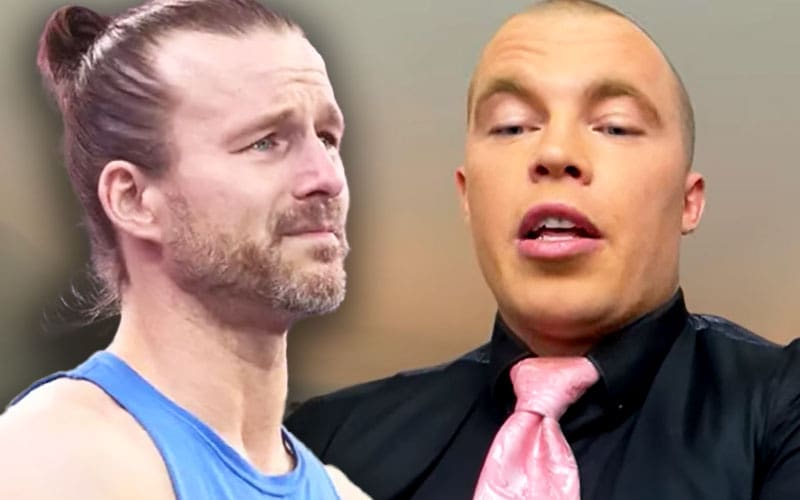
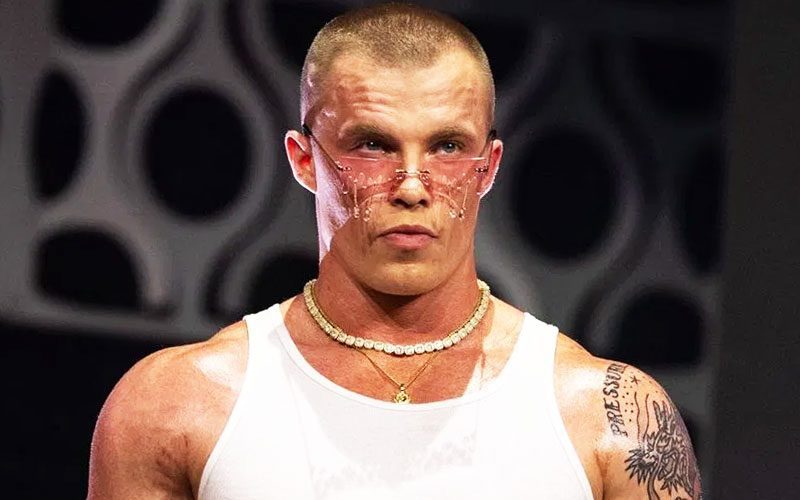
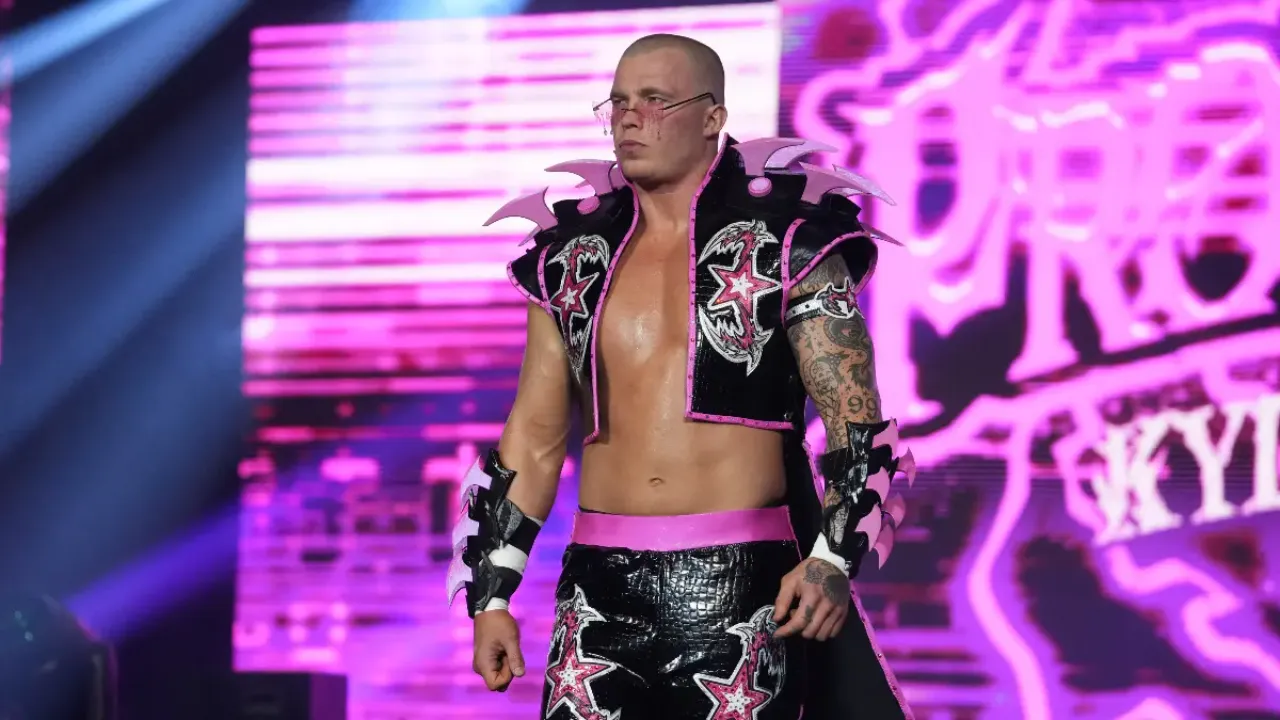
Kyle Fletcher is back, but the road to his return was far from standard operating procedure. After an injury forced a prolonged stint away from the ring, the AEW star admitted the process stripped away his sense of identity. He noted that during the height of his recovery, he often felt he did not even resemble a professional wrestler anymore.
This sentiment is common among elite performers who define themselves entirely by their match output. When the routine of travel, gym sessions, and consistent gate-to-gate physicality vanishes, the mental void is immediate. For Fletcher, the hiatus was marked by a distinct physical transformation, as he grew out his hair, leaving him nearly unrecognizable to fans who tracked his progress according to recent reports.
Surgery avoided, but the impact remains
The medical news surrounding Fletcher’s recovery features a rare slice of good fortune. Sources confirm that Fletcher did not require surgery to repair the damage. In a business where ligament tears and structural failure often necessitate invasive procedures, avoiding the knife is the ideal outcome for a performer of his style.
Despite avoiding surgery, the absence highlights a recurring issue in professional wrestling: talent management under duress. Fletcher’s ability to recuperate without an operating theater suggests a non-chronic soft tissue issue, yet the time needed to return to form illustrates that even minor injuries take active wrestlers out for months. These layoffs lead to significant loss of momentum regarding current booking and television visibility.
The broader burden on modern performers
Fletcher’s struggle aligns with sentiments expressed by other global stars currently navigating the grind. Even performers like GUNTHER, who hold marquee status, have recently touched upon the feeling of being an outsider while maneuvering through the rigorous daily pressures of a major promotion. The intensity of 2026 scheduling means that anyone taken off television has to fight twice as hard to re-establish their footing.
The strategic implication here is clear: rosters are thinning. When a performer of Fletcher’s caliber misses extended time, it forces creative teams to shuffle mid-card plans rapidly. The lack of proactive transition plans for injured talent often leads to gaps in storylines that can kill a feud’s heat. Fans are frequently left waiting for a return that lacks a concrete build, often resulting in cold reintroductions rather than high-impact returns.
Looking forward
The sports-medicine reality for Fletcher is a return to a landscape that hasn't slowed down while he was sidelined. Wrestling history is littered with performers who struggled to reclaim their spot after lengthy absences. For every success story, there is an equally concerning track record of athletes losing their place in the rotation due to the emergence of younger, hungrier talent.
While his injury was not career-ending, it served as a reality check on the fragility of a wrestler’s professional life. Staying healthy in this climate is the ultimate test, and for Fletcher, the mental battle during his time away was likely just as intensive as any strength-conditioning program he underwent. Now, the burden shifts to the booking team to ensure his return matches the level of his pre-injury output.