The Mathematics of a Tag Team Split
Tag team wrestling is fundamentally an equation of shared burdens. When you spend years working a 30-minute epic where you only carry 15 minutes of the cardiovascular load, the transition to singles competition is brutal. The failure rate is staggering.
Historically, when an elite tag team fractures or pauses, the math heavily favours only one member. We saw it with The Rockers. We saw it with Edge and Christian. Yet, the current trajectory of Aussie Open defies this baseline statistic.
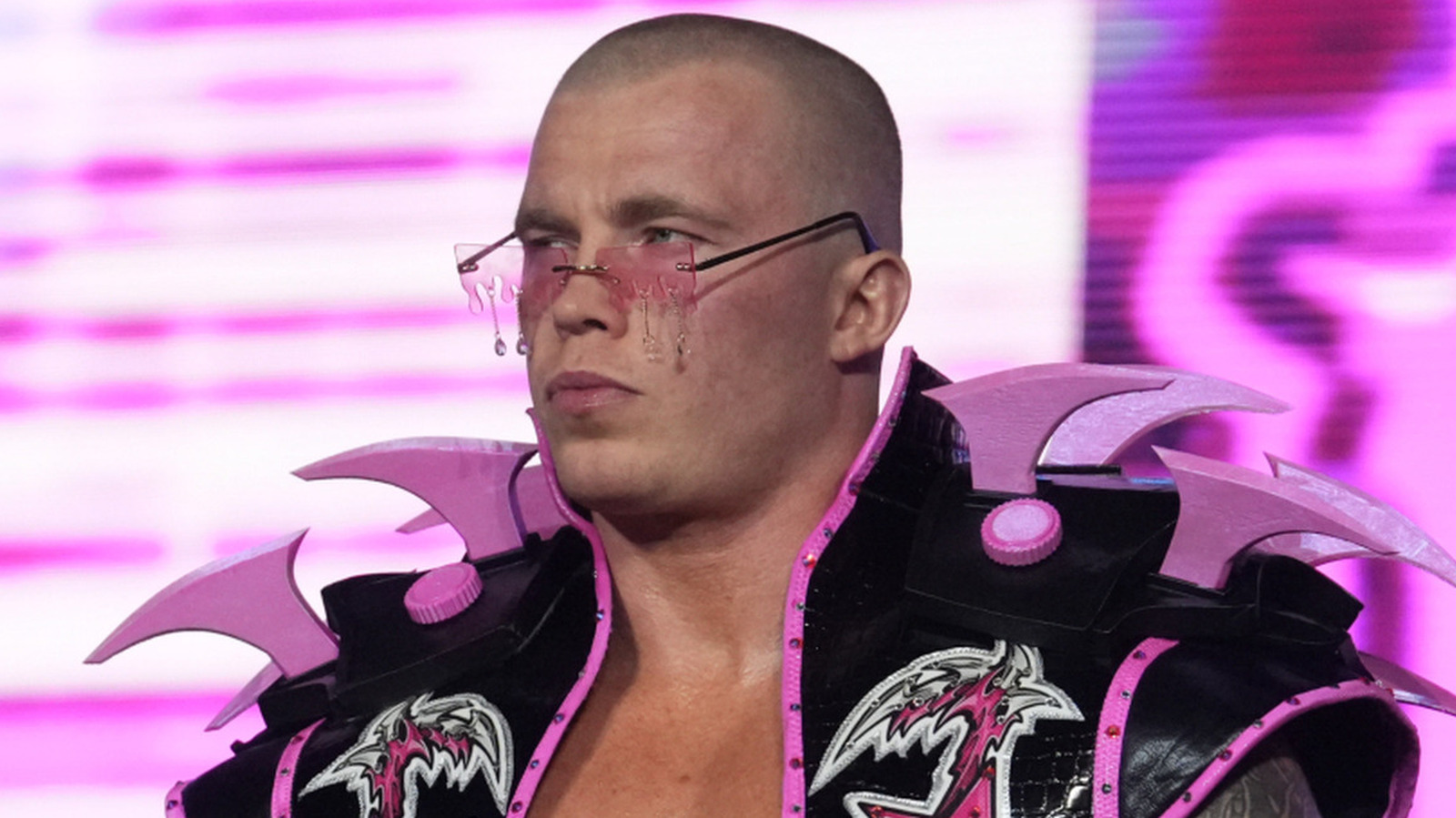
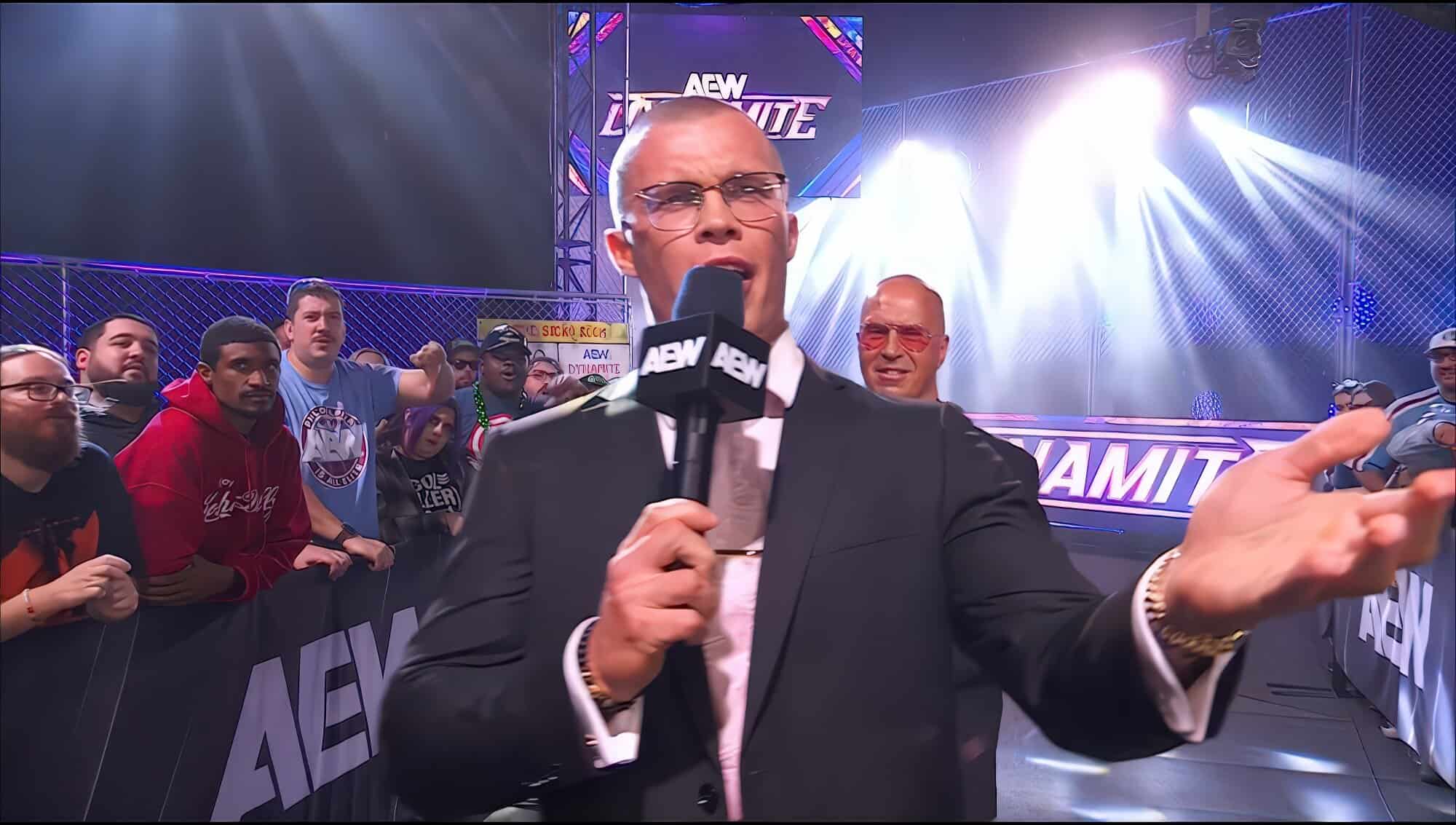
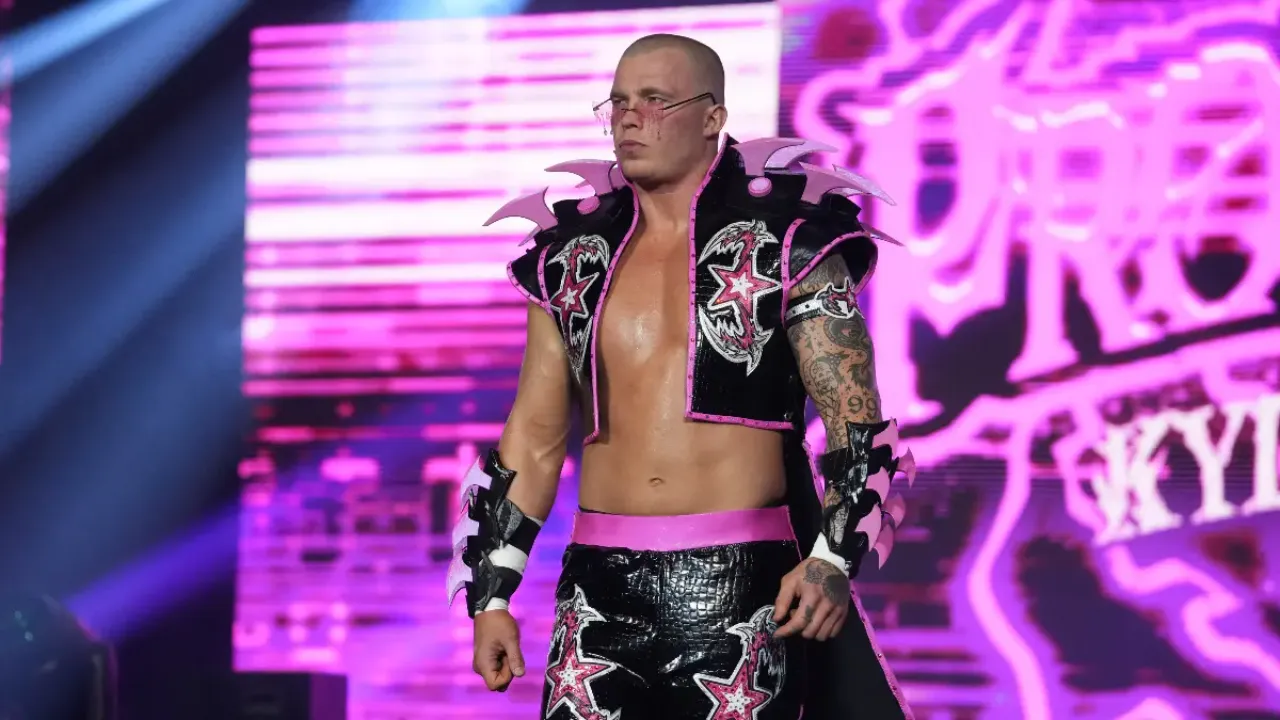
Kyle Fletcher and Mark Davis were brought into AEW as a cohesive unit, an import of raw Australian force refined on the British independent scene. They were a package deal. Now, that package has been unboxed, and the individual components are generating distinct, measurable momentum.
Fletcher recently opened up about Mark Davis's recent AEW success, pointing to a fascinating divergence in their paths. Davis has leaned into his raw power, functioning as a blunt instrument. Fletcher has evolved into a hyper-athletic agitator.
This isn't just a stylistic shift. It is a calculated recalibration of their individual market value within a roster that currently houses over 150 active competitors. Finding television time requires more than just high-star match ratings. It requires a definable, easily marketable hook.
Quantifying Locker Room Culture
Professional wrestling thrives on chaos in the ring, but backstage chaos destroys live television. AEW has learned this lesson the hard way over the past three years. The backstage altercations of late 2022 and 2023 directly correlated with a measurable dip in television ratings and live attendance.
Morale is not just a buzzword. It is an economic indicator. A miserable locker room produces disjointed television. Matches feel rushed. Promos lack conviction.
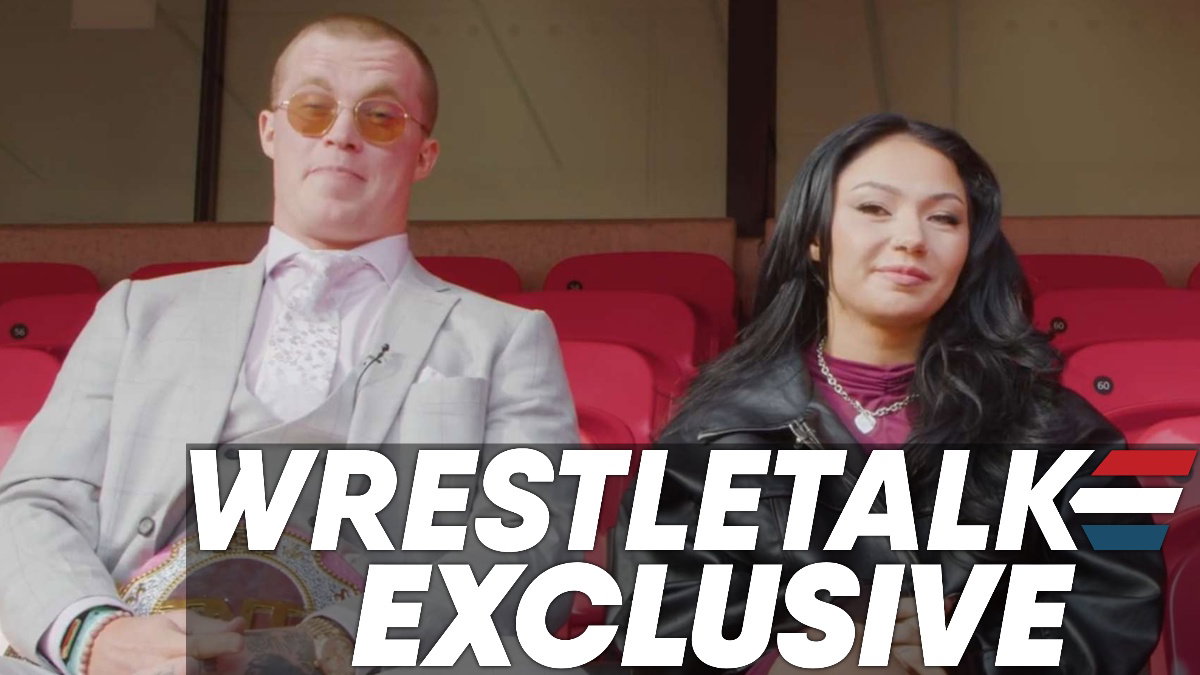
Recently, Kyle Fletcher and Skye Blue provided insight into the current backstage morale at AEW. The feeling among the talent has shifted. The panic of the past has settled into a functional, competitive rhythm.
This is critical. When a talent like Skye Blue undergoes a massive character overhaul, transitioning from a generic babyface to a darker, more nuanced persona, she needs institutional support. She needs agents and producers who are focused on the product, not putting out backstage fires.
The current stability allows younger talent to take risks. It provides a safety net for failure. If Fletcher tries a new promo style and it falls flat, the stable environment means he gets a chance to fix it the next week, rather than being buried underneath backstage politics.
"Kyle Fletcher and Skye Blue have commented on the current morale and feeling behind the scenes in the AEW locker room."
That sentence alone, entirely devoid of the drama that usually accompanies AEW backstage reports, is a massive win for the company's human resources and management structure. It points to a maturing operation.
The Wembley Stadium Variable
AEW is heading back to London. This is the ultimate stress test for the roster.
In 2023, the company packed 81,035 paying fans into Wembley Stadium. It was a statistical anomaly in the modern wrestling business, a number that challenged WWE's monopoly on stadium shows. Returning there requires more than just good matches. It requires spectacle.
Fletcher understands the assignment. The young Australian isn't pitching a 60-minute iron man match. He is pitching pure, unadulterated tabloid theatre.
During a recent media blitz, Fletcher told the Daily Star he wants to "deck" Piers Morgan at Wembley. It is a brilliant, entirely cynical piece of self-promotion.
Why Piers Morgan? Because Morgan commands engagement. He is a walking algorithmic trigger. By inserting Morgan's name into a wrestling soundbite, Fletcher guarantees that his quote escapes the wrestling bubble and lands on mainstream news aggregates.
Let's look at the numbers behind this tactic. A standard wrestling promo might generate 200,000 views on Twitter. A crossover clip involving a polarising mainstream media figure can easily shatter the 2 million mark. It is a low-risk, high-reward strategy for a wrestler trying to climb the card.
The Critical Deficit in the Booking
However, ambition off-screen must be matched by execution on-screen. This is where AEW's booking of Fletcher occasionally falters.
You cannot talk about punching mainstream celebrities at Wembley if your television win-loss record hovers near 50 percent. The math simply does not support the bravado. AEW has a habit of booking Fletcher in highly competitive, 15-minute matches against top-tier main eventers, only for him to lose cleanly.
It is the "good hand" syndrome. Management knows Fletcher will deliver a fundamentally sound, exciting match. Therefore, they use him to heat up other stars. He takes the pinfall, but gets praised for his work rate.
This is a trap. Work rate does not sell stadium tickets. Star power does. If Fletcher is going to be the kind of character who incites riots at Wembley, he needs to string together decisive, dominant victories on television. He needs to squash opponents in under three minutes.
The transition from a tag team workhorse to a heavily featured singles star requires a complete reprogramming of how the audience perceives you. The audience needs to see Fletcher as a threat, not just a reliable performer.
Projecting the Trajectory for 2026
We are exactly 58 days away from AEW Double or Nothing. That pay-per-view will set the final narrative arcs heading into the summer and, ultimately, Wembley.
Fletcher and Davis are operating on parallel tracks. Davis is proving his viability as a solo wrecking ball. Fletcher is testing the waters of sports entertainment virality. Meanwhile, the locker room environment around them has finally stabilised, providing the necessary runway for these experiments.
The numbers dictate that not everyone on the AEW roster will make the main card at Wembley. With a typical pay-per-view runtime, there are only about 10 to 12 available match slots. Competition for those spots is mathematically fierce.
Fletcher's gambit with the Piers Morgan quote shows he understands the game being played. He isn't relying solely on his physical ability. He is trying to manufacture a moment.
If AEW management recognises this shift and adjusts his win-loss ratio accordingly over the next two months, Fletcher could mathematically secure his spot on the biggest card of the year. If they continue to book him as a high-end enhancement talent, the Wembley ambition will remain nothing more than a clever quote in a British tabloid.