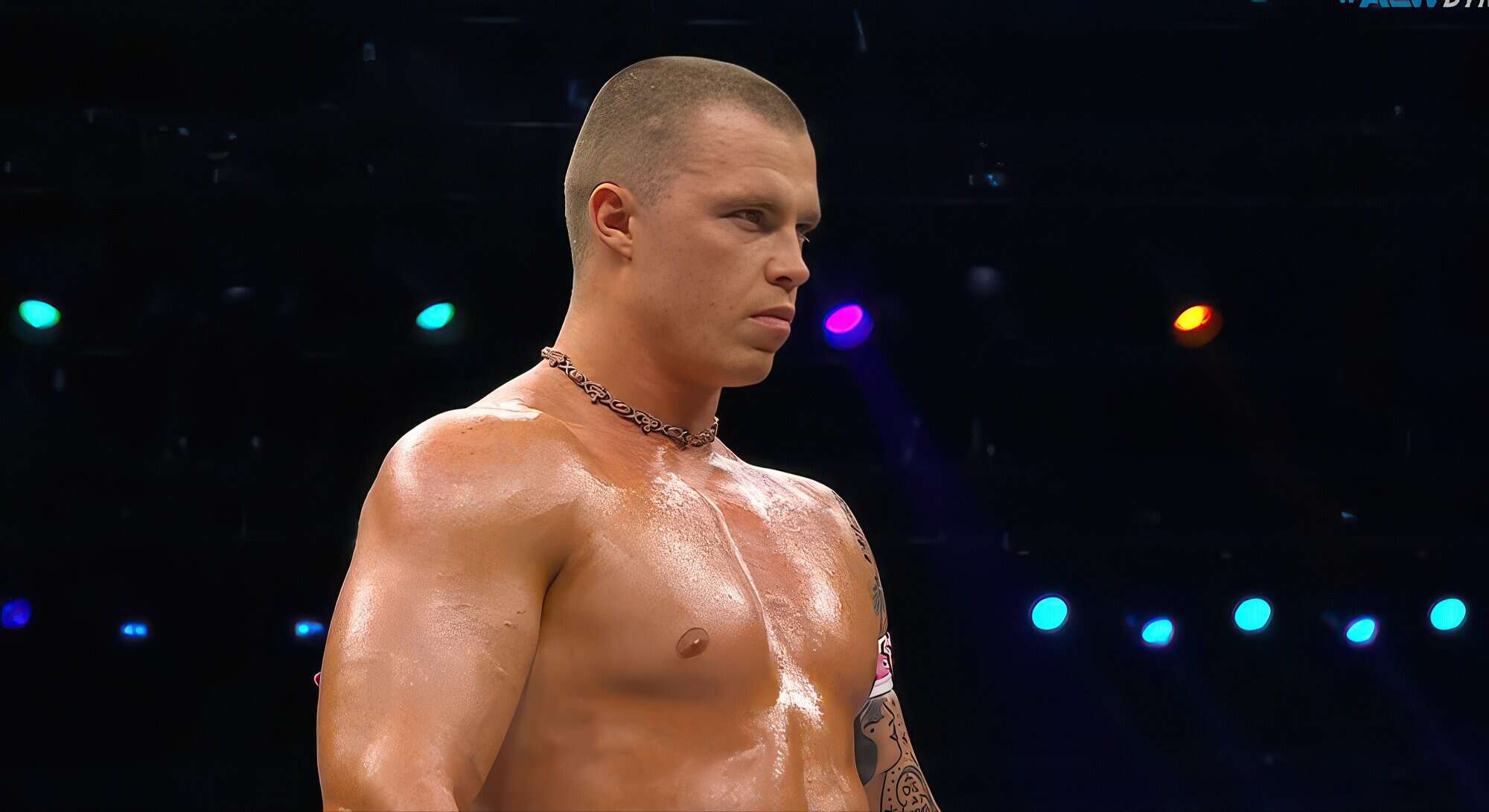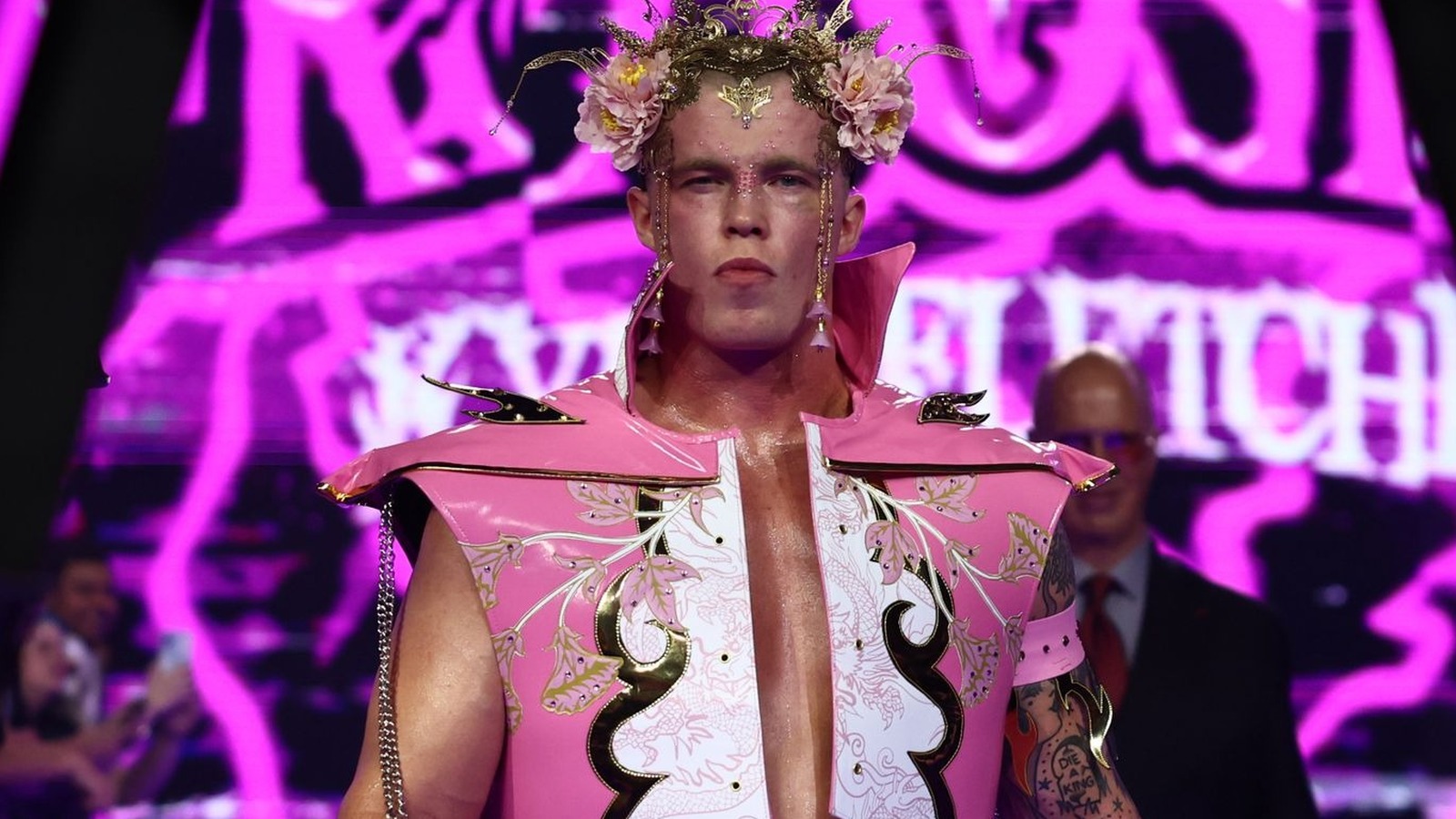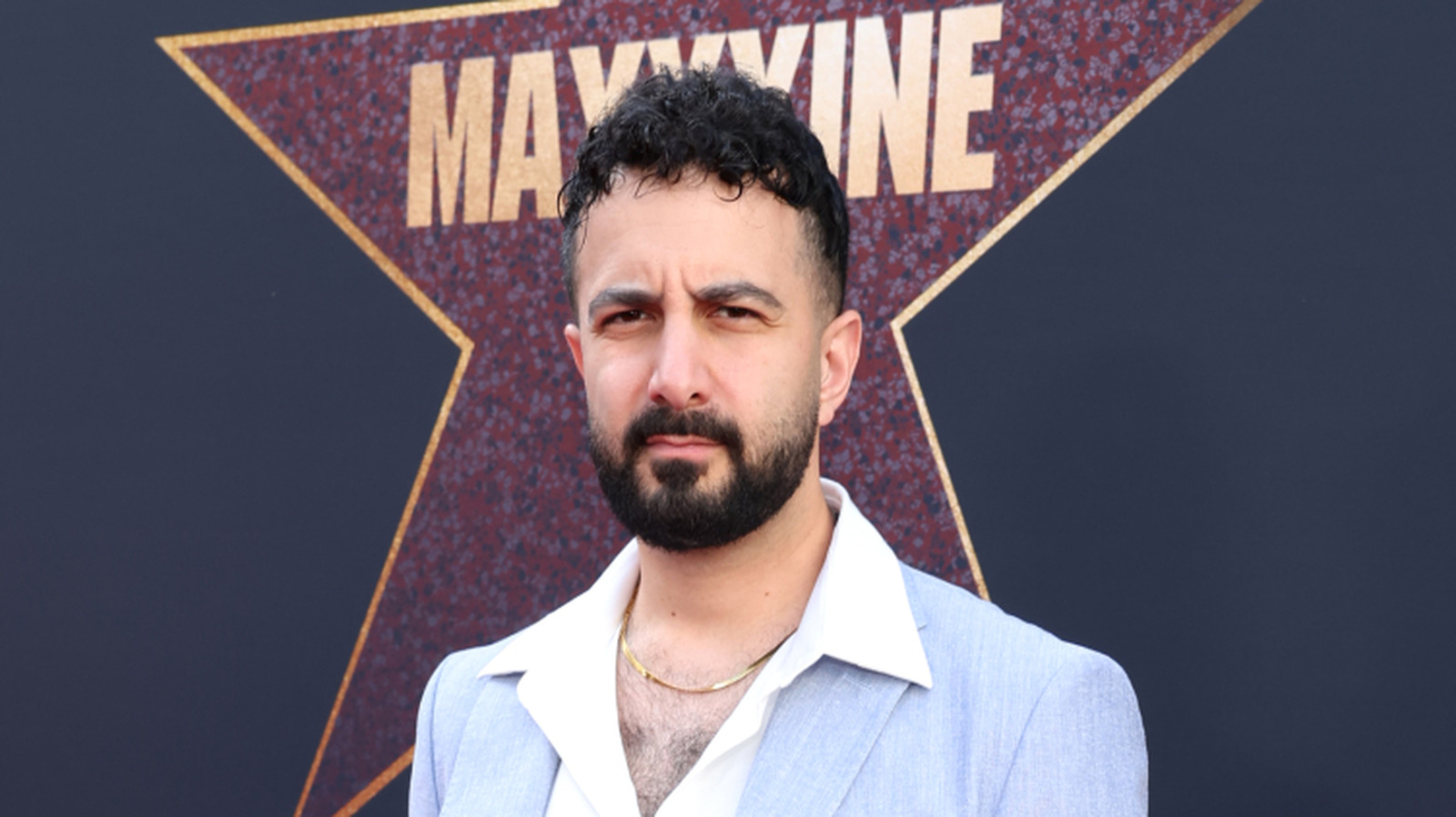
Kyle Fletcher sidelined following recent injury
AEW rising star Kyle Fletcher is officially out of action due to an injury sustained in recent competition. The news, confirmed via reports detailing recent AEW Dynasty notes, leaves a significant hole in the company’s upcoming card. Fletcher has become a central component of the tag team and mid-card division, meaning his absence forces Tony Khan to pivot during a critical stretch on the calendar.
While specific details regarding the nature of the injury—be it a ligament tear or soft tissue damage—remain undisclosed by the promotion, the timing could not be less fortunate. AEW is currently navigating the lead-up to their next major event, with creative teams scrambling to adjust long-term storylines. Fletcher’s absence removes a versatile worker capable of anchoring technical matches, a style that has been a hallmark of his recent work in AEW.
Strategic fallout for the AEW mid-card
The loss of an talent like Fletcher creates a ripple effect throughout the show's structure. Without him, the mid-card narrative loses a key technical anchor, potentially forcing an over-reliance on older established names like Chris Jericho. As Matt Hardy recently noted, the future of veteran stars like Jericho depends heavily on how they fit into the evolving creative roadmap. Fletcher’s presence previously allowed for a balance between legacy acts and the hungry, newer generation.
This is not the first time injuries have hampered momentum for Tony Khan’s roster. The company has historically struggled to maintain booking consistency when key utility players—those who can work multiple styles and elevate opponents—go down. The immediate concern is whether this creates a vacuum that forces management to rush returns or rely on short-term fixes that don't materialize into long-term gains for the television product.
The broader corporate environment
While Fletcher recovers, the backstage discussion remains dominated by discussions of corporate history. Newly surfaced reports have shown that executives were managing internal crises long before the current roster took shape. For example, text exchanges between Triple H and Nick Khan reveal how precarious the power dynamics were during the TKO merger period. These revelations concerning the WWE power structure highlight how distractions at the executive level can mirror the instability caused by talent injuries in the ring.
Tony Khan himself has been open about the difficulties of navigating the industry’s high-stakes environment. Recently, Khan admitted he was effectively flying blind during his 2023 attempt to purchase WWE, lacking the inside data that TKO executives held as they consolidated power. Comparing the two situations—the injury of a top performer and the limitations of ownership in a hostile acquisition environment—reveals a promotional culture attempting to balance immediate card needs with long-term survival.
Despite the high production value of recent episodes, the reliance on older stars to fill the void left by injured talent remains a glaring vulnerability. If AEW cannot establish younger talent as reliable draws who stay healthy, the cycle of relying on veterans like Jericho will likely continue. The decision to integrate established names into high-leverage spots is intended to stabilize ratings, yet it risks stalling the development of the next main event class.
Fletcher’s recovery timeline is monitored closely by creative, though there is no official return date. Expect booking changes to take hold in the coming weeks as performers adapt to the new reality. Fans should look for immediate adjustments to the tag brackets and regional storylines in the lead-up to the next PPV. The front office’s ability to successfully fill these gaps will effectively signal their readiness for the summer heat of 2026.
Read Next
- Injury report: Mid-card instability threatens WrestleMania 41 booking
- Chris Jericho stays put as AEW focuses on long-term stability
- Chris Jericho locks in his AEW future and kills the WrestleMania 41 return rumors
- MJF is using political optics to draw a battle line before WrestleMania 41
- ⚡ AEW Dynasty 2026 — Full Coverage Hub