The crossover paradox in professional wrestling
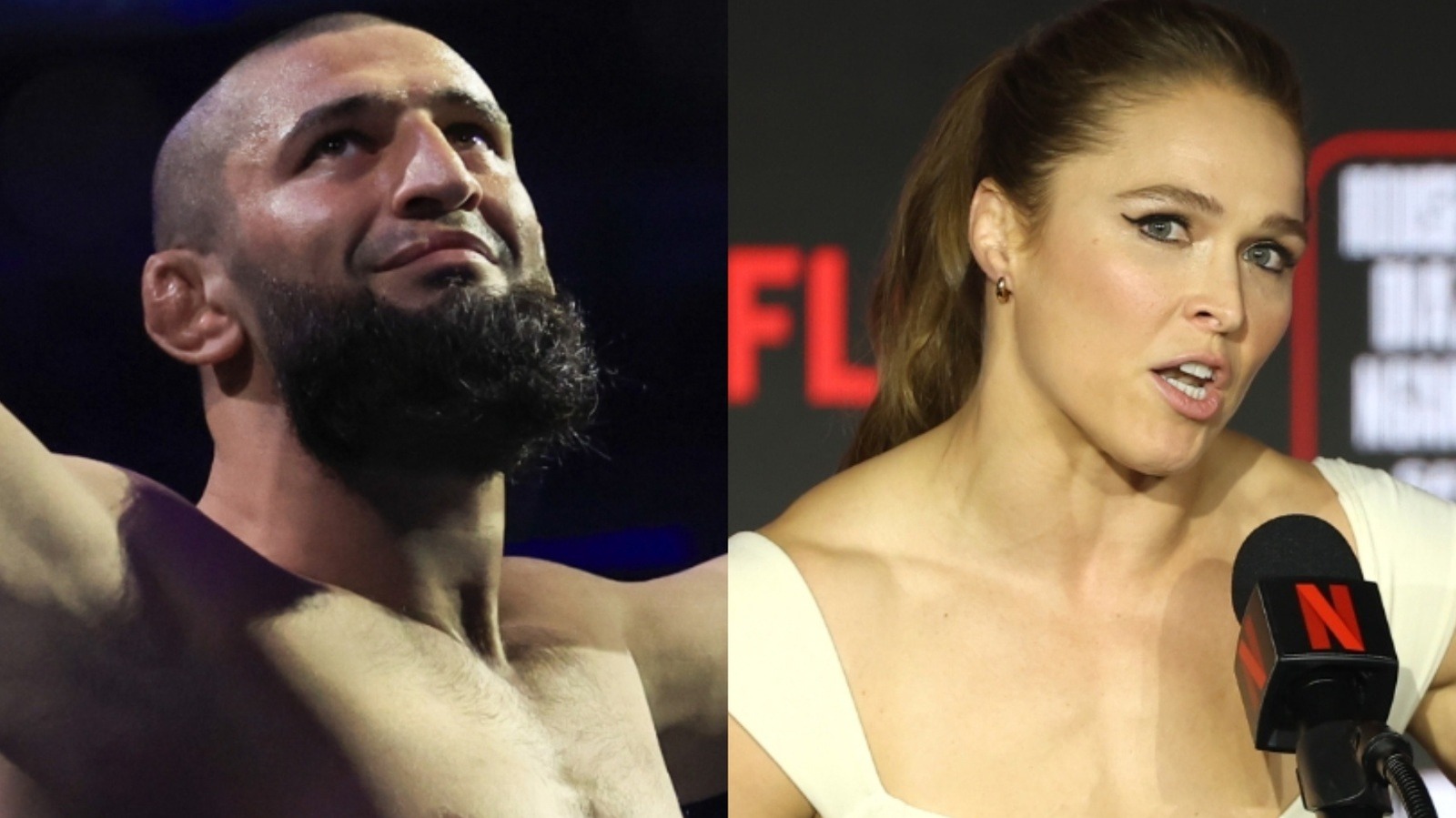
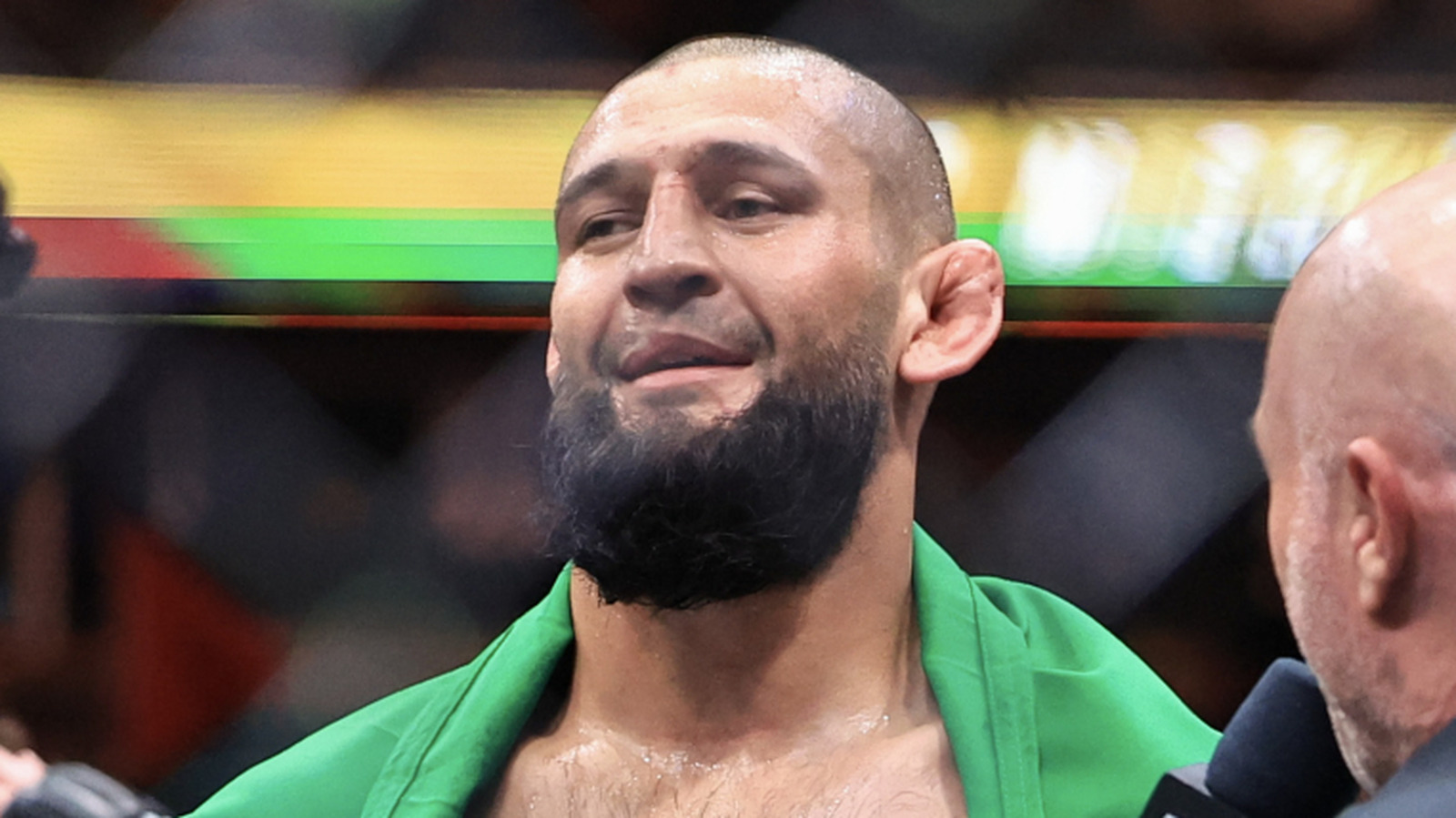
The announcement that UFC Middleweight Champion Khamzat Chimaev has officially signed with Eric Bischoff's Real American Freestyle marks a significant escalation in the ongoing pursuit of crossover legitimacy. We have seen athletes attempt to bridge the gap between the octagon and the squared circle for decades, but rarely with the raw intensity Chimaev brings to his stand-up game. This is not a retirement tour for a veteran; this is an arrival of a fighter in his absolute prime.
As reported by Wrestling Inc, the integration of Chimaev into the RAF roster presents fascinating tactical questions. Will his transition focus on high-impact suplex variations or will he lean into the ground-and-pound style that defines his MMA pedigree? Promotionally, the move suggests Bischoff intends to build a brand identity centered on legitimacy, arguably signaling a pivot back to stiff, reality-based combat sequences.
The UFC-to-wrestling pipeline is becoming messy
While RAF stabilizes its new asset, the wider relationship between premier combat sports and the performative ring remains fraught with friction. We are currently witnessing an era where UFC champions feel emboldened to critique their own roster with increasing hostility. Ilia Topuria recently made headlines for his brutal assessment of top contenders, characterizing his peers with descriptions ranging from incompetent to needing a total rebirth.
As documented in Wrestling Inc, Topuria's dismissal of Paddy Pimblett is a symptom of a hyper-competitive training culture spilling over into public discourse. This creates a challenging environment for promoters who rely on harmonious rosters. We are also seeing external baggage, such as Arman Tsarukyan's widely publicized removal from an American Airlines flight, becoming normalized news cycles for active fighters.
The tactical gamble of the RAF approach
The primary concern for RAF is the transition cost of an MMA-first athlete who has not trained for the specific rhythm of a 20-minute main event. Applying the high-velocity, short-burst energy of a five-round fight to the endurance requirements of a professional wrestling match is a distinct skill set. If Chimaev fails to adjust his timing—specifically his pacing during the middle act of a longer encounter—the matches will look disjointed.
Booking a champion like Chimaev necessitates absolute protection in the opening months. If he loses his first set of matches, the illusion of the UFC caliber is shredded immediately. I expect the promotion to utilize a series of squash bouts to acclimate him to selling and bump-taking against smaller, experienced technicians. If he is rushed into high-stakes main events within 90 days, the lack of spatial awareness will lead to botched spots during complex sequences.
My prediction: RAF will force a collision between Chimaev and an established veteran for a high-profile debut, expecting a 12-minute finish that relies on his natural grappling to mask wrestling deficiencies. It is a bold, high-variance strategy. I suspect we see a struggle to adapt to the crowd timing, ultimately resulting in a technical decision victory for the veteran in the debut, setting up a long-term redemption program for the former UFC star.