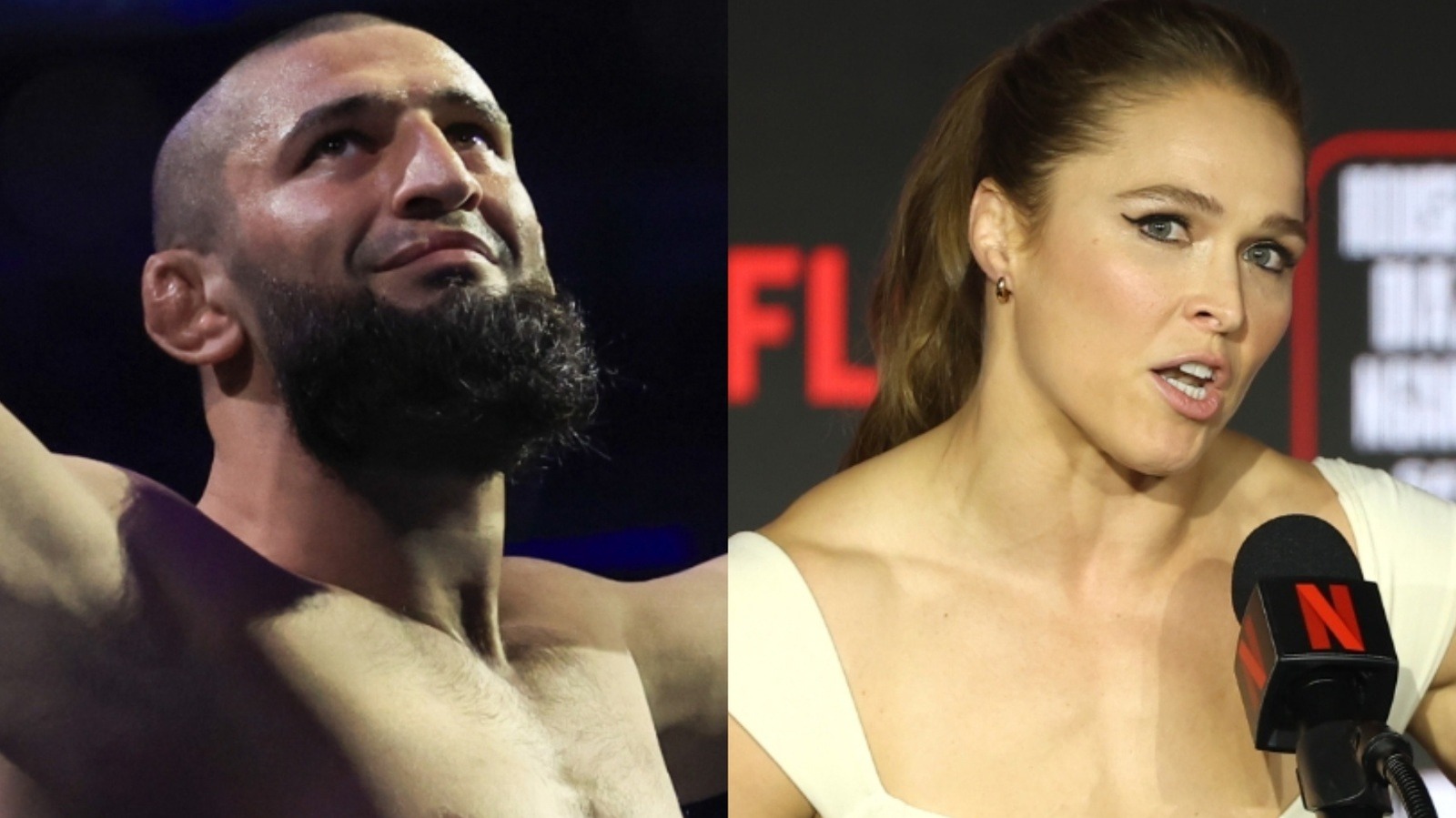
The blurred lines between the octagon and the squared circle
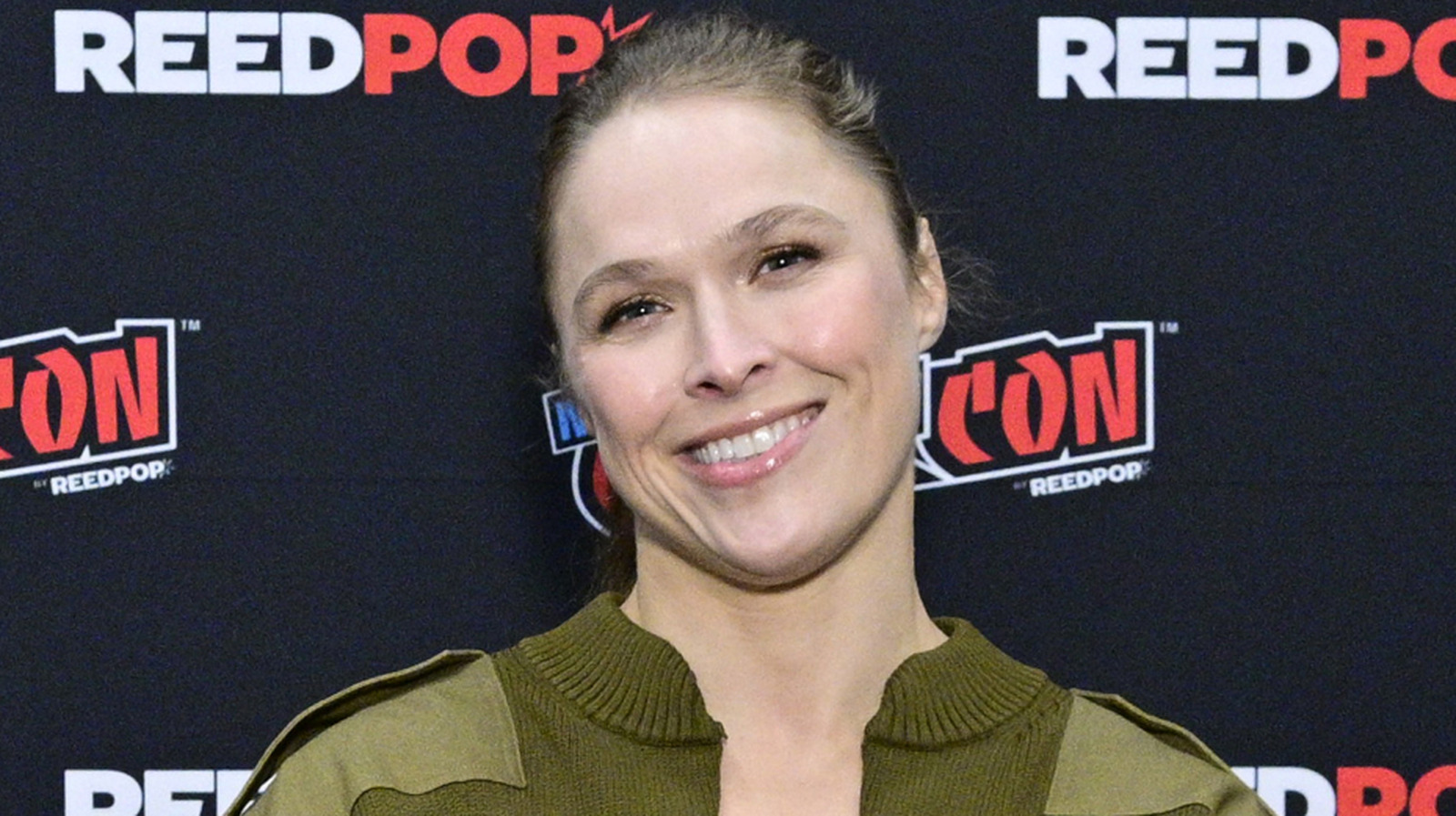
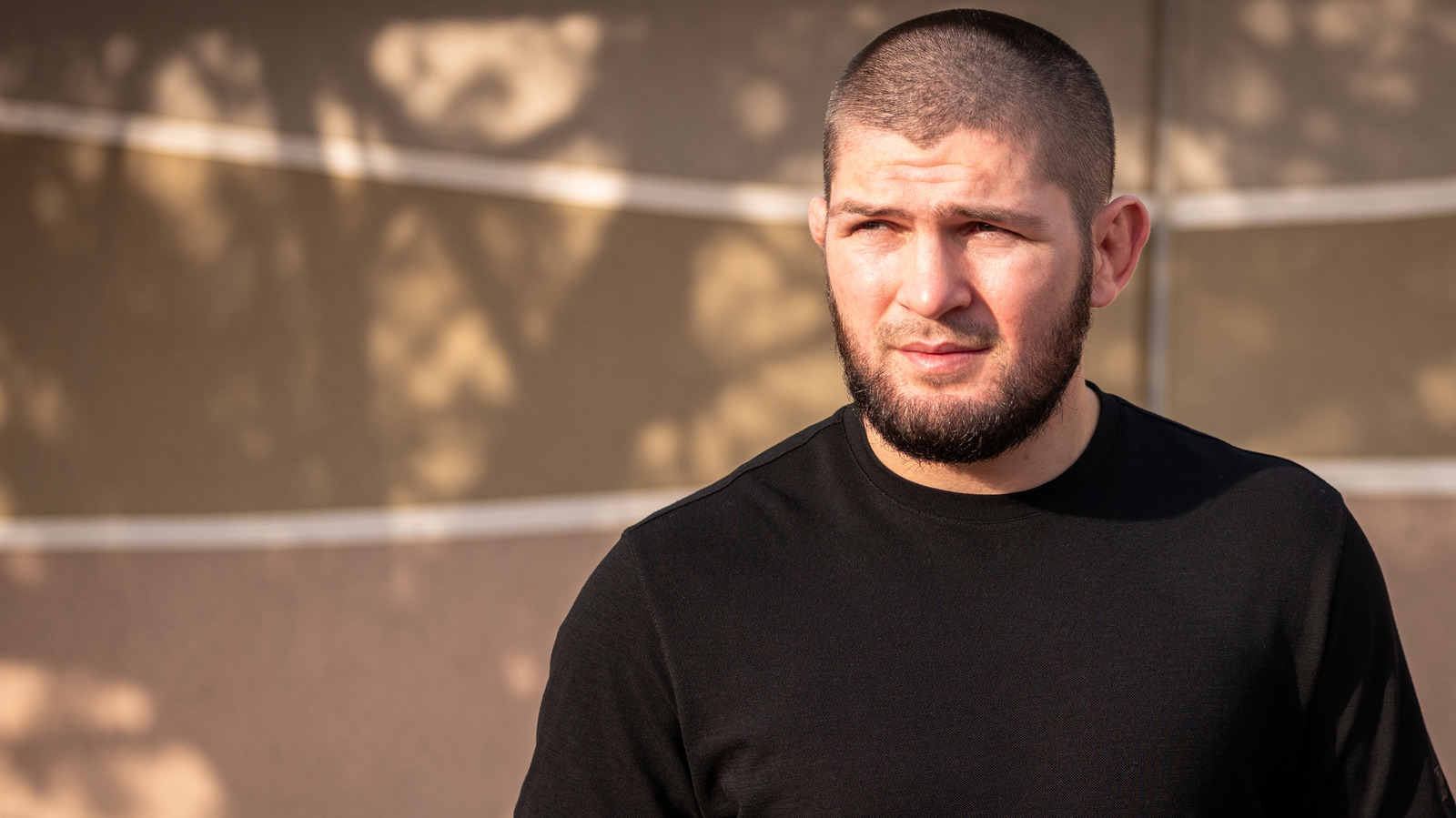
The dialogue surrounding fighter compensation often misses the mark, specifically when active competitors collide with those who have moved on to other ventures. Khamzat Chimaev recently took aim at Ronda Rousey, dismantling her assertion that current UFC fighters are underpaid. It is a clash of eras and status that highlights how different generations view the value of their own labor.
Chimaev, who currently sits at the intersection of hype and high-stakes matchmaking, views the promotion through a lens of extreme meritocracy. He believes the money follows the finish—a philosophy that ignores the objective reality of the Khamzat Chimaev and Ronda Rousey divide. Ronda Rousey’s perspective, framed by her transition into professional wrestling and Hollywood, suggests a more systemic critique of how the promotion manages its top-tier stars.
The math of fame vs. the math of the fight
When analyzing the value of a fighter, we must categorize performance metrics against revenue generation. Rousey moved the scales of pay-per-view buy rates in a way no woman had before her, generating figures in the 1.1 million range for her headline bouts. Chimaev thrives on an unpredictable, aggressive style that generates social media impressions, yet his path to a title shot remains tangled in administrative delays.
Critics often confuse athletic dominance with commercial leverage. Rousey understood the broadcast machine; Chimaev understands the intensity required for physical submission. The friction here is not just about a bank account. It is about whether a fighter owes their loyalty to the company that provided the platform or to the collective class of athletes pushing for a better share of the $1.3 billion annual revenue sports organizations often handle today.
Missing the point in the training room
The flaw in Chimaev’s argument lies in his narrow focus on individual output. Fighters perform in a high-attrition environment where the 3% chance of long-term injury governs almost every action. He argues that if you win, the pay arrives. He disregards the reality that even the most dominant fighters are one bad ACL tear away from permanent salary deflation.
Rousey’s intervention, regardless of how one feels about her time in WWE, stems from a realization that the leverage in the cage is fleeting. When the lights go down, the brand survives, but the fighter’s body is a depreciating asset. We see this mismatch in the recent roster volatility across the industry, where mid-card talents are treated as interchangeable parts rather than equity-builders.
Refining the trajectory
Looking ahead to the upcoming months, particularly as we pivot toward major events between AEW Double or Nothing and the late spring wrestling calendar, the industry-wide conversation regarding contracts will only intensify. Chimaev’s stance is a convenient one for the promoter, but it holds little water for the bulk of the roster who cannot rely on market-moving charisma alone. If we operate under the belief that only the top one percent deserve stability, we fundamentally misunderstand the economic structure of a sustainable promotion.
Expect Chimaev to double down on his rhetoric as his next booking approaches. He needs the promoter's favor to secure his championship path, and he is playing the role of the loyal soldier perfectly. I predict this feud will fizzle out by mid-July, as neither party has anything to gain from a prolonged public debate on labor economics. Chimaev will focus on his next takedown efficiency while the management continues to rotate the roster without a second thought.