The Big Picture
In the high-stakes world of professional wrestling and combat sports, an athlete's physical status dictates the entire direction of promotional booking. Whether it is a recovery timeline or a sudden career pivot, these updates steer the direction of the industry.
1. Kota Ibushi: The Lazarus Effect
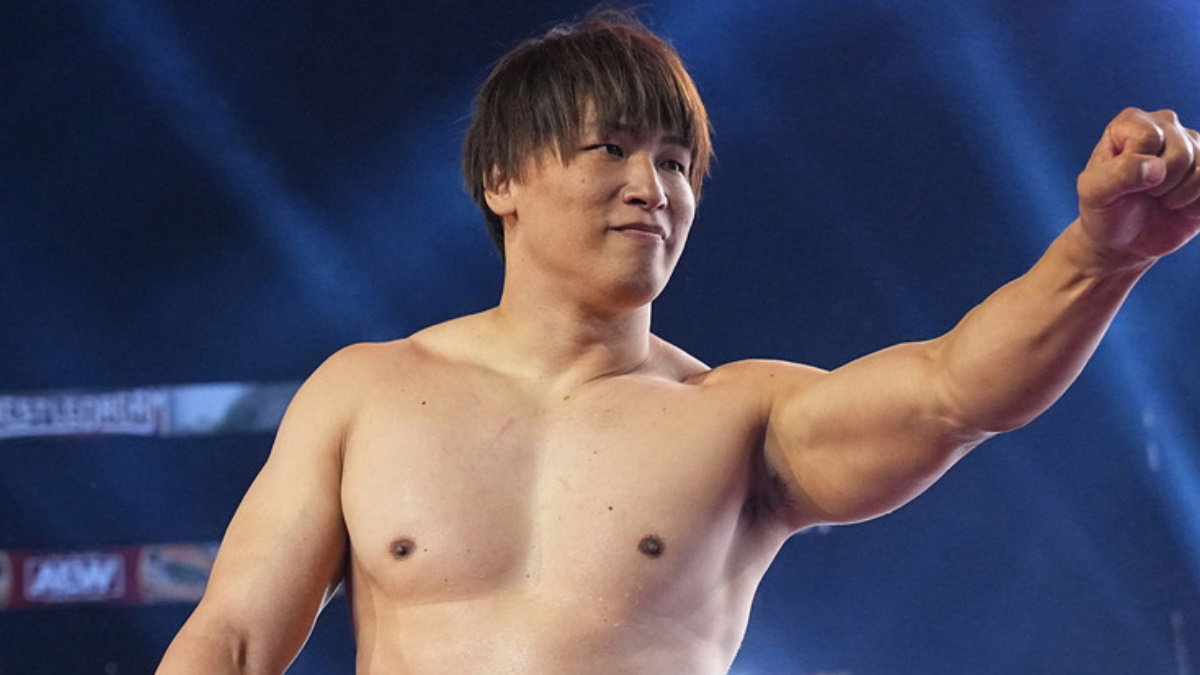
Kota Ibushi has surged to the top of recovery narratives after his most recent medical evaluation. Following a second surgical procedure on his broken femur, the AEW star claims he is currently moving without mechanical aids, including the ability to perform squats. For a performer whose in-ring style relies on athleticism, this is a profound development. As Wrestling Inc reported, the jump from being sidelined by a catastrophic leg fracture to walking unassisted is a massive shift in his career trajectory. His dedication to rehabilitation sets the pace for talent currently held on the shelf.
2. Maya Gebala: A Human Interest Priority
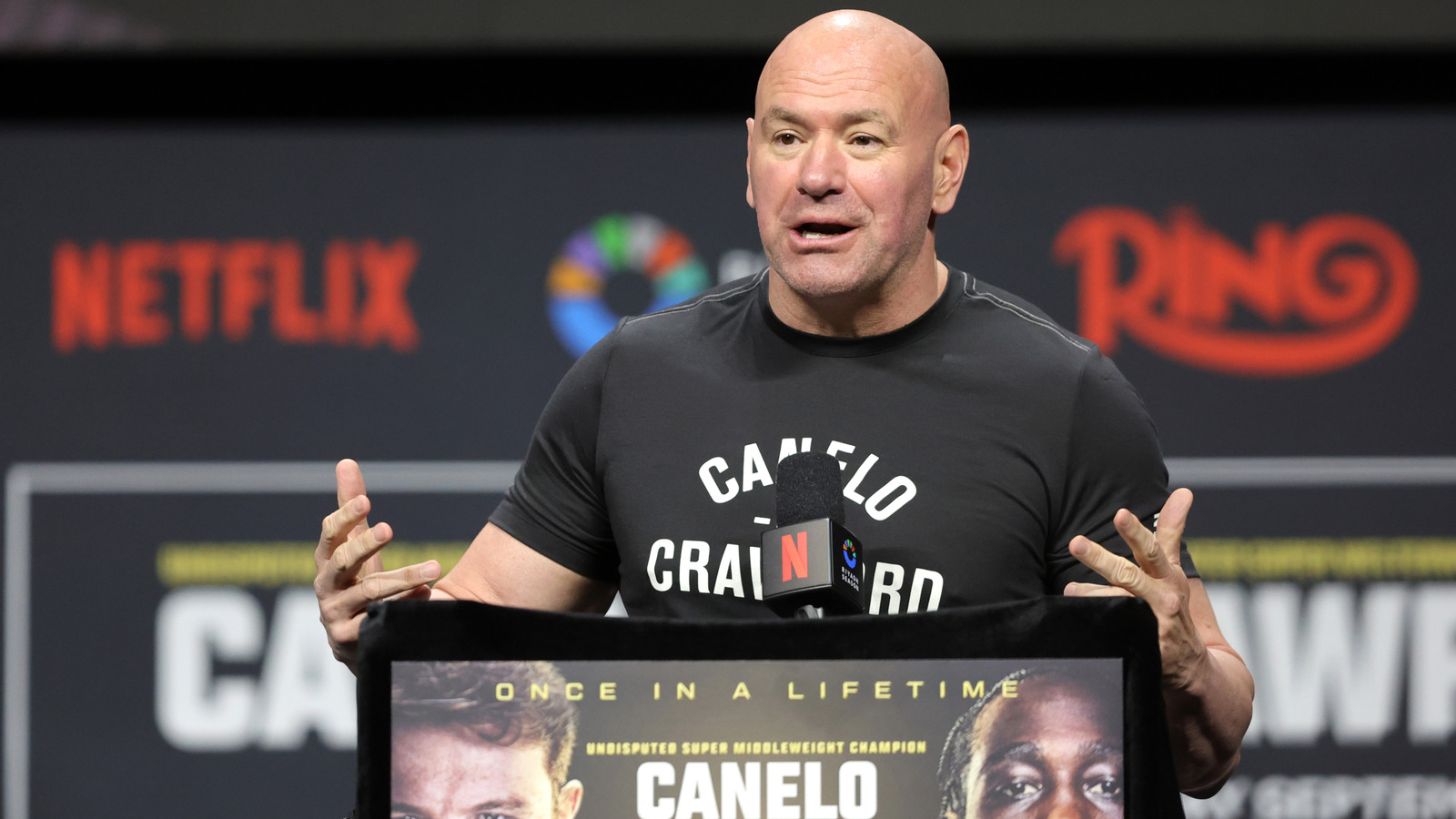
While the business of wrestling often dominates headlines, Dana White’s intervention regarding the Tumbler Ridge mass shooting victim reminds fans of reality beyond the mat. After the family accepted his offer to move Maya Gebala to a private facility in Los Angeles, White confirmed on Saturday that her recovery is the current focal point of his philanthropic efforts. This move transcends typical promotional marketing, establishing a standard for how executives should handle personal crises involving their fanbase. According to Wrestling Inc, the shift to private treatment is intended to accelerate her convalescence. Her progress is being monitored by more than just family members, with the MMA community watching closely.
3. Cody Rhodes: The Post-Show Evaluation
Following WrestleMania 41, the medical status of Cody Rhodes became the most discussed topic in the WWE locker room. Reports confirm that medical staff are assessing the duration of his downtime following an injury sustained mid-match, leaving a void at the top of the card as Backlash approaches. Any absence from Rhodes fundamentally alters the main event picture for the next three months. The timing of this discovery is poor, as WWE needs their top babyface to maintain momentum during the spring cycle. Based on insights from F4WOnline, the recovery protocols are strict, and rushing the process could risk his appearance at future tentpole events.
4. The Uncertainty of Return Windows
Ranking fourth, the collective ambiguity surrounding unknown return dates remains the most frustrating element for fans. When stars suffer injuries, the lack of transparency often leads to speculative panic on social media. Without a clear public disclosure, booking plans for major PLEs like Backlash or Double or Nothing become difficult to predict. This lack of information creates a recurring issue for creative teams who struggle to maintain momentum when their anchor talents vanish from television. Transparency needs to be the standard, rather than the exception, to preserve fan trust.
5. The High Cost of Physical Escalation
Professional athletes are pushing their bodies further than ever, resulting in more complex rehabilitation cycles. When performers like Ibushi require secondary surgeries, it exposes a gap in the preventative medical care provided by organizations. Being unable to return to action at 100% efficiency is a professional gamble. The industry is currently favoring shorter, higher-intensity matches, which inherently invites orthopedic damage. This trend is unsustainable if long-term career spans are the goal.
6. The Management of Private Medical Facilities
Beyond the athletes, the reliance on top-tier private care in cities like Los Angeles shows that health is now managed at a corporate level. When organizations intervene to cover medical costs, it signals a deeper level of investment in the workforce. However, this creates a disparity where talent struggling outside the main spotlight may lack the same resources. This ranking reflects the reliance on elite-level medicine to sustain the physical rigors of a worldwide schedule.
7. Rehabilitation Methodology Shifts
Modern recovery is no longer just about waiting for bones to mend. It is about active physical therapy and mechanical re-training, as seen in Ibushi's recovery. The integration of modern technology into these regimens is drastically reducing downtime compared to the 1990s and 2000s. We are witnessing a revolution in how athletes return to the ring, making the previous ten-year careers look archaic. Efficiency in recovery now defines who stays at the top of the card.
8. The Impact on Creative Direction
Medical updates are the primary driver of creative pivots. If a star is sidelined for 6 months, the entire roster depth is tested. When the primary protagonist is removed, the writing team is forced to elevate secondary talent, which often leads to inconsistent storytelling. The reliance on singular figures to hold a promotion together is a structural flaw that these injury updates continue to expose.
9. Talent Transparency Protocols
Fans deserve accurate information regarding player availability. When entities hold back diagnostic info to keep storylines vague, it backfires among the core audience. The industry is reaching a point where internal medical summaries need to be treated with higher integrity. Obfuscation only frustrates the fans who pay to see these high-level performers.
10. The Prevention Dilemma
Ultimately, the frequency of these medical updates highlights a systemic culture of overwork. Constant training cycles combined with grueling travel schedules leave zero room for physiological recovery. Professional wrestling needs to address the cadence of their performance schedule. If athletes continue to break down, the product quality will inevitably suffer as talent attrition becomes the new norm.
Honorable Mentions
The resilience of the undercard performers often goes unnoticed, but their availability is the backbone of any promotional circuit. Furthermore, the role of sports medicine departments in major promotions remains grossly undervalued in public discussions, despite being the only reason some of these athletes return at all.