The timeline of digital dumpster fires
Stop me if you have heard this one before. A wrestling legend uses their platform, a fan takes a massive swing at them from behind the safety of a keyboard, and the ensuing clash makes everyone in the industry look exhausted. We are living through a weird moment where the gap between booking logic and fan perception has become a canyon. Lately, the discourse has devolved into shouting matches about legacies, participation trophies, and historical revisionism. It feels like every time I open my phone, someone like Eric Bischoff or Michael Cole is playing whack-a-mole with bad-faith actors.
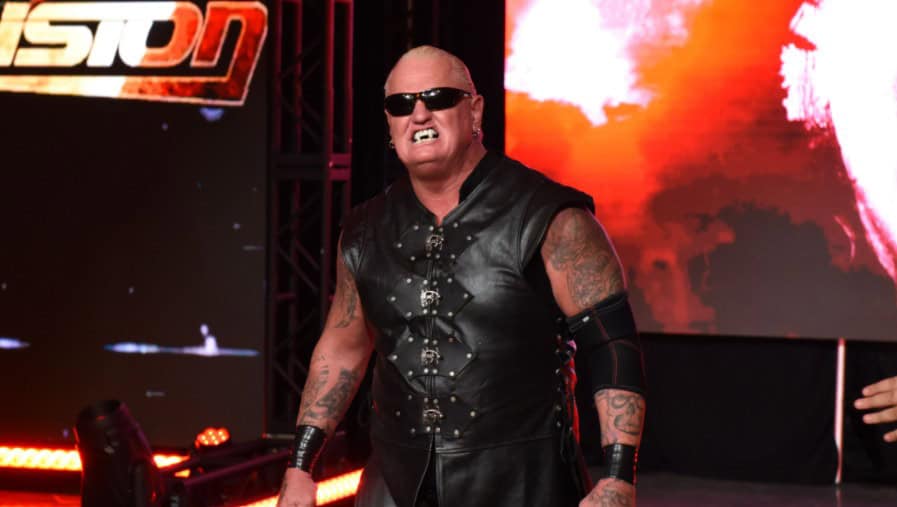
The current cycle of frustration started gaining steam when Eric Bischoff addressed the age-old accusation that he and Hulk Hogan were the structural wrecking balls that demolished TNA. Bischoff, never one to shy away from a microphone or a confrontation, didn't mince words. He characterized the narrative that he and Hogan were solely responsible for the promotion's decline as chickensh*t gossip. It is the classic Bischoff routine: lean into the hostility and dare people to argue with the bank ledger.
The Sami Zayn championship debate
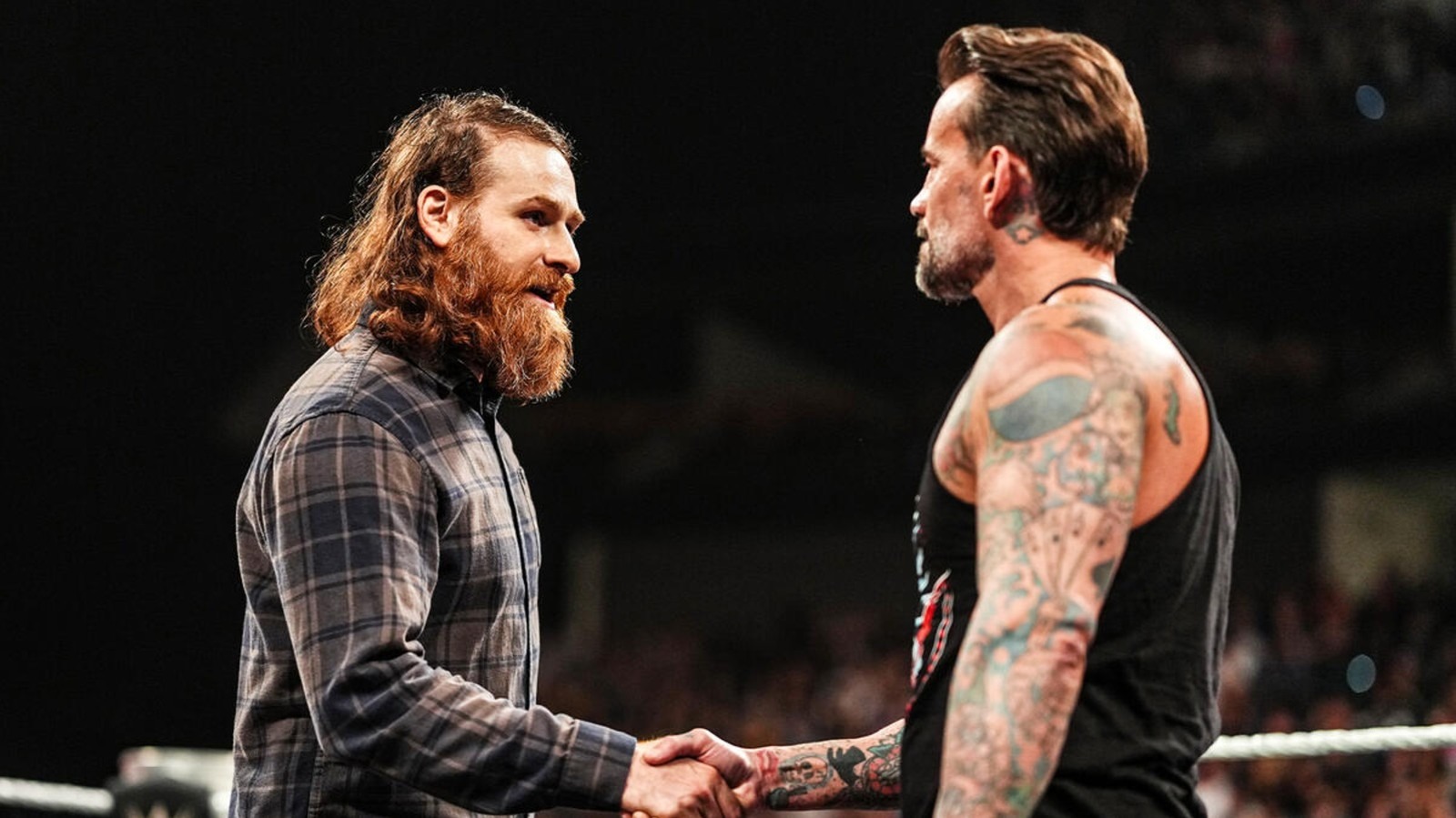
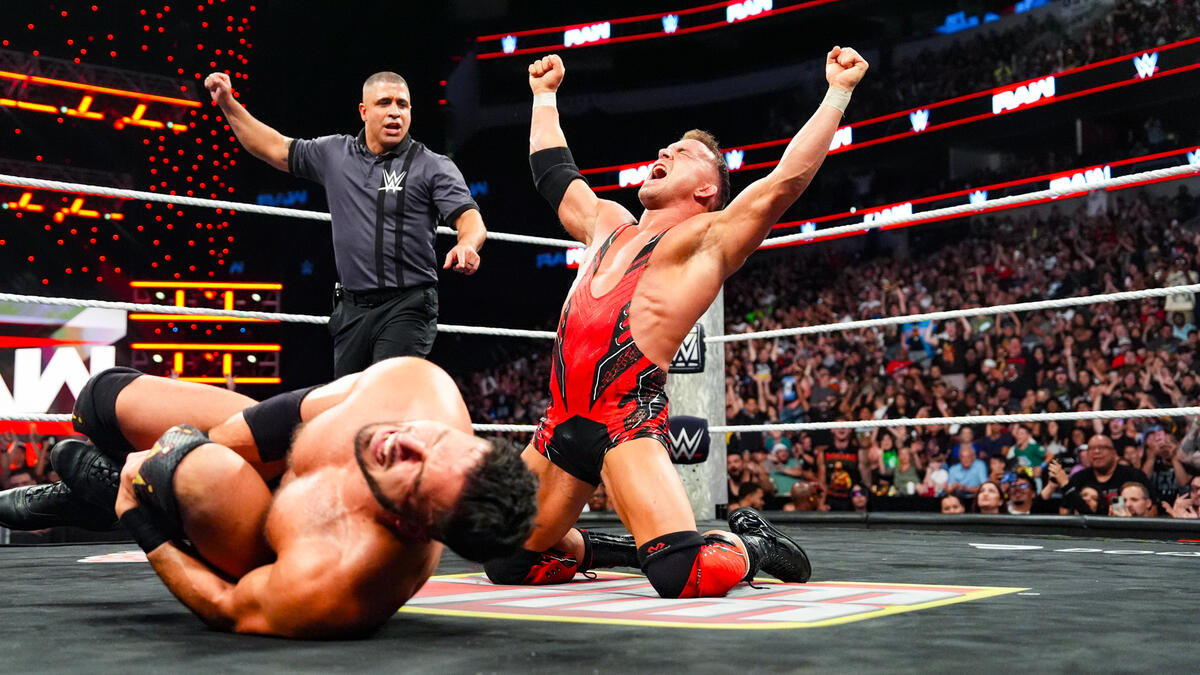
Then we have the professional agitators coming after Sami Zayn. A segment of the fanbase recently tried to brand his recent WWE title win as a participation trophy, implying the company just threw him a bone for his tenure. Michael Cole, who has been the voice of the product for decades, had absolutely none of it. He stepped out of his announcer persona to fire back, dismissing the idea that Zayn’s climb to the top was anything less than earned through years of consistent ring work and narrative payoff.
As Ringside News reported, the pushback from talent is becoming increasingly direct. Cole knows better than any of us what goes into sustaining a spot on the roster. Calling a title win a charity case is a slap in the face to the physics of the business—the bumps taken during a 20-minute exchange or the months spent building a character arc that actually connects with a live crowd.
The toxicity in the timeline
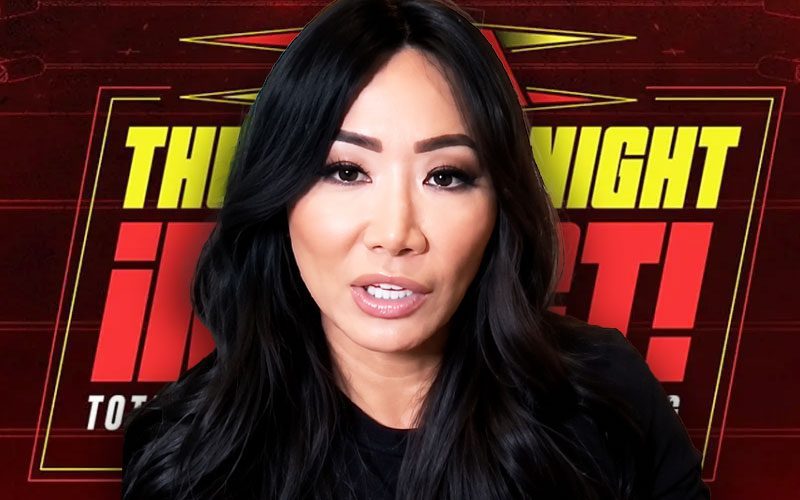
Gail Kim, a legitimate pioneer who redefined the women’s division, also found herself in the crosshairs this week. After offering some critique of TNA, she was hit with accusations of racism from some random account. Dealing with that kind of baseless garbage is apparently the price of admission for sharing your opinion in 2026. According to Ringside News, Kim isn't taking the bait, and good for her. It is a pathetic deflection—if you don't like what a legend says about the product, claim they are motivated by bigotry instead of engaging with their actual point.
Let’s call out the reality here: the booking is not perfect. Sometimes TNA really did drop the ball during the Bischoff/Hogan era, and sometimes the WWE title picture misses the mark. But blaming individuals for complex structural failures or dismissing a performer’s career milestone because you didn't like the storyline structure is lazy analysis. As WrestlingNews.co noted, these veterans are tired of being the target for fans looking to manufacture drama. If you want to argue about work rate or booking logic, go for it. But keep the ad hominem attacks and the 'participation trophy' nonsense in the trash where it belongs.