The disconnect between avatars and arena seats
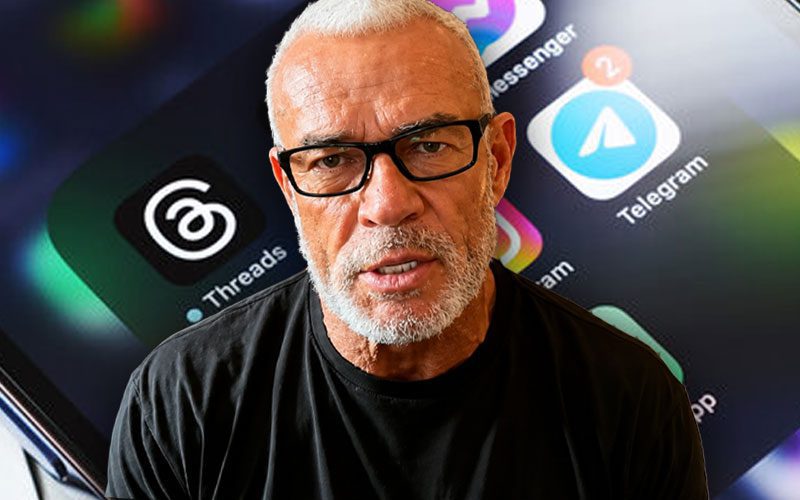
Eric Bischoff is back at it again, serving up his latest hot take like a bartender pouring cheap rail whiskey on a Tuesday. This time, he is pointing his finger at the social media echo chamber, claiming it has totally skewed our perception of how fans actually feel about Chris Jericho. The guy who basically invented the Monday Night Wars thinks the Twitter mob is a vocal minority that means absolutely nothing to the bottom line.
Is he wrong? Honestly, it depends on whether you value a trending hashtag over a sold-out gate. Bischoff argues that the relentless negativity found in the comments sections doesn't align with the reality of live attendance or television viewership. He seems to believe that the casual viewer isn't spending their time dissecting every Jericho segment for flaws, but is instead just along for the ride.
The Jericho problem is more than just bad tweets
Let's play devil's advocate for a second. If you look at the recent booking, the frustration people have with the creative direction isn't just about some guy with an anime profile picture complaining in the mentions. It is about years of shifting alliances, character refreshes that range from questionable to confusing, and the sheer fatigue of seeing the same veteran faces hogging the spotlight while younger talent waits for their moment.
As Eric Bischoff pointed out, the optics of these online arguments are often far divorced from the actual sentiment within the arena. But ignoring the noise entirely is a dangerous game for any promotion to play. If your product is consistently generating eye-rolls, eventually those people stop buying tickets, and the tweets become empty seats.
When the veteran act stops working
We saw this movie before with Hulk Hogan in the late nineties, and we are seeing a version of it now with Jericho. There is a point where a performer goes from being a draw to being a roadblock. Jericho is arguably one of the greatest to ever lace up a pair of boots, but when he is positioned in roles that feel stagnant, the audience notices. It is not about hating the man; it is about missing the magic that made him a legend in the first place.
Why the echo chamber actually matters
Bischoff needs to realize that social media is where the "smart fan" lives, and these are the people who pay for the merch, subscribe to the services, and keep the community alive. Dismissing them as loudmouths is a strategy that worked in 1996, but in 2026, those people are the ones steering the conversation. When they decide a character has run its course, that message eventually trickles down to the general audience, whether Bischoff likes it or not.
The booking reality check
If you look at the actual sentiment online, the core issue isn't a lack of respect for Jericho's career. It’s about the creative stagnation that defines far too many programs right now. We watch for the unpredictability, not for a rotating cast of reliable pros performing the same sequences they did three years ago.
I remember when I saw Jericho pull off a stellar Codebreaker into a Liontamer sequence that left me breathless. That guy still exists, but he is buried under layers of booking that feel less like prestige television and more like a never-ending house show circuit. If the creative team stops trying to satisfy the Twitter trolls and starts putting on compelling narratives again, all that noise would quiet down real fast.
The total apathy from the audience is a far worse fate than having them complain about your booking decisions. A wrestling fan who is screaming at you is still engaged. A wrestling fan who changes the channel to watch a cooking show is gone for good. Bischoff should worry less about the tweets and more about why the hunger for something fresh has been replaced by a quiet, polite disinterest.