The blurring lines at public appearances
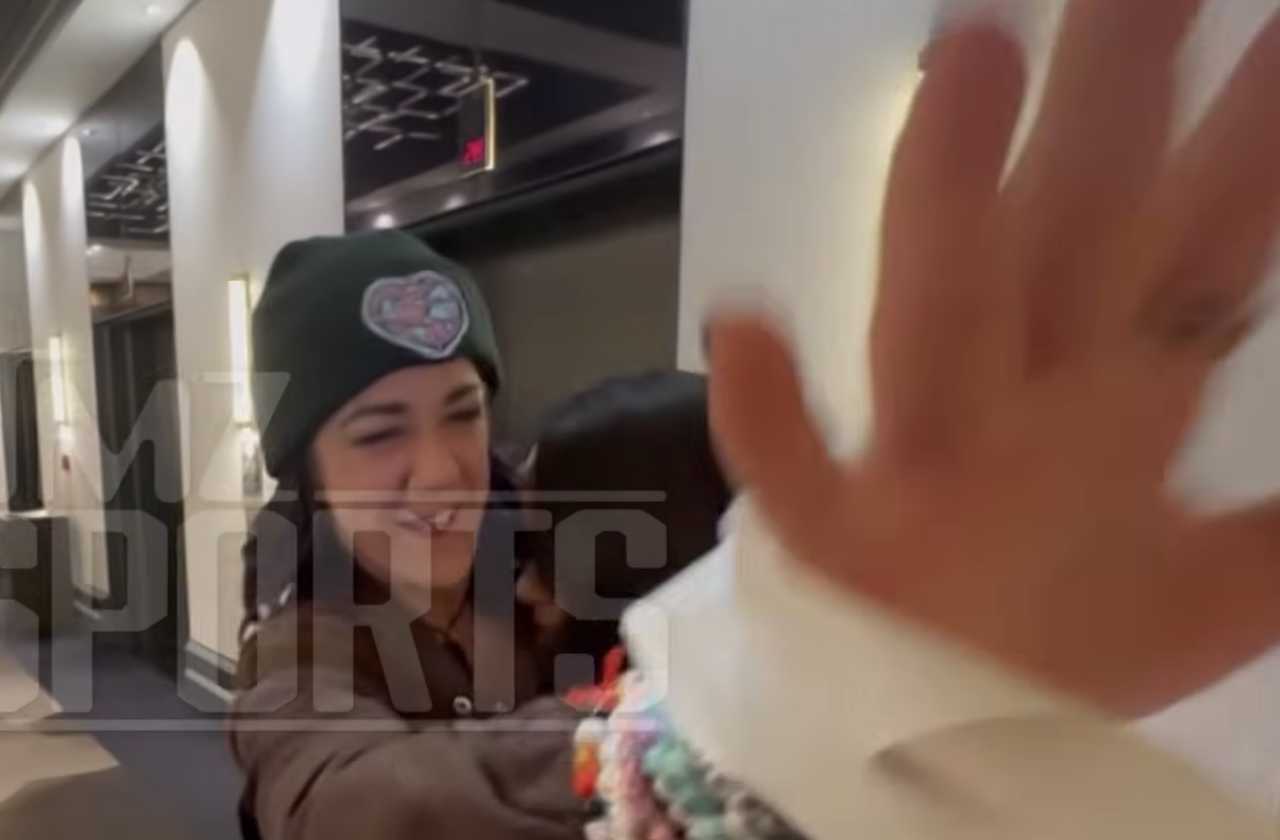
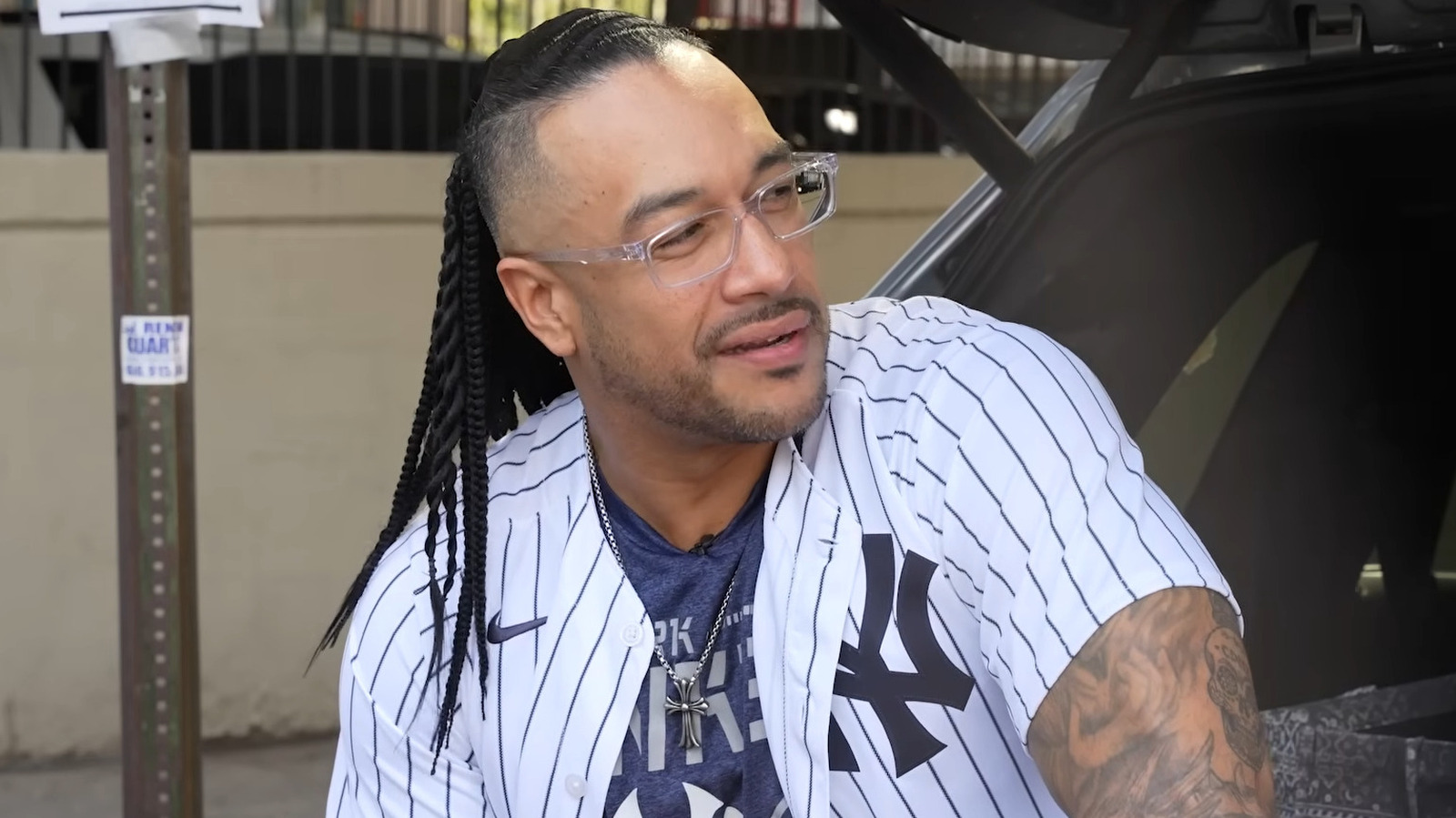
Devon Dudley is moving beyond his storied career with the Dudley Boyz to address a mounting concern: the safety and conduct of wrestling fans at public events. Following a high-profile incident involving Elayna Black at WrestleCon, the veteran has issued a stark warning. The physical and emotional boundaries once respected by the industry are eroding, and the current frequency of these interactions is unsustainable.
Dudley’s perspective carries weight because he remains active in the public eye. His recent calls for better discipline at conventions highlight a fear that talent may soon stop attending these events entirely. The days of casual, comfortable meet-and-greets appear to be ending. This is not just a plea for better manners; it is a defensive reflex from talent who feel increasingly exposed in public spaces.
The evolution of fan entitlement
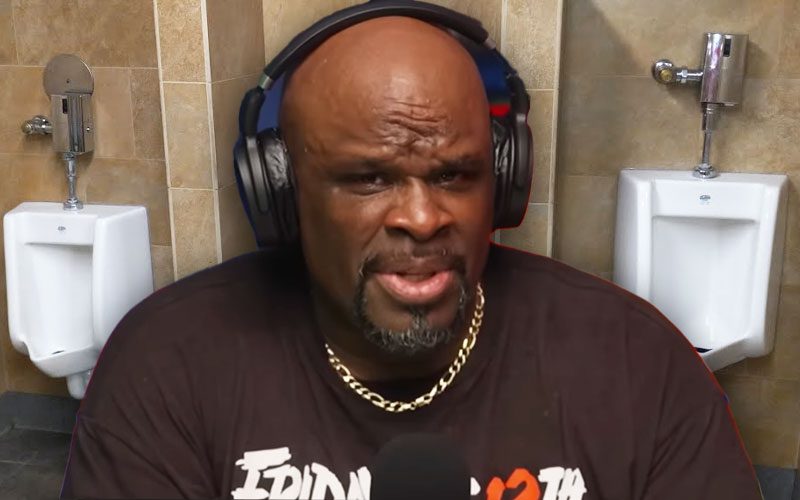
Fan culture is shifting toward an assumption of total access. The industry has encouraged this parasocial closeness for decades, but the digital age has accelerated it into something more aggressive. Dudley’s recent account of an uncomfortable bathroom encounter serves as a reminder that some fans no longer recognize personal breaks, even when human necessity dictates them.
This entitlement creates a hostile environment for performers. When a fan breaches a private space—the restroom, the green room, or the hotel lobby—they shatter the professional distance required for wrestlers to function. Performers spend most of their time in a state of physical recovery; they are not vending machines for selfies or autographs. This aggressive overreach is a booking risk, as one injured wrestler from an overzealous fan interaction can disrupt a promotion’s entire creative momentum.
Risk management for the major promotions
Promotions like WWE and AEW utilize these conventions for branding, but the liability is ballooning. During major events, such as the recent search for a missing fan in Las Vegas, the intersection of event security and personal safety becomes vital. Organizations are learning that they are responsible for the environment surrounding their brand.
The current lack of universal protocols is a glaring flaw in the business model. While security guards are standard at the ring entrance, the transit between the locker room and the parking lot is often a chaotic gauntlet. Without stricter enforcement of boundaries, promotions face the prospect of stars opting out of public appearances altogether. If the talent doesn't feel safe, they will simply choose to stay behind closed doors.
The impact on future talent management
The solution is not just better security. It is a fundamental shift in how conventions market their access. Fans need to understand that the wrestlers are employees, not public property. If the culture doesn't correct itself, we will likely see a drastic reduction in the type of “fan-friendly” events that defined the 2010s. The industry is currently at a 30 percent threshold of high-interest conventions where talent is reportedly refusing to engage outside of paid booth scenarios.
Creative direction in 2026 demands that wrestlers look approachable for marketing purposes, but that creates a paradox. You cannot sell a performer as a larger-than-life figure while simultaneously stripping away the physical distance that makes them look like superstars. When a fan approaches a wrestler in a bathroom, that aura of being a star vanishes. It turns the professional wrestler back into a vulnerable human, damaging the illusion that the company spent millions to create.
Future bookings will need to reflect these risks. Do not be surprised if upcoming event contracts include iron-clad clauses regarding fan interactions. Security will likely phase out the open-access models of the past decade. If, by the time of the next major stadium show, wrestlers are shielded by private security teams at all times, this current trend of “fan access” will effectively be dead, and the business will be safer for it.