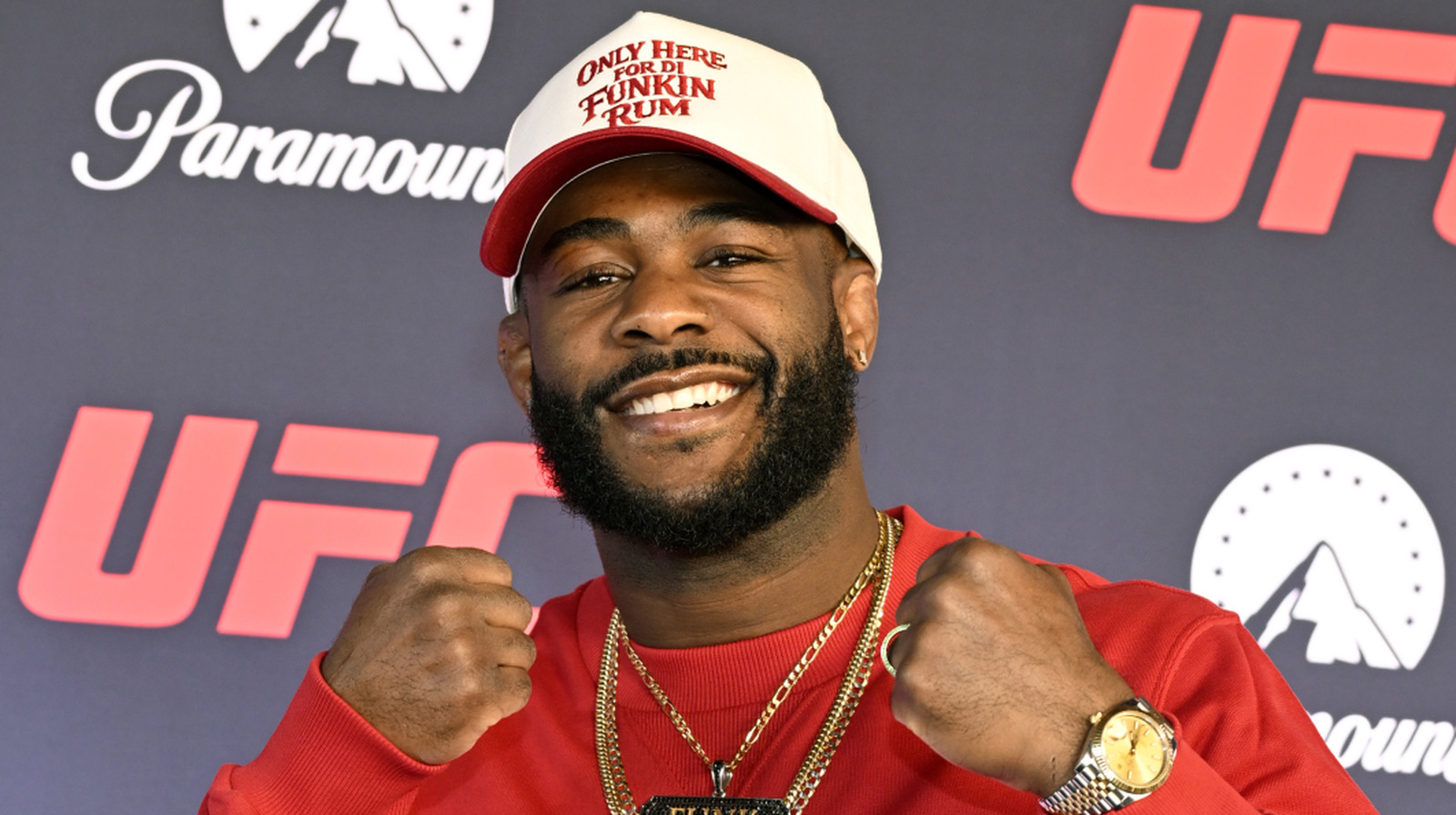
The Funk Master needs a new game plan fast
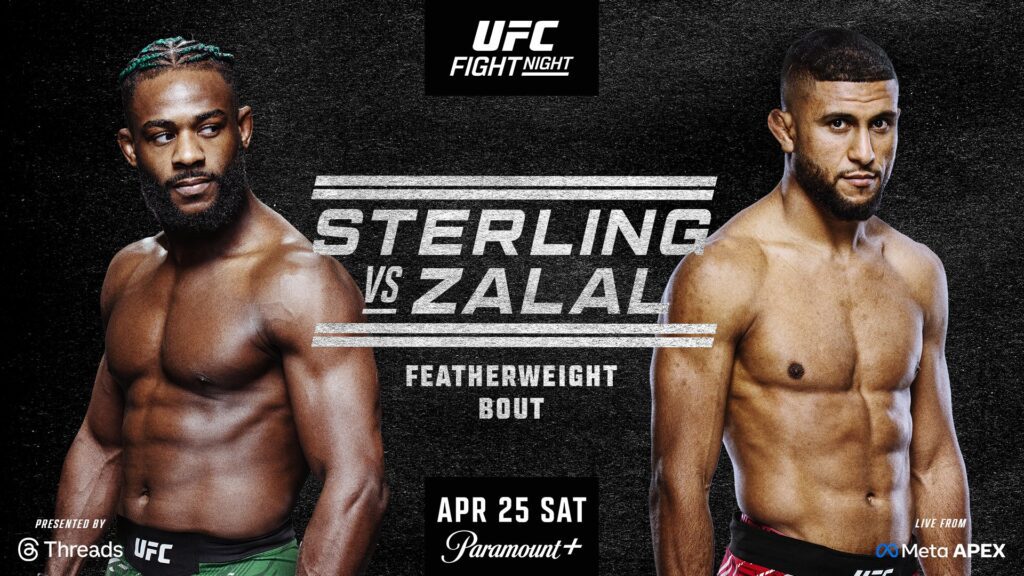
Watching Aljamain Sterling step into the cage at UFC Fight Night 274 to face Slim Trabelsi—wait, scrap that, the Zalal matchup everyone was clamoring for—was like watching a guy try to parallel park a Ferrari in a broom closet. Sterling entered this fight needing a statement, not just a win. Instead, we got a performance that felt like a lukewarm bowl of oatmeal on a Tuesday morning. The grappling exchanges were technically sound, sure, but where was the killer instinct? We are talking about a former champion who should be headlining pay-per-views, not fighting for airtime on a card that felt like it was organized by a committee to fill a void in the calendar.
Zalal came in hungry, looking to treat Sterling like a stepping stone to a top-15 ranking. Credit where it is due, the kid has heart. He defended the double-leg entry with a composure that actually rattled Sterling in the early minutes. This is exactly what the division needed—a shake-up—but that doesn't mean the execution was pretty. Sterling spent too much time hunting for deep half-guards that were never going to materialize. Watching a high-level grappler get caught in a tactical loop is painful for those of us who remember his absolute masterclass performances in previous outings.
The UFC pacing problem is real and it is frustrating
Let's talk about the production value, or lack thereof. The pacing of these Fight Night cards is starting to feel like a marathon you never signed up for. Between the filler interviews and the dead air between rounds, the tension dissipates faster than a wrestler's heat after a three-month losing streak. By the time the third round of the main event rolled around, you could see the boredom creeping into the crowd's energy. It is time for Dana and the team to stop treating these events like a cable television slot that needs to be filled and start treating them like a sporting competition. If you want us to pay for the privilege of watching these guys bleed, give us an atmosphere that doesn't feel like a waiting room at the DMV.
As Jim Ross recently lamented in his own critique of event staging, the lack of organization in these big-ticket weekends trickles down, making the fans feel like an afterthought. That same energy is bleeding into the cage. Fighters like Sterling seem to be coasting on name value, and the booking feels stagnant. This isn't just about one bad fight; it is about a promotion that relies on the star power of names like Sterling while ignoring the fact that those stars are currently lacking direction. If the goal was to build momentum toward the summer schedule, this event was a screeching halt.
History isn't on the side of this kind of product
Compare this to the electric atmosphere of the April 24 episode of SmackDown, where the chaos actually felt curated and intentional. Wrestling knows how to lean into the drama, even when the booking is messy, because they understand that the audience wants a narrative. The UFC is currently trying to exist in this vacuum where they pretend the stats matter more than the story, but when the stats are as sluggish as they were in the Zalal fight, you end up with a product that satisfies nobody. The striking differential was minimal, and the clinches were stagnant affairs that did little more than burn the clock.
Sterling is at a crossroads where he has to decide if he wants to be a highlight-reel machine or a guy who grinds out decisions until his contract runs out. The 30-27 scoreline for some judges was generous enough to make a blind man blush. If the promotion wants to reach the highs they saw before the World Cup takeover cycle begins with the 2026 World Cup kickoff this June 11th, they need to stop booking "safe" fights. We want reckless abandon and technical warfare, not a strategic standoff that leaves us checking our watches. The UFC roster is deeper than it has ever been, but this card proved that sheer volume of talent does not equate to a quality product.