
Eddie Hearn is right to be furious about the state of UFC fighter pay

The cold reality of the octagon
In the high-stakes world of combat sports, the divide between the boardroom and the canvas has rarely been as stark as it is today. When Eddie Hearn, the titan of boxing promotion, recently caught a glimpse of the financial terms surrounding Tom Aspinall’s UFC contract, his reaction wasn't just professional indignation—it was a visceral, public condemnation. For those of us who have spent years tracking the economics of the fight game, this outburst feels like a watershed moment.
We have long been told that the UFC operates under a unique business model, one that prioritizes the brand above the individual. But when you look at the compensation for an interim heavyweight champion—a man who represents the absolute pinnacle of human combat—the math simply stops making sense. Hearn, accustomed to the bloated, often excessive purses of the boxing world, looked at the Aspinall deal and saw not just a lowball offer, but an insult to the athlete's market value.
The boxing vs. MMA pay gap
The core of the argument isn't just about the dollar amount; it’s about the structural disparity in how fighters are treated. In boxing, a fighter with Aspinall’s profile, charisma, and championship pedigree would be a centerpiece attraction, likely commanding a seven-figure payday for a standard title defense. In the UFC, the ceiling is artificially lowered by a system that refuses to share a significant percentage of revenue with the talent.
The reality is that these fighters are the product, the marketing team, and the infrastructure all rolled into one. Without them, the octagon is just a cage in an empty room.
Hearn’s critique hits on a sensitive nerve. He argues that the UFC has successfully convinced the public—and perhaps even the fighters themselves—that they are part of a 'prestige' ecosystem that justifies lower pay. It is a brilliant, if predatory, marketing strategy. By positioning the UFC as the only path to legitimate greatness, they effectively eliminate the leverage that would otherwise force them to pay fair market rates.
Is Aspinall the catalyst for change?
Tom Aspinall finds himself in a fascinating, albeit difficult, position. He is undeniably one of the most talented heavyweights on the planet, possessing a technical grappling game that has left seasoned veterans looking like amateurs. Yet, his public profile is tethered to a promotion that seems reluctant to elevate him to the stratosphere of global superstardom he clearly deserves.
If we look at the trajectory of his career, we see a fighter who has cleared every hurdle placed in front of him. When he stepped into the cage against Sergei Pavlovich, he didn't just win; he dismantled a terrifying opponent in the blink of an eye. That level of performance should be worth a premium. Instead, the UFC machine continues to grind on, treating such brilliance as a commodity rather than a marquee asset.
The influence of the matchmaker
- Visibility: The UFC provides unparalleled exposure, but at what cost to the fighter's long-term financial health?
- Leverage: Boxing promoters compete for talent, whereas the UFC holds a near-monopoly on high-level MMA.
- Longevity: MMA careers are notoriously short, making the need for high-impact earnings even more critical.
- Precedent: If a champion like Aspinall cannot command elite pay, what hope is there for the rest of the roster?
- Public Sentiment: Fans are becoming increasingly aware of the pay gap, creating a potential PR nightmare for the promotion.
The broader implications for the sport
This isn't just about one contract. It’s about the future of how we view professional fighters. If the UFC continues to suppress wages while raking in record-breaking revenue, they risk losing their best talent to boxing—a sport that, for all its flaws, understands the value of a superstar. We have already seen the trend of crossovers, and if the pay discrepancy becomes too wide, the migration will only accelerate.
Eddie Hearn knows this better than anyone. He isn't just defending Aspinall; he is positioning boxing as the more lucrative, more respectful home for elite combatants. By highlighting the Aspinall contract, he is effectively signaling to every fighter on the UFC roster that their labor is worth more than they are being told. It is a masterclass in promotion, and it puts the UFC on the defensive in a way they aren't used to.
Final thoughts on the fight for fair pay
As we look toward the next major pay-per-view, the conversation has shifted. It is no longer just about who wins or loses in the cage. It is about the legitimacy of the institution itself. Can the UFC maintain its dominance while keeping its most valuable assets underpaid? Or will the voices of industry veterans like Hearn finally break the silence and force a fundamental shift in how the sport operates?
The fans deserve to see the best fighters, but they also deserve to know that the people they cheer for are being compensated for the risks they take every single time they walk to the cage. Tom Aspinall is a champion in the truest sense of the word. It is time for his paycheck to reflect that reality, rather than the restrictive, outdated constraints of a promotion that seems to have forgotten who truly makes the sport go round.
Mueller Sports Medicine Self-Adjusting Knee Stabilizer
Essential gear for the backyard superstar or gym warrior.
Frequently Asked Questions
Why is Eddie Hearn criticizing UFC fighter pay?
How does boxing pay compare to UFC compensation?
What is the UFC's strategy regarding fighter leverage?
Why does the author consider Tom Aspinall an undervalued asset?
What is the core structural issue in UFC fighter compensation?
More Coverage

John Cena is just trolling us now at Fanatics Fest
15 hours ago
Why the middleweight rematch at PFL Austin comes down to small tactical margins
18 hours ago
Colby Covington in a wrestling ring is a disaster waiting to happen
4 days, 4 hours ago
Conor McGregor’s career at a crossroads after UFC 329 injury
5 days, 13 hours ago
Conor McGregor facing surgery after UFC 329 comeback disaster
5 days, 15 hours ago
Conor McGregor faces surgery after disastrous UFC 329 return
5 days, 15 hours agoMore Match Reports

Eddie Hearn is right about the UFC's pay structure
3 months, 3 weeks ago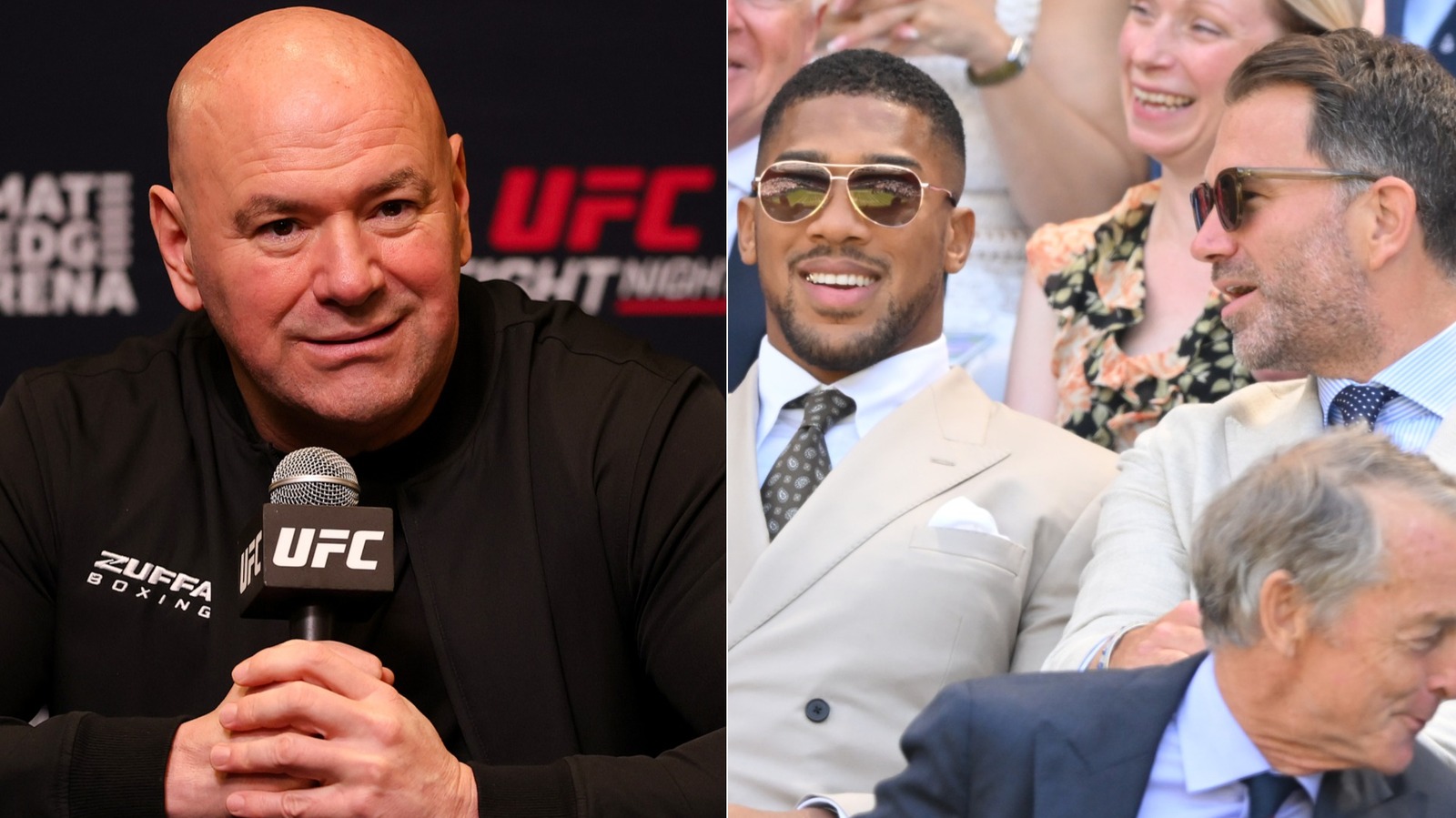
Eddie Hearn is playing a dangerous game with the UFC
3 months ago
Eddie Hearn is playing hardball with Tom Aspinall's UFC future
1 month, 1 week ago
Dana White vs. Eddie Hearn: The worst beef in combat sports just got louder
1 month, 1 week ago
Why Tom Aspinall is fighting the UFC and Michael Bisping at the same time
2 weeks, 4 days ago