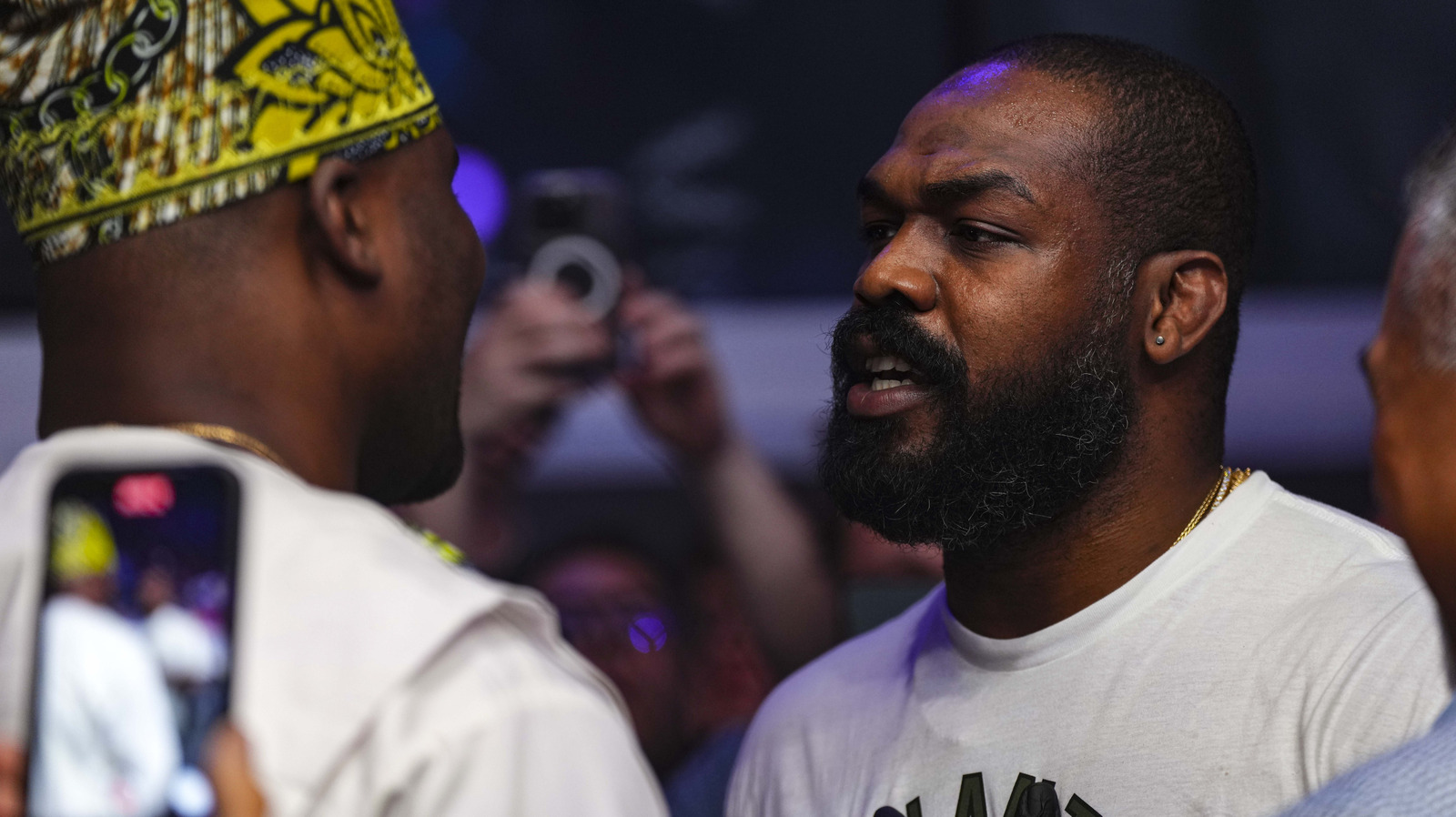
Jon Jones is playing the leverage game and the UFC is finally flinching
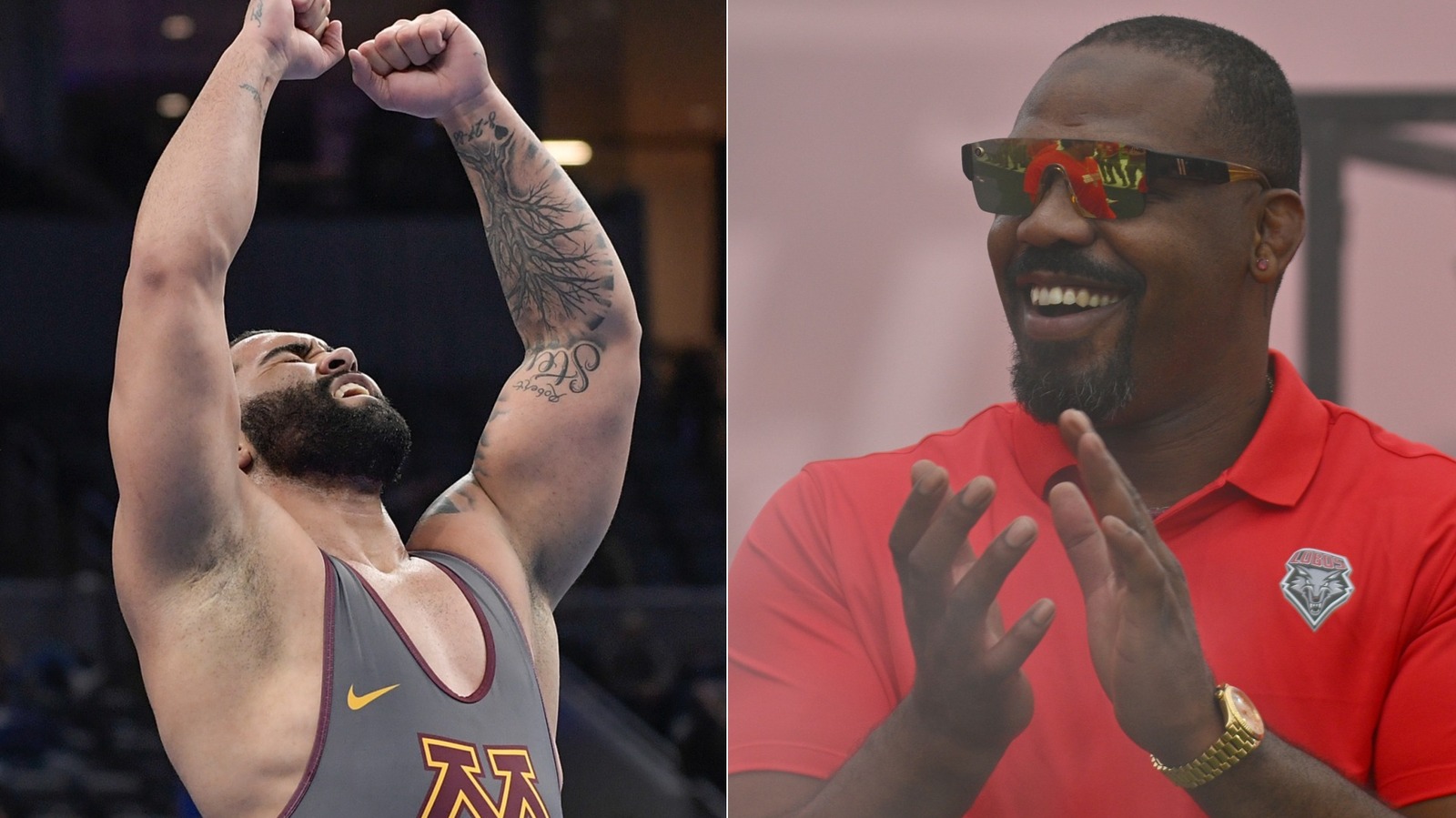
The White House sized hole in the UFC schedule
If you thought the most chaotic thing happening at the White House this week was the guest list, you clearly haven't been following the negotiation tactics of one Jonathan Dwight Jones. The undisputed heavyweight champion and undisputed king of making Dana White reach for the blood pressure medication has officially passed on the Alex Pereira fight. It wasn't because of a thumb injury or a scheduling conflict with his favorite Albuquerque nightspots. It was about the check.
Jones isn't just a fighter anymore; he’s a legacy brand that knows exactly what he’s worth on the open market. When the UFC tried to slide a contract across the table for a superfight with 'Poatan' on the most unique stage in combat sports history, Jones didn't just say no. He basically told them they were short-changing the greatest martial artist to ever walk the planet. As Wrestling Inc reported, Jones made it crystal clear that 'our fight was worth more' than what was being offered.
This isn't a new dance for Bones, but the stakes feel higher when you're talking about a heavyweight title. We’ve seen him sit out for three years over money before, and he seems perfectly content to do it again if the zeros don't align. Pereira is the most terrifying man in the sport right now, a guy who knocks people out with a left hook that looks like he’s just swatting a fly. Jones knows that risk requires a premium payout, and he’s not moving an inch until he gets it.
The mentor role and the Gable Steveson factor
While the UFC brass is busy doing math in Vegas, Jones has shifted his focus toward building the next generation of heavyweights. Specifically, he’s taken Olympic gold medalist Gable Steveson under his wing in a move that feels like a passing of the torch. Steveson is the ultimate athletic anomaly, a guy who dominated the amateur wrestling world and is now trying to find his footing in the brutal reality of professional fighting.
Jones has been vocal about this partnership, treating the young prospect more like a younger brother than just a training partner. He recently stated that he is going to give that young man his best as they work together in the gym. It’s a fascinating pivot for a guy who has spent most of his career being the villain of the story. Now, he’s the elder statesman, the sensei at the top of the mountain deciding who gets the secret techniques.
But let’s be real for a second. There is a cynical side to this mentorship that we can't ignore. By attaching himself to the hottest heavyweight prospect in the world, Jones keeps his name in the conversation without actually having to step into the Octagon and get punched in the face. It’s a genius PR move. He gets to look like the supportive veteran while simultaneously reminding everyone that even an Olympic gold medalist needs his help to survive at this level.
Why the Pereira fight is the only one that matters
The heavyweight division is currently a mess of interim titles and 'what-if' scenarios. Tom Aspinall is out there looking like a human buzzsaw, but Jones treats him like a nuisance rather than a threat. The fight the world actually wants is Pereira. It’s the striker versus the grappler, the two-division champion versus the GOAT. It’s the kind of fight that defines an era, and Jones knows he holds all the cards in that negotiation.
If the UFC wanted this fight at the White House, they should have opened the vault. You don't get the biggest star in the history of the company to take on a stone-faced killer from Brazil for a standard pay-per-view points deal. Jones is looking for that 20 million dollar payday, or at least something close to it. He’s seen the boxing checks being cut for guys like Francis Ngannou and he wants his piece of the pie.
The irony is that while Jones waits for his price to be met, the fans are the ones losing out. We are watching the twilight of his career happen in gym clips and Twitter threads instead of under the bright lights. It’s the classic Jon Jones experience: brilliant, frustrating, and entirely on his own terms. He isn't worried about the critics calling him a 'duck' because he knows that the moment he signs that contract, everyone will be right back on the hype train.
The risk of the long layoff
The biggest enemy Jon Jones faces isn't Alex Pereira or Tom Aspinall—it’s the calendar. He is 37 years old with a body that has been through countless wars and at least one major pectoral tear. Every month he spends haggling over a million dollars here or there is a month of his prime he can never get back. Ring rust is a real thing, even for a guy who makes elite fighters look like amateurs.
We saw it in the Ciryl Gane fight; Jones looked a bit slower, a bit more methodical. He won that fight in the 124th second because he’s a genius, not because he was the faster athlete. Against a guy like Pereira, who only needs one clean shot to end your consciousness, being half a step slow is a death sentence. Jones is betting that his skill set can overcome any amount of inactivity, but that’s a dangerous gamble when your opponent is active and hungry.
The UFC is also in a tough spot because they’ve built their recent marketing around Pereira's willingness to fight anyone, anywhere, on short notice. He’s the anti-Jones in that regard. By refusing the fight, Jones isn't just hurting his own bank account; he’s stalling the momentum of the entire heavyweight class. It’s a stalemate that only ends when someone blinks, and usually, Dana White doesn't like to be the one who blinks first.
Final thoughts on the heavyweight landscape
Ultimately, Jon Jones is doing what every elite athlete should do: maximizing his earnings before the wheels fall off. We can complain about the lack of activity all we want, but he owes us nothing. He’s already cleared out two generations of light heavyweights and captured the heavyweight throne. If he wants to sit on his porch and train Gable Steveson until the UFC realizes they need him more than he needs them, that’s his prerogative.
The Gable Steveson experiment will be the true test of Jones's legacy as a mentor. If Steveson turns into a monster under Jones's tutelage, it adds a new chapter to the Bones mythos. If Steveson flops, it will just be another footnote in the complicated history of MMA prospects. Either way, Jones stays at the center of the universe. He’s the sun that everything else in the UFC orbits around, and right now, the forecast is calling for a long, expensive summer.
We might not get the White House superfight, and we might have to wait until the end of 2026 to see him again. But when Jon Jones finally does walk back into that cage, the world will stop and watch. That is the power of being the best to ever do it. You don't have to play by the rules when you're the one who wrote them. Jones is just waiting for the right number to be called, and until then, we’re all just spectators in his waiting room.
Ringside Collectibles WWE Championship Replica Side Plate Box Set
Customizable side plates to make your replica belt feel truly yours.
Frequently Asked Questions
Why did Jon Jones decline the fight against Alex Pereira?
What is the nature of Jon Jones' relationship with Gable Steveson?
How does mentoring Gable Steveson serve Jon Jones' interests?
What is Jon Jones' stance on UFC contract negotiations?
Why does Jon Jones view Alex Pereira as a high-risk opponent?
More Coverage

John Cena is just trolling us now at Fanatics Fest
15 hours ago
Colby Covington in a wrestling ring is a disaster waiting to happen
4 days, 3 hours ago
Conor McGregor’s career at a crossroads after UFC 329 injury
5 days, 13 hours ago
Conor McGregor facing surgery after UFC 329 comeback disaster
5 days, 15 hours ago
Conor McGregor faces surgery after disastrous UFC 329 return
5 days, 15 hours ago
Conor McGregor's UFC 329 knee injury marks a grim reality check
5 days, 21 hours agoMore Match Reports

Jon Jones is watching the heavyweight division rearrange itself
1 month ago
Jon Jones is using Francis Ngannou to build a cage the UFC cannot escape
3 months, 3 weeks ago
Jon Jones is picking everyone's fights except his own
2 weeks, 4 days ago
Jon Jones is finally done and the UFC heavyweight division can breathe
3 months, 1 week ago
Gable Steveson's Jon Jones alliance is a disaster waiting to happen
3 months, 1 week ago