The illusion of the perfect mentor
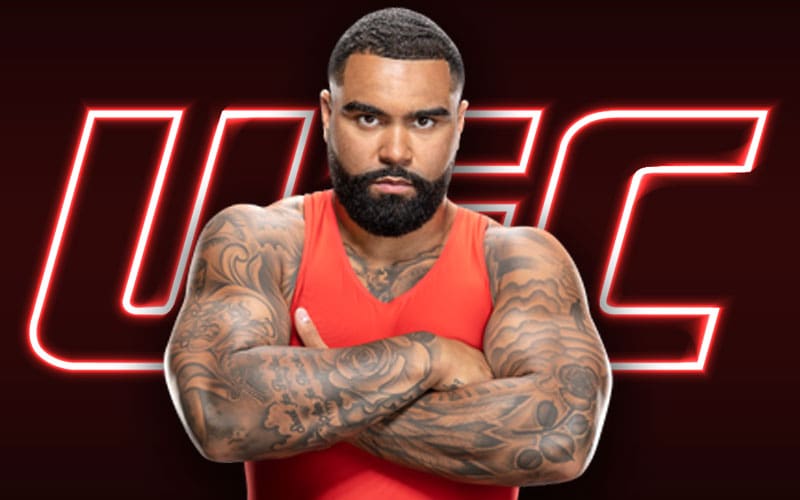
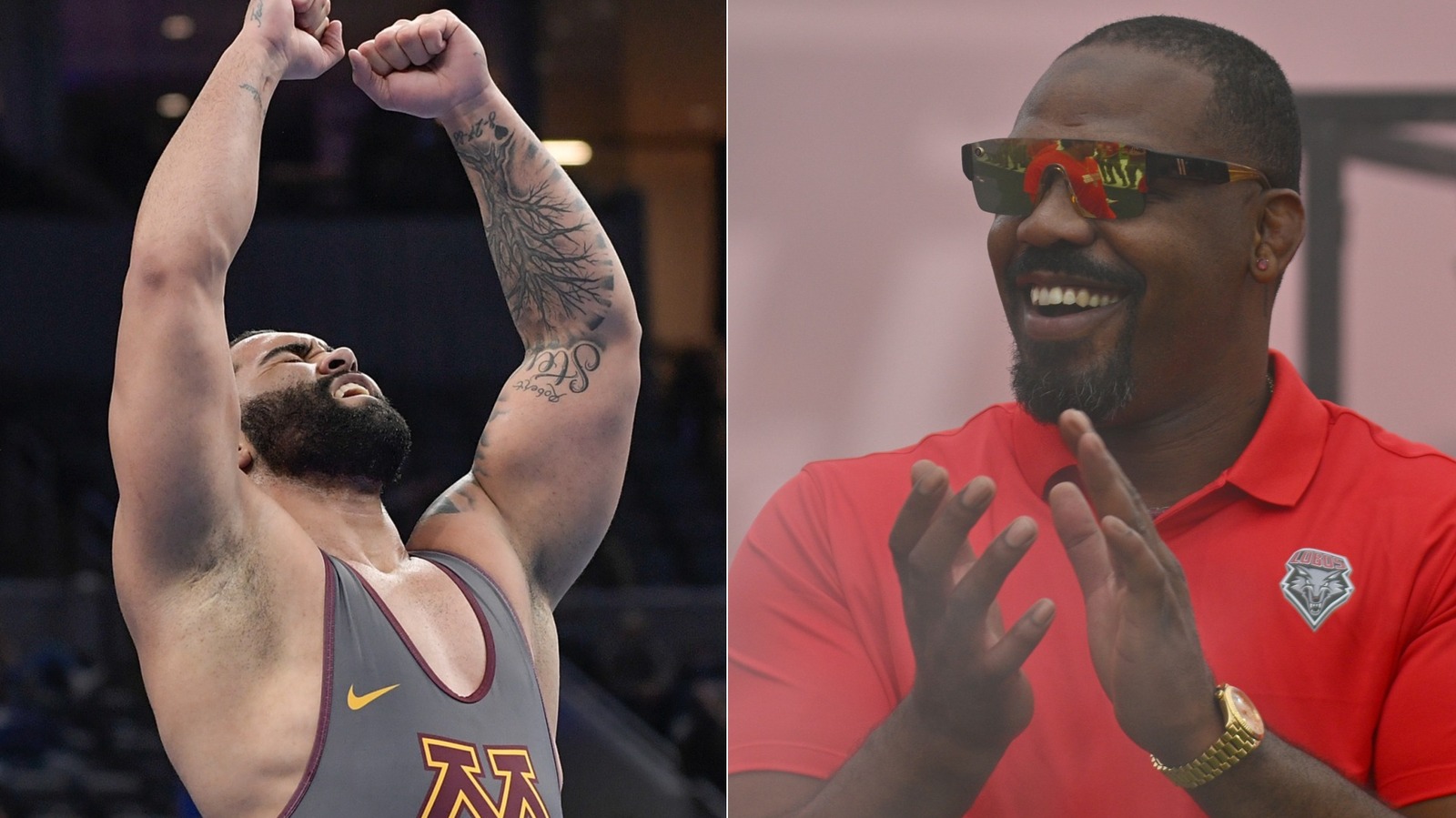
Gable Steveson needs a lifeline. Following a disastrously mismanaged stint in WWE that culminated in his unceremonious release, the Olympic gold medalist is attempting to pivot to mixed martial arts. Vince McMahon threw a mountain of money at Steveson immediately after the Tokyo Olympics. The plan was to hot-shot him straight to the main roster, bypassing the grueling NXT developmental circuit. It was a spectacular failure. Steveson appeared at WrestleMania 38, delivered an awkward suplex to Chad Gable, and then effectively vanished.
When he finally debuted in NXT years later against Baron Corbin, the Orlando crowd ruthlessly booed him out of the building. Pro wrestling requires vulnerability and a genuine connection with the audience. Steveson showed neither. He looked stiff, rehearsed, and deeply uncomfortable in his own skin. Now he is attempting to salvage his athletic prime in the cage. It is a brutal sport for late adopters, even those with Olympic hardware. For every Henry Cejudo who successfully adapts his gold-medal wrestling to world-championship MMA, there are a dozen highly touted prospects who get knocked out in regional promotions because they cannot handle getting punched in the face.
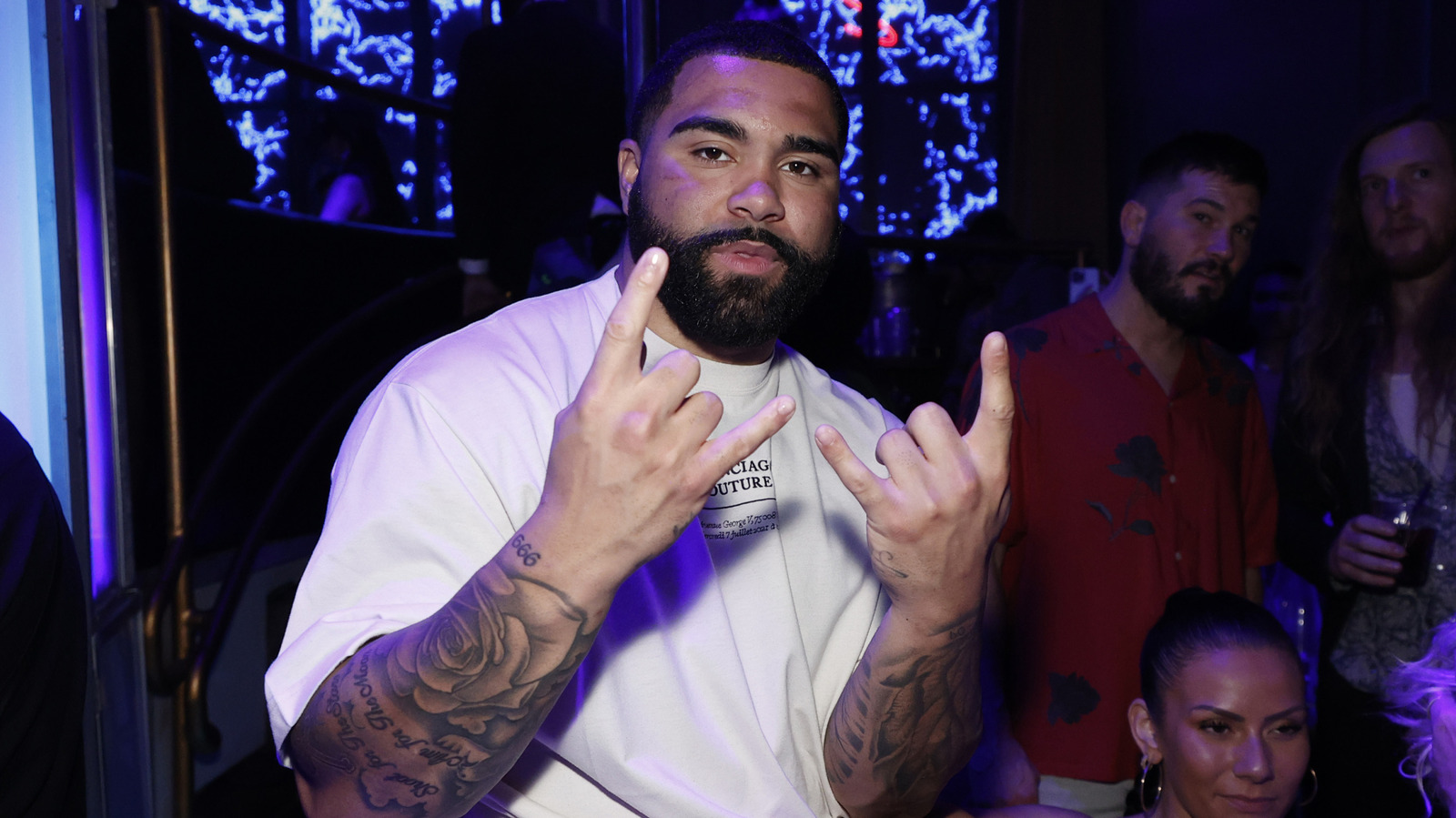
Steveson is stepping into a shark tank, and he is choosing to swim alongside the most unpredictable Great White in the ocean. Speaking to the media recently, Steveson lifted the lid on his new training partnership with former UFC Light Heavyweight and Heavyweight Champion Jon Jones. He called the arrangement "perfect." It is a word that suggests stability, alignment, and a clear path forward. Anyone who has followed Jon Jones for the last decade knows that perfection is the last word you associate with his life outside the Octagon.
The timing of Steveson's glowing endorsement could not have been more ironic. Within days of the interview publishing, Jones was caught in an apparent road rage incident over the weekend. It is a depressingly familiar headline for the consensus greatest fighter of all time. Jones immediately went on the defensive, claiming absolutely no wrongdoing in the altercation. Whether he is legally at fault or not, the incident highlights the exact reason why tying your developmental years to Jon Jones is a massive gamble.
Tactical translation versus behavioral baggage
If we look strictly at what happens on the mats, Steveson learning from Jones makes undeniable sense. Steveson is a freestyle wrestler. He relies on explosive double-legs, ankle picks, and sheer physical dominance. But pure freestyle wrestling leaves you vulnerable in MMA. The upright stance invites leg kicks, and shooting naked takedowns against high-level strikers is a recipe for catching a knee on the chin. Ben Askren learned that lesson the hard way in 5 seconds against Jorge Masvidal.
Jones, despite only having a junior college wrestling background, adapted his grappling for MMA better than anyone in history. He uses Greco-Roman upper-body locks against the cage, trips from the clinch, and vicious elbows on the ground to break opponents. He understands how to set up takedowns with striking, rather than forcing them. Consider how Jones dismantled Ciryl Gane. He backed Gane up, used his length to force a reaction, and secured a body lock against the fence. From there, it was a simple trip, a quick transition to the back, and a guillotine choke. It took exactly 124 seconds.
That is the kind of transitional grappling Steveson needs to learn. Steveson is used to matches where grabbing the legs is the primary objective. In MMA, the primary objective is damage, and grappling is simply the vehicle to deliver it or force a submission. Steveson has a habit of leaving his neck exposed during scrambles—a fatal flaw against elite black belts. If Steveson can absorb even twenty percent of Jones's cage-wrestling IQ, he will be a nightmare for any heavyweight outside the top ten.
But fighting is not just about learning techniques in a vacuum. It requires a stable camp, consistent coaching, and an environment free of unnecessary distractions. Jackson-Wink, or wherever Jones currently sets up his private training sessions, revolves entirely around the whims of Jon Jones. When Jones is focused, the room hums. When Jones is dealing with police, court dates, or internet feuds, the room fractures.
The cost of chaos
Steveson is essentially an MMA infant. He needs a coach who is going to hold his hand through the grueling process of learning how to take a punch, how to check a calf kick, and how to defend a basic guillotine choke. He needs repetition and boring, methodical drill work. Jon Jones is not a patient man. He is a savant who often struggles to explain why he does what he does—he just does it.
"He's perfect."
That quote from Steveson feels naive. It feels like the words of a 25-year-old kid who is starstruck by sharing mat space with a legend. It ignores the reality that Jones has derailed his own career multiple times with hit-and-runs, failed drug tests, and domestic violence arrests. A road rage incident in April 2026 is just another Tuesday in the Jon Jones experience. For Steveson, who is already fighting an uphill battle against public perception after his WWE flop, associating with that kind of chronic instability is tactical malpractice.
The inevitable distraction
Let's examine the timeline. We are sitting here in early April, just weeks away from major combat sports events. The UFC heavyweight division is a logjam. Jones is likely preparing for whatever his next move is, whether that is a final defense or another prolonged standoff with Dana White over money. His priority is always Jon Jones.
Where does a novice heavyweight fit into that schedule? The reality is that Steveson is likely serving as a high-level grappling dummy for Jones. He is a warm body who can push Jones in the wrestling scrambles, ensuring the champion stays sharp. In return, Steveson gets to say he trains with the best. It is a transactional relationship disguised as mentorship.
The moment Steveson needs serious, dedicated attention for a fight camp of his own, he will find out how shallow this partnership really is. If his fight week coincides with Jones having to fly to Vegas for a meeting, or worse, dealing with the fallout of another street altercation, Steveson will be left to navigate the murky waters of regional MMA entirely on his own.
The prediction: A quiet uncoupling
We have to make a call on where this goes. The sport of mixed martial arts is unforgiving. You cannot half-step your way into the cage, especially at heavyweight where a single four-ounce glove connects and turns the lights out. Steveson has the physical tools, but his decision-making outside the cage remains highly suspect.
My prediction is definitive. This partnership will not survive to see Gable Steveson's major promotional debut. By the time Steveson actually secures a fight in a secondary promotion—likely something like PFL or a high-level regional show by late 2026—Jones will be completely detached from his camp. The current road rage incident is just a symptom of the larger disease. Jones is entirely incapable of maintaining a quiet, drama-free existence. The noise will eventually become too loud for Steveson's management to ignore.
Within 18 months, Steveson will quietly relocate his training camps to a more structured environment. He will likely end up at American Top Team or Kill Cliff FC, where he can blend into a room of killers rather than serving as the understudy to a walking PR disaster. The "perfect" mentor will become just another footnote in Steveson's strange, stumbling transition from Olympic gold to professional prizefighting.