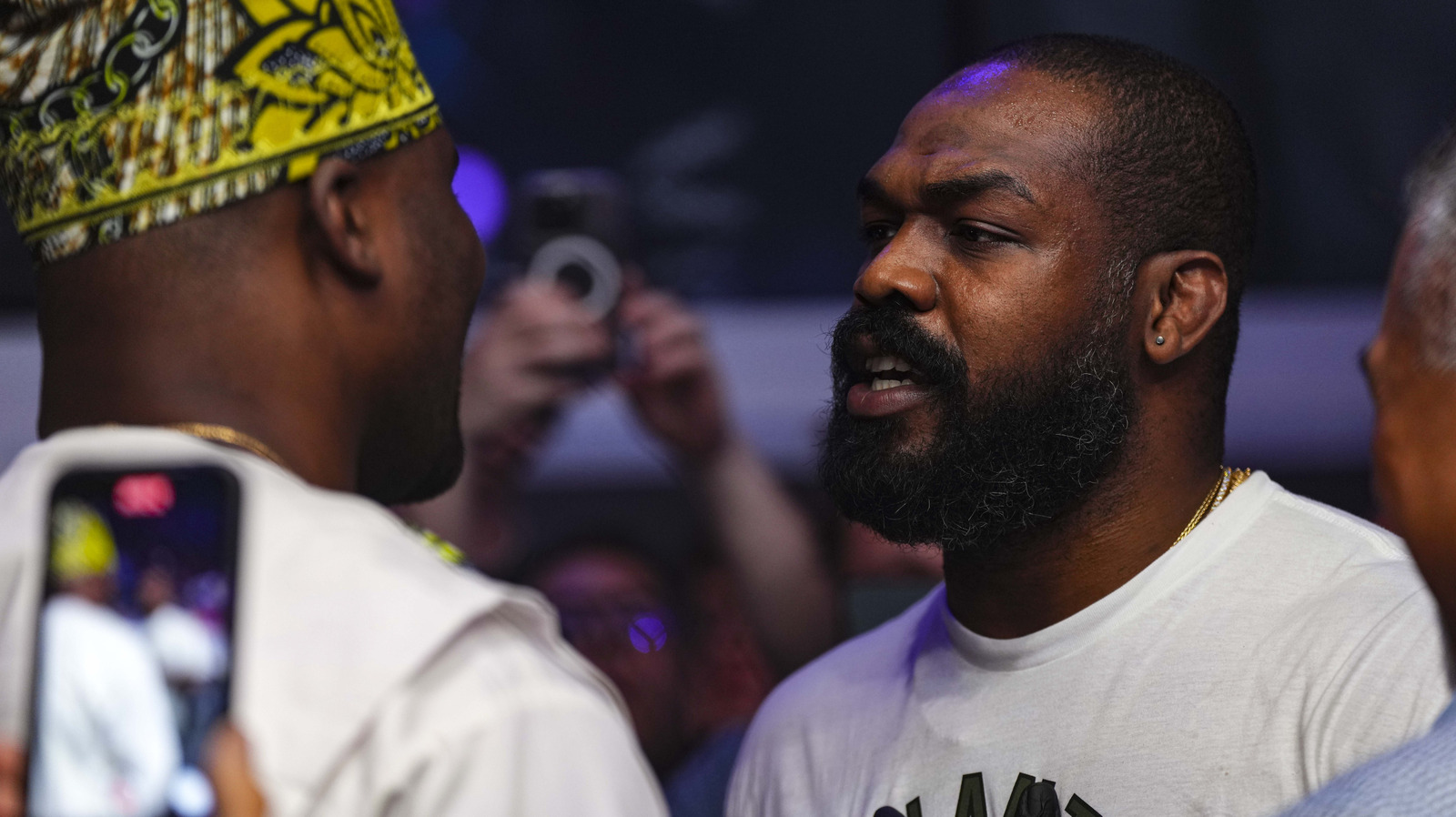
The hunter becomes the hunted in the boardroom
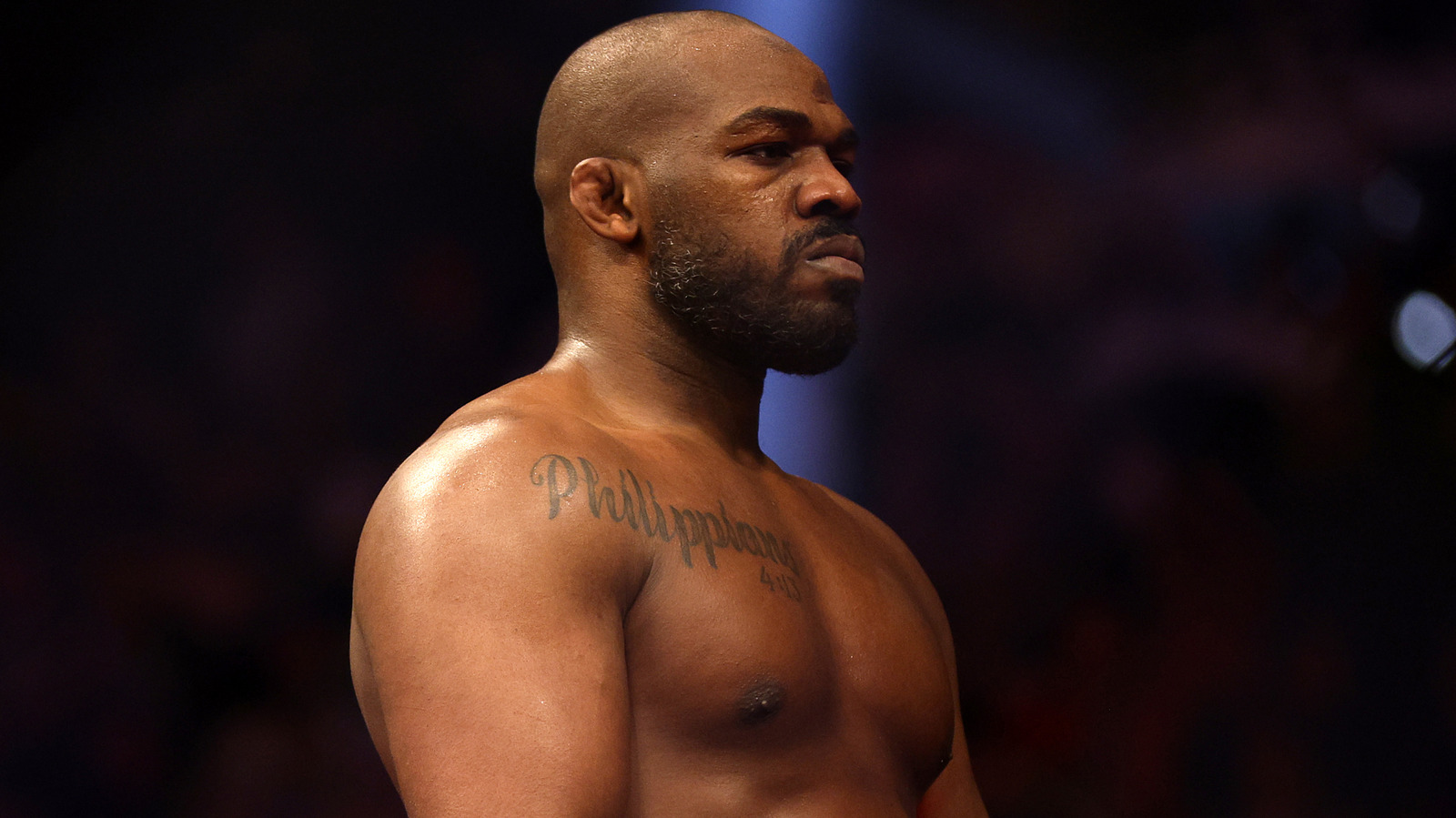
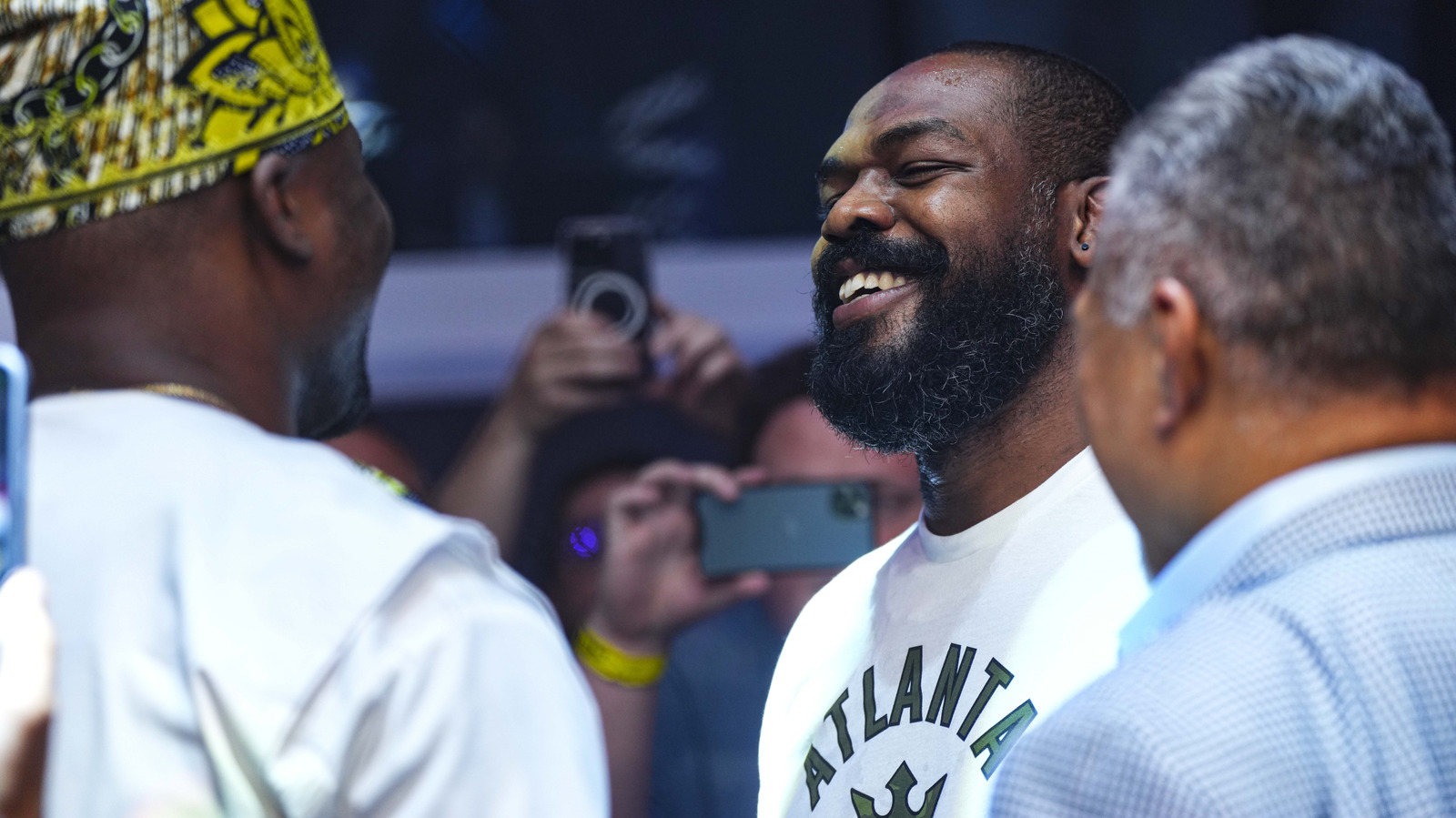
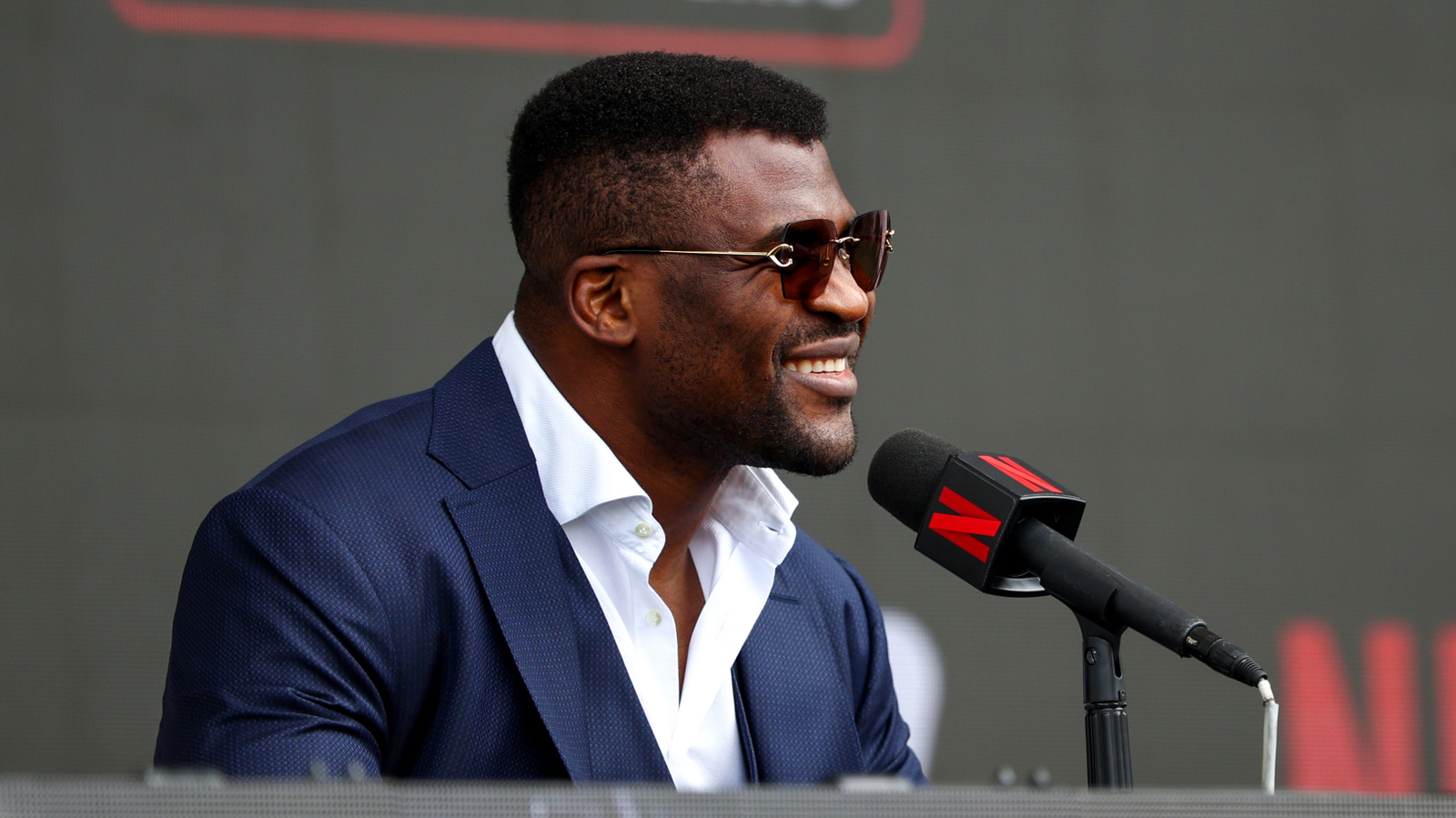
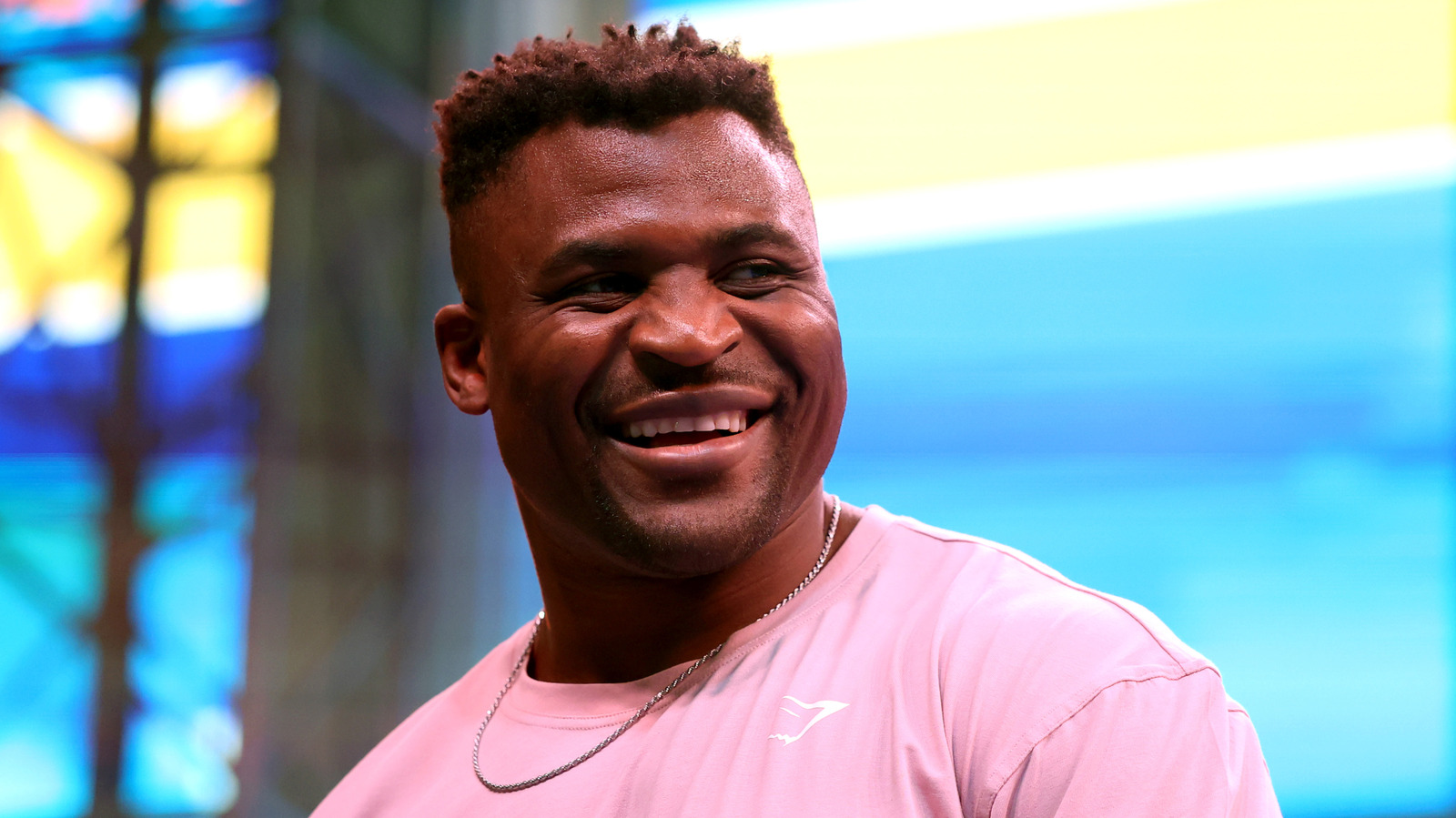
Francis Ngannou finally pulled the curtain back on why that mega-fight with Jon Jones never happened. He didn't mince words, claiming the UFC dangled the Jones fight like a carrot to get him to renew his contract. It sounds less like a genuine athletic pursuit and more like a high-stakes shell game where the belt was just a prop in the contract negotiations.
The internet, as always, is currently eating itself alive over this. You’ve got the MMA purists who just want to watch giants collide and the business-savvy fans who recognize that Dana White has been running this play since the Ice Age. It is the classic corporate move: promise the moon, get someone to sign on the dotted line, then conveniently realize the fighter has a mysterious injury or a sudden scheduling conflict.
The front-row seats to the drama
The sentiment on the forums is split right down the middle, reflecting exactly how deep the distrust in promotional booking goes these days. One camp is fully fueled by rage. They see the promotion as a gatekeeper that actively stifles dream matchups if the terms aren't subservient enough. These fans point to the long-standing friction between Ngannou and the front office as evidence that the promotion values control over the actual product inside the cage.
Then you have the pragmatists who view this as standard operating procedure in professional fighting. They argue that if a champion holds out for more money, the promotion is going to use every lever at its disposal to force their hand. Some fans suggest that expecting transparency in fight booking is like expecting a fair match in a back-alley brawl. It is naive, and in the world of high-revenue pay-per-views, results matter less than the leverage exerted during the signing phase.
Why this matters for your weekend viewing
The timing of these revelations is particularly spicy. With recent reports on how the UFC handled the Francis Ngannou situation, the community is looking at upcoming events with a much more cynical eye. Whether it is the spectacle building up toward WWE Backlash 2026 or the inevitable posturing for future fight cards, fans are questioning the legitimacy of what they are being sold.
My take? The skeptics have the stronger argument here. When a fighter of Ngannou's caliber says the biggest money fight in the sport was used as mere leverage, it rings true because it aligns with almost every major contract dispute seen in the last decade. The promotion survives on the promise of future violence, and if that promise is weaponized against the talent, it erodes the sanctity of the sport itself. You can only bait the audience so many times before they stop buying the lure. Eventually, the product behind the curtain has to walk out and actually throw punches.
We are watching the separation of the sport from the entertainment product in real-time. If the best fights are only ever used as contract traps, we aren't watching a meritocracy; we are watching a negotiation exercise with extra steps. It brings a bad taste to the mouth when you realize a potential 5-round war was left on the table because a middle manager wanted a better signatory page on a document. It is a crying shame for the fans who just want to see greatness without the corporate theater.
The reality is that we might never see the matchup now that the bridge is burned to a crisp. This isn't just about a missed paycheck; it's about the missed history of two guys who should have shared a 20-foot canvas years ago. Instead, we get these post-mortem explanations that prove the game is rigged, the deck is stacked, and the house almost always wins. Honestly, it makes you appreciate pure sport, like the tension leading up to the UCL Semi-Finals on April 28, where the results are dictated by boots on grass rather than pens on paper.
So, where does that leave us until May 9? We keep refreshing the news, waiting for the latest leak to prove our biases correct. Whether you blame the fighter for holding out or the promotion for playing hardball, the truth remains the same: the fans lose. Every single time a superfight gets filed under 'negotiation leverage' instead of 'main event,' the sport takes a body blow that no athletic commission can account for.
Read Next
- Trash Talk, Eye Pokes, and Politics: The UFC's Turbulent Week
- UFC Freedom 250 is a vanity project that risks the sport's credibility
- Sean Strickland vs. Khamzat Chimaev is a powder keg waiting for a match
- Brock Lesnar's silence is louder than any comeback rumor
- 💊 CM Punk WWE 2026 — Best in the World