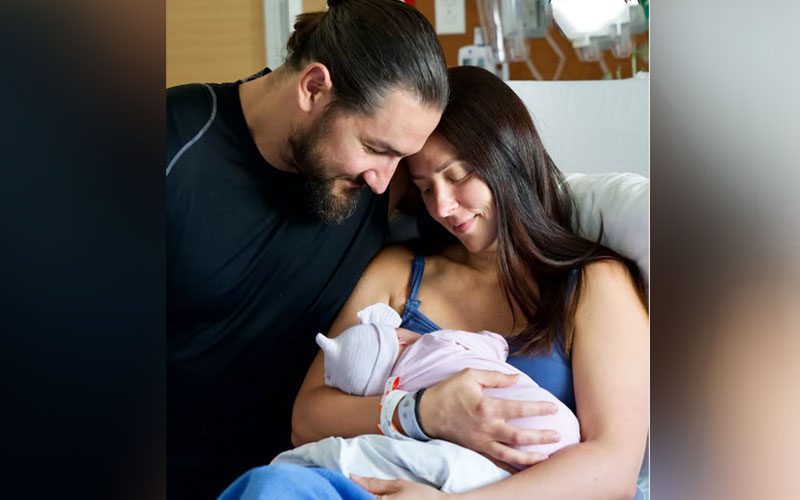
Joe Hendry is about to find out if the Raw crowd actually believes

The meme economy meets the Monday night reality
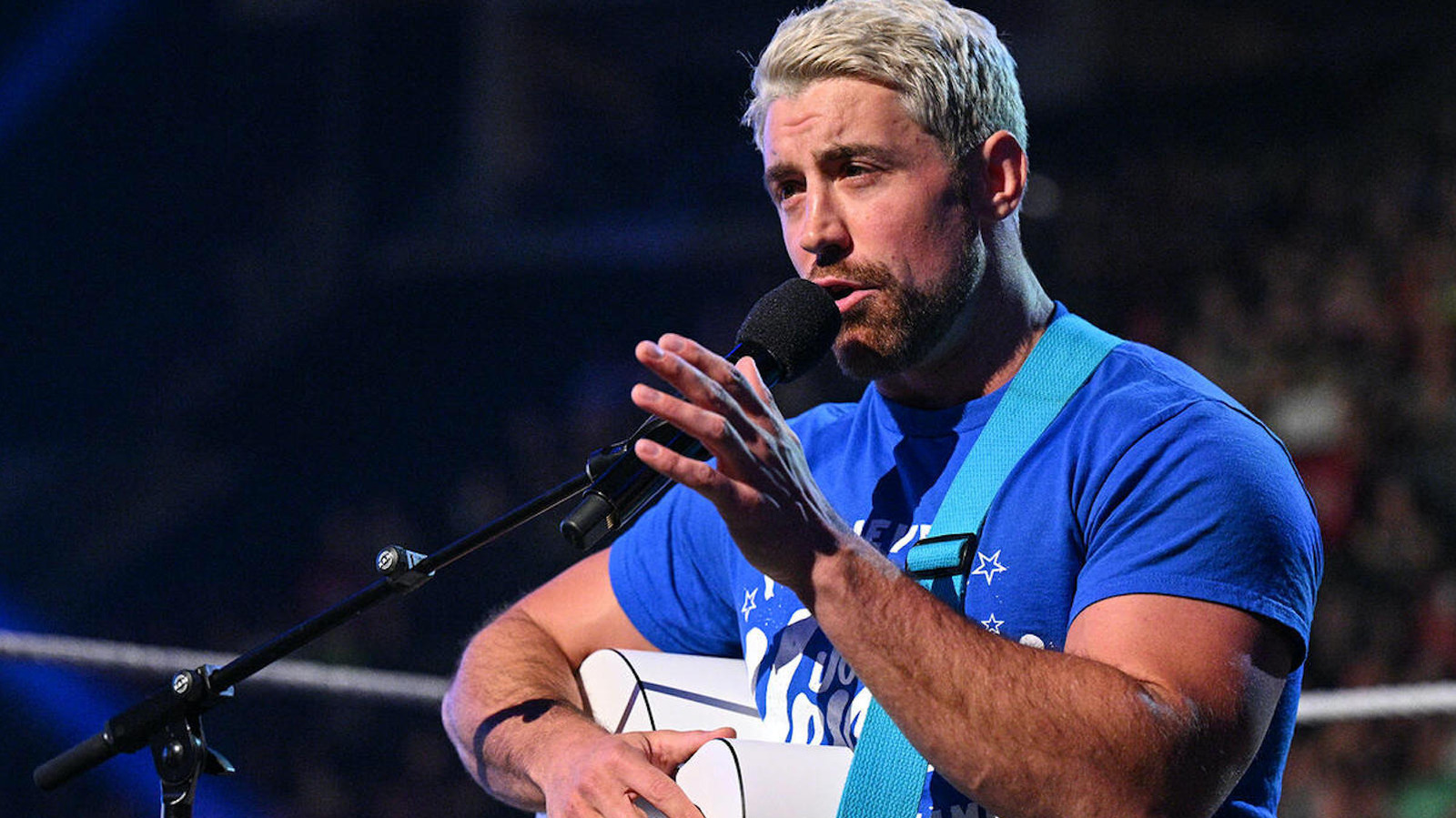
The transition from the Performance Center to the bright lights of Monday Night Raw is usually a clinical process. It involves months of character refinement, vignette cycles, and the slow scrubbing of any 'indie' habits that might not translate to a global television audience. But as we sit here on April 21, 2026, WWE is about to throw that playbook out the window. Joe Hendry, the man who turned a catchy melody and a green screen into the most viral asset in professional wrestling, is reportedly heading to the main roster. According to recent reports, his debut is being planned around a concert segment as early as next week.
This is a high-risk gamble. The NXT audience is a curated group of die-hards who understand the irony and the rhythm of the 'Believe in Joe Hendry' phenomenon. They know when to clap, they know the lyrics, and they are invested in the meta-commentary of his presentation. Raw is a different beast. It is a three-hour marathon where segments that rely on crowd participation can die a slow death if the timing is off by even a fraction of a second. If Hendry steps out on April 27 and the music doesn't hit the right notes with the casual fan in the upper deck, the gimmick could be dead on arrival.
The planning of a concert for his debut suggests that WWE leadership wants to lean into the spectacle immediately. It is a tactical move designed to capture social media engagement, but it misses a fundamental truth about why Hendry worked in NXT and TNA. He wasn't just a singer; he was a nuisance. His power came from his ability to insert himself into the serious business of other wrestlers. By giving him a standalone concert, WWE risks turning him into a comedy act before he ever locks up in the ring. It is the Elias trap—a talented performer reduced to a guitar-strumming bathroom break.
The NXT Revenge cycle and the call-up vacuum
While Hendry prepares for the main roster, the developmental brand is currently in the middle of its NXT Revenge specials. Tonight marks Week Two of the event, and the atmosphere in Orlando is one of both celebration and anxiety. Whenever a 'call-up wave' is mentioned in the same breath as a major NXT show, the stakes for the remaining roster shift. You can see it in the way the matches are being structured. There is a frantic energy to the ring work, a sense that every performer is trying to secure their spot before the roster is thinned out by the draft.
During the Week One matches, we saw a shift toward more high-impact, television-ready sequences. Take the main event from earlier this month, where we saw a rolling elbow into a Code Red for a near-fall at 14 minutes that absolutely blew the roof off the building. That is the standard now. But the 'Revenge' branding hides a darker reality: NXT is about to lose its most marketable stars. If Joe Hendry and others are truly headed to Raw or SmackDown, the creative team has a massive hole to fill. The reliance on 'special weeks' is a tactical band-aid for a developmental system that is arguably being promoted faster than it can replenish its top-tier talent.
The problem with the current call-up strategy is the lack of a middle ground. In the Black and Gold era, stars stayed in NXT until they were 'finished' products. Now, they are being pulled up based on viral metrics. Hendry is the ultimate example of this. His wrestling is solid, but his metrics are B+ or higher across every digital platform. WWE is chasing the algorithm, and while that might help the 9:00 PM quarter-hour rating on a Tuesday, it creates a vacuum in Florida that 'Revenge' weeks can't fix forever.
Ricky Saints and the grass-is-greener fallacy
In a fascinating bit of timing, Ricky Saints has recently been grading his various runs across the industry, specifically comparing his time in AEW to his current trajectory in NXT. It is a rare moment of transparency from a performer who has seen both sides of the modern wrestling war. Saints' assessment points to a growing trend: the shift from the 'freedom' of the AEW environment to the rigid, but productive, structure of the WWE system. It is a tactical trade-off. In AEW, Saints had the room to breathe, but he lacked the direction to turn that breath into a scream. In NXT, the walls are closer, but the path to the top is clearly marked.
Saints grading his runs reflects a broader shift in how talent views their careers in 2026. The novelty of the 'alternative' has worn off for many, replaced by a desire for the logistical stability that the TKO-led WWE provides. However, Saints’ critique also contained a sharp edge regarding the creative bottleneck at the top of the card. He noted that while the training is superior, the opportunity for genuine reinvention is limited. You are what the producers say you are. If they decide you are a mid-card gatekeeper, no amount of 'grading' or self-improvement will move that needle.
There is a cynical view of this movement. Many fans see the influx of talent like Saints and Hendry into the WWE orbit as a homogenization of the craft. When everyone is trained by the same people and coached on the same promos, the rough edges that make wrestling interesting are sanded down. Saints is a technician, a man who understands the 14-minute story arc better than almost anyone on the roster, yet he still finds himself caught in the developmental loop while viral sensations are fast-tracked to the Monday night stage.
The structural failure of the viral debut
We need to talk about the 'concert' format because it is historically a kiss of death for serious competitors. From the Honky Tonk Man to Elias and Rick Boogs, the musician gimmick has a ceiling that is remarkably low. If Joe Hendry is presented as a guy who sings songs about his opponents, he is effectively a parody of a wrestler. The tactical error here is assuming that what works on a 30-second TikTok clip will work in the 10:00 PM slot against a Bloodline segment. The contrast in tone will be jarring.
The data from previous call-ups suggests that character-heavy acts struggle when they lose the intimate connection of the NXT Arena. On April 21, 2026, we are looking at a roster that is more athletic than it has ever been, but perhaps less grounded in reality. When Hendry steps onto Raw, he isn't just competing with the other wrestlers; he is competing with the audience's attention span. If the song isn't a hit within 15 seconds, the 'What?' chants will begin, and the 'Believe' movement will be reduced to a footnote in the history of developmental experiments.
Furthermore, the timing of this call-up wave feels rushed. We are just 18 days away from WWE Backlash 2026. Usually, this is the time for settling feuds, not introducing new ones through musical numbers. It suggests a certain level of desperation to keep the momentum of the post-WrestleMania season alive. By injecting Hendry into the Raw mix now, WWE is betting that he can carry the 'lull' period before the summer stadium shows. It is a heavy burden for a man who, until very recently, was wrestling in front of hundreds, not tens of thousands.
Final tactical observations
The next two weeks will define the next two years for the NXT graduates. If the Joe Hendry concert is handled as a parody, he will be gone by SummerSlam. If it is handled as a psychological weapon used to get under the skin of a top-tier heel, he might just have a chance. But let's be critical for a moment: the 'concert' spoiler is disappointing. It shows a lack of imagination from a creative team that has otherwise been very disciplined. It is the easy way out.
Professional wrestling is currently obsessed with its own 'viralness.' The metrics of the April 21 television cycle will likely show high engagement for Hendry, but engagement is not the same as longevity. We have seen too many performers 'grade' their runs after they've already been released. Ricky Saints' transparency is a warning to those following him: the machine is powerful, but it is also hungry. It will eat your gimmick, digest the merchandise revenue, and move on to the next green-screen melody before you can even finish the chorus.
The belief in Joe Hendry is real, but the belief in the WWE main roster's ability to handle 'special' attractions without ruining them is at an all-time low. As we watch NXT Revenge Week Two tonight, pay close attention to the transitions. Pay attention to who is being highlighted and who is being hidden. The names we see tonight are the ones who will have to carry the company when the songs stop playing and the memes finally run out of steam. The draft is coming, the call-ups are here, and the music is about to start. Let's see if anyone is actually listening.
Funko Pop! WWE: Roman Reigns with Title (Amazon Exclusive)
Acknowledge him! Add the Tribal Chief to your collection with this Amazon exclus
Frequently Asked Questions
When is Joe Hendry expected to make his WWE Raw debut?
What is the primary concern regarding Joe Hendry's transition to Raw?
How is WWE planning to introduce Joe Hendry to the main roster?
What is the significance of the NXT Revenge Week Two event?
What makes Joe Hendry's character different from traditional WWE call-ups?
More Coverage
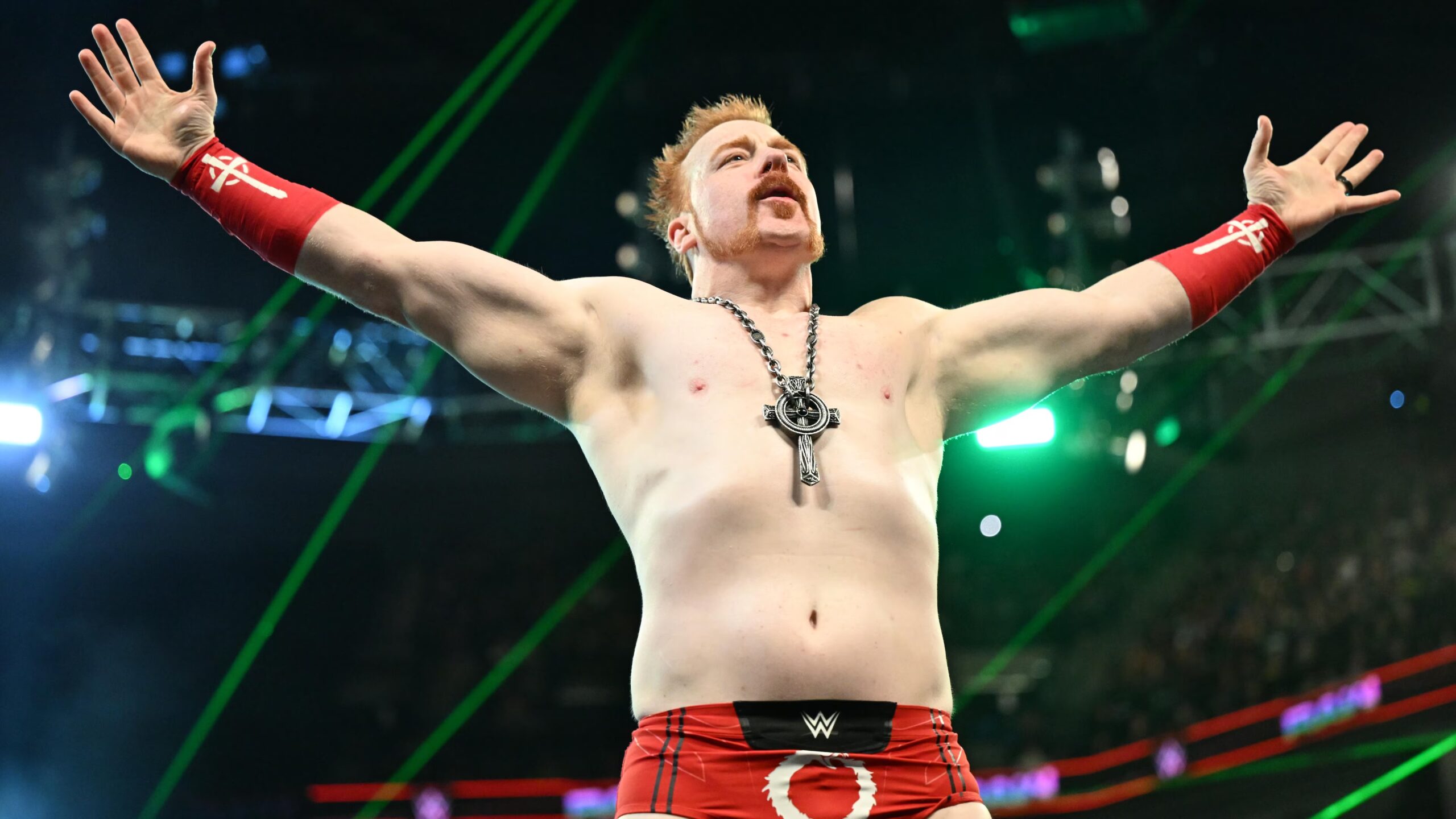
Sheamus faces Drew McIntyre on Raw with his WWE contract ticking down
12 hours agoMaple Leaf Pro Wrestling is betting on a very specific type of nostalgia
13 hours ago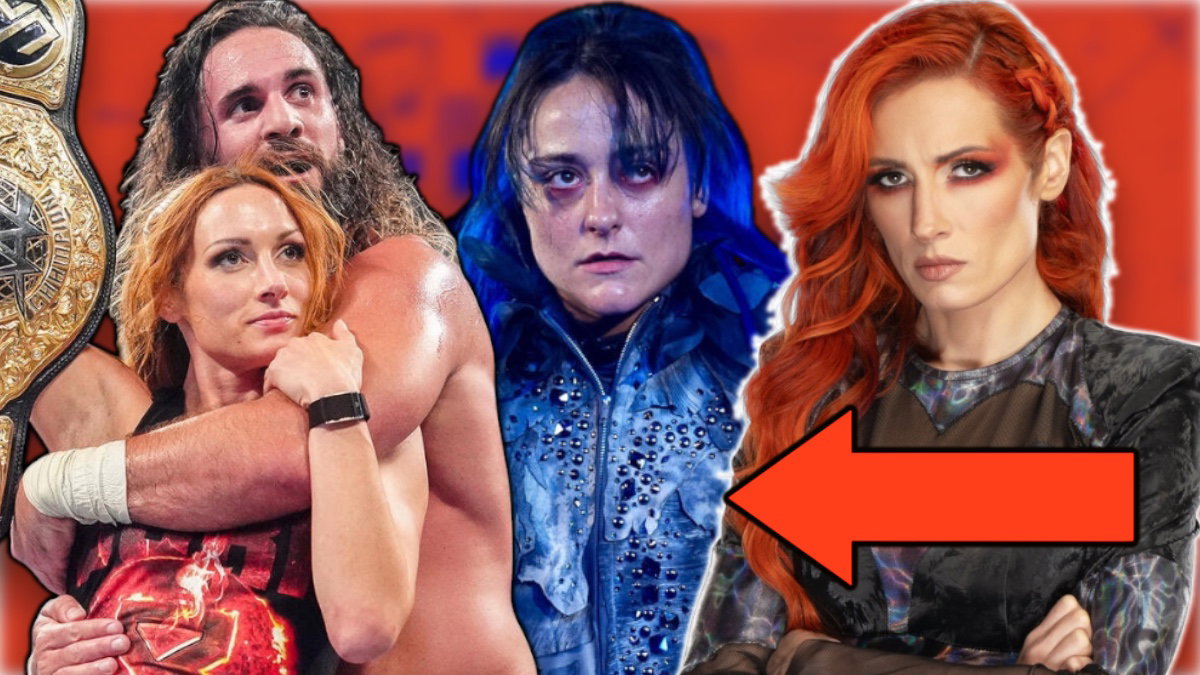
Becky Lynch has been gone for six weeks and Raw is feeling the pinch
14 hours ago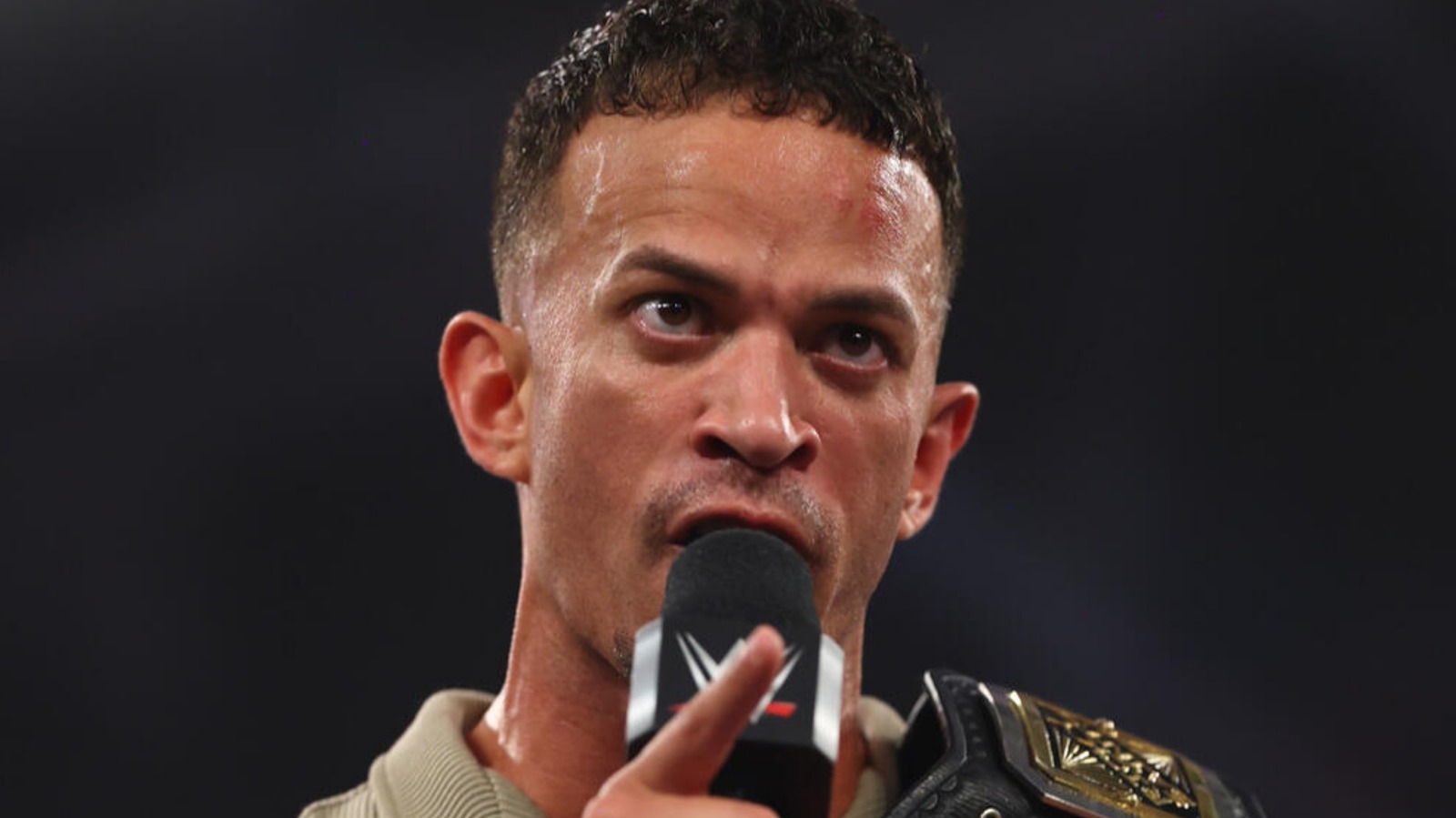
Ricky Saints is playing the game smart by leaning on the right locker room brains
1 day, 7 hours ago
NXT is preparing for a chaotic championship street fight
1 day, 13 hours agoWWE Saturday Night's Main Event sets a dangerous precedent at MSG
2 days, 5 hours agoMore Analysis
Joe Hendry needs to convert his viral pop into actual gold
1 month, 2 weeks ago
Joe Hendry on RAW is the ultimate test for WWE’s meme-to-mainstream pipeline
2 months, 3 weeks ago
Joe Hendry is turning his Cena snub into NXT gold
3 months ago
NXT Revenge proved Joe Hendry is WWE's most tragic figure
3 months ago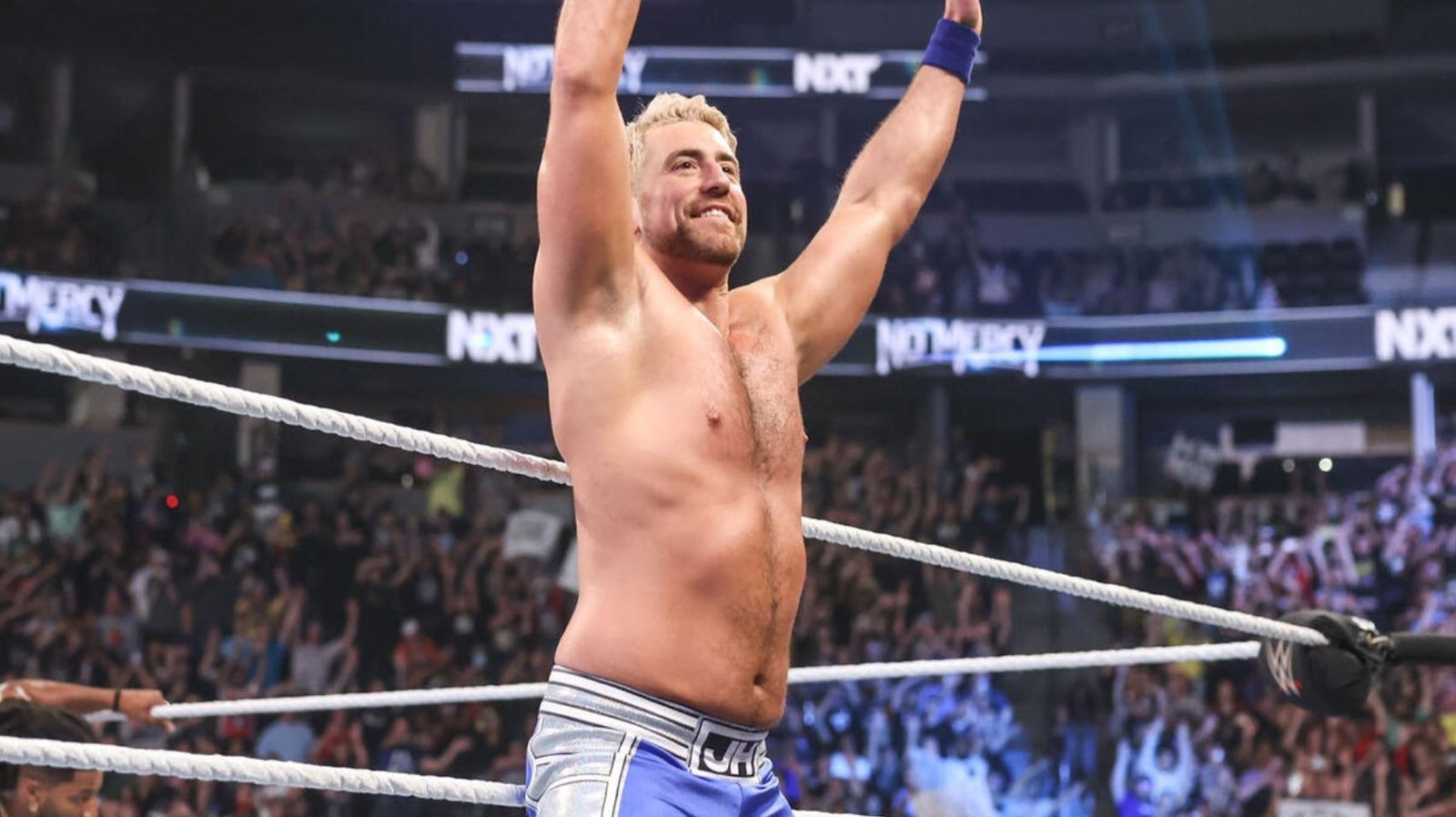
Joe Hendry's Raw call-up is exactly what WWE needs right now
2 months, 4 weeks ago