Pull Up a Barstool and Let's Talk Double-J
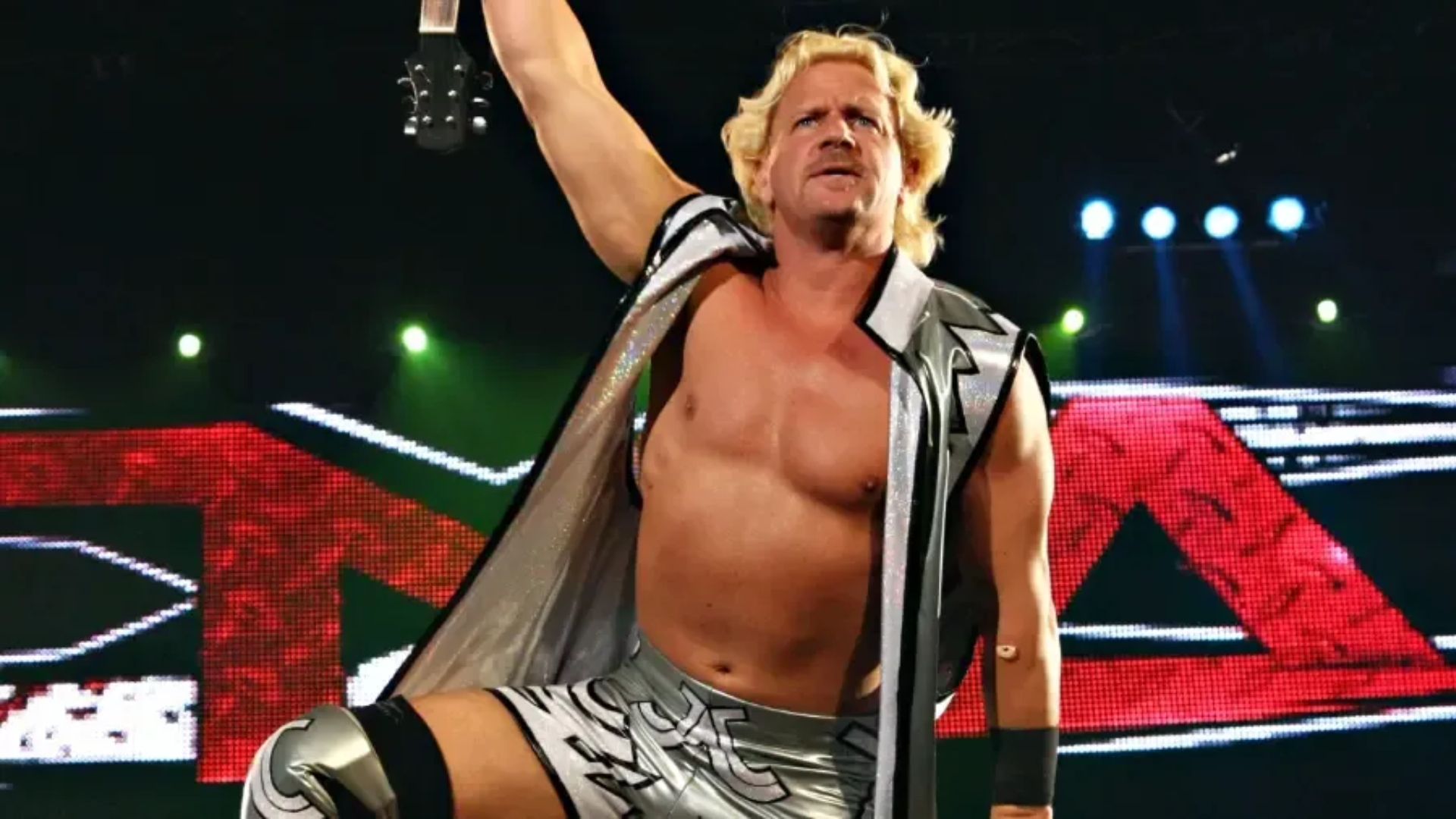
Yo, bartender, slide another domestic draft down this way and keep the garlic fries coming, because we need to talk about the king of the guitar shot, Jeff Jarrett, and his latest attempt to rewrite wrestling history. If you tuned into Chris Van Vliet's podcast recently, you saw Double-J doing what he does best: spinning a yarn that sounds great until you actually look at the record book. Jarrett is out here claiming that NWA-TNA was not born out of desperation after Vince McMahon publicly executed his WWE career on live television.
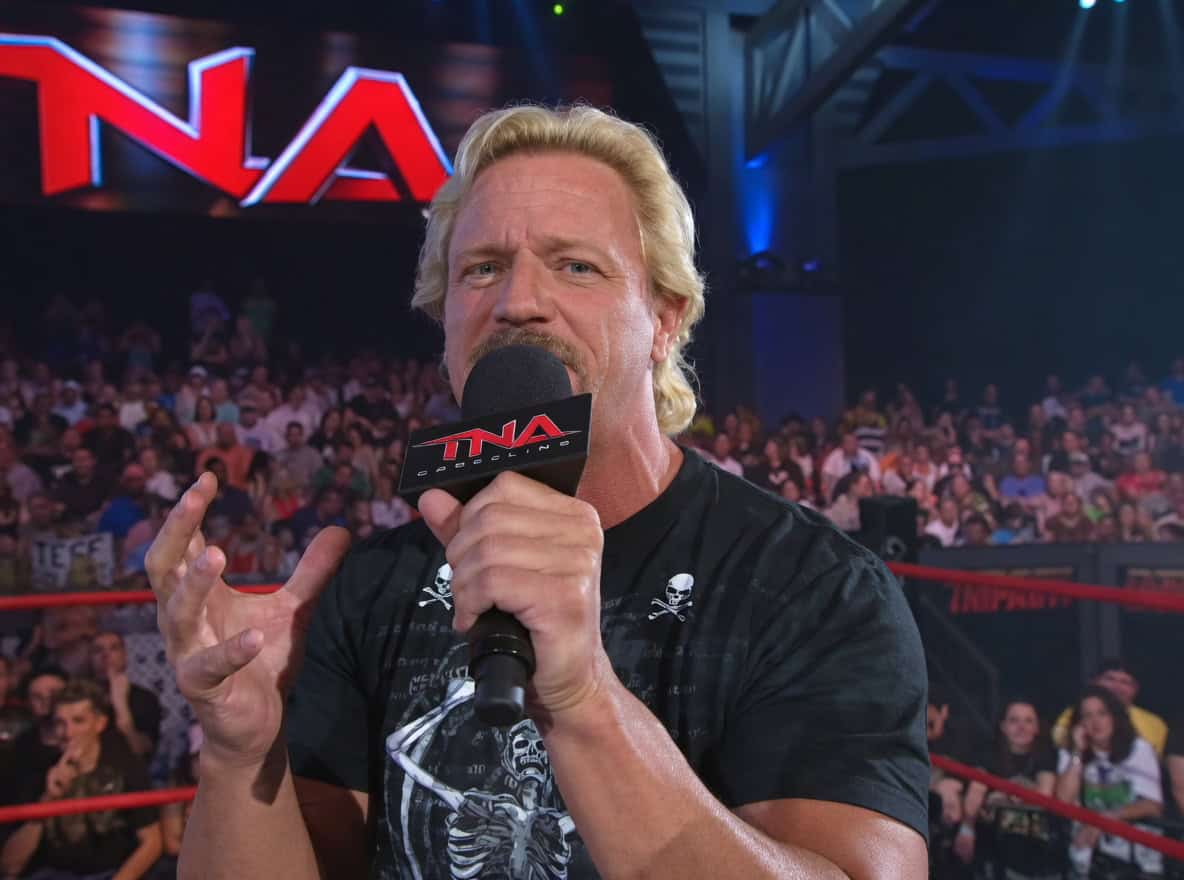
According to the man himself in a new interview detailed on WrestlingNews.co, TNA was a calculated business play, not a panic move. As originally reported, Jarrett believes the promotion was born out of opportunity rather than the panic of being blacklisted by WWE.
"TNA, just the narrative that is out there, as you say, it built out of desperation. I believe it was built out of an opportunity."
He says he looked at the wrestling world in 2002 and saw a massive open lane just waiting for a new promotion. But let's be real for a second, Jeff. When the only other game in town has locked you out of the arena, starting your own playground is the definition of having no other options.
You can call it an "opportunity" all day, but we all know the difference between jumping out of a plane because you want to skydive and jumping because the engine is on fire. Double-J was staring down the barrel of a career in the wilderness. He did what any proud, second-generation carny would do: he built his own tent.
The Birth of NWA-TNA and the Firing That Started It All
The Night Vince McMahon Said G-O-N-E
Let's trace this back to the absolute peak of the drama. The date was March 26, 2001, a night that lives in wrestling infamy for anyone who remembers the WCW Monday Nitro simulcast on Raw. Vince McMahon stood in the middle of the ring and fired Jeff Jarrett on national television, spelling out his name like a disappointed spelling bee judge.
The lore has always been that Jeff was blacklisted, left out in the cold with nowhere to go after holding Vince up for money at No Mercy in 1999. Jarrett is now trying to take the sting out of that televised execution by claiming he wasn't scrambling for work. He told Van Vliet that WWE actually kept paying him for several months after that broadcast.
Sure, getting a paycheck to sit at home is nice, but when that contract ran out, Jarrett's options were basically nonexistent. Vince had bought out the competition, ECW was dead, and the territory system was ancient history. The game was over.
Calling it an opportunity is a bit like a guy getting kicked out of a bar and claiming he left because he wanted to look at the stars. It sounds romantic, but everyone knows the bouncer pushed you out the door. Jeff was out of options, and TNA was the only lifeboat left in the ocean.
The Weekly Pay-Per-View Gamble and the Reign of Terror
So Jeff and his dad, Jerry Jarrett, launched NWA-TNA in June 2002. They didn't have a TV deal, so they ran weekly pay-per-views out of the Huntsville and Nashville Asylums. They charged fans exactly $9.99 every single week to watch their show, which was a wild gamble in an era before streaming services.
On paper, the roster was a goldmine of young, hungry talent. You had AJ Styles flying through the air, Low Ki kicking people's heads off, and Jerry Lynn showing the kids how it's done. The X Division was changing the way people wrestled, introducing a fast-paced style that would define the next generation.
But then you look at the main event, and who was holding the top title hostage? Jeff Jarrett, of course, booked himself as the top heel and won the NWA World Heavyweight Championship six times.
Fans didn't call it the Reign of Terror for nothing. While the undercard was doing Spanish Flies and shooting star presses, Jarrett was winning matches with guitar shots and the Stroke. He claims it was business logic because they needed a proven name at the top to draw viewers, but it felt like a vanity project.
It was frustrating to watch AJ Styles get pushed aside so Jeff could stand in the spotlight. Even when they had stars like Raven, Rhino, and Christian Cage, Jarrett always found a way to keep himself in the conversation. It was a booking strategy that drove fans crazy and made the product feel second-rate.
Dark Side of the Ring and the History Jeff Wants to Hide
Dixie Carter and the Strained Relations
The timing of this podcast isn't a coincidence, either, as Vice TV is premiering a new season of Dark Side of the Ring on July 7, 2026. The season features a three-part episode series digging deep into TNA's chaotic history, with Jarrett front and center. The promotion's dirty laundry is about to be aired for the world to see.
Jarrett admitted to Chris Van Vliet that his relationship with former TNA President Dixie Carter was always strained. He even tried to convince her to participate in the documentary series, telling her to sit down and tell her version of the story. Dixie ultimately declined, which is probably the smartest decision she has made in years.
Can you blame her? Dixie Carter's tenure running TNA was a comedy of errors that would make a network executive weep. Her parents, Bob and Janice Carter, funded the company through Panda Energy, and Dixie spent that money like a lottery winner in a sports car dealership.
She brought in Hulk Hogan and Eric Bischoff, got rid of the six-sided ring, and signed every WWE reject she could find. The company went from selling out venues to running shows in half-empty soundstages. If I were Dixie, I wouldn't want to explain why I let Vince Russo run the creative team either.
But her absence from the documentary means Jarrett gets to control the narrative, which is exactly why he is doing this media tour. He wants to paint himself as the visionary builder of an alternative promotion rather than the guy who booked himself to win the title for years. It is a classic wrestling public relations move.
The Night Owen Hart Fell
The interview wasn't all corporate spin and TNA politics, though. Jarrett opened up about some of the darkest moments of his career, specifically the death of Owen Hart. On May 23, 1999, Owen fell to his death at the Over the Edge pay-per-view in Kansas City, Missouri.
Jarrett was backstage with Owen just minutes before the tragedy. After the fall, the company made the highly controversial decision to keep the show running. Jarrett was told he had to go out next to wrestle a mixed tag team match with Debra against Val Venis and Nicole Bass.
He described the utter confusion and numbness of having to perform while his close friend was fighting for his life. Wrestlers are trained to work through pain, but that night was a different level of psychological torture. Jarrett admitted he didn't fully process his grief over Owen's death until 2017.
It is a sobering reminder of the human cost behind the wrestling business. No matter what you think of Jarrett's booking or his guitar-smashing antics, he lived through some real trauma. The industry has a history of ignoring the mental health of its performers, and Jarrett's admission shows how deep those scars go.
The Chyna Feud and the Good Housekeeping Legacy
We also have to talk about Chyna, the woman who shattered barriers in the late nineties. Jarrett and Chyna had a legendary feud over the Intercontinental Championship in 1999. It culminated on October 17, 1999, at No Mercy in a Good Housekeeping match.
Chyna won the title, making history as the first woman to hold the Intercontinental Championship. Jarrett praised Chyna's work ethic and star power during the interview. But he brushed past the backstage politics that made that match infamous.
Jarrett's contract had actually expired the day before the pay-per-view. Rumors have circulated for decades that Jarrett refused to drop the belt unless Vince McMahon paid him $300,000 in cash. Jarrett has defended the payment as money he was owed for royalties, but the timing gave him the ultimate upper hand.
It was a brilliant, cutthroat business move that Vince McMahon never forgot. That is why Vince took so much pleasure in firing him on live television two years later. Vince got the last laugh.
It was a game of chess played with real money, and Jarrett won the first round but lost the war. Today, Jeff Jarrett is in AEW, still hitting people with guitars and somehow looking exactly the same as he did thirty years ago. He is a survivor in a business that chews people up and spits them out.
The Final Verdict on Double-J
TNA was a wild ride, a mix of pure wrestling genius and absolute backstage garbage. Whether it was built out of desperation or opportunity, we are glad we got to witness it. Just don't expect us to believe it was all a master business plan, Jeff.
We remember the guitar shots, we remember the empty arenas, and we remember the chaos. Now, bartender, pass the check and let's get out of here before Jarrett shows up and smashes a guitar over my head. Next time, we can talk about the time he tried to sell gold bars on television.