The Big Picture
Pro wrestling runs on talk, but the real power lies in the explanations behind the actions. When the curtain drops, wrestlers and executives have to justify their moves to an increasingly skeptical fanbase. Here is the definitive ranking of the ten most significant, industry-shaping explanations delivered by wrestling figures.
The Top 10 Explanations
10. Nick LoPiccolo on AEW vs. the WBD-Paramount Merger
Former Hollywood talent agent Nick LoPiccolo explained that AEW simply lacks the corporate weight to influence a potential multi-billion-dollar merger between Paramount and Warner Bros. Discovery. LoPiccolo dismissed the fan theory that media executives would let a wrestling program dictate the terms of a massive industry consolidation. The reality is that television networks view wrestling as cheap live programming rather than a cornerstone asset worth risking a corporate marriage over. While AEW fans inflate the promotion's bargaining power, corporate suits see a brand drawing a modest 0.22 rating in the key demographic as expendable. This explanation ranks lowest because it is a sobering dose of cold business reality that humbles wrestling's self-importance.
9. Will Ospreay on Joining the Death Riders
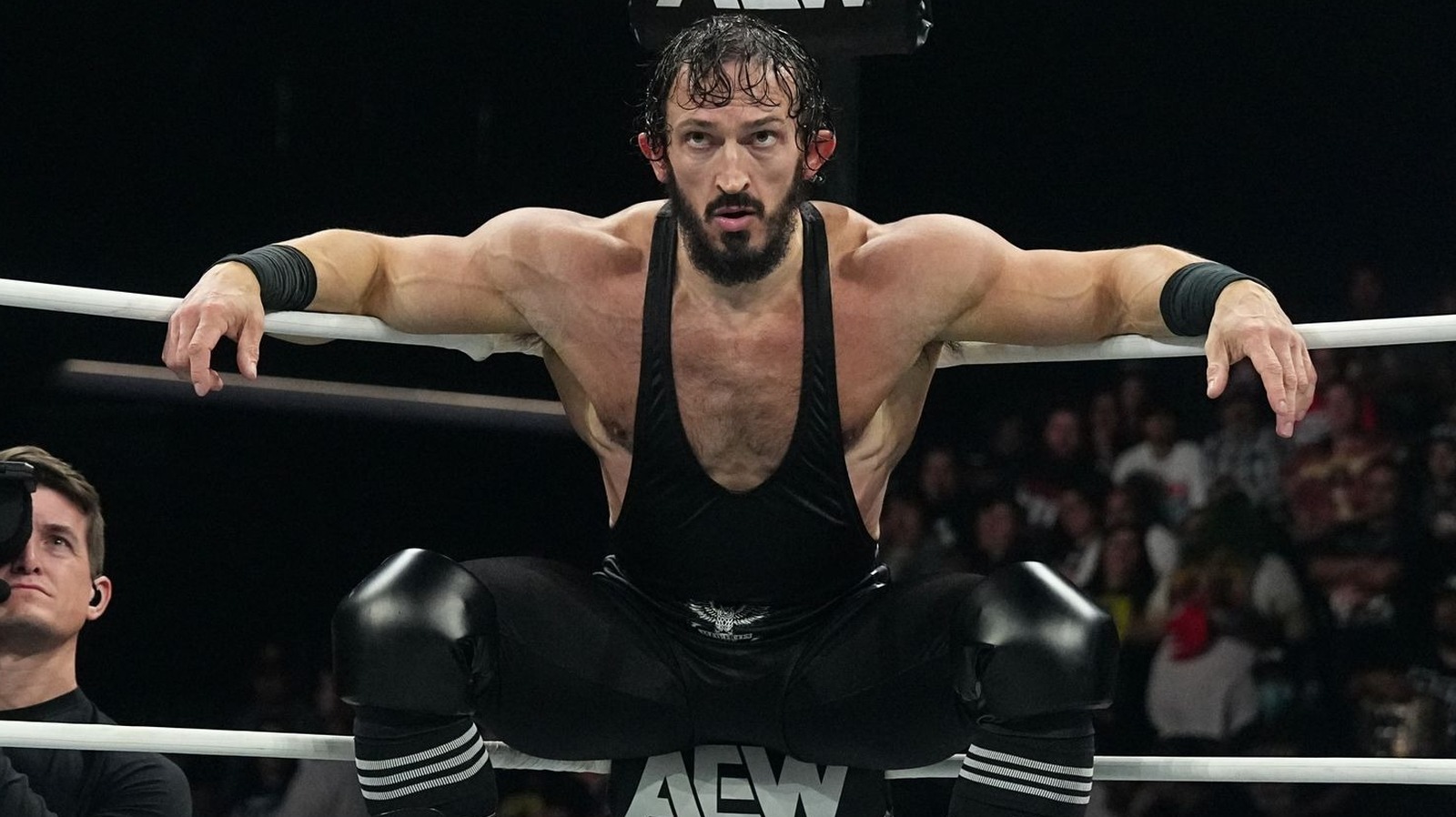
AEW superstar Will Ospreay opened up regarding his decision to align with Jon Moxley's Death Riders faction. Fans were stunned by the move, especially after the group brutally assaulted Ospreay just months prior on television. Ospreay justified the partnership by citing a pragmatic need for survival in a locker room that had turned hostile. However, this explanation fell flat with critics who pointed out it made the babyface Ospreay look incredibly weak and hypocritical. The booking decision remains a controversial point of debate, as aligning with your attackers rarely translates to logical storytelling in the modern era.
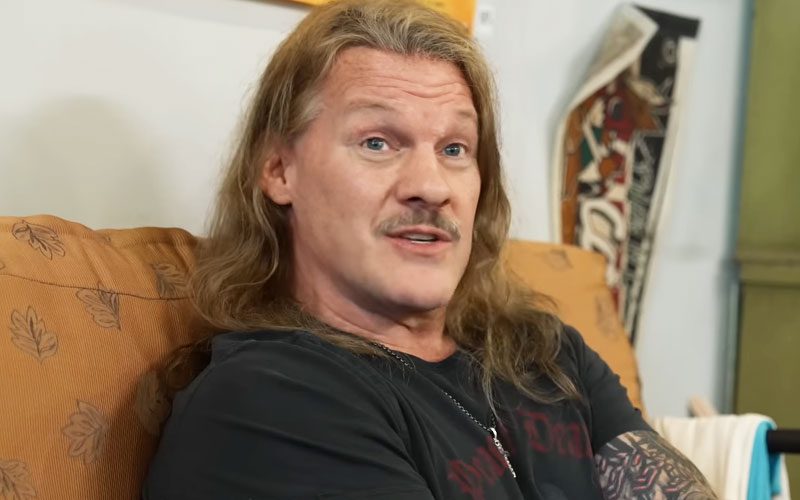
8. Chris Jericho on Rebuilding During His Year Away
Wrestling veteran Chris Jericho detailed how he spent his year away from AEW, refuting claims that he was simply waiting by the phone. Jericho explained that the extended hiatus was a deliberate strategy to rebuild his physical condition and pursue various projects outside the ring. At 55 years old, Jericho recognized that his act had grown stale and required a complete reinvention to remain viable on television. While the break was necessary, his subsequent return showed that even a year away cannot fully cure the fatigue fans feel toward his character. He ranks eighth because his explanation is a masterclass in spin from a veteran trying to maintain his spot at the top.
7. John Cena on Authenticity Over Chemistry
Fourteen-time world champion John Cena argued that wrestlers must prioritize authenticity over in-ring chemistry to connect with audiences. Cena explained that fans can spot a manufactured relationship instantly, whereas raw authenticity creates a lasting emotional bond. He pointed to his legendary rivalries with Edge and CM Punk as examples where real-life friction translated into box-office gold. Critics argue Cena's philosophy ignores the mechanical safety required in the ring, but his track record of selling out arenas proves his point. This entry sits above the AEW entries because it comes from a man who carried WWE on his back for over a decade.
6. CM Punk on Returning to WWE at Survivor Series 2023
CM Punk shocked the wrestling world by returning to WWE at Survivor Series 2023 in Chicago, ending a bitter nine-year exile. He explained his return by claiming he had finally come home to the place where he belonged, a sharp pivot from his previous anti-WWE rhetoric. This explanation was met with massive skepticism from fans who remembered his scathing pipebomb promos and his dramatic exit from AEW. Punk insisted that personal growth and a desire to headline the biggest shows drove his decision, rather than a simple financial windfall. He ranks sixth because the explanation was highly controversial and forced fans to question the sincerity of wrestling's ultimate rebel.
5. Cody Rhodes on Leaving AEW to "Finish the Story"
Cody Rhodes broke the internet when he departed AEW, a company he helped found, to return to WWE at WrestleMania 38. His explanation centered on a singular, emotional goal: winning the WWE Championship that his father, Dusty Rhodes, never held. Cody argued that his work in AEW was done and that his destiny could only be fulfilled in the promotion that originally rejected him. This narrative became the driving force of WWE television for two years, culminating in his historic victory over Roman Reigns. He ranks fifth because it is one of the few explanations that actually delivered on its promise and changed the industry balance of power.
4. Roman Reigns on the Tribal Chief Heel Turn
When Roman Reigns returned at SummerSlam 2020, he immediately aligned with Paul Heyman and began a historic heel run. Reigns explained that he was no longer interested in pleasing fans who rejected his babyface persona, shifting focus to feeding his family and dominant lineage. He argued that as the Tribal Chief, he was carrying the entire WWE product on his shoulders and demanded acknowledgement from the locker room. This justification anchored a record-breaking 1,316-day championship run that revitalized WWE's business metrics. He ranks fourth because it turned a failing babyface project into the most lucrative heel run of the modern era.
3. Bret Hart on the WCW Move
Following the infamous Montreal Screwjob in November 1997, Bret Hart was forced to explain his departure from WWE to sign with WCW. Hart explained that Vince McMahon claimed WWE was facing financial ruin and could not honor the twenty-year contract they had signed. The Hitman argued that he had no choice but to protect his family by jumping to the competition for a lucrative multi-year deal. However, Hart's transition to WCW was notoriously bungled, proving that his explanation of the move was the high point of an otherwise disastrous run. He ranks third because it remains the most dramatic real-life contract explanation in wrestling history.
2. The Rock on Becoming "The Final Boss"
In early 2024, The Rock pivotally turned heel after fan backlash to his proposed match with Roman Reigns at WrestleMania XL. The Rock explained that he was stepping aside to let Cody Rhodes finish his story, but would now use his board-member power to destroy Rhodes. He argued that the fans' whining had forced his hand, transforming him from a beloved legend into a ruthless corporate tyrant. This explanation saved the WrestleMania main event and generated some of the highest television ratings WWE had seen in a decade. He ranks second because it showed a veteran adjusting on the fly to deliver a masterpiece of meta-storytelling.
1. Hulk Hogan on Joining the nWo
At Bash at the Beach on July 7, 1996, Hulk Hogan committed the ultimate betrayal by joining Scott Hall and Kevin Nash to form the New World Order. Hogan explained his shocking actions by accusing the fans of growing ungrateful after he built the entire industry for them. He argued that he was bored with the red and yellow persona and wanted to dominate WCW under his own terms. This single explanation launched the Monday Night Wars, drove WCW to eighty-three consecutive head-to-head weekly wins over WWE, and completely altered the pro wrestling business. It easily takes the top spot because it remains the template for every heel turn that followed.
Honorable Mentions
Several notable explanations missed the top ten but deserve recognition. Shawn Michaels claiming he lost his smile in 1997 stands out as a highly suspect justification for relinquishing the WWE Championship. Similarly, Triple H explaining his betrayal of Randy Orton in 2004 as a matter of protecting the Evolution brand cemented a decade of corporate dominance.