Pull up a barstool
Pull up a barstool, order a pint of whatever cheap lager is on tap, and let's talk about the absolute car crash that was early-2000s professional wrestling. WWE had bought WCW, and we were stuck with Triple H playing Reign of Terror simulator on Raw. But down in Nashville, a father and son duo decided they could build their own kingdom out of acoustic guitars, six-sided rings, and Vince Russo's fever dreams.
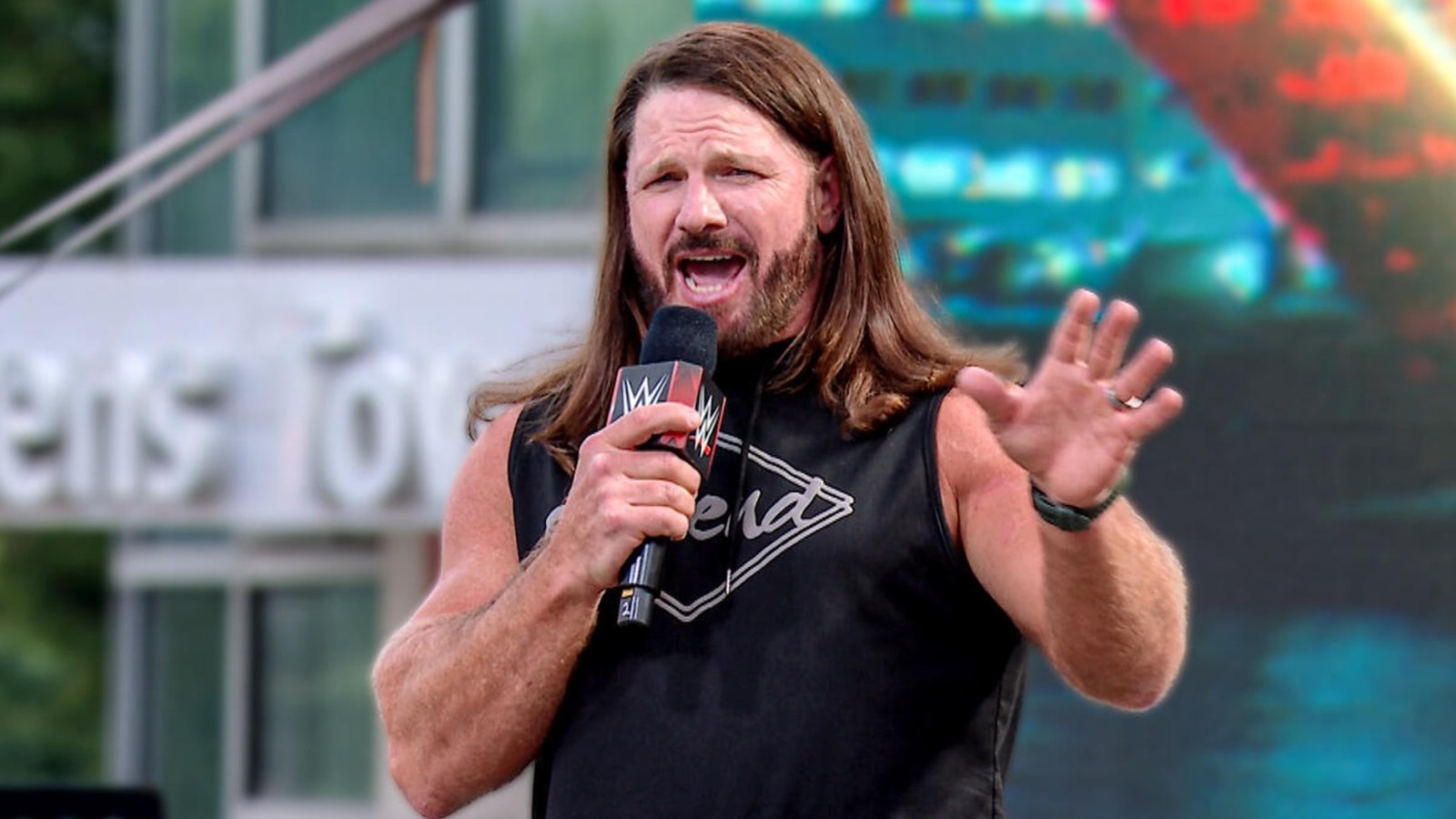
That promotion was TNA Wrestling, and it was the ultimate alternative for fans who wanted to watch AJ Styles fly through the air while Don West screamed his lungs out. According to PWInsider, the documentary series Dark Side of the Ring is finally shining a spotlight on this wild era next week. The show returns on Tuesday, July 7, 2026, with a massive double-episode premiere focused on the promotion's co-founder, Jeff Jarrett.
This is not going to be a standard, sanitised tribute video produced by corporate marketing teams. The producers have already promised that this is a searing, emotional, and very tragic story rather than a simple comedy roasting the company's worst decisions. And let's be honest, TNA had plenty of awful decisions that deserve a roasting.
But before we get to the tragedy and the triumphs, we have to look back at how this whole circus started. When Jeff and Jerry Jarrett launched NWA-TNA on June 19, 2002, the wrestling world was in a weird spot. Vince McMahon had a complete monopoly, and the Jarretts wanted to carve out their own piece of the pie with weekly pay-per-views costing ten bucks a pop.
The Wild Ride of the Asylum Era
In those early days at the Nashville Fairgrounds, TNA was a beautiful, chaotic mess. You had the X-Division redefining modern high-flying wrestling with guys like Low Ki, Jerry Lynn, and AJ Styles trading blows in spectacular three-way dances. At the same time, you had puppet shows, midget wrestling, and Jeff Jarrett booking himself to win the NWA World Heavyweight Championship over and over again.
It was the ultimate player-coach move, like if peak-era player-manager Pete Rose batted himself lead-off every night and never bunted. Double J was the king of his own castle, and he was not afraid to let everyone know it. He smashed acoustic guitars over the heads of everyone from Beetlejuice to Raven, cementing himself as the ultimate heel of the promotion.
Fans grew tired of the Jarrett Monopoly, but the company survived the early financial scares thanks to the arrival of Dixie Carter and Panda Energy. Dixie Carter brought the deep pockets of her family's energy conglomerate, which kept the lights on when the weekly pay-per-view model inevitably ran out of gas. Suddenly, TNA was on national television, landing a slot on Spike TV and building a dedicated fanbase.
The six-sided ring became their signature, a visual marker that told you this was not your standard WWE product. Then came the late-2000s, when the company decided they needed to go big or go home. They signed Kurt Angle in 2006, which was a massive coup and led to some of the greatest matches in wrestling history.
Angle's headlock-to-ankle-lock transitions against Samoa Joe proved that TNA could produce elite-level sports entertainment. But success in wrestling is a fleeting thing, especially when you invite the wrong wolves into your house. In 2010, Dixie Carter made the fateful decision to bring in Hulk Hogan and Eric Bischoff.
The Hogan Era and the Monday Night Blunder
They immediately dismantled the six-sided ring, replaced it with a traditional four-sided square, and tried to recreate the Monday Night Wars. It was a disaster of epic proportions, drawing terrible ratings and burning through millions of dollars in a desperate bid to compete with Raw. They treated the homegrown roster like yesterday's garbage, burying AJ Styles in a Ric Flair robe and sending Samoa Joe into a kidnapping storyline that made absolutely zero sense.
The creative direction was so bad it felt like a parody of WCW's final days. Yet, despite the terrible booking and the financial bleeding, the roster kept delivering in the ring. The Motor City Machine Guns were putting on tag team clinics against Generation Me, proving that the talent was still world-class.
TNA was like a cockroach that simply refused to die, surviving bad decision after bad decision. This history is so packed with drama that a standard documentary could never fit it all. As detailed by PWInsider, the producers Evan Husney and Jason Eisener originally wanted to make a six-part standalone series.
Inside the Dark Side of the Ring Special
They called it Six Sides of TNA, but Vice TV decided to package it into the main franchise instead. The producers had to plead with the network to expand the project into a three-part feature. They ended up getting a total of three hours to tell the story properly, with the first two hours airing back-to-back next week and the finale arriving on July 14.
This extra time allows the documentary to breathe, giving us a deeper look at the backstage politics and personal struggles. The promotional trailer has already shown us a stellar lineup of talking heads. As reported by PWInsider, the documentary features interviews with several key players who lived through the madness:
- Samoa Joe, who was the physical heart and soul of the early X-Division.
- Scott Steiner, the master of the mic who delivered some of the most hilarious, unscripted promos in television history.
- Jim Cornette, the legendary manager who worked as a creative force and backstage authority during TNA's peak years.
- Matt Hardy, who reinvented himself with the Broken Universe, bringing bizarre brilliance to the Hardy Compound.
- Eddie Kingston, the grit-and-grind veteran who knows exactly what the locker room went through during the darkest days.
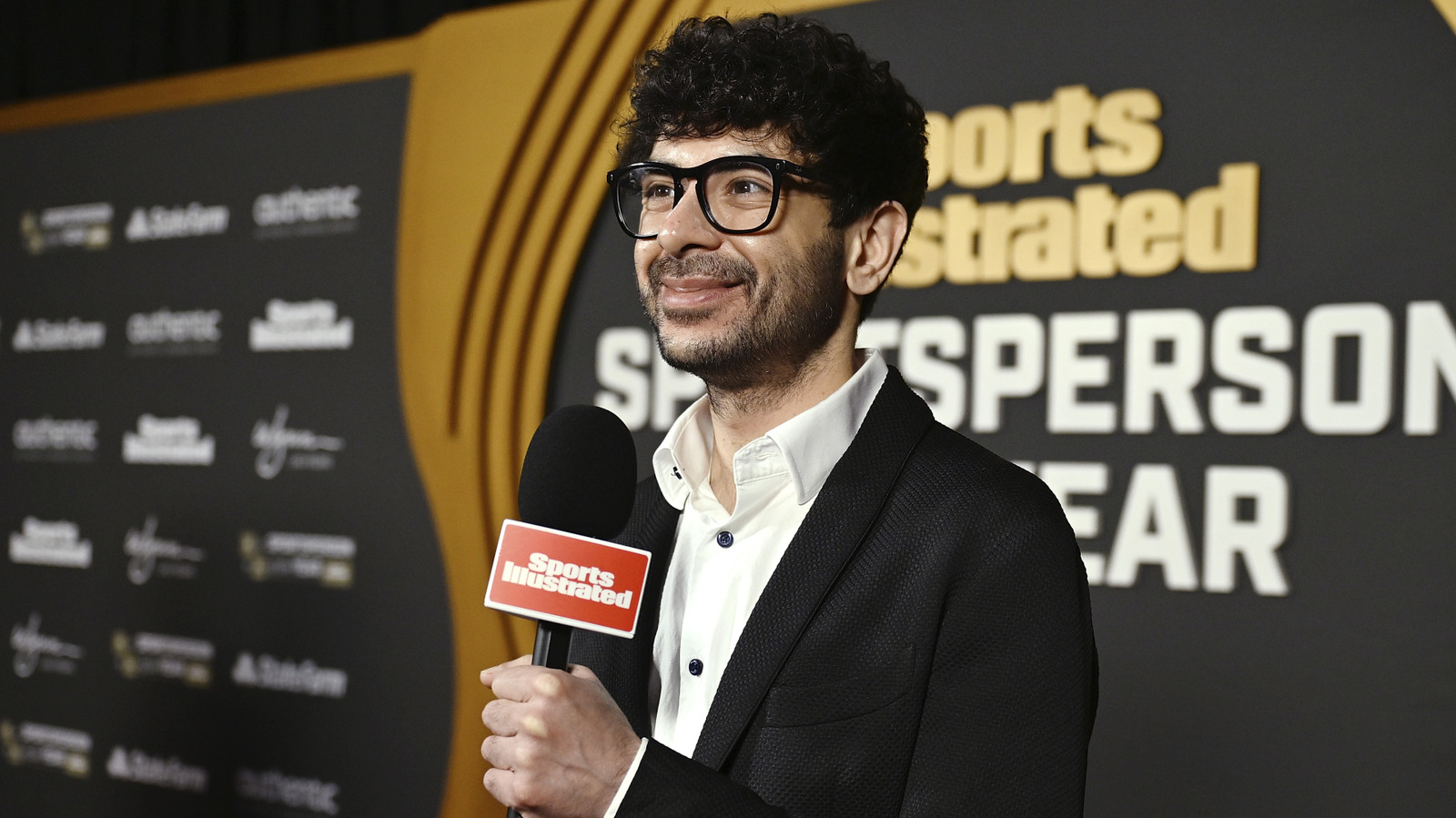
- Tony Khan, the AEW President who adds modern context to Jarrett's place in the current industry.
The inclusion of Tony Khan was actually a complete fluke. The production crew was backstage at an AEW event filming B-roll of Jeff Jarrett, who currently serves as a wrestler and Director of Business Development for the company. Jarrett suggested that Khan sit down for a quick chat, and the AEW boss jumped at the chance to talk wrestling history.
Before agreeing to do the show, Jarrett made sure to ask Khan for his blessing. Khan was fully supportive, believing that documenting the sport's history is vital, even when those stories cover dark and difficult subjects. That level of transparency is rare in a business that usually loves to sweep its dirty laundry under the rug.
The Personal Battles of Double J
While the corporate drama of TNA is fascinating, the true heart of this three-part special is Jeff Jarrett’s personal journey. It is a story marked by unimaginable grief and ultimate survival. The documentary will cover the tragic loss of his first wife, Jill, to breast cancer in 2007, a devastating blow that occurred right as TNA was trying to find its footing on national television.
Jarrett also had to deal with the tragic death of his close friend Owen Hart in 1999, an event that reshaped his entire outlook on the business. These personal losses, combined with the pressure of running a national wrestling promotion, took a heavy toll. Jarrett spiralled into severe alcohol addiction, a battle that nearly cost him his career and his life.
His struggles led to his departure from TNA, the company he built with his own hands. The corporate boardroom battles saw Dixie Carter wrest control of the promotion away from the Jarretts. Jeff tried to make a comeback with Global Force Wrestling, a bizarre venture that featured actual gold bars and a roster of talent that never quite came together.
That Global Force era was arguably the lowest point of Jarrett's career, a strange detour that felt more like a late-night infomercial than a wrestling promotion. The company eventually merged with Impact Wrestling, but the partnership fell apart in a flurry of legal threats and administrative chaos. It seemed like Jarrett was destined to be remembered as a cautionary tale of wrestling excess.
The Modern Renaissance
But the story of Jeff Jarrett is nothing if not resilient. He went to rehab, got clean, and slowly rebuilt his reputation in the industry. He was inducted into the WWE Hall of Fame in 2018, a moment that seemed impossible after Vince McMahon famously fired him on live television back in 2001.
Today, Jarrett is enjoying a remarkable late-career run. He is putting on entertaining matches in AEW, throwing guitar shots at younger talent and working behind the scenes to help grow the company. His journey from the depths of addiction to a respected veteran presence is one of the most inspiring turnarounds in wrestling history.
This Dark Side of the Ring special will give fans a front-row seat to that entire rollercoaster ride. It will show the high-flying action of the X-Division, the bone-crushing matches of the Main Event Mafia, and the boardroom backstabbing that defined the promotion. It is a story of survival, both for a company that refused to die and a man who refused to let his demons win.
So next Tuesday, grab your acoustic guitar, put on your favorite six-sided ring t-shirt, and tune in to Vice TV. It is time to relive the glorious, messy, and tragic history of TNA. And remember, in the words of the great Double J himself, don't piss him off.
Read Next