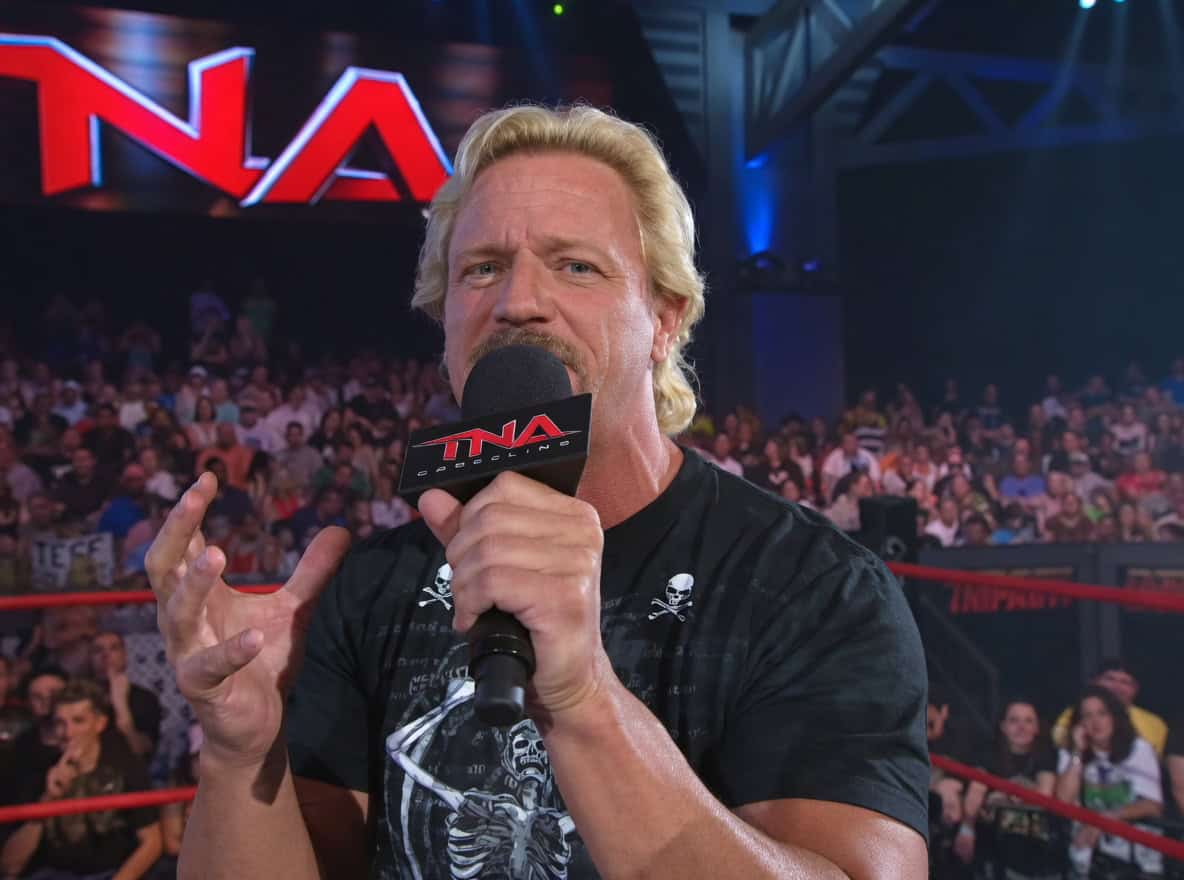
Jeff Jarrett is the ultimate survivor of the wrestling business
Forty years of guitars and gold
April 1986 seems like a lifetime ago in professional wrestling. It was an era of regional territories, VHS tapes, and the slow-motion collapse of the NWA system. That was the year a skinny kid from Memphis named Jeff Jarrett stepped into a ring for the Continental Wrestling Association. Forty years later, as we sit here on April 13, 2026, Jarrett is still active, still drawing heat, and still finding ways to stay relevant in an industry that usually chews up and spits out its legends long before their fourth decade.
Longevity in this business is rarely about athletic peak. It is about tactical adaptation and an encyclopedic understanding of what makes a crowd react. Jarrett’s career is a masterclass in the "Southern style" of psychology. He never needed to do a 450 splash to get a reaction. Instead, he mastered the art of the "cut-off," the perfectly timed ringside tantrum, and the structural integrity of the acoustic guitar as a blunt-force instrument. As PWInsider recently highlighted, celebrating 40 years in this grinder of an industry is a feat that very few can claim.
The Memphis blueprint and the WWF transition
Jarrett’s education began under his father, Jerry Jarrett, in the Memphis territory. This was the most demanding laboratory in wrestling history. In Memphis, you wrestled every night and cut promos that had to sell tickets for the next day. This environment produced a wrestler who viewed the ring as a business office. When he transitioned to the WWF in 1993 as the "Double J" character, he brought that workmanlike precision to a roster that was moving toward a more cartoonish aesthetic.
His technical work during his first Intercontinental Championship run was overlooked because of the neon tassels and the country singer gimmick. But watch his matches from 1994 and 1995. His footwork during a standard side headlock takeover was flawless. He understood spacing better than almost anyone on the roster. He was a 6-time Intercontinental Champion because he could work with anyone, from the powerhouse style of Diesel to the high-flying technicality of 1-2-3 Kid.
The WCW power play and the $300,000 exit
Jarrett’s tactical sense was not limited to the ring. He was one of the few performers who truly understood his worth during the Monday Night Wars. The most famous story of his career—demanding a reported $300,000 to drop the Intercontinental title to Chyna at No Mercy 1999—is often framed as a negative. From a tactical business perspective, it was a genius move. His contract had expired, and he held all the cards. He knew that Vince McMahon would pay to avoid the embarrassment of a champion appearing on WCW Nitro with a WWF belt.
In WCW, he became "The Chosen One." While the company was spiraling into chaos in 2000, Jarrett was the structural glue holding the main event together. He was a 4-time WCW World Heavyweight Champion because he was reliable. When the scripts were being rewritten ten minutes before showtime, Jarrett could go out and deliver a coherent 15-minute match. He didn't complain about the booking; he just made sure the guitar shots landed and the ratings stayed as stable as possible during a volatile period.
The TNA glass ceiling and the King of the Mountain
We have to talk about the TNA years, and this is where the critical analysis gets complicated. When Jarrett co-founded NWA-TNA in 2002, he saved the industry from a total monopoly. Without the Nashville Fairgrounds and the weekly PPV model, we might never have seen the rise of AJ Styles, Samoa Joe, or CM Punk on a national stage. Jarrett provided the platform, but he also occupied the top of it for far too long. This was his biggest tactical error.
The "Planet Jarrett" era of the mid-2000s saw him hold the NWA World Title for massive stretches. At Bound for Glory 2005, fans were desperate for a new era. Instead, they got more Jarrett dominance. While his matches were technically sound—his King of the Mountain matches were chaotic masterclasses in multi-man psychology—the booking created a glass ceiling. He was so focused on the survival of the company that he believed only he could be trusted with the championship. It was a defensive posture that arguably prevented TNA from ever truly challenging the WWE in the ratings.
The AEW renaissance and the Director of Business Development
In 2022, Jarrett made a shocking debut in AEW. Many fans groaned, fearing a repeat of the TNA years. They were wrong. At 58 years old, Jarrett has pivoted into the perfect role. He is a high-level heel who exists to make the younger babyfaces look like stars. His matches with Dax Harwood and Bryan Danielson showed that his timing has not aged a day. He knows exactly when to duck a clothesline and when to hide behind Karen Jarrett to get the loudest boos in the building.
Behind the scenes, his role as Director of Business Development is where his 40 years of experience truly shine. He understands international touring, live event logistics, and the "carny" math that keeps a promotion profitable. While the wrestling world focuses on the flash of WrestleMania 41 in Las Vegas next week, Jarrett is likely looking at the spreadsheets for AEW's next stadium show. He understands that the glory is fleeting, but the business is eternal.
The mechanics of the "Last Outlaw"
Tactically, Jarrett’s move set is a study in efficiency. His finisher, the Stroke, is a simple reverse Russian legsweep. It requires no high-risk bump from him and can be hit on a wrestler of any size. His use of the Figure Four Leglock is another example of Southern psychology. He doesn't just apply the move; he uses the ring ropes for extra torque, he slaps his own thigh to simulate the sound of cracking bone, and he screams at the referee to distract from the illegality. It is pure theater grounded in technical execution.
Critics often point to the "Texas Chainsaw Massacre" match in 2023 as a low point. It was undeniably silly, a corporate tie-in that felt out of place in a serious wrestling company. But even there, Jarrett leaned into the absurdity. He knew it was a "business" match designed to secure sponsorship dollars. He took the bumps, he did the work, and he moved on to the next town. That is the definition of a professional. You don't have to like every segment to respect the craft that goes into making it function.
Conclusion: Why 40 years matters
Forty years in the ring is more than just a milestone; it is an anomaly. Most wrestlers from the 1986 class are either retired, injured, or worse. Jarrett is still doing 15-minute sprints on national television. He has survived the death of the territories, the collapse of WCW, the turmoil of TNA, and the corporate shift of the modern era. He is the ultimate survivor because he never stopped being a student of the game.
As WrestleMania 41 Night 1 approaches on April 19, the conversation will be about the future and the massive scale of the modern industry. But we shouldn't forget the men like Jarrett who built the bridges to get us here. He is the bridge between the old Nashville Fairgrounds and the massive arenas of today. He is the man who proved that you can be fired by Vince McMahon on national television and still end up in the Hall of Fame. He is the Last Outlaw, and whether you love him or hate him, you have to admit that he’s outlasted everyone who tried to write him off.
WWE Elite Collection Roman Reigns Top Picks 2026 Action Figure
A highly articulated 'Original Tribal Chief' figure complete with the Ula Fala.
Frequently Asked Questions
When did Jeff Jarrett start his professional wrestling career?
How many times did Jeff Jarrett win the Intercontinental Championship?
Why did Jeff Jarrett demand $300,000 from Vince McMahon in 1999?
What was Jeff Jarrett's role and status during his time in WCW?
What are the key elements of Jeff Jarrett’s wrestling psychology?
More Coverage
TNA is spinning in circles while the fans wait for a real main event
39 minutes agoRicochet to AEW rumors gather steam ahead of major TV pivots
49 minutes ago
Creative shifts and the Triple H era: A post-McMahon reality check
an hour ago
Why Triple H checked out on Reggie before sending him to NXT
an hour ago
Could a former WWE star return to the main stage under Triple H?
an hour ago
Triple H's creative autonomy faces a real test at SummerSlam
an hour agoMore Analysis
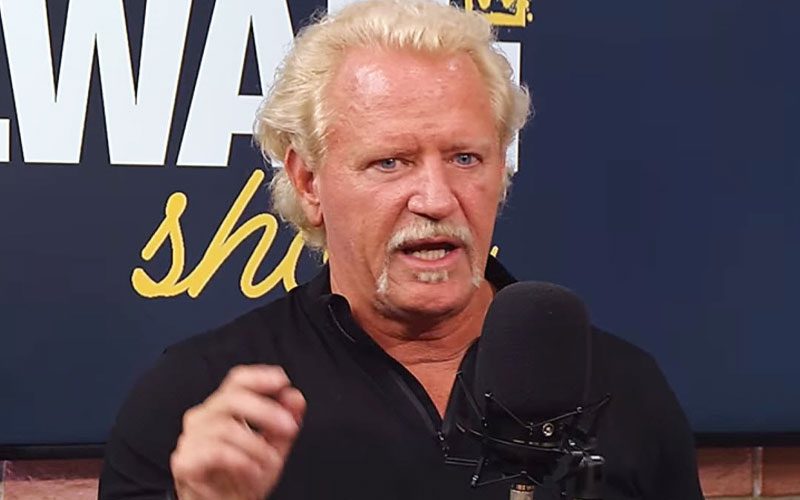
Why Jeff Jarrett remains pro wrestling's ultimate survivor
1 week, 6 days ago
Top 10: jeff
2 weeks, 1 day ago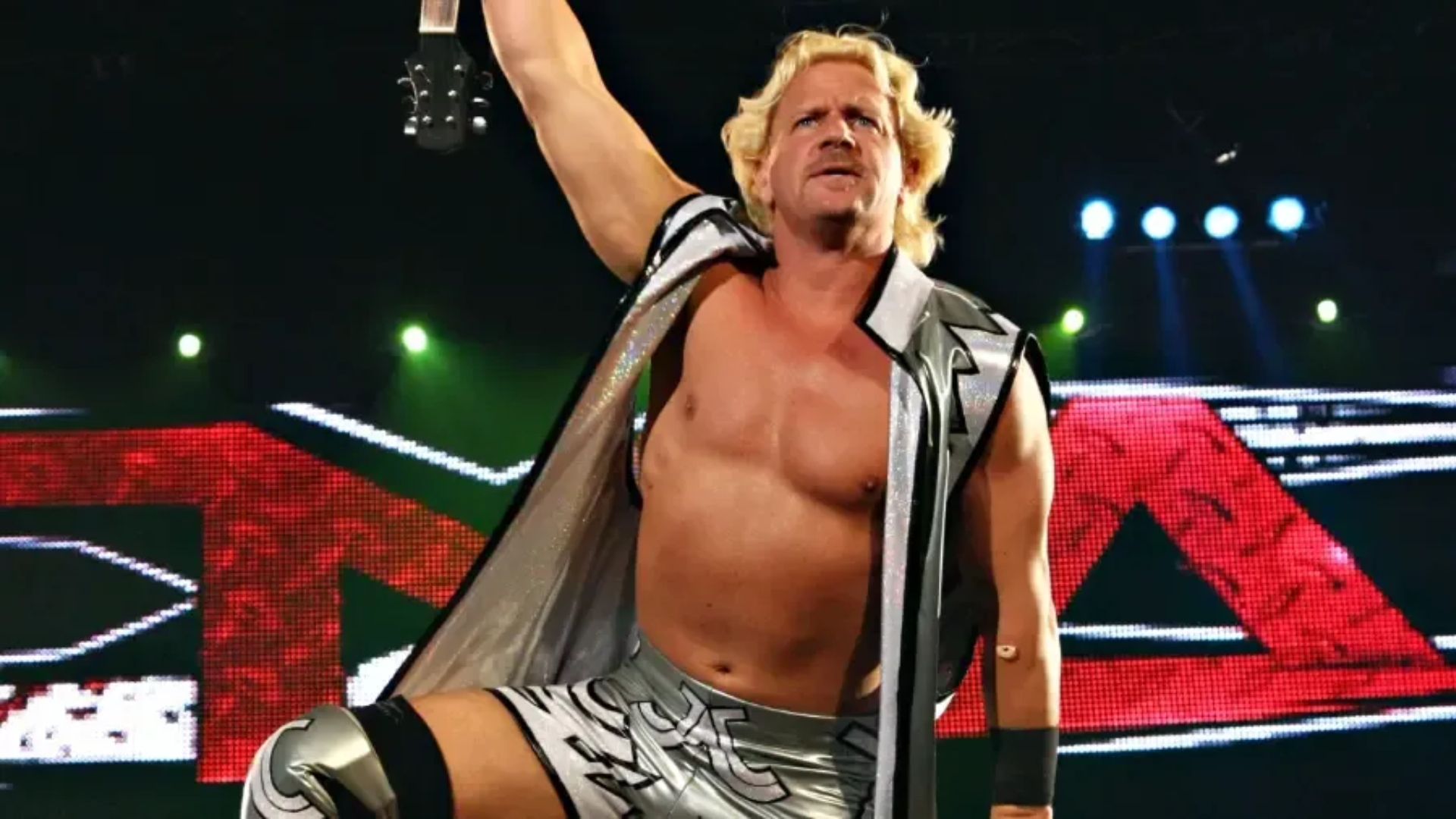
Top 10: Jeff Jarrett's Most Influential Moments and Takes
1 month, 1 week ago
Jeff Jarrett is currently the most controversial mouthpiece in wrestling
2 months ago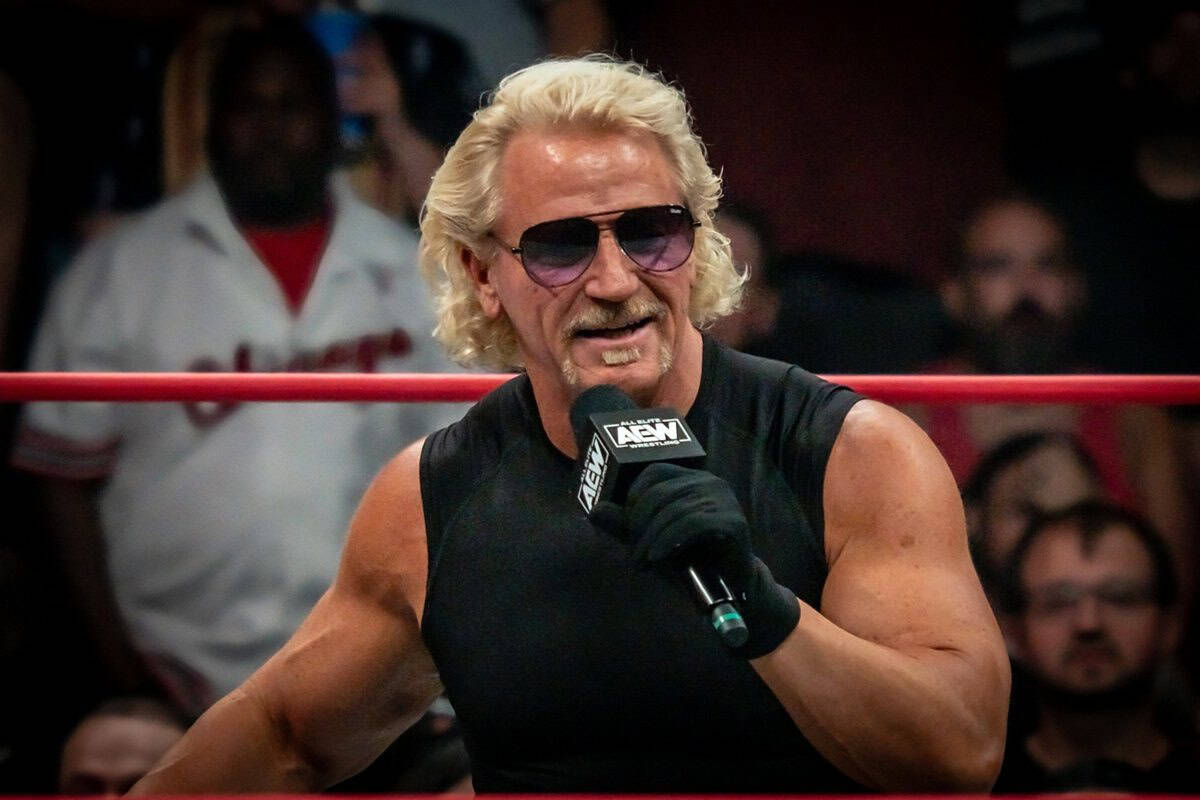
Jeff Jarrett is laying the groundwork for a TNA executive takeover
2 weeks ago