The Dark Side Return and the Revisionist History
Next week, Vice TV brings back Dark Side of the Ring with a two-part look at Jeff Jarrett and TNA. The promotion has always been a lightning rod for criticism, particularly regarding its early weekly pay-per-view era. We are about to see if the documentary crew can cut through the decade of spin that has built up around these two subjects.
For fans who watched the asylum years in Nashville, this feels like an overdue autopsy of a chaotic experiment. It represents a rare moment where the major figures involved must address their booking decisions on a public stage. Jarrett himself has been actively promoting the broadcast, encouraging former TNA president Dixie Carter to participate as F4WOnline reported recently.
This upcoming television block is not a standard retrospective. It focuses on the turbulent years when TNA tried to position itself as a viable alternative to the dominant WWE. We will see whether the documentary exposes the internal conflicts that ultimately derailed their grandest ambitions.
The Self-Booking Mechanics and the Shadow of Tragedy
To understand Jeff Jarrett's run in early TNA, one has to examine the match times and finish structures. Between 2002 and 2006, Jarrett held the NWA Worlds Heavyweight Championship multiple times in TNA. Many fans still roll their eyes at how often he booked himself at the top of the card.
Critics argue that this self-booking stifled younger talent who were ready to break through. Jarrett has shut down these claims, arguing that putting the belt on himself was a matter of financial stability. He insists that early TNA needed a reliable heel who could consistently draw money.
Let's look at the actual numbers from that era. His championship matches often exceeded twenty minutes and were defined by run-ins, referee bumps, and guitar shots. This repetitive booking structure became a signature of early TNA main events.
While AJ Styles and Raven provided the high-workrate performances, Jarrett functioned as the narrative anchor. Whether this was an ego move or a survival strategy is a debate that has lasted two decades as WrestlingNews.co detailed in their recent coverage. Next week's broadcast will force both Jarrett and Carter to justify these booking philosophies.
The biggest flaw of this era was the lack of upward mobility for the undercard. Excellent cruiserweights and tag teams were relegated to opening spots while the main event remained stagnant. Jarrett's refusal to drop the title to rising stars at their peak moments damaged the company's long-term credibility.
Wrestling in the Shadow of Tragedy
Perhaps the most difficult segment of the upcoming double-header will focus on the Owen Hart tragedy. On May 23, 1999, Owen Hart fell to his death at WWF Over the Edge. Jarrett was forced to perform in the match that immediately followed that horrific incident.
The psychological toll of working under those conditions is difficult to comprehend. Performers had to mask their grief and execute their moves in a ring that had just witnessed a fatal fall. Jarrett's reflections on this night will likely provide the emotional core of the documentary, as he recently opened up about this trauma in a WrestleTalk interview.
It highlights the cold, sometimes cruel reality of the professional wrestling business. The show must go on is a mantra that has often been pushed to destructive extremes in this industry. Watching Jarrett detail the backstage atmosphere after that fall will be incredibly difficult but necessary viewing.
This segment will show the massive divide between the scripted entertainment and the real human cost behind the curtain. It reminds us that wrestlers are performers who are often treated as disposable assets. The documentary will likely spark fresh debates about the safety standards of the era.
Modern Echoes: The WWE ID Conflict and Roster Demands
The friction between major corporations and independent promotions is not just a historical relic. We are seeing a modern version of this conflict play out with the new WWE ID program. Recently, independent promotion PRODUCE Wrestling took shots at WWE after two of their top stars were pulled from a show.
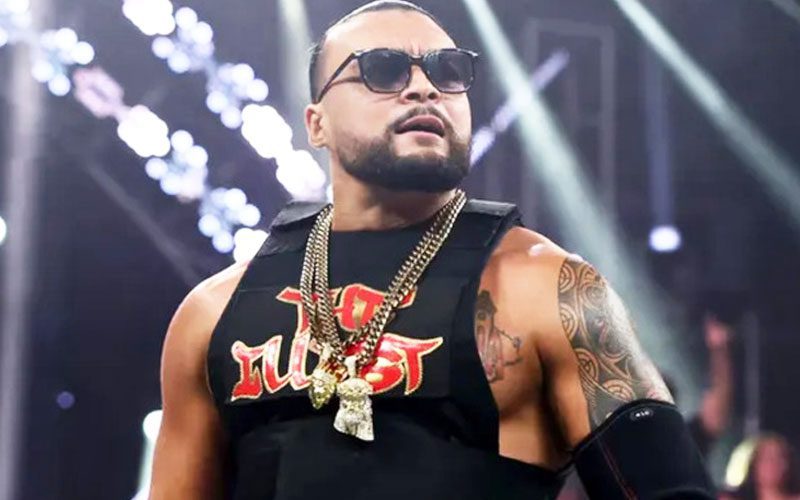
Marcus Mathers and Chazz "Starboy" Hall were abruptly removed from the upcoming independent card. The promoter publicly claimed that the WWE ID system has conned talent by restricting their bookings. It shows how WWE continues to consolidate control over the independent scene under the guise of developmental partnerships.
This talent removal echoes the old territorial tactics that TNA tried to combat in its early years. While WWE ID promises exposure and a path to the main roster, it also strip-mines local indies of their drawing power. Promoters are realizing that these partnerships often come with a high hidden cost.
The independent scene relies on consistent booking to build local fanbases. When major corporate entities intervene and disrupt advertised matches, it damages the credibility of local promotions. This tension shows that the battle for control of the wrestling business is still ongoing.
The Cost of the Main Roster Dream
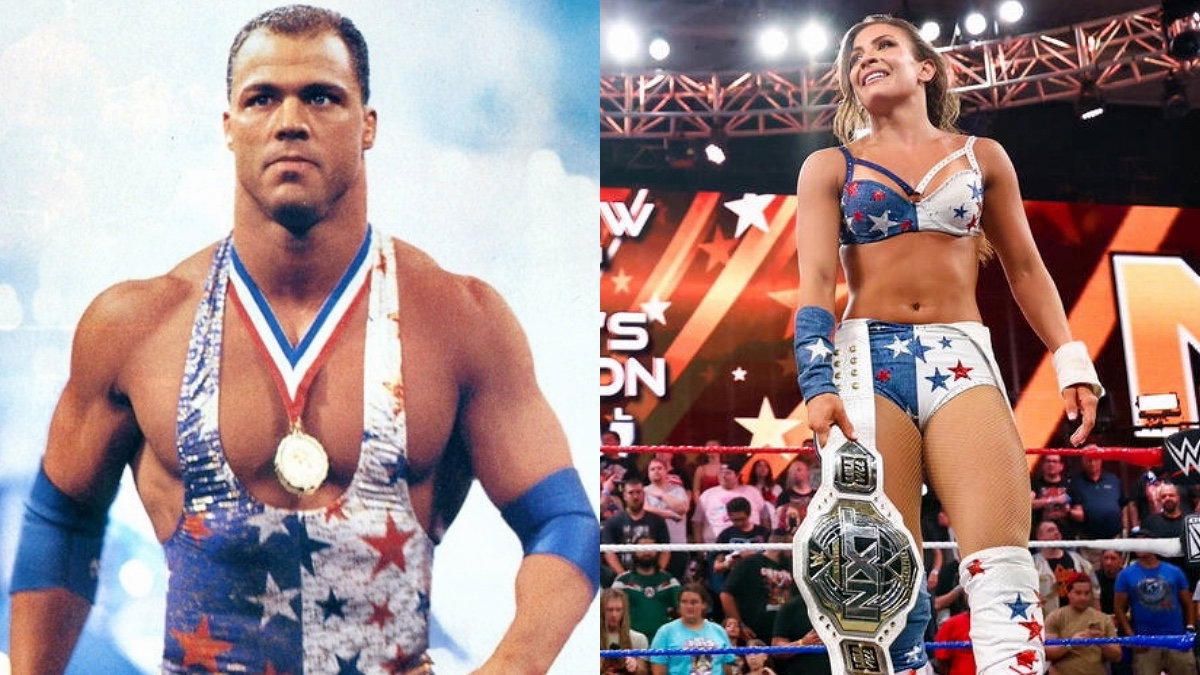
The pressure on modern developmental talent is further highlighted by Fallon Henley's recent comments. Henley, who has spent almost five years in NXT, revealed she almost turned down her WWE contract in 2021. This hesitation followed the tragic loss of her sister during that pivotal signing window.
It serves as a stark reminder of the personal sacrifices demanded by the corporate wrestling machine. Talent must often perform through intense personal grief just to maintain their spot on the roster. Cody Rhodes has also spoken about the stress of working main roster television shows as a top champion.
The transition from NXT to the main roster is a grueling process that tests physical and mental limits. Rhodes described the intense scheduling and corporate demands that accompany the Undisputed WWE Championship. It proves that even at the very top, the modern wrestling system is designed to consume its stars.
These personal struggles highlight the human cost of the television product we consume weekly. While fans focus on match quality and storyline progression, the performers are battling real-world trauma. The upcoming documentary will likely force viewers to confront these realities.
A Bold Prediction for the Dark Side Double-Header
The upcoming Vice TV documentary will not satisfy everyone, but it will expose the structural flaws of early TNA. We predict that Dixie Carter's appearance will show how corporate naive decisions allowed Jarrett to dominate the booking. The double-header will reveal that TNA's failure to defeat WWE was due to internal structural failures, not external forces.
We expect the Over the Edge segment to be the most honest portion of the broadcast. Jarrett will likely receive praise for his candor regarding the Owen Hart tragedy. However, his defense of his self-booking as NWA Champion will remain unconvincing to long-time analysts.
Ultimately, the documentary will cement Jarrett's legacy as a brilliant promoter who was his own worst enemy. The double-header will highlight how TNA's booking patterns doomed its chances of ever truly competing with WWE. It will be a fascinating, if painful, look at a wild era in wrestling history.