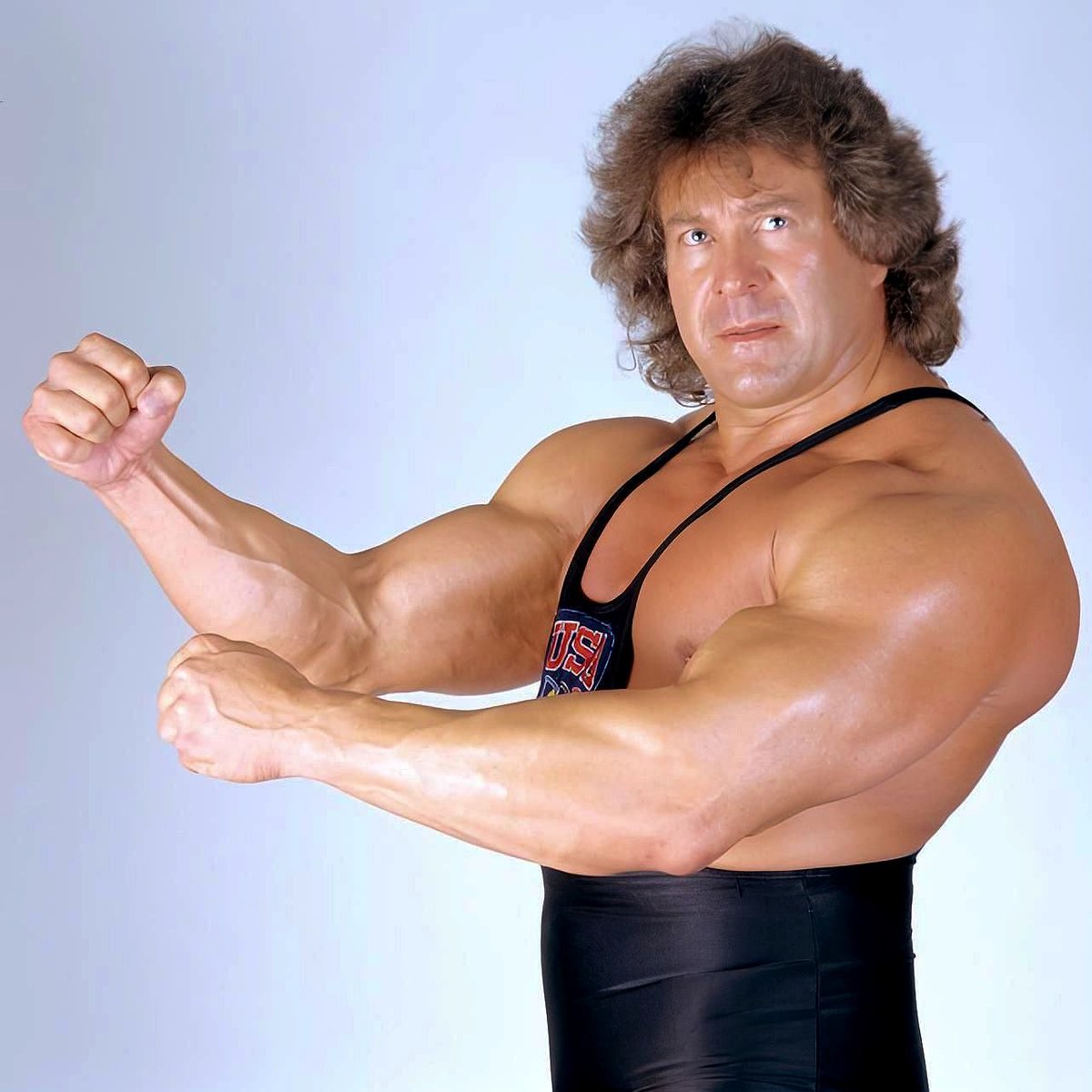
Why Jeff Jarrett remains pro wrestling's ultimate survivor
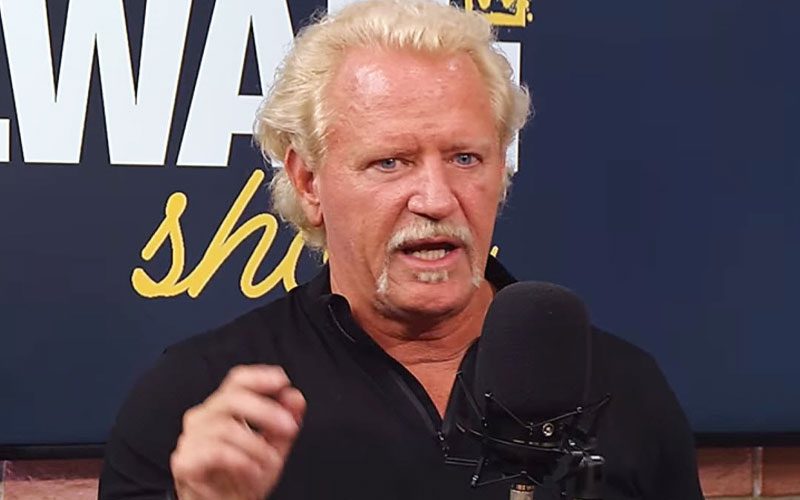
Professional wrestling does not do quiet exits. Yet, Jeff Jarrett has managed to slip away from the squared circle without a formal retirement or a farewell tour. As of today, it has been 523 days since Jarrett last wrestled a match inside an AEW ring.
That last bout occurred on the January 29, 2025, episode of AEW Dynamite. On that night, Claudio Castagnoli pinned the WWE Hall of Famer in a brief, physical encounter. Since then, Jarrett has vanished from AEW's active in-ring roster, relegated instead to the pre-show panel.
For a performer who spent decades as the focal point of entire promotions, this relegation is jarring. Some fans suspected a quiet retirement, while others assumed a backstage injury had sidelined the veteran. According to Ringside News, Jarrett insists there is no grand conspiracy behind his absence.
Speaking to Ariel Helwani, Jarrett explained that he simply performs the role assigned to him by AEW management. He hosts the Zero Hour pre-shows because that is what creative requests. Jarrett made it clear that he has no booking power or office responsibilities in Jacksonville.
"So I'm very comfortable," Jarrett stated, noting that he does not work in creative or talent relations. "I'm just a talent."
This statement represents a massive shift for a man whose name was once synonymous with backstage control. In WCW and TNA, Jarrett was frequently accused of using his position to keep himself on top. Now, at fifty-eight, he appears content to be a modular asset for Tony Khan.
Yet, this submissive posture feels slightly disingenuous. Jeff Jarrett has always been a political animal, surviving through promoter transitions, corporate buyouts, and roster purges. By positioning himself as a simple employee, he avoids the heat that comes with AEW's booking controversies.
His placement on Zero Hour also keeps him visible without requiring him to take bumps. He remains on the payroll, collects a check, and maintains his national television exposure. It is a masterclass in longevity from a performer who knows how to stay valuable.
The Fiduciary Heavyweight
To understand Jarrett's current AEW passivity, one must look back at his most controversial period. For years, fans criticized Jarrett for booking himself as the top champion of TNA Wrestling. Between 2002 and 2006, he held the NWA World Heavyweight Championship six times.
Critics like Conrad Thompson, Dutch Mantel, and Vince Russo frequently accused him of ego-driven booking. They argued that Jarrett held back rising stars to keep the spotlight on himself. Speaking recently with Chris Van Vliet, Jarrett mounted a fierce defense of those decisions.
Jarrett explained that when internal critics questioned his title reigns, he reminded them of the financial reality. "Do you really think that Jeff Jarrett, who has the most money at risk, is going to make a decision based on ego rather than dollars and cents?" Jarrett asked.
As the primary investor and shareholder, Jarrett was the only top star guaranteed not to jump to WWE. Had he put the title on a younger star immediately, Vince McMahon could have signed them away. Jarrett served as a fiduciary placeholder while the company built its long-term assets.
As documented by the Wrestling Observer, Jarrett pointed to the company's growth as validation. Under his leadership, TNA went from weekly pay-per-views to national television on Fox Sports Net. It eventually secured prime-time slots on Spike TV, expanding to a two-hour weekly broadcast.
"Do you really think that Jeff Jarrett, who has the most money at risk, is going to make a decision based on ego rather than dollars and cents?"
The growth metrics under Jarrett's leadership show a clear trajectory:
- Spike TV expansion from one hour on Saturday nights to two hours in prime-time slots
- Transition from weekly pay-per-view-only events to national cable distribution
- Development of homegrown talent like AJ Styles into main-event draws
"None," Jarrett answered when asked if he regretted booking himself as champion. "My track record, I'll say this: our track record speaks for itself."
His booking philosophy was built around a strong heel champion. Jarrett believed that babyfaces like AJ Styles needed a villain to chase in order to build emotional investment. By playing the ultimate corporate antagonist, Jarrett drew the heat necessary to elevate younger talent.
However, this defense ignores the creative fatigue that settled over TNA during his reigns. While Styles eventually broke through, Jarrett's constant presence at the top frustrated fans. Ratings often plateaued during his lengthy championship runs, suggesting that his presence capped TNA's growth.
The shoestring budgets he references were real, but they also limited the company's production values. TNA survived, but it rarely threatened WWE's market dominance. Jarrett's self-booking was a survival mechanism, but it was also a ceiling.
The Vice TV Reckoning
The legacy of that TNA era faces an intense public re-evaluation. The docuseries Dark Side of the Ring is set to premiere its seventh season on July 7, 2026. The two-hour premiere will focus entirely on Jarrett and the history of TNA.
The documentary will tackle the highly publicized breakdown of Kurt Angle's marriage and Karen Angle's subsequent relationship with Jarrett. A teaser clip released by Vice features former TNA star Awesome Kong discussing the backstage rumors. Kong recalled that the locker room believed Karen had left Kurt for Jeff.
Karen Jarrett will speak publicly about the situation for the first time in the documentary. According to PWInsider, Karen disputes the narrative that an affair broke up her marriage.
"People thinking that that marriage got broken up by a love affair, that is not what happened," Karen states. Jeff Jarrett has also maintained that their relationship only began after divorce proceedings were already underway.
The episode will also highlight the physical toll the TNA schedule took on Kurt Angle. Jim Cornette notes in the teaser that Angle was wrestling through severe injuries during his tenure. The promotion's reliance on injured stars was a constant risk during its formative years.
Jarrett revealed that he personally called Dixie Carter to encourage her to participate in the documentary. The two have had a strained relationship since before the death of Jarrett's first wife, Jill, in 2007. Despite the tension, Jarrett urged Carter to share her side of the story.
"Dixie, I know you’ve been asked dark side," Jarrett recalled telling her. "All I really want to say is I’m encouraging you to sit down and and and and tell your version. Tell your truth."
Carter ultimately declined to participate, indicating that she had moved on from that period of her life. Her absence leaves a major hole in the documentary's narrative. Carter served as TNA President for nearly thirteen years, making her perspective essential.
Jarrett's willingness to participate in the project shows his confidence in his own narrative. He understands that controversy keeps a wrestling personality relevant in the modern media space. Even if the documentary paints him in a negative light, it ensures his name remains in the headlines.
The Ultimate Utilitarian
This willingness to confront uncomfortable history has always defined Jarrett's career. He has survived tragedies that would have broken other performers. The most chilling example occurred on May 23, 1999, at WWF Over the Edge in Kansas City.
Owen Hart fell 90 feet from a harness prior to his scheduled Intercontinental Championship match. Hart lost his life in the ring, but the pay-per-view broadcast continued. Jarrett was sent out to wrestle immediately after the tragedy occurred.
Jarrett dressed in a makeup room adjacent to Hart's dressing area. He was stretching when the news of the fall reached the back. Within minutes, television officials told Jarrett he had to go out for his match.
Jarrett and Debra walked past the area where medical personnel were wheeling Hart's body. They conducted a backstage promo with Kevin Kelly before entering the ring. Jarrett wrestled Val Venis in a mixed tag team match while the locker room was in shock.
"When I'm called to wrestle, I will wrestle," Jarrett said, reflecting on his professional mindset. That ability to compartmentalize has allowed him to endure the harshest realities of the wrestling business.
His survival instincts extend to his personal life as well. During his first wife Jill's battle with cancer, Jarrett built a surprising connection with a young Taylor Swift. The country star went to high school with Jarrett's daughters in Hendersonville, Tennessee.
Swift's debut single, "Tim McGraw," was just beginning to play on country radio. A mutual friend asked Swift to perform a private concert for Jill and the girls. This week marks the 20th anniversary of that single, and Jarrett recently detailed their lasting friendship.
Following Jill's death, Swift regularly visited the family to bake cookies and support the girls. Jarrett confirmed that Swift was never a paid babysitter, but rather a genuine family friend. "She became a family friend and I can officially say, she's never been on the Jarrett payroll," Jarrett noted.
This ability to cultivate valuable relationships has served Jarrett well in AEW. During Forbidden Door weekend, Jarrett hosted the buy-in pre-show and praised the talent. He singled out the Young Bucks and Will Ospreay, calling the Bucks as good as they have ever been.
His focus on his AEW duties meant he did not watch TNA's Slammiversary event. This public display of loyalty to AEW is classic Jarrett. He aligns himself with his current employer completely, protecting his position on the roster.
But this loyalty has cost him his in-ring presence. AEW's roster is bloated, and younger talent often struggles to find television time. Jarrett's old-school heat is a valuable tool, but Khan has chosen to keep him on the desk rather than in the ring.
Jarrett remains ready to wrestle if called upon, but he is realistic about his position. He has transitioned from a promoter-wrestler to a corporate representative. It is a less prestigious role, but it is one that guarantees his survival in a volatile industry.
Read Next
Dark Side of the Ring: The Official Guide to Pro Wrestling's Greatest Hits
A deep dive into the wildest and most controversial stories in wrestling history
Frequently Asked Questions
When was Jeff Jarrett's last match in AEW?
What is Jeff Jarrett's current role in AEW?
Why did Jeff Jarrett book himself as champion in TNA?
Who defeated Jeff Jarrett in his last AEW match?
How many times did Jeff Jarrett hold the NWA World Heavyweight Championship?
More Coverage
Stephen Farrelly rejects WWE injury pay cut as free agency looms
2 hours ago
Why WWE is turning back to its former champions to solve roster depth
3 hours ago
Stephen Farrelly's WWE contract exit sparks intense AEW and TNA signing rumors
3 hours ago
AEW locker room is already split over rumored Sheamus signing
5 hours ago
Jeff Jarrett says he's happy in AEW, but the TNA sale rumors won't die
5 hours ago
Why Jeff Jarrett was right to squeeze Vince McMahon before losing to Chyna
6 hours agoMore Analysis
Jeff Jarrett is the ultimate survivor of the wrestling business
2 months, 3 weeks ago
Jeff Jarrett is currently the most controversial mouthpiece in wrestling
1 month, 2 weeks ago
Top 10: jeff
2 days, 4 hours ago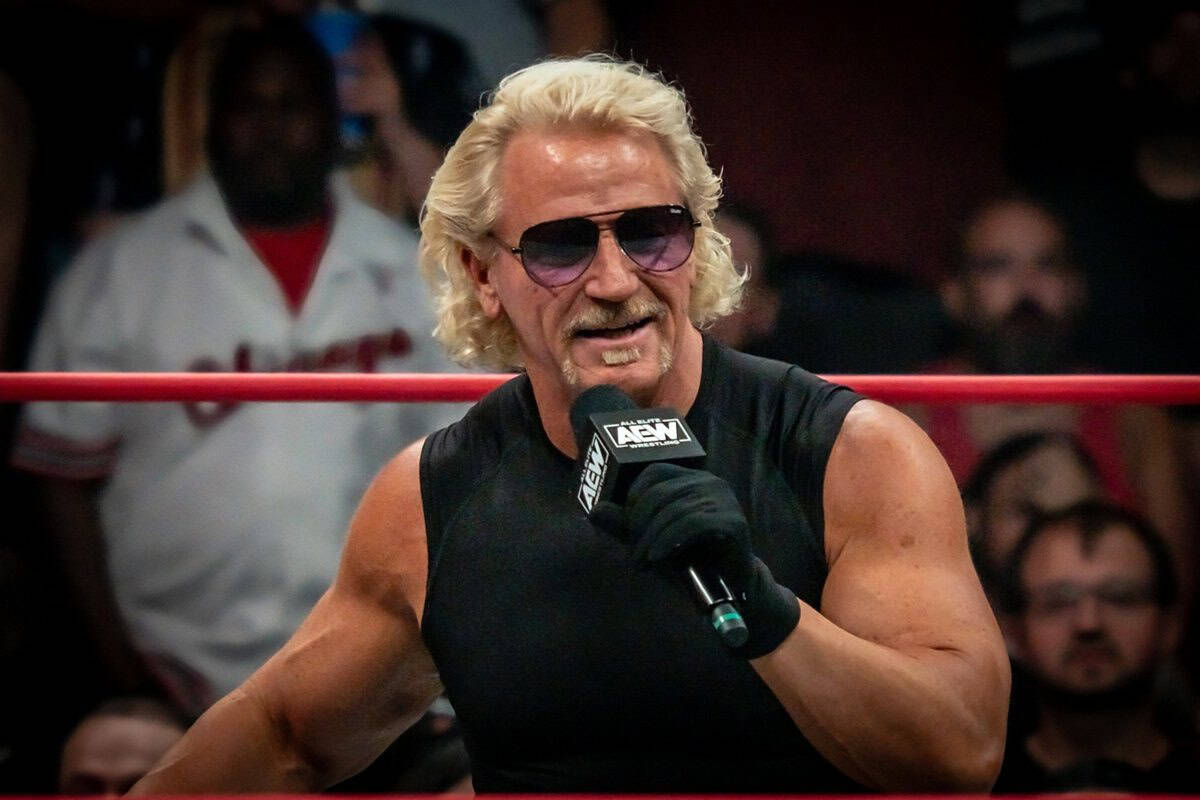
Jeff Jarrett is laying the groundwork for a TNA executive takeover
1 day, 3 hours ago
Top 10: Jeff Jarrett's Most Influential Moments and Takes
3 weeks, 3 days ago