The Sellersville Benefit
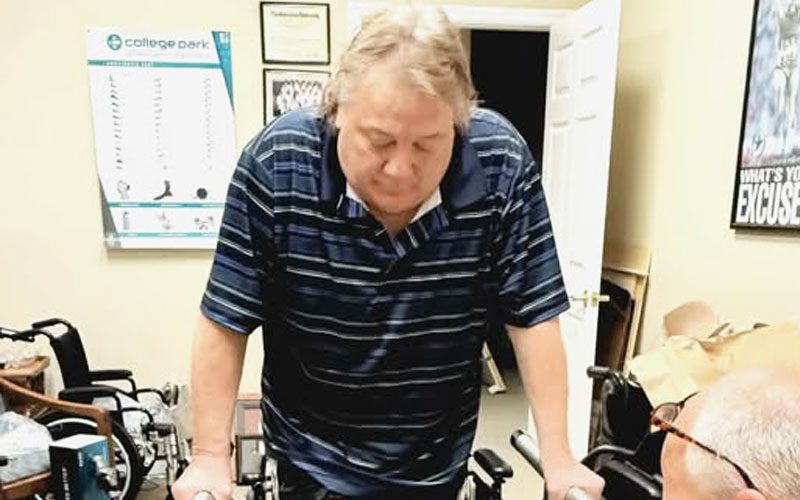
The independent wrestling community is rallying around Jeff Cannonball. On June 20, 2026, Sellersville, Pennsylvania, will host Cannonbalooza, a benefit show designed to offset the ongoing medical costs associated with the wrestler's recent injury. This event marks a significant mobilization of talent and support for a performer known for a style that consistently pushed physical boundaries.
The event is scheduled at the Sellersville Theater. Organizers have structured the show to maximize fundraising capability for the Cannonball family. While the official card remains in flux, the backing from regional promotions underscores the necessity of these events when safety nets fail to catch high-risk workers. Jeff Cannonball has long been a fixture of the hardcore scene, a sector where the line between athleticism and long-term bodily impact is often dangerously thin.
The Reality of Hardcore Tolls
This situation highlights the precarious nature of independent wrestling medical care. Athletes who specialize in high-impact spots, chair shots, and table spots frequently operate without the benefit of institutional insurance plans found in major promotions. When an injury requires long-term care or surgery, the financial burden routinely shifts to the individual and, by extension, the community.
History is replete with similar benefit circuits within the wrestling industry. From ECW veterans hosting fundraisers in the early 2000s to modern GoFundMe campaigns, the industry has always relied on peer support to manage the aftermath of the ring. This is not a sustainable model for the industry's health, yet it persists as the primary safety mechanism for independent workers. The lack of standardized medical protocols across the regional circuit continues to leave performers vulnerable.
Strategic Shifts in Independent Wrestling
The decision to host a dedicated benefit event like Cannonbalooza serves as an admission that the current independent booking model lacks a robust contingency for worker recovery. Promoters often operate with razor-thin margins, prioritizing the show's next gate over the welfare of those on the bottom of the card. When a veteran like Cannonball goes down, those margins don't provide for surgeries or rehabilitation.
Criticism of the current system remains focused on the absence of centralized oversight. Without a governing body or unionized protection, wrestlers often return to the ring too early to pay bills, turning manageable injuries into permanent disabilities. Cannonbalooza is a necessary immediate fix for a specific family, but it does nothing to prevent the next vacancy in the roster caused by medical insolvency. The industry continues to ignore the long-term clinical data regarding chronic injuries.
The Impact on the Regional Circuit
Local promotions in the Pennsylvania and New Jersey areas rely on a revolving roster of talent like Cannonball to drive ticket sales. When these names are removed due to injury, the talent pool thins. This creates a reliance on younger, greener talent who may not have the experience to perform high-risk maneuvers safely, potentially increasing injury rates further. The cyclical nature of these injuries is a known issue, yet rarely addressed in pre-show production meetings.
As PWInsider reported, the logistics for the upcoming benefit are being finalized by local organizers. Success depends on the turnout. While the community has historically shown up for its own, there is a limit to how many benefit shows the regional fan base can support. The industry must eventually reconcile the draw of high-risk hardcore wrestling with the practical costs of long-term athlete physical maintenance. Until then, these events serve as the only bridge between a career-ending injury and financial stability.