The math behind the cage is starting to smell like a locker room at 2 AM
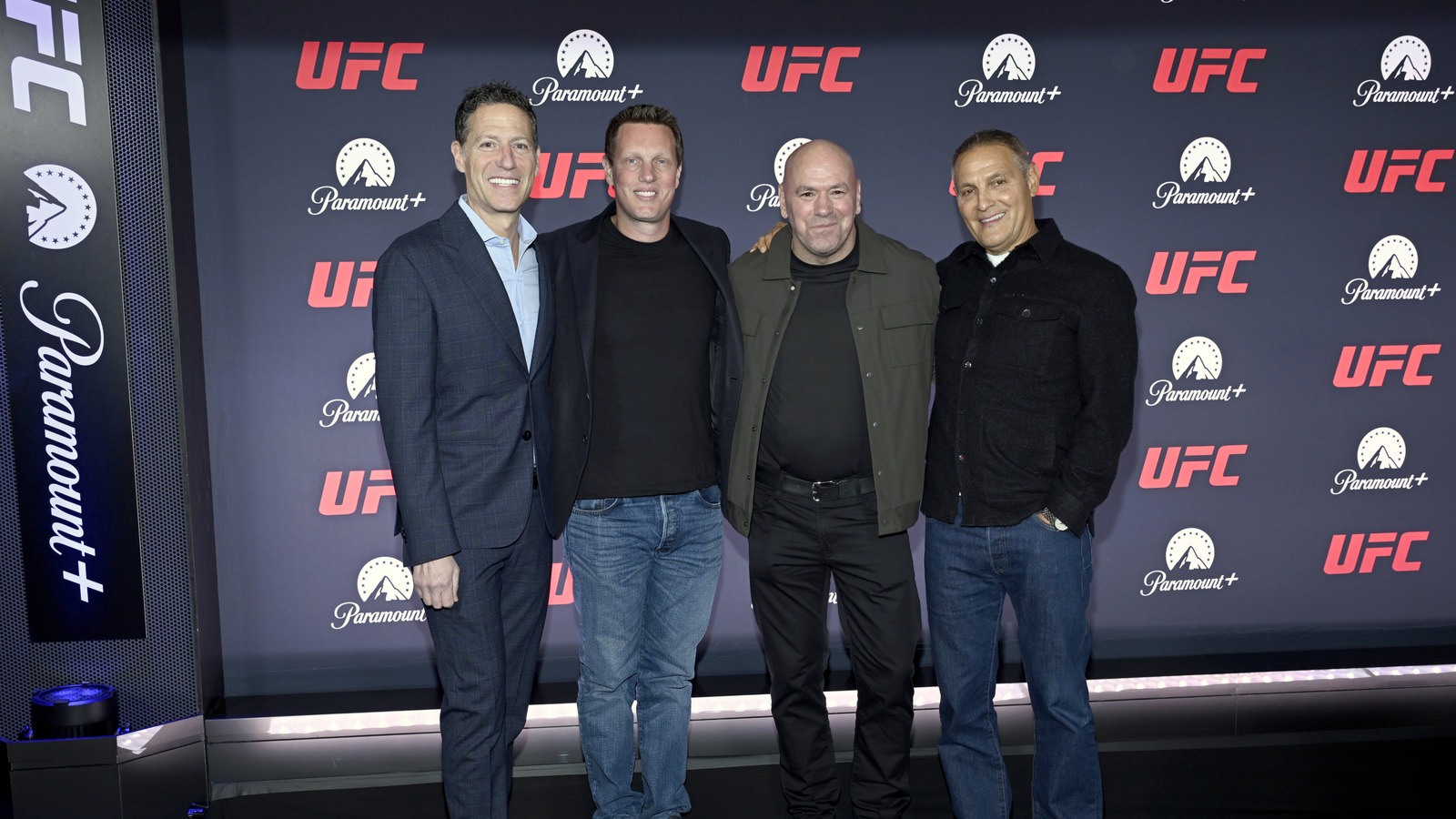
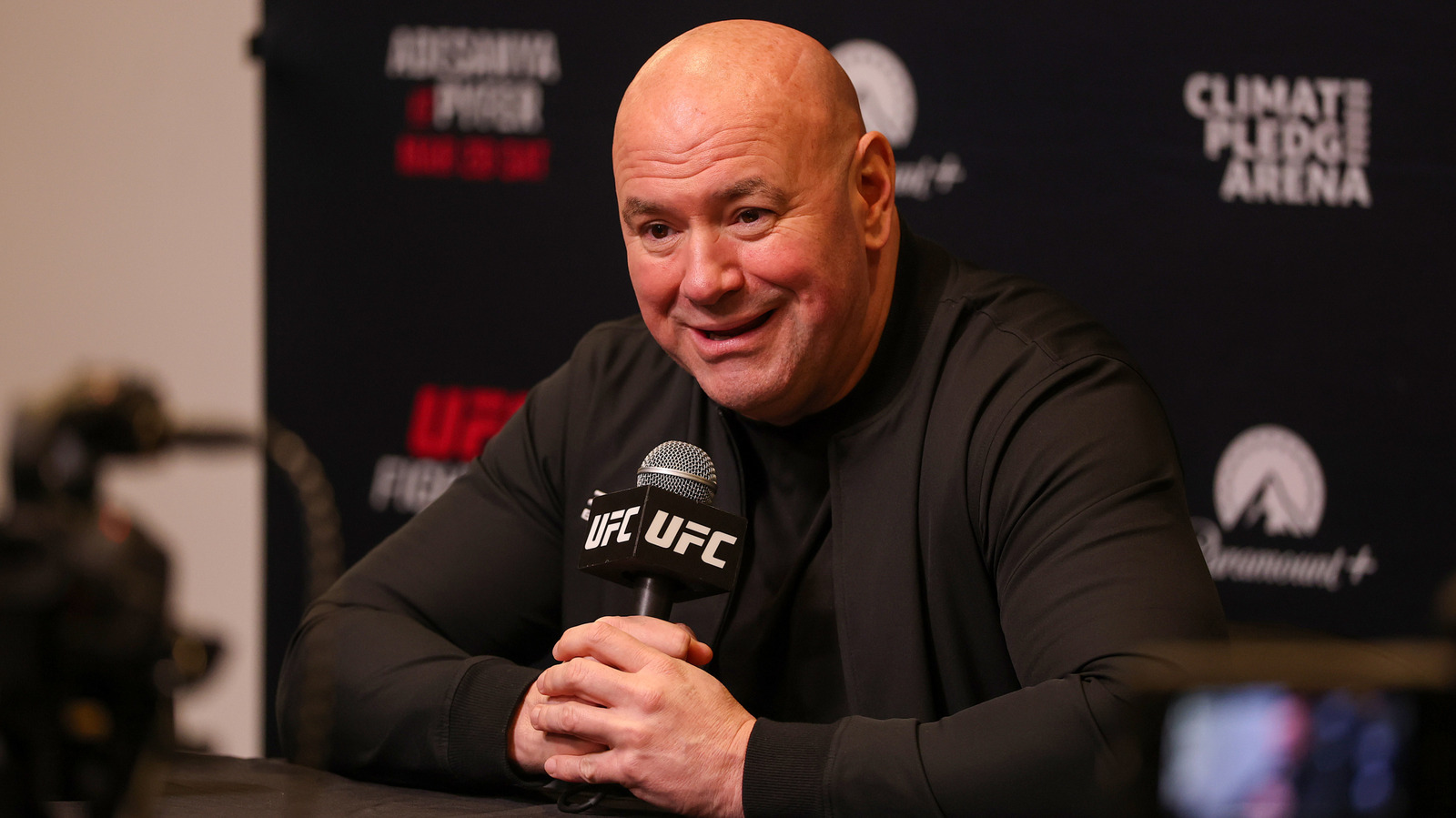
If you have been paying attention to the actual numbers instead of the shiny production value of the UFC lately, you might have felt a similar urge to throw a chair across your living room. Luke Thomas has been dissecting the new Paramount deal, and he is correctly pointing out something that the average fan usually ignores until their wallet starts crying. We are watching a company try to convince us that a massive media rights shift is pure genius, but the financials are about as transparent as a muddy puddle in Jersey.
Luke Thomas has pointed out the absurdity of how these corporate entities think they can just shove these rights fees down our throats without us asking where the profit margins are hiding. We are talking about massive, bloated contracts that seem built on hope rather than actual subscriber conversion. It feels like 1998 all over again when WCW thought they could buy out the entire roster just to spite Vince McMahon, only to realize that having a big name on the marquee does not necessarily mean you can keep the lights on.
Why the UFC-Paramount relationship feels built on sand
When you look at the raw numbers, you have to ask yourself who is actually winning here. The UFC historically survives by squeezing every drop of effort out of fighters like Jon Jones or Conor McGregor and then selling that premium to networks who are desperate for live sports content. Paramount is betting the farm on the idea that fight fans are going to flip their loyalty like a switch, but history is not on their side.
I remember watching the fallout of the TNA-Spike TV era, where people in suits thought they had cracked some code for cable longevity. They focused everything on the brand instead of the sustainability of the partnership, and we know how that ended up. Now, we have a major media house playing risky games with UFC rights while the industry holds its breath. The math just does not work when you look at the cost of acquisition per viewer, especially as the streaming world becomes more fragmented than an old school battle royal.
The creative bankruptcy hiding behind the corporate pivot
It is not just about the money, obviously. When you tie your wagon to a content model that feels this fragile, the product on the screen inevitably suffers because the focus shifts from the actual sport to the quarterly earnings report for the shareholders. We are seeing it in the way the cards are being structured lately, with names being prioritized over merit, reminiscent of how WWE handled the mid-2000s when they were obsessed with brand dilution. You see fighters who have not earned their spot getting premier placement, and the audience can smell the desperation.
We are just three days out from WrestleMania 41, and while everyone is focused on the Triple H booking decisions, the industry at large is looking at these UFC financial nightmares and wondering if reality is about to hit the combat sports world. If Paramount is forced to pull back after a bad quarter, the entire landscape of how we consume these fights could change in the blink of an eye. We saw this with the regional sports networks failing, and this feels like the next domino in that chain.
The worst part is that we keep pretending these massive corporate deals are for the fans, but we are the first ones who lose when the budget cuts hit. You end up with a clunky app experience, higher monthly fees, and lower production quality once the initial investment money has been burned through. It is a cycle we have watched in the wrestling business for thirty years, and I am tired of pretending that these analysts like Thomas are being too cynical. If anything, they are being too generous given the history of failed broadcast experiments in this industry.
When you strip away the hype, this deal with UFC feels like a $200 million dollar gamble on a subscriber base that is already tapped out. You can only churn so many viewers before the well runs dry, and it seems like the guys in the suits have forgotten that the viewer is a person, not a data point on a spreadsheet. I look at this current situation and expect a major correction by the time we hit the next fiscal year, likely leading to some ugly talent releases or, worse, a complete devaluation of the product.
I would bet my last dollar that by the time we get to WWE Backlash in May, we will be hearing even more noise about these rights deals falling apart. The writing is on the wall, and ignoring it just because you enjoy the fights is a fool's errand. We need to hold these networks and promotions accountable for the garbage math they try to sell us as a winning future. The honeymoon phase for a lot of these televised sports deals is officially, and painfully, coming to a close.