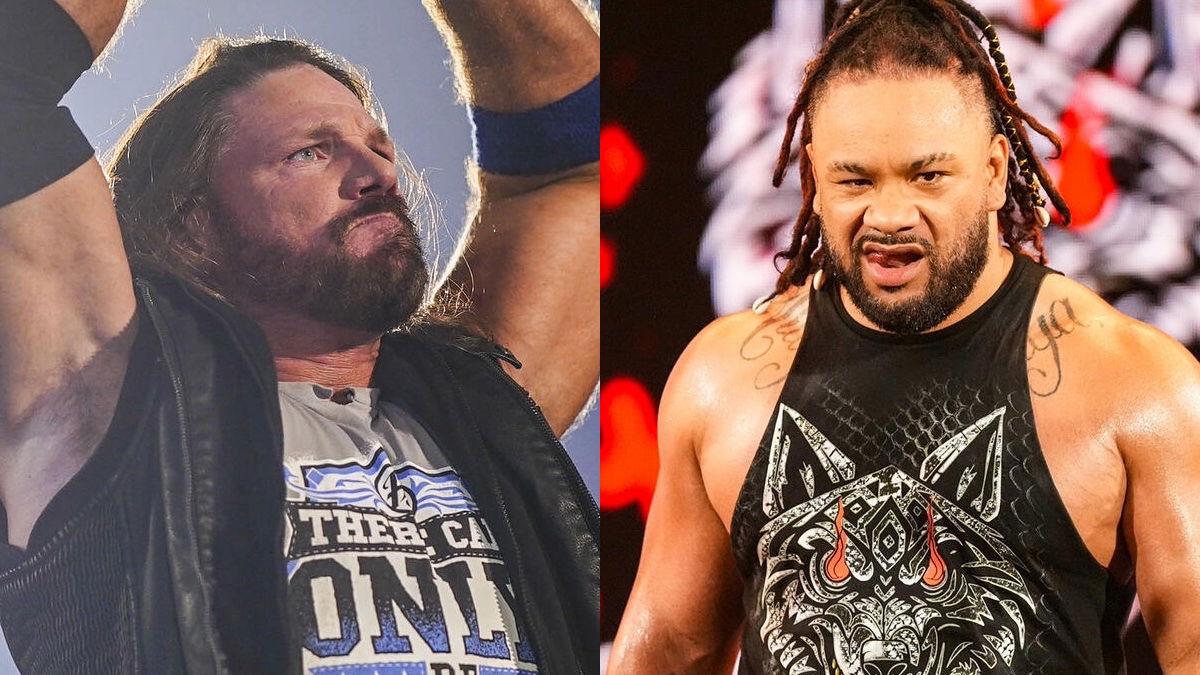
AJ Styles' retirement at the Royal Rumble was one of those rare moments where the industry genuinely stops. In an era where surprise returns and debut angles dominate the conversation, the finality of a legend walking away still hits different.
The Phenomenal One didn't just have a match. He closed the book on a career that shaped modern wrestling. But what followed the show has been just as compelling as the retirement itself.
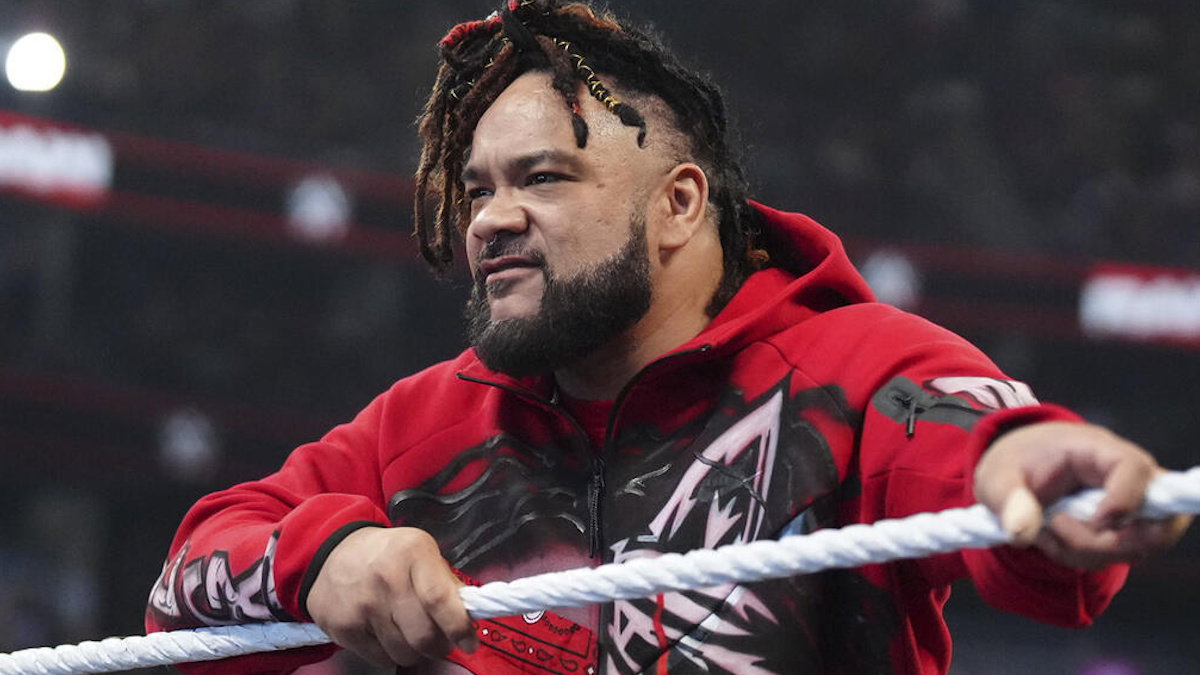
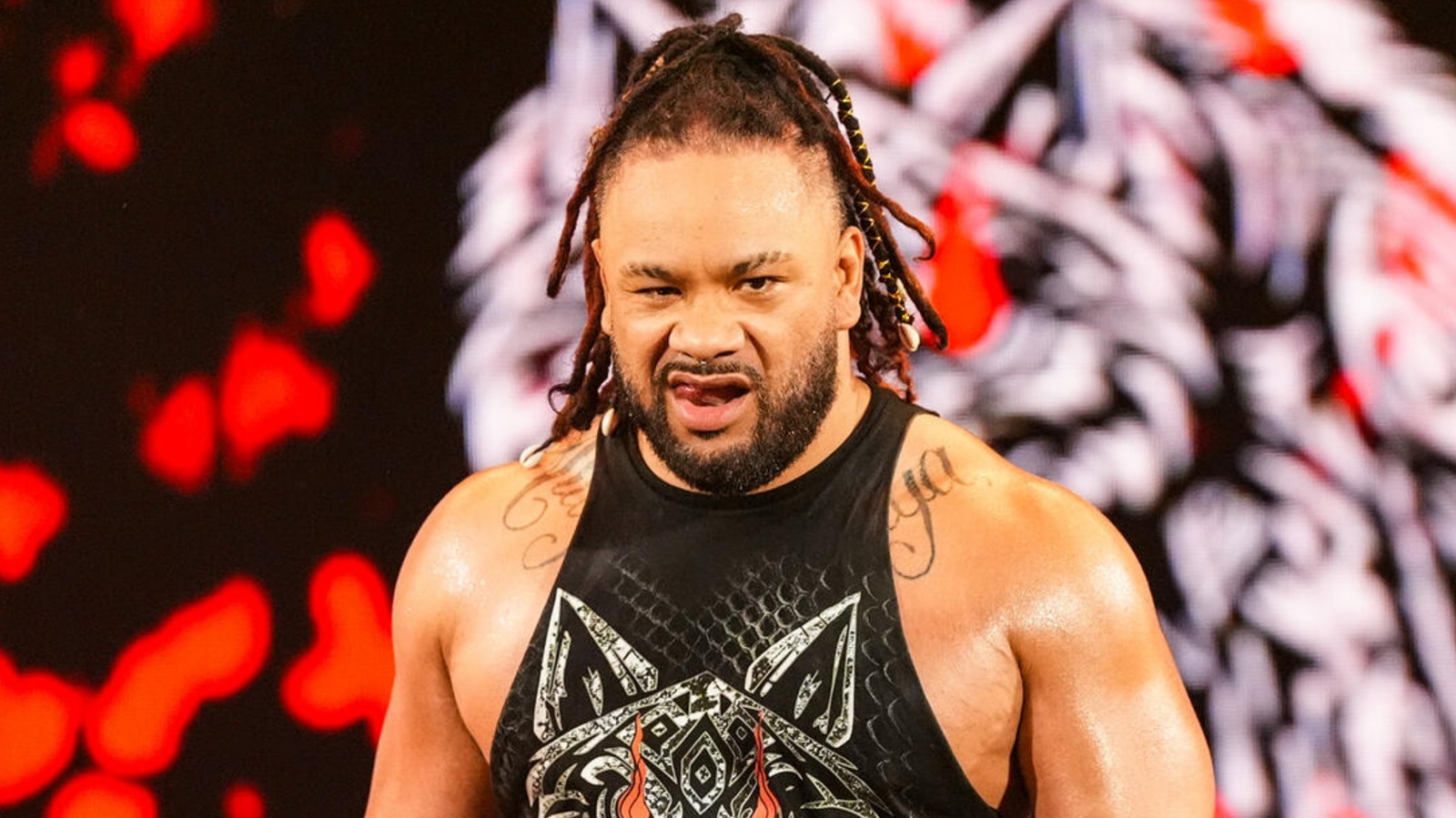
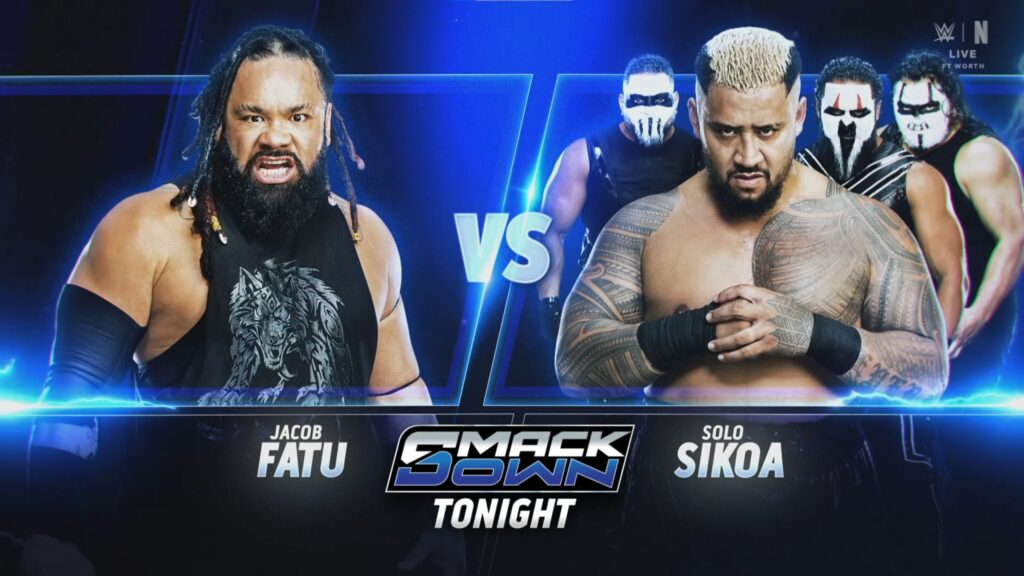
Behind the curtain, the reaction to Styles hanging up his boots has been universally emotional. According to WrestleTalk, Jacob Fatu recently opened up about how he and his family truly view the now-retired veteran. This insight pulls back the curtain on a dynamic that fans rarely get to see.
The Bloodline, for all their on-screen dominance and villainous posturing, operates with a strict code of respect backstage. Fatu’s comments highlight a fascinating juxtaposition. On television, the Bloodline and AJ Styles have been bitter enemies.
We all remember the brutal beatdowns and the relentless numbers game. Yet, behind the scenes, the Samoan dynasty holds Styles in the highest possible regard. It highlights a reality of the wrestling business that often gets obscured by the weekly drama.
The sharpest rivals on-screen are frequently the closest allies behind the curtain.
The Phenomenal Impact on the Anoa'i Family
When you look at the timeline of the Bloodline's rise, AJ Styles was often the perfect foil. Roman Reigns needed credible challengers to establish his historic title run. Styles provided exactly that.
He bumped relentlessly, made the Tribal Chief look like a million bucks, and never lost his own aura in the process. It is no wonder that Fatu and his relatives recognize the debt they owe to the veteran.
When Reigns first unified the belts, there were legitimate concerns about who he could realistically face to sustain the momentum. The answer was often to call upon Styles. Their matches were clinics in pacing and big-fight feel.
Reigns played the arrogant, immovable object, while Styles bumped wildly to make every spear and superman punch look lethal. The Anoa'i family witnessed this dedication firsthand. They saw a man who had nothing left to prove putting his body on the line to elevate their cousin to megastar status.
Styles was a foundational piece of the SmackDown puzzle during the pandemic era and beyond. While the Bloodline was finding its footing and evolving from a simple alliance into a dominant faction, Styles was the workhorse keeping the main event scene stable.
Fatu's recent openness about his family's relationship with Styles underscores this reality. It was not just about having good matches. It was about trusting a veteran to guide the younger generation through high-pressure situations.
The Anoa'i family respects legacy above all else. Styles did not come from their lineage, nor did he come through the traditional WWE developmental system. He had to scrap for every inch of recognition after making his name elsewhere.
That blue-collar work ethic clearly resonated with the Samoan dynasty. Fatu seeing Styles as an honorary figure of respect speaks volumes about the impact the Phenomenal One had in the locker room.
The Unseen Mentorship
Beyond the televised matches, AJ Styles served as an informal mentor to much of the locker room. His experience wrestling in Japan, the independent circuit, and TNA gave him a perspective that few in WWE possessed.
Jacob Fatu, having spent years making his own name on the independent scene before arriving in WWE, likely found common ground with Styles. They both understand the grueling grind of working outside the massive corporate machine.
This shared background creates a silent understanding between performers. Fatu’s rise in MLW and the indies was characterized by explosive athleticism and undeniable charisma. When he finally arrived on the biggest stage, having a veteran like Styles to seek advice from was absolutely invaluable.
The Bloodline might be a family unit, but the wrestling locker room is a broader community. Styles was a cornerstone of that community. The sheer volume of knowledge walking out the door with him is staggering.
You cannot teach the kind of ring awareness he possesses. You cannot teach the timing he used to execute a phenomenal forearm exactly when the crowd peaked. The younger members of the Anoa'i family, including Solo Sikoa and Jacob Fatu, had front-row seats to masterclasses in match psychology every time Styles performed.
Fatu’s recent comments are a direct acknowledgment of that education.
The Evolution of In-Ring Psychology
Wrestling has changed dramatically over the last twenty years. The pacing is faster, the moves are more dangerous, and the audience is significantly smarter. Styles navigated all those changes without ever losing his core identity.
He adapted his style to protect his body while still delivering spectacular moments. For someone like Jacob Fatu, whose style is highly physical and high-impact, learning how to preserve himself for a long career is essential.
Styles showed that you do not need to take unnecessary risks to get a reaction. It is about when you do the move, not just what the move is. The Bloodline's current run is heavily reliant on storytelling rather than pure move-trading.
Styles was a master of seamlessly blending the two elements. Even when he was losing matches to Roman Reigns, he was ensuring that the Tribal Chief looked like an unbeatable final boss. Fatu rightly recognizes that unselfishness.
A Missed Booking Opportunity
However, the retirement of AJ Styles also forces us to look critically at how his final year was handled by WWE creative. While the Royal Rumble send-off was emotional, the build-up felt incredibly rushed.
Styles spent months in creative limbo, oscillating between uninspired midcard feuds and prolonged absences. For a performer of his caliber, the final chapter should have been meticulously planned. Instead, it felt like an afterthought bolted onto the beginning of WrestleMania season.
Think about the matches we were robbed of during this final stretch. A grueling thirty-minute iron man match on SmackDown or a brutal street fight at a lesser pay-per-view could have cemented his exit. Styles has always thrived when the rules are thrown out and he can rely on sheer psychology to tell a story.
Instead, his final months felt disconnected from the main event picture entirely. Fatu and his allies were dominating the top of the card while Styles was left spinning his wheels in disjointed angles. The decision to have him retire at the Rumble, rather than holding off for WrestleMania, is also highly questionable.
WrestleMania is the ultimate showcase of the immortals. It is where careers like Shawn Michaels and Ric Flair found their natural conclusions. Retiring Styles in January felt like a massive missed opportunity to build a legendary, emotional program heading into April.
The company prioritized the surprise factor of the Rumble over a slow-burning narrative, and frankly, Styles deserved far better. This rushed exit meant we never got a proper final program with the new iteration of the Bloodline.
A desperate, veteran Styles trying to dismantle Solo Sikoa's rogue faction would have been box office. It would have provided Jacob Fatu with a massive rub. Instead, we are left hearing about their mutual respect in out-of-character interviews rather than seeing that dynamic play out in the ring.
The creative team completely fumbled the bag on a potential passing-of-the-torch moment.
The Bloodline's Code of Respect
Despite the creative missteps, the backstage reality remains a bright spot. Jacob Fatu’s willingness to break character and speak warmly about Styles shows how the locker room culture has shifted.
In the past, kayfabe and backstage politics would have prevented a rising monster heel from publicly praising a departing babyface. Today, the respect for the craft overrides the archaic old-school mentality.
This also tells us a lot about Jacob Fatu as a performer. He clearly understands the history of the business. He recognizes that his current push is built on the foundation laid by veterans who battered their bodies for decades.
The Bloodline's dominant presentation only works if the audience believes they are beating the absolute best. Styles was exactly that. The relationship between Styles and the Anoa'i family is a reminder of the unseen bonds in professional wrestling.
These men spend hundreds of days a year traveling together, trusting each other with their physical safety night after night. That trust creates a highly unique brotherhood. Fatu’s comments are a rare glimpse into that brotherhood, stripping away the tribalism of the characters to reveal the human beings underneath.
What Happens Next for SmackDown?
With Styles gone, there is a massive void on the blue brand. He was the ultimate utility player, capable of main-eventing a premium live event one month and elevating a midcard talent the next.
That versatility is incredibly rare. The Bloodline now has one less credible veteran to work with, which means the pressure is heavily on the younger roster members to step up.
Jacob Fatu himself will need to carry more of the load. The fans already react to him as a major star, but the true test of a main eventer is longevity and the ability to work with anyone. Styles was the absolute master of that.
If Fatu and the rest of the new Bloodline want to truly honor Styles’ legacy, they need to adopt his relentless work ethic. The Royal Rumble will be remembered for the pure emotion of the farewell.
The tears, the ovation, the final walk up the ramp. It was undeniably powerful television. But the real story is the quiet respect shared behind the curtain.
Jacob Fatu and the Anoa'i family know exactly what AJ Styles meant to the industry. Even if WWE creative didn't give him the perfect final storyline, the locker room clearly gave him the perfect send-off. The Phenomenal One may be gone from the ring, but his influence on the current generation is impossible to ignore.