
Jacob Fatu and Drew McIntyre just turned SmackDown into a war zone

The night the blue brand lost its collective mind
Professional wrestling is often at its best when the script is thrown out the window and the violence feels uncomfortably real. This past Friday night, SmackDown abandoned the traditional tropes of scripted episodic television to deliver a masterclass in controlled chaos. The main event collision between Drew McIntyre and Jacob Fatu wasn't just a match; it was a visceral reminder of why we keep coming back to this industry, even when the booking occasionally leaves us scratching our heads.
The atmosphere in the arena was electric, buzzing with the kind of anticipation that only happens when two men who genuinely seem to despise one another are granted the freedom to let loose. McIntyre, the perennial workhorse of the modern era, arrived with a chip on his shoulder the size of a mountain. Across from him stood Fatu, the Bloodline’s most dangerous enforcer, a man whose agility defies the laws of physics given his frame. What unfolded was a masterclass in high-stakes brutality.
The anatomy of a brawl
The match began with a frantic pace that set the tone for the entire evening. McIntyre didn't wait for the bell, launching himself at Fatu with a clothesline that sent both men spilling over the top rope and into the barricade. It was a statement of intent: this wasn't about technical prowess or chain wrestling; this was about survival.
The turning point
The pivotal moment arrived when Fatu managed to weather the initial storm, catching McIntyre mid-air during a suicide dive attempt. The sheer force of the impact rattled the ring apron, and for a fleeting second, the arena went dead silent. It was the moment the momentum shifted, transforming a competitive showcase into a one-sided beatdown that had the audience on their feet.
The intensity between these two is palpable. It feels less like a choreographed dance and more like a genuine clash of styles that the company has been building toward for months.
Fatu’s ability to switch from a powerhouse brawler to an aerial threat is his greatest asset. When he ascended the turnbuckle to deliver a moonsault, the crowd’s collective gasp was audible. It’s rare to see a performer of his size move with such fluid grace, and it provided the perfect counterpoint to McIntyre’s stiff, grounded strikes.
The good, the bad, and the ugly
While the main event delivered in spades, the episode was not without its flaws. To understand the current landscape of SmackDown, we have to examine the highs and lows of the broadcast as a whole.
What worked
- The pacing of the main event was impeccable, allowing both men to showcase their signature maneuvers without feeling rushed.
- The segment featuring Cody Rhodes provided necessary narrative connective tissue, reminding us that there is a championship picture looming over these individual rivalries.
- The commentary team, particularly Michael Cole, did an exceptional job of selling the stakes, avoiding the temptation to over-explain the action.
What missed the mark
- The mid-card segments felt disjointed, lacking the urgency of the main event and struggling to keep the crowd engaged during the transitions.
- The interference-heavy finish, while expected, felt like a missed opportunity to let a clean winner emerge from such a high-intensity battle.
- Some of the backstage interviews felt overly scripted, contrasting sharply with the raw, improvisational feel of the McIntyre-Fatu brawl.
The future of the Bloodline
The shadow of the Bloodline continues to loom large over every facet of SmackDown. With Jacob Fatu acting as the tip of the spear, the group has evolved from a stable into a genuine threat to the entire roster. Watching him dismantle McIntyre—a man who has held world titles and headlined WrestleMania—sends a clear message to the rest of the locker room: the hierarchy of power has shifted permanently.
It is fascinating to watch how the company balances Fatu’s dominance with the need to protect their top babyfaces. By having McIntyre fight back with such desperation, the writers managed to keep him relevant even in defeat. He didn't lose his edge; he simply ran into a buzzsaw. That distinction is vital for maintaining the credibility of a star like McIntyre as we head into the summer months.
Final thoughts on a chaotic night
If this episode of SmackDown proved anything, it’s that the brand is at its best when it leans into the intensity of its performers. We don't always need complex storylines or long-winded promos to get invested. Sometimes, we just need two hungry athletes, a ring, and the freedom to tear the house down.
As we move toward the next premium live event, the question remains: who can stop Jacob Fatu? If he continues to operate at this level, the answer might be no one. For the fans, that’s a thrilling prospect. For the rest of the WWE roster, it’s a nightmare. The blue brand is officially in the hands of the Bloodline, and the rest of the world is just watching the carnage unfold.
Read Next
WWE Elite Collection Series 111 Action Figure - Rhea Ripley
Highly articulated action figure of WWE's most dominant Women's World Champion.
Frequently Asked Questions
How did the match between Drew McIntyre and Jacob Fatu start?
What was the turning point in the McIntyre vs. Fatu match?
What makes Jacob Fatu a dangerous competitor in the ring?
What role did Cody Rhodes play in the SmackDown broadcast?
How did the commentary team contribute to the main event?
More Coverage
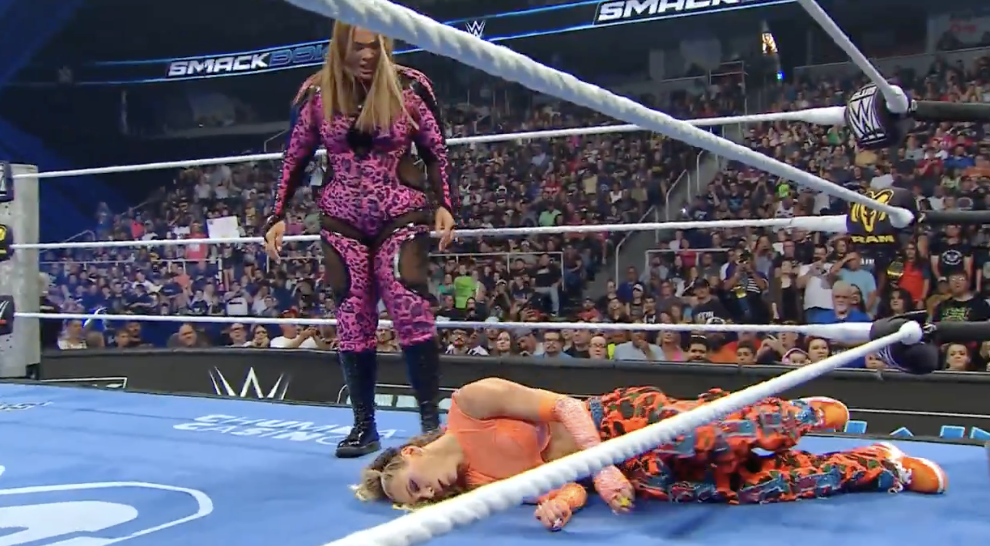
Smackdown's booking is becoming a repetitive struggle
an hour agoWhen Ozzy wasn't looking: The weirdest wrestling crossover of the year
5 hours ago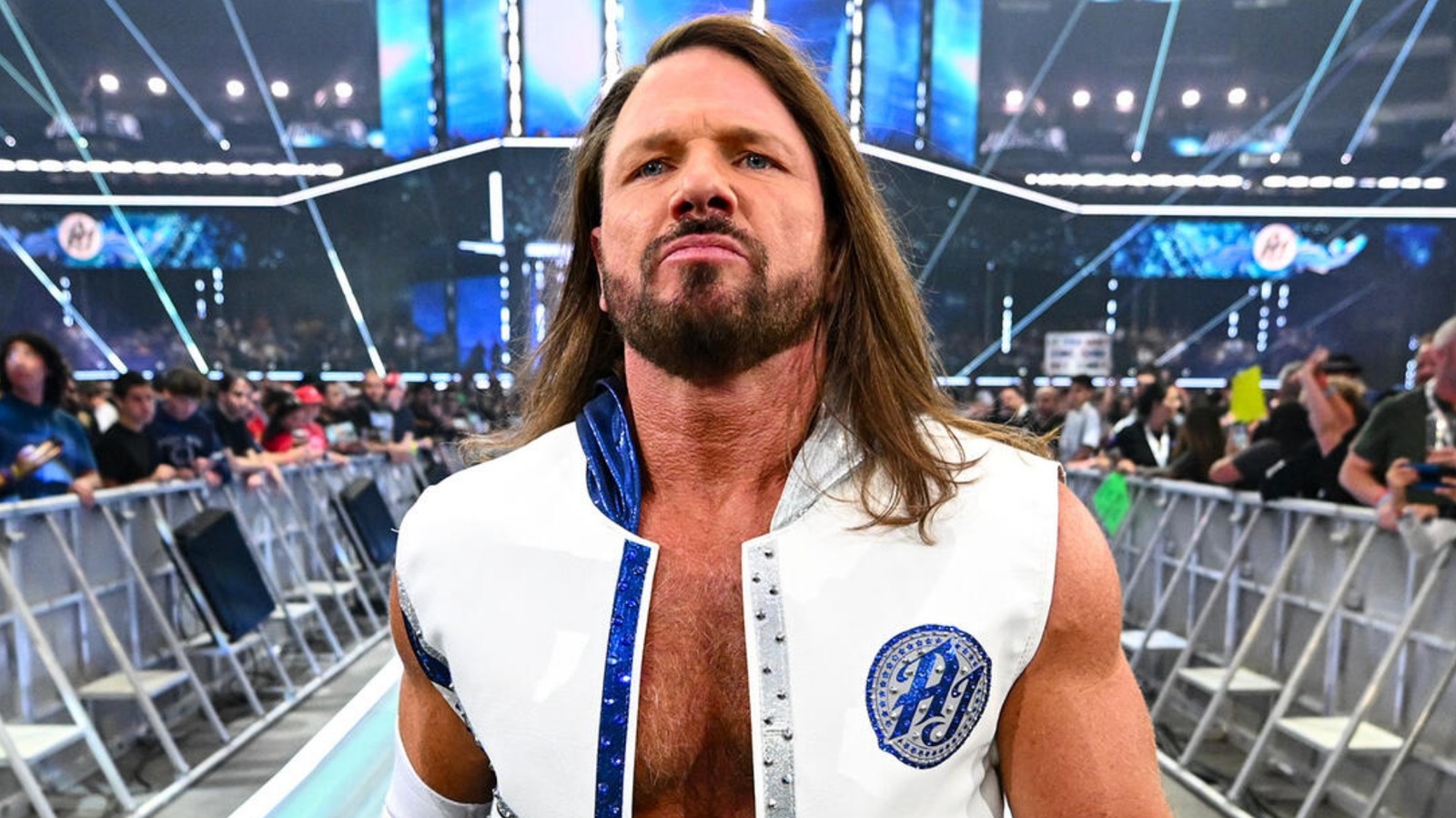
AJ Styles is reflecting on his legacy while others look elsewhere
5 hours ago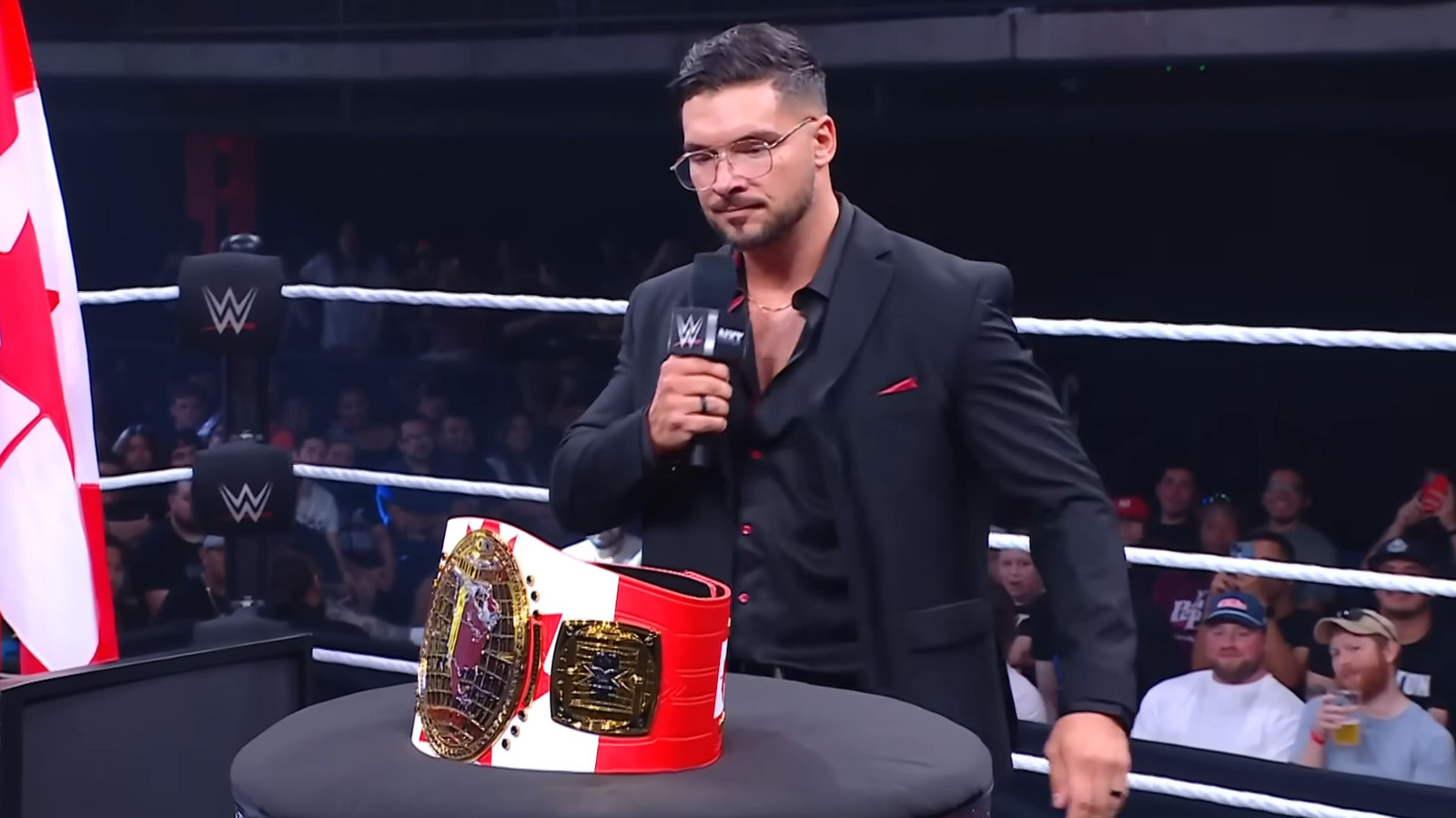
Ethan Page is playing a dangerous game with his ego in NXT
5 hours ago
Ethan Page says his custom NXT title was the real top prize and fans are split
5 hours agoGear Check: Sorting the Must-Haves from the Merch Table Filler
6 hours agoMore Match Reports

Jacob Fatu and Drew McIntyre just turned SmackDown into a war zone
3 months, 4 weeks ago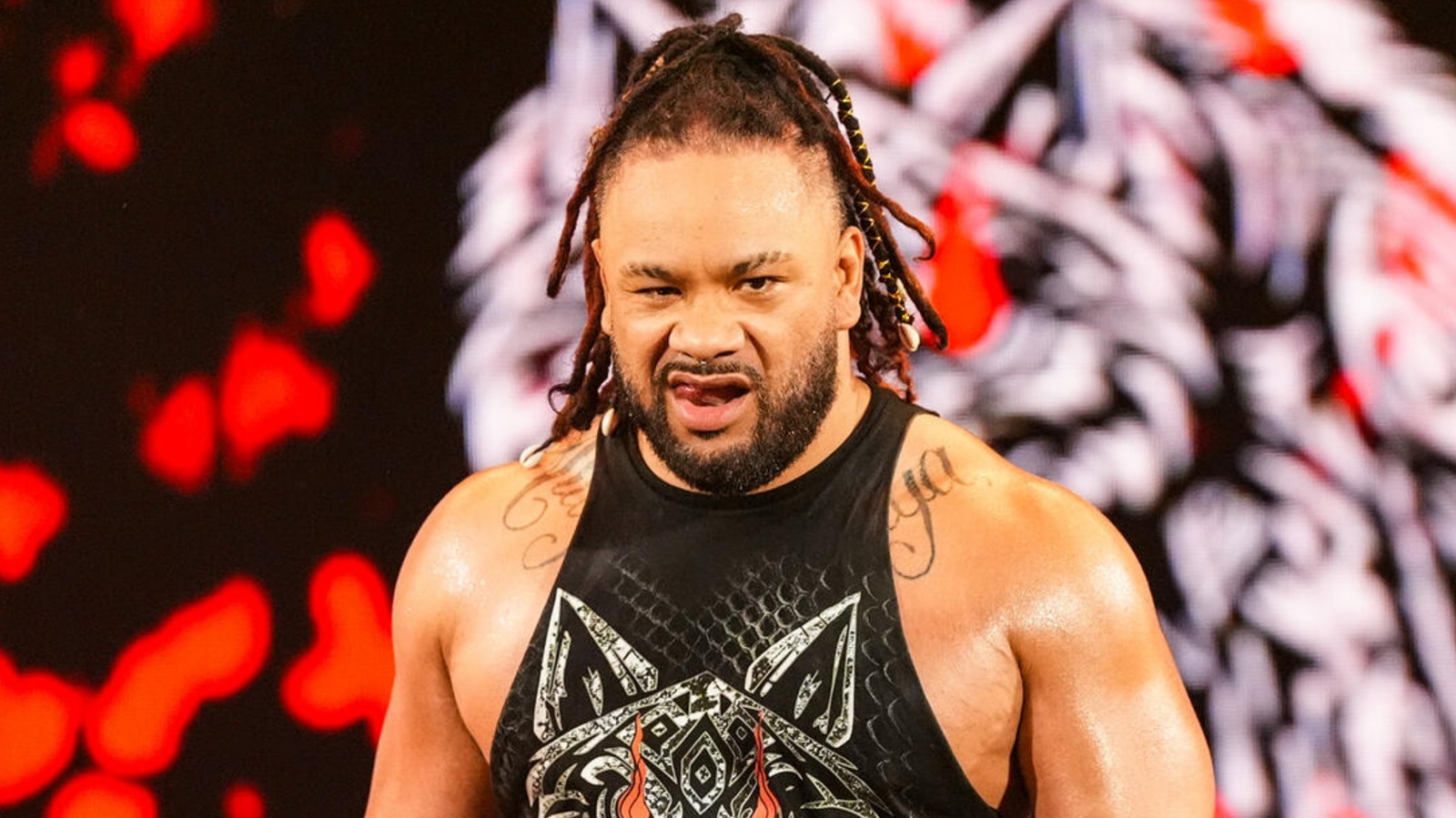
Jacob Fatu is the Bloodline's missing piece and Drew McIntyre is the first victim
2 months ago
Jacob Fatu vs. Drew McIntyre is the collision course we didn't know we needed
4 months ago
Why Drew McIntyre vs. Jacob Fatu is the most dangerous feud in WWE right now
3 months, 4 weeks ago