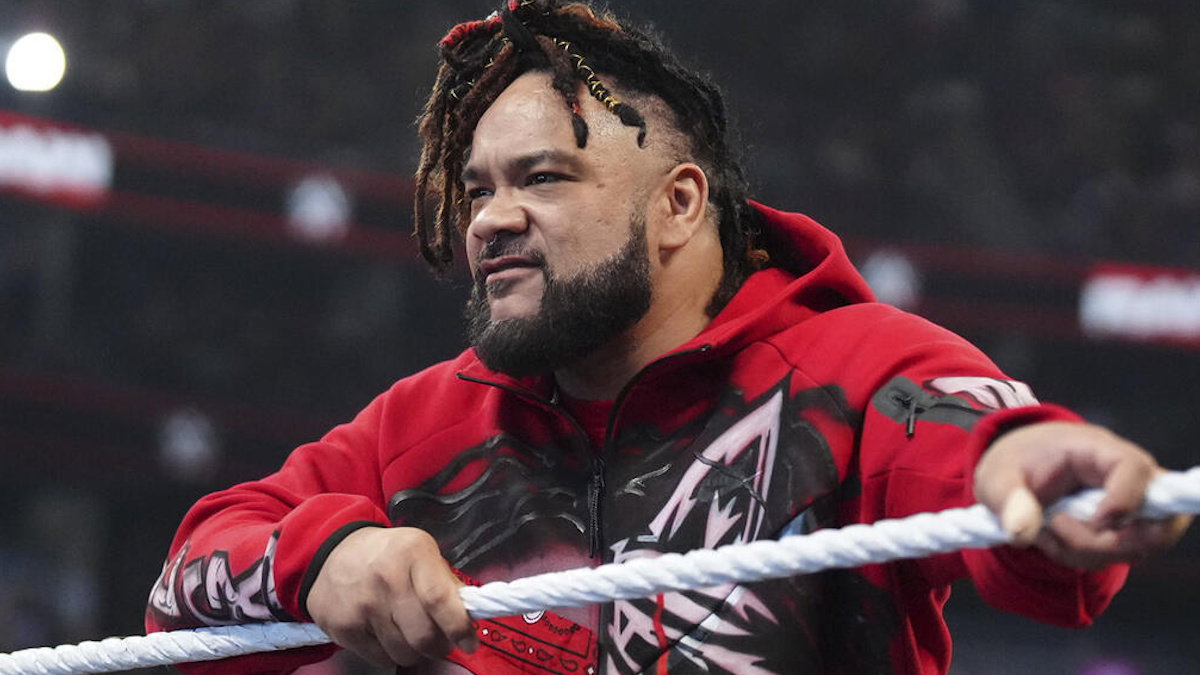
Jacob Fatu is still processing the night the Final Boss returned to Atlanta
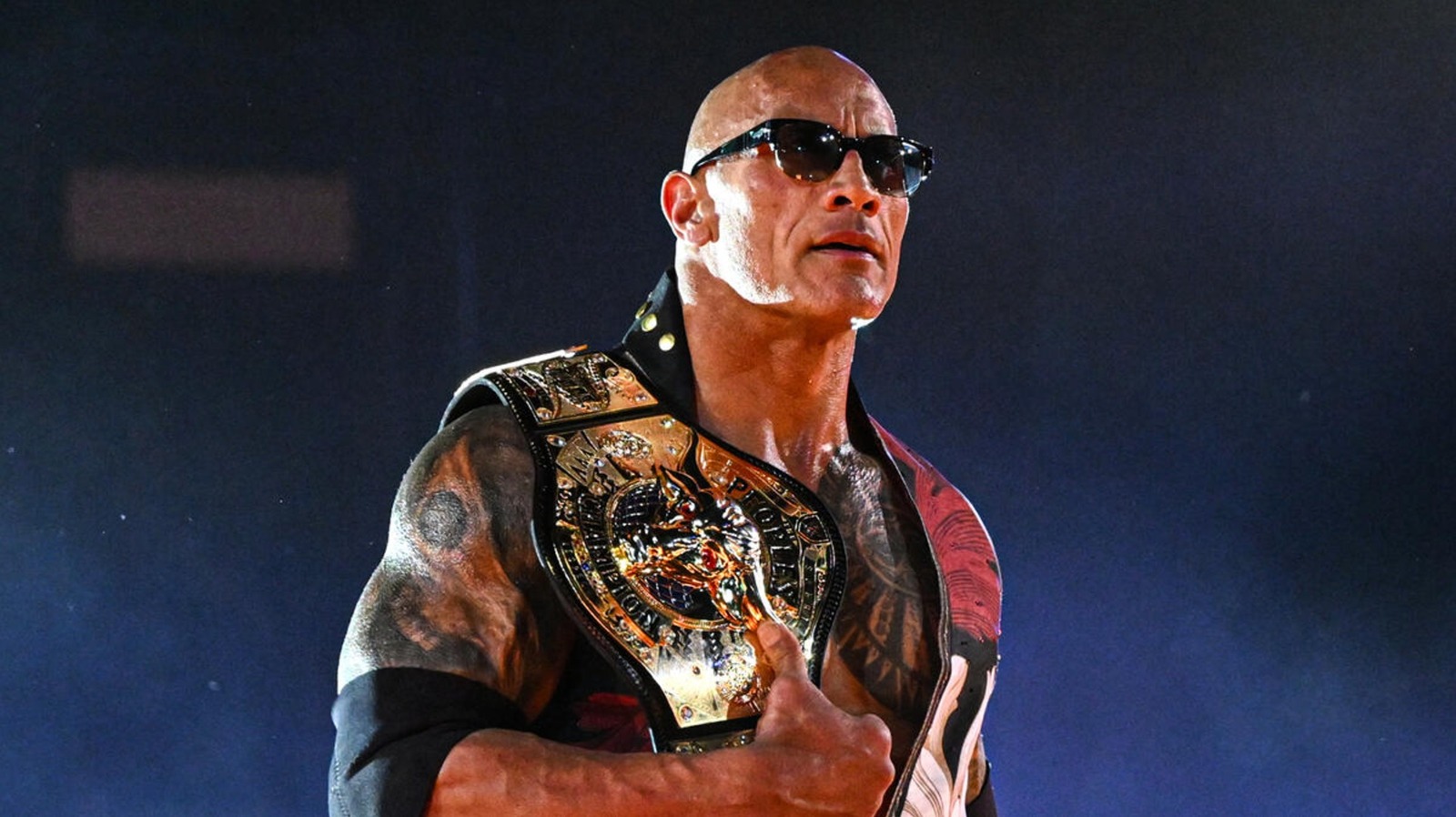
The shadow of Bad Blood 2024 remains over the Bloodline
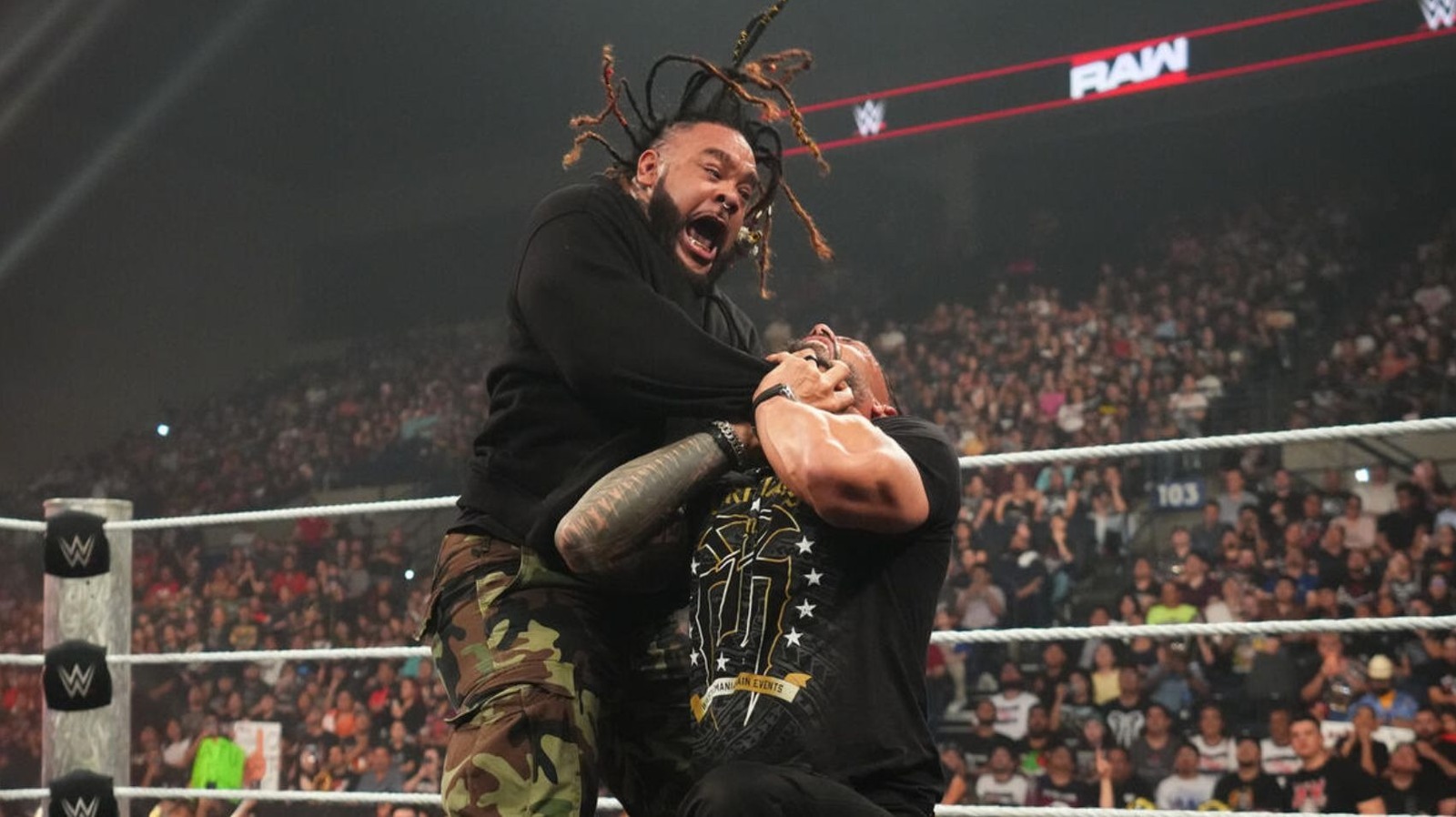
October 5, 2024, was supposed to be the night the new hierarchy of the Bloodline solidified its dominance in Atlanta. Instead, it became the night the blueprint for the next two years of WWE storytelling was etched into the floor of the State Farm Arena. Standing in the middle of it all was Jacob Fatu, a man who had spent a decade tearing through the independent scene only to find himself in a ring with the most recognizable face on the planet.
Fatu’s recent appearance on the "Cheap Heat" podcast with Peter Rosenberg provides a rare, unmasked look at the psychological toll of that moment. For those watching at home, it was a cliffhanger. For Fatu, it was a collision between his reality as a professional and his heritage as a member of the Anoa'i family. He didn't just see a superstar; he saw the man who had been a mythic figure in his household long before the cameras started rolling.
Tactically, that night in Atlanta was a mess for the Bloodline 2.0. Solo Sikoa and Jacob Fatu had the numbers, the momentum, and the youth advantage over Roman Reigns and Cody Rhodes. Yet, they found themselves outmaneuvered by a returning Jimmy Uso and a crowd that had completely turned against the new tribal order. When The Rock appeared at the top of the ramp, holding up those three fingers, the geometry of the ring changed instantly. Fatu, usually the most explosive element in any match, was reduced to a spectator in his own war.
The enforcer speaks from the heart on Cheap Heat
In his conversation with Rosenberg, Fatu didn't lead with the bravado we see on Friday nights. He spoke about the weight of the name. He recalled specific memories of The Rock from his youth, moments that humanize the "Final Boss" in a way that rarely happens on WWE programming. It is a reminder that while we see a corporate titan and a part-time destroyer, Fatu sees a cousin who paved the way for the very existence of the Samoan Werewolf persona.
There is a specific kind of pressure that comes with being the designated hitter for a family business. When Fatu talks about being in the ring for that Bad Blood return, you can hear the reverence in his voice. It’s a departure from the snarling, barefoot monster who hits moonsaults with the grace of a cruiserweight. He admitted that the experience was surreal, a word often overused in wrestling but entirely appropriate when you’re 18 months into your WWE career and standing in the crosshairs of a global icon.
However, this reverence is exactly where the Bloodline’s current tactical structure begins to fray. Fatu is at his best when he is an agent of chaos. At Bad Blood, his efficiency was hampered by the external interference and the sheer gravity of the returning legends. On the podcast, he seemed more focused on the honor of the moment than the failure of the mission. For a group that prides itself on results and dominance, this shift toward nostalgia and family hierarchy is a dangerous pivot that has cost them gold throughout 2025 and into early 2026.
Analyzing the physical toll of the Samoan Werewolf style
If you watch the tape of that Bad Blood main event, Fatu’s work rate is staggering. He was the one taking the high-impact bumps for Roman Reigns, ensuring that the "Original Tribal Chief" looked like a million dollars even in a losing effort for the Bloodline side. Fatu’s 747 Splash and his signature moonsault are moves that shouldn't be physically possible for a man of his build, but he executes them with a violence that makes every near-fall feel like a legitimate ending.
On "Cheap Heat," Fatu touched on the physical demands of keeping up that pace. He isn't just a heavy; he is the engine of the Bloodline's matches. When Solo Sikoa calls for the hit, Fatu is the one who has to deliver the high-risk maneuvers. The tactical problem for the Bloodline in 2026 is that Fatu is being used as a shield rather than a sword. He is frequently sacrificed to protect Solo’s standing, a booking decision that has become increasingly transparent to the audience at the Wells Fargo Center and beyond.
We saw this specifically during the February 2026 program with the Wyatt Sicks. Fatu was the only member of the Bloodline who looked capable of matching the raw physicality of Uncle Howdy’s group, yet he was consistently pulled back by Solo. This internal tension—the monster being kept on a short leash—is the most compelling part of Fatu’s current run, but it’s also the most frustrating. He has the tools to be a solo main-eventer, but he remains tethered to a story that is increasingly about men who only show up four times a year.
The problem with part-time gravity
The Rock’s return at Bad Blood 2024 was a masterclass in star power, but it also highlighted the primary flaw in the Bloodline saga. When the "Final Boss" enters the frame, everyone else becomes a secondary character. Fatu’s interview highlights this perfectly: even a year and a half later, the highlight of his career is standing in the presence of his more famous cousin. This is a damning indictment of how the current roster is positioned relative to the legends of the past.
From a tactical standpoint, the Bloodline should be built around Fatu’s reliability. He is the one working the house shows in Des Moines and the televised tapings in London. Yet, the narrative arc always bends back toward The Rock or Roman Reigns. This creates a vacuum where the full-time talent is essentially holding the fort until the "real" stars arrive. Fatu is too good to be a placeholder. His interview with Rosenberg shows a man who is grateful to be there, but at some point, gratitude needs to be replaced by ambition.
There is a visible dip in the quality of the Bloodline’s segments whenever the focus shifts from Fatu’s in-ring brutality to the convoluted politics of the family tree. The audience wants to see him wreck people, not stand in the background while Solo Sikoa stares at a necklace for ten minutes. The Bad Blood return was a high point for the brand, but it also served as a ceiling that Fatu hasn't been allowed to break through. He is the enforcer of a regime that seems more interested in its own history than its future.
The critical failure of the 2024 Atlanta finish
Let’s be honest about the end of that Bad Blood match: it was over-booked to the point of exhaustion. Between Jimmy Uso’s return, the interference from Tama Tonga and Tonga Loa, and the eventual arrival of The Rock, the actual wrestling became secondary. Fatu, who had been the best performer in the match for 20 straight minutes, was essentially forgotten by the time the credits rolled. This is the recurring tragedy of his WWE tenure so far.
He is the ultimate utility player. Need a guy to make a 40-year-old Roman Reigns look fast? Call Fatu. Need a guy to carry a green Solo Sikoa through a 15-minute main event? Call Fatu. But on the "Cheap Heat" podcast, there was no mention of a desire for the Undisputed Championship or a move toward a singles run. He spoke like a man who is happy to be part of the ensemble. In a business built on ego and the "top guy" mentality, that lack of outward drive is a red flag for his long-term prospects as a headliner.
Furthermore, the reliance on the "family" narrative is starting to feel like a crutch. We are nearly 20 months removed from Bad Blood 2024, and the Bloodline is still talking about the same internal betrayals and reunions. Without a fresh tactical direction, Fatu risks becoming the modern-day version of the bodyguard who never gets his big turn. He has more charisma in his little finger than most of the roster has in their entire bodies, but he is being muted by the requirement to stay in his lane.
The path forward for the Samoan Werewolf
As we head toward the summer of 2026, Fatu needs to decide if he is a member of a family or a professional wrestler seeking greatness. The Rock is a looming presence, a specter that provides both protection and a shadow. The Bad Blood 2024 return was the beginning of this latest chapter, but it shouldn't be the defining moment of Fatu’s career. He is a generational talent who is currently being used as a luxury accessory for a part-time legend.
His interview on "Cheap Heat" was a missed opportunity to plant the seeds for something more. While it’s nice to hear about his respect for the elders of the industry, the fans want to hear about his plan to take the crown. He is 34 years old, in the physical prime of his life, and possesses a move set that could revolutionize the heavyweight division. Standing around and waiting for the "Final Boss" to dictate the next move is a waste of the momentum he built during his years in MLW and on the independent circuit.
The Bloodline story has been the backbone of WWE for years, but every story needs an ending—or at least a meaningful evolution. Jacob Fatu is the only person who can provide that evolution. He is the bridge between the old-school violence of the Umaga era and the modern, high-flying style of 2026. If he continues to look back at Bad Blood with nothing but wide-eyed wonder, he will find himself left behind when the next big thing arrives. It’s time for the Werewolf to stop following the pack and start leading it.
Looking ahead to the next few months, specifically with the looming presence of AEW Double or Nothing next week and the general shift in the industry's focus toward more athletic, less soap-opera-driven content, the Bloodline needs to find a way to make Fatu's matches the draw, not the post-match cameos. The State Farm Arena was a spectacle, but the future of Jacob Fatu needs to be built on something more substantial than a three-finger salute and a podcast trip down memory lane. He is the best thing going in the Bloodline today; it's time the booking reflected that 100 percent of the time.
Read Next
- Fans are losing their minds over Jacob Fatu defending Drew McIntyre
- Roman Reigns returning to RAW will finally kill the Bloodline story
- Jacob Fatu is the Bloodline's missing piece and Drew McIntyre is the first victim
- Kofi Kingston's WWE exit feels inevitable after Jim Ross's latest comments
- 👑 Roman Reigns Return 2026 — The Tribal Chief
Frequently Asked Questions
What podcast did Jacob Fatu recently appear on to discuss The Rock?
When did The Rock return to confront the Bloodline in Atlanta?
Why was the Bad Blood match considered a tactical failure for Bloodline 2.0?
How did Jacob Fatu react to seeing The Rock at Bad Blood?
What impact did The Rock's return have on Jacob Fatu's performance?
More Coverage
Why CM Punk vs Cody Rhodes is a game of psychological chicken
10 hours ago
Why WWE's corporate booking machine keeps fumbling its best faction ideas
15 hours ago
Roman Reigns is setting his own exit ramp
16 hours agoTop 10: Top Moments
1 day, 7 hours agoTop 10: The Definitive Ranking of Mid-Summer WWE Moments
1 day, 11 hours ago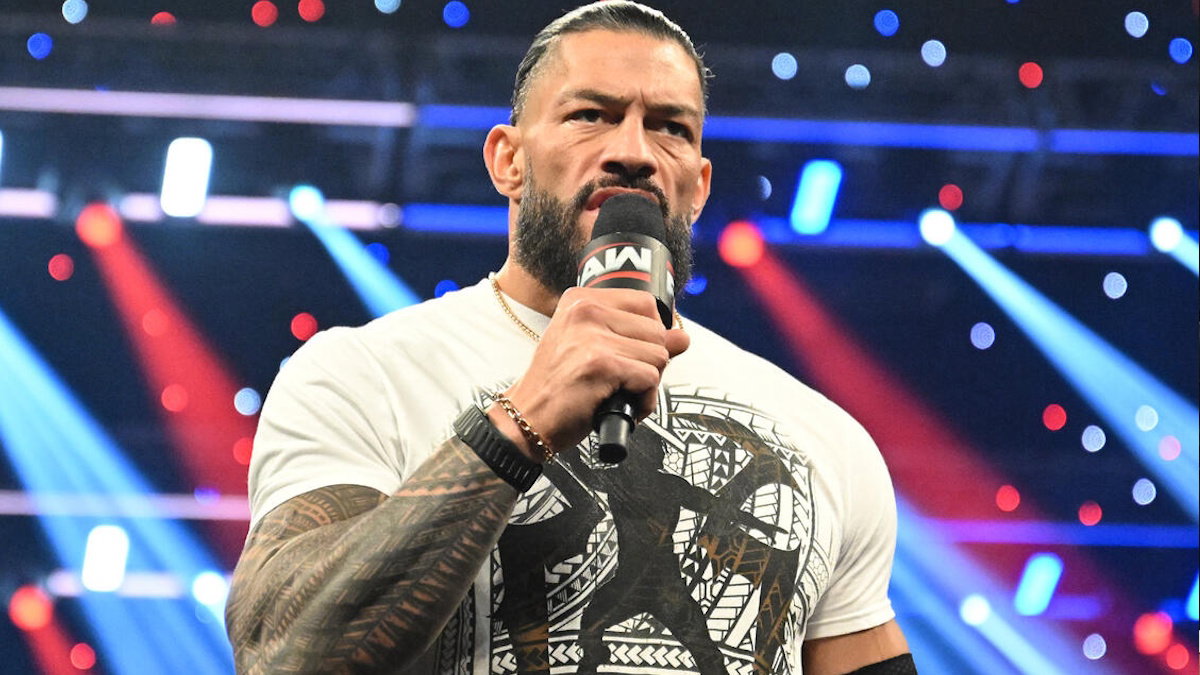
Roman Reigns and the lonely reality of the Tribal Chief era
1 day, 17 hours agoMore Analysis
Jacob Fatu Has Arrived, And The Bloodline Will Never Be The Same
2 months, 2 weeks ago
Jacob Fatu is the anchor for The Bloodline's next evolution
1 month ago
Jacob Fatu just nuked the Bloodline dynamic on Raw
2 months, 1 week ago
Jacob Fatu is adding a dangerous layer to the Bloodline
1 month, 2 weeks ago
Jacob Fatu is done waiting for his moment against Roman Reigns
2 months, 1 week ago