The High Stakes of the Bloodline's Most Volatile Enforcer
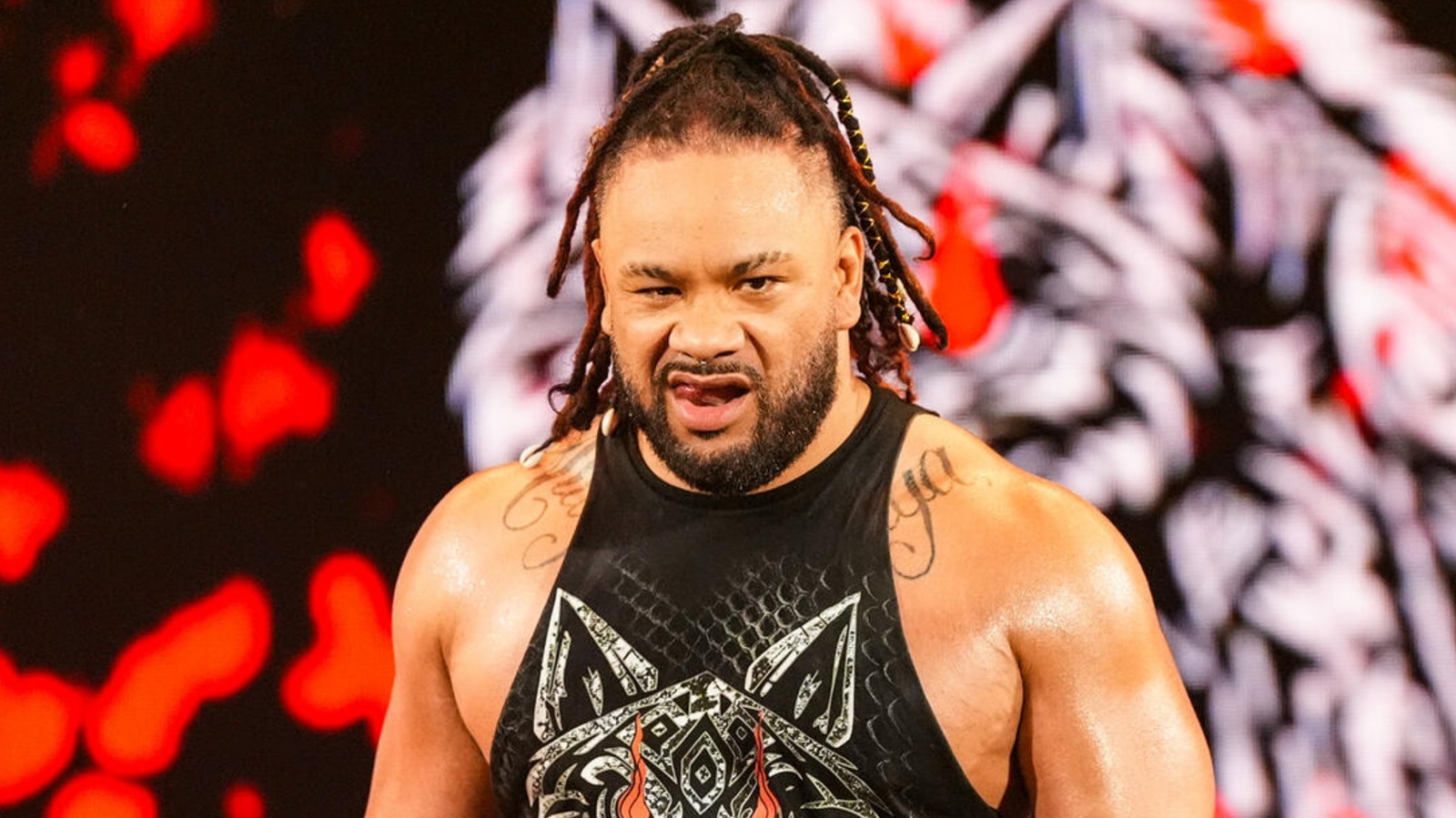
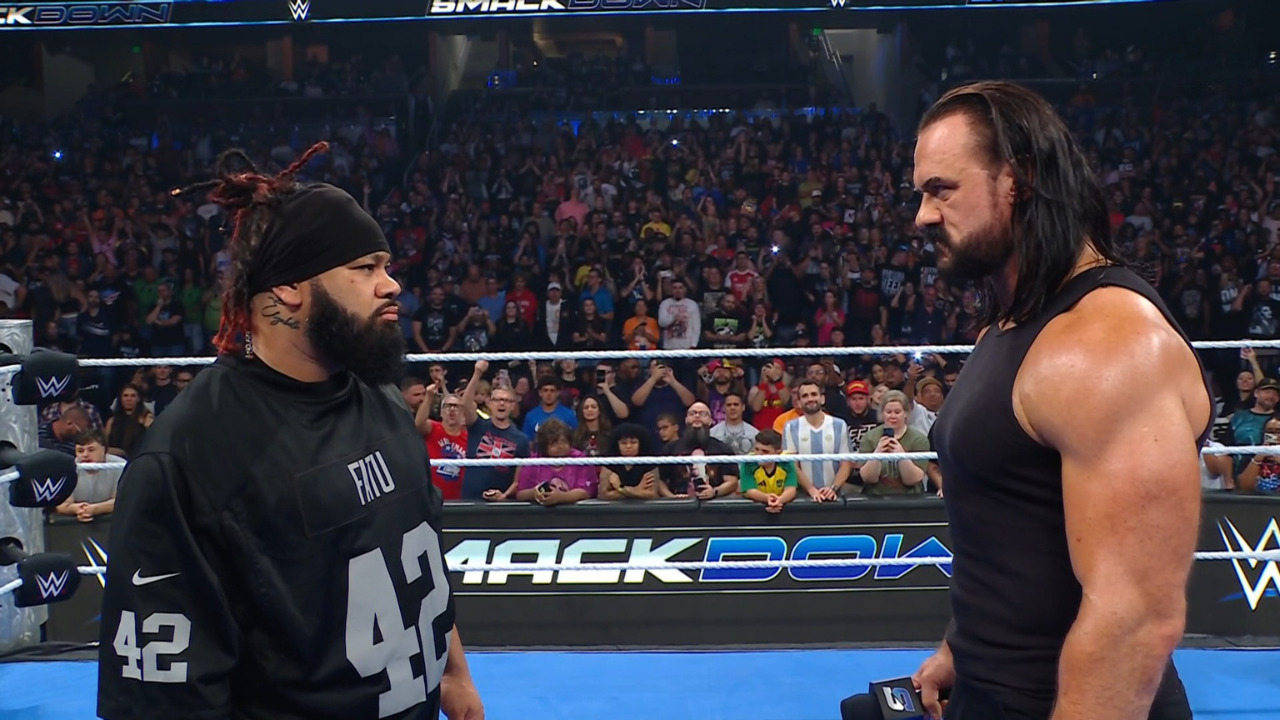
Jacob Fatu isn’t interested in the scripted safety net that usually accompanies modern professional wrestling. Since debuting as the 'Samoan Werewolf' and joining Solo Sikoa’s reconstituted Bloodline, Fatu has operated at a different frequency than the rest of the roster. His latest comments regarding his escalating rivalry with Drew McIntyre suggest that the violence isn't just for show—it's a professional risk.
Fatu recently addressed the nature of his physicality in WWE, specifically pointing toward the Scottish Warrior as a target that brings out his most dangerous instincts. He didn't mince words about the potential consequences of his in-ring behavior. The intensity he brings to the screen is apparently mirroring a backstage reality where the lines of 'too far' are being blurred daily.
"I’m telling you right now, if this thing with Drew goes where I think it’s going, they might just have to let me go. I don't know how to turn it off once it starts."
This isn't just typical wrestling hyperbole; Fatu has a documented history of being an unpredictable force on the independent circuit and in MLW before arriving in WWE. By framing the McIntyre feud as a fireable offense in waiting, Fatu is leaning into the idea that he is a liability to the corporate structure. It’s a smart bit of character work that makes every encounter with McIntyre feel like a ticking clock for his employment status.
The Anatomy of an Explosive Style
While the threat of release hangs over his head, Fatu’s actual performance in the ring remains a marvel of physics. He recently pulled back the curtain on the origins of his most spectacular move: the double-jump moonsault. While many fans assumed it was a family heirloom passed down through the Anoa'i dynasty, Fatu credited an unlikely source from the rival camp. According to Wrestling Inc, Fatu pointed to AEW’s Christopher Daniels as the blueprint for his aerial assault.
Seeing a man of Fatu’s 280-pound frame mimic the 'Fallen Angel' is a testament to his freakish athleticism. He didn't just adopt the move; he weaponized it. In his hands, the moonsault isn't a graceful arc—it's a tactical strike. This blend of cruiserweight agility and heavyweight power is why he has become the focal point of the Bloodline's current iteration, often overshadowing Solo Sikoa himself.
However, the polish isn't just in the moves. Fatu also revealed the organic birth of his signature entrance dance. It wasn't a choreographed directive from Triple H or the creative team. Instead, it was a spontaneous reaction to the adrenaline of the WWE stage. It has quickly become a visual shorthand for his character: a predator who is enjoying the hunt a little too much.
The Bloodline’s Hidden Respect for AJ Styles
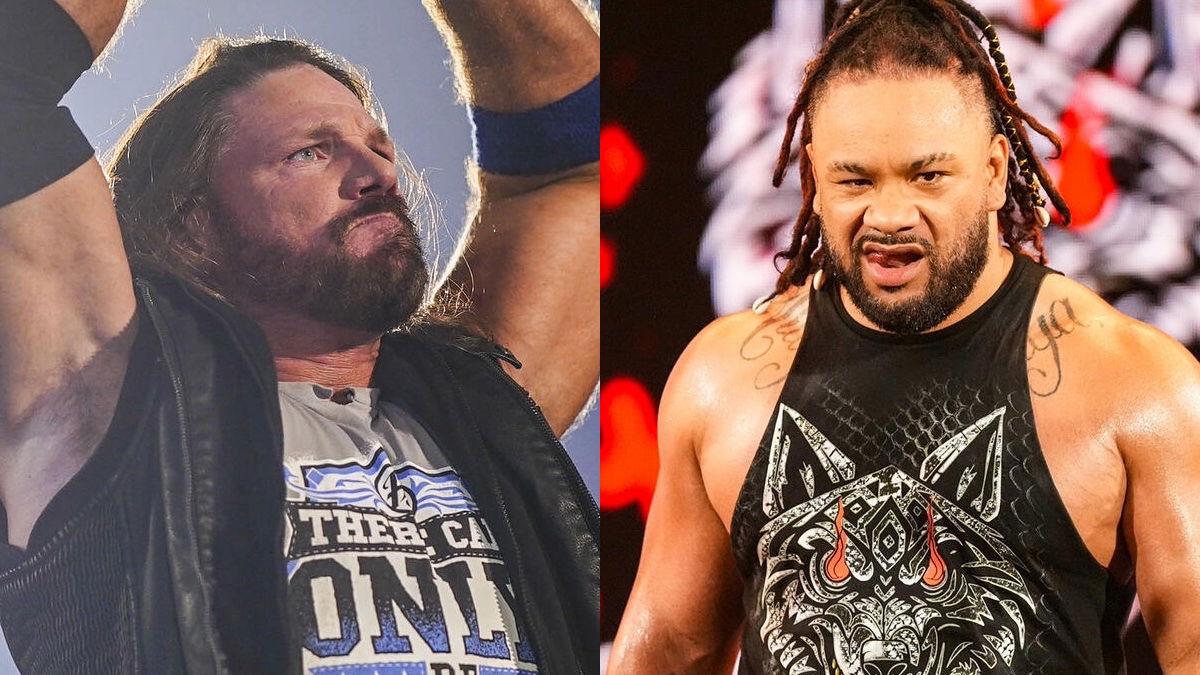
Behind the scenes, the chaos of the Bloodline gives way to deep-rooted industry respect. Fatu recently opened up about the relationship his family shares with AJ Styles. This connection goes back years, long before Fatu stepped foot in a WWE ring. Following Styles' emotional retirement at the 2026 Royal Rumble, Fatu’s comments highlight a side of the business fans rarely see.
He described Styles as more than just a colleague, noting that the 'Phenomenal One' has been a mentor figure to multiple generations of the Anoa'i family. This creates a fascinating dynamic on screen. When the Bloodline attacks a legend like Styles, they are doing so with a full understanding of the target's legacy. It adds a layer of professional irony to their 'Island of Relevancy' rhetoric.
The loss of Styles as an active locker room leader is clearly felt by Fatu. Despite being the 'New Blood' in the company, Fatu carries the old-school mentality of his uncles and cousins. He views the locker room through the lens of hierarchy and respect, even if his character is designed to tear that hierarchy down. It is this duality that makes him the most compelling member of the current faction.
Jelly Roll and the Performance Center Grind
Perhaps the most surprising revelation from Fatu involves his interaction with multi-platinum artist Jelly Roll. The singer, who has become a recurring character in WWE programming, didn't just show up for the cameras. Fatu praised Jelly Roll’s work ethic, noting that the musician spent significant time at the Performance Center in Orlando to earn his spots.
Fatu recounted a specific training session where Jelly Roll stayed late to perfect his timing and bumps. Following the session, the artist made a gesture that resonated with the locker room, showing a level of humility often missing from celebrity guests. Fatu noted that Jelly Roll treated the rookies and veterans with the same level of deference, proving he wasn't there just for a PR stunt.
"He was in there sweating just like us. He didn't want any special treatment. That man is a real one, and he respects what we do with our bodies every night."
For a locker room that can be notoriously cold toward 'outsiders,' Jelly Roll’s commitment won over Fatu. This is a crucial distinction in an era where celebrity crossovers are frequent. If you aren't willing to put in the hours at the PC, the wrestlers will sniff it out. Fatu’s endorsement effectively gives Jelly Roll a lifetime pass in the WWE ecosystem.
The Critical Edge: Is Fatu Outshining the Lead?
While Fatu’s rise is undeniable, it does present a significant problem for WWE’s current booking. Fatu is consistently the most interesting person in every segment he occupies. This creates a vacuum around Solo Sikoa. As the 'Tribal Chief,' Solo is supposed to be the center of gravity, yet the crowd's eyes—and the social media buzz—inevitably drift toward Fatu’s volatility.
There is a danger that Fatu is becoming too 'cool' for a monster heel. If the fans start cheering the release of the 'Samoan Werewolf,' the heel heat for the Bloodline evaporates. We saw this during a recent SmackDown taping where Fatu's interference received a louder pop than the babyface comeback. Management needs to be careful; you can't have the enforcer looking more like a star than the boss.
Furthermore, the threat of being 'released' for being too violent is a double-edged sword. If the match with McIntyre doesn't deliver a level of brutality that justifies that kind of talk, the gimmick will feel hollow. WWE has a habit of over-promising 'unsanctioned' levels of violence and delivering a standard PG-13 brawl. Fatu has set a high bar for himself—one that he must clear at the next Premium Live Event or risk losing the aura he has built so quickly.
Final Outlook on the Werewolf’s Path
Jacob Fatu is currently the most volatile asset in WWE's portfolio. Between his tribute to Christopher Daniels' aerial game and his warnings of career-ending violence against Drew McIntyre, he is masterfully playing the role of a man with nothing to lose. He is a third-generation star who understands that in 2026, you don't just need to be a great wrestler; you need to be a headline.
The upcoming weeks will determine if Fatu is a flash in the pan or the new pillar of the company's main event scene. With the Bloodline story continuing to evolve and the specter of Roman Reigns always looming, Fatu has carved out a space that belongs entirely to him. He isn't just another cousin; he is the reason people are still watching the story. As long as he keeps his temper—and his job—the sky is the limit for the Anoa'i family's newest nightmare.
Read Next
- John Cena is leaving the ring but his shadow is getting longer
- AJ Styles and Stephanie McMahon are the faces of the 2026 Hall of Fame
- AJ Styles is right about the NIL performance gap in WWE
- Why the Roman Reigns vs. The Rock dream match feels like a relic of the past
- 👑 Roman Reigns Return 2026 — The Tribal Chief