The Missing Pieces of Hulkamania
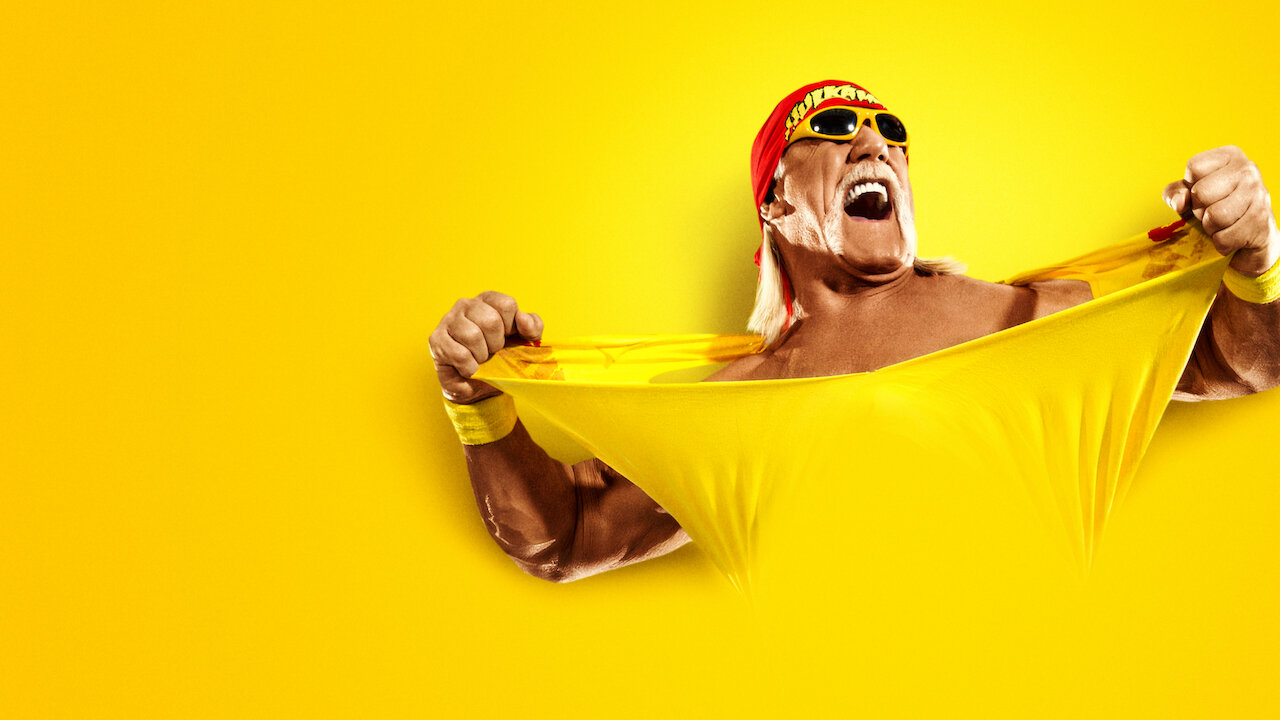
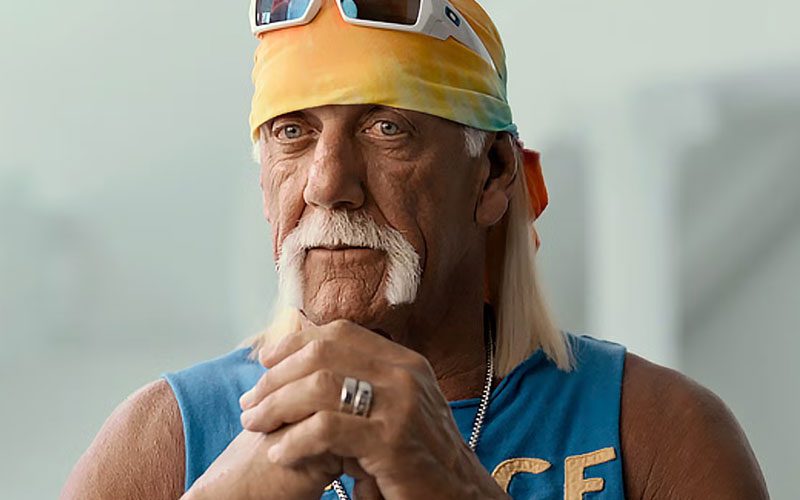
Netflix dropped its four-part Hulk Hogan: Real American documentary to massive fanfare this week, but the immediate reaction from die-hard wrestling historians has been a collective sigh of frustration. As Ringside News recently reported, the director of the project openly admitted that massive amounts of footage, interviews, and archival material were left on the cutting room floor. More frustratingly, there are absolutely zero plans to release additional episodes to cover those glaring gaps. If you were hoping for an extended director's cut to fix the pacing issues, you are entirely out of luck.
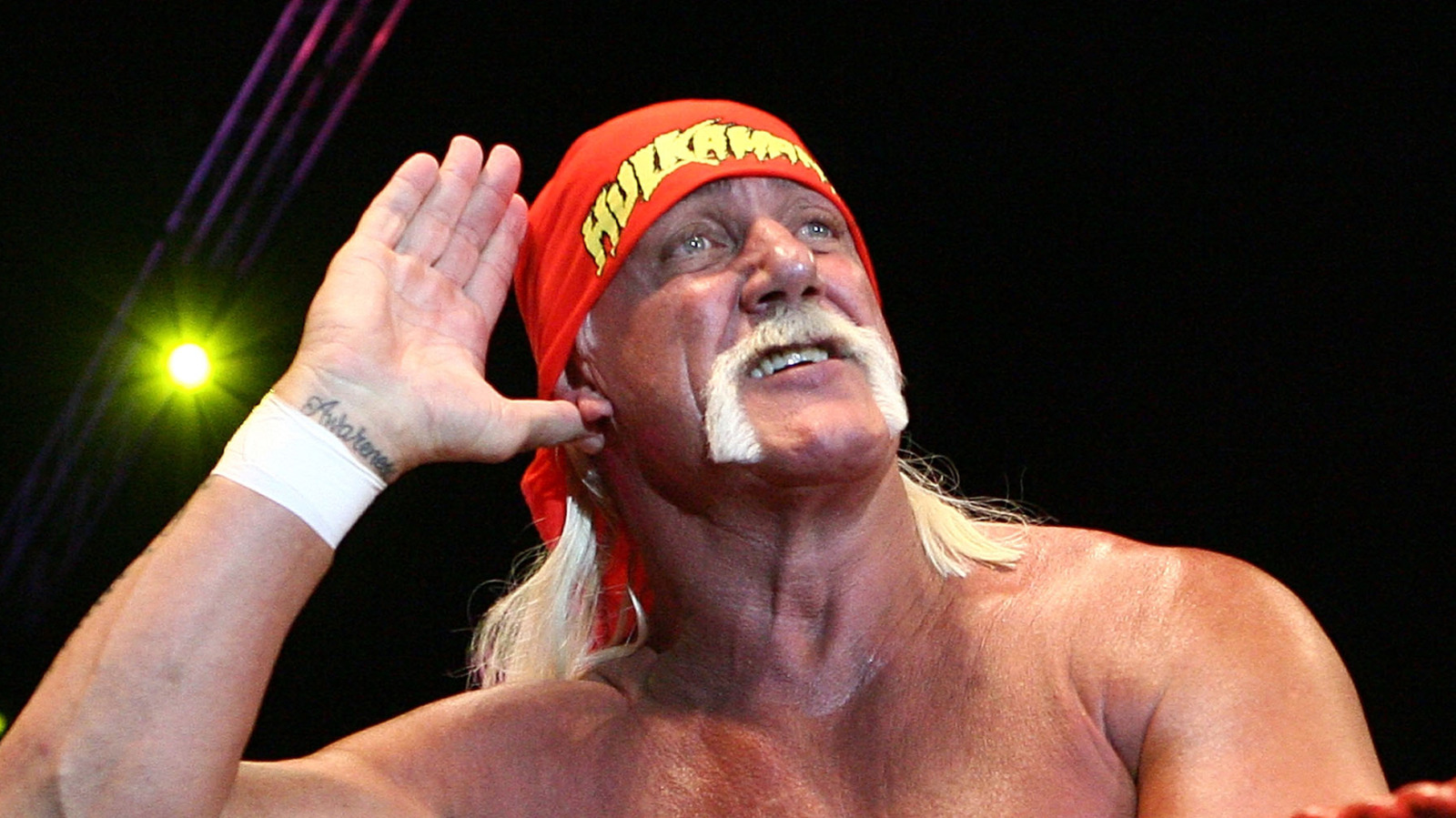
Making a documentary about Terry Bollea is a cursed assignment from the jump. You are dealing with a man who has famously worked his own life story into a shoot for four decades. Bollea struggles to separate himself from the character he built in the 1980s. He has told variations of the same tall tales so many times that he probably believes them himself at this point.
We all know the famous lies. He claimed he was asked to play bass for Metallica. He claimed Elvis Presley was a massive fan of his, despite Elvis dying before Hogan ever became a household name. He famously claimed he missed out on endorsing the George Foreman Grill because he was picking up his kids from school. When your primary subject is a notoriously unreliable narrator, the documentary relies entirely on the strength of its secondary interviews and its editing.
What Survived the Cutting Room Floor?
This is where the Netflix project stumbles. The director clearly had to make brutal choices to fit a fifty-year career into four episodes. You have to cover the birth of Hulkamania. You have to cover the Iron Sheik match in 1984. You have to hit the WrestleMania III slam on Andre the Giant. Those are the absolute non-negotiables of wrestling history.
But by racing through the mandatory checkpoints of his career, the series sacrifices depth everywhere else. We get incredibly surface-level examinations of the 1990s steroid trial, a moment that nearly destroyed Vince McMahon and the entire World Wrestling Federation. We get a hurried, chaotic look at his jump to WCW. The formation of the New World Order at Bash at the Beach 1996 is given appropriate weight, but the backstage maneuvering that kept him on top during that era is barely touched.
This is not to say the documentary is completely unwatchable. Far from it. The archival footage is legitimately stunning. Seeing the crisp, restored video of early Madison Square Garden house shows is a treat for any fan who grew up trading dusty VHS tapes. The production value is exactly what you expect from a premium streaming service. The audio mixing during the arena entrances makes you feel like you are sitting in the front row.
The interviews with his contemporaries are easily the strongest part of the series. When guys who shared the locker room with him are allowed to speak freely, you get brief glimpses of the real man behind the bandana. You see the intense paranoia that came with being the top draw in a cutthroat industry. You see the relentless, exhausting drive to protect his spot at all costs. But those moments are fleeting, quickly replaced by more sanitized talking points.
The Glaring Omissions
The editing choices are frankly baffling. The filmmakers spend an inordinate amount of time on his fleeting crossover attempts into mainstream Hollywood acting. Did we really need a deep dive into the production of Suburban Commando and Mr. Nanny? We get an entire segment dedicated to his terrible movies, yet his entire run in TNA Wrestling is effectively erased from history.
His time in TNA was disastrous, marked by terrible booking, his physical decline, and his bizarre alliance with Eric Bischoff that nearly bankrupted the promotion. Leaving that entire chapter out feels like a deliberate choice to protect his aura. The TNA run isn't just a footnote; it is a vital part of his legacy. It showed what happens when an aging star is given absolute creative control over a desperate promotion. Hogan and Bischoff fundamentally altered the DNA of TNA, stripping away the six-sided ring, burying the X-Division, and bringing in a parade of their aging friends from the 1990s. The promotion never fully recovered. To pretend those years didn't happen is journalistic malpractice.
Then there is the issue of missing voices. You cannot tell the story of 1990s wrestling without hearing from Bret Hart. Hart and Bollea famously clashed over the WWF Championship transition at WrestleMania IX, leading to years of bitter resentment. Where is Bret's perspective? Where is Jesse 'The Body' Ventura, who tried to unionize the locker room right under Hogan's nose? Where is a raw, unfiltered interview with Sting regarding the catastrophic finish to their match at Starrcade 1997? By excluding his most prominent critics, the documentary robs itself of any real tension.
A Masterclass in Self-Preservation
Here is where the series truly fails. It is entirely too safe.
The documentary promises an unvarnished look at his controversies, but it fails to deliver anything resembling journalism. The handling of his leaked tape and the resulting Gawker lawsuit is sterile. It feels heavily sanitized, likely an unavoidable consequence of securing Hogan's participation in the project. You cannot make a definitive, hard-hitting piece of journalism about Hulk Hogan while Hulk Hogan is sitting in the producer's chair looking over your shoulder.
The handling of his racial controversy is equally frustrating. The documentary addresses the leaked tape, but it frames the fallout entirely around Hogan's personal suffering and his lawsuit against Gawker. It completely ignores the pain he caused his black colleagues in the locker room. There is no serious discussion of his subsequent three-year exile from WWE, nor his deeply awkward, poorly received apology to the WWE roster before the Extreme Rules pay-per-view in 2018. The filmmakers let him off the hook.
The cuts the director admitted to likely contain the actual grit. They probably contain the dissenting voices, the burned bridges, and the uncomfortable realities of his reign at the top. Where is the real discussion of the Peter Thiel connection in the Gawker lawsuit? Thiel bankrolled the litigation to destroy a media outlet he hated, using Hogan as a proxy weapon. The documentary treats the victory like a triumphant legal defense rather than a coordinated billionaire revenge plot.
The Final Verdict
By leaving that material out, the series becomes just another piece of highly polished hagiography. It is better produced than a standard WWE Network special, but the editorial intent feels exactly the same. Protect the brand. Protect the character. Protect the nostalgia.
Fans are right to be frustrated. The news that no more episodes are planned is a bitter pill for wrestling historians. We are left with a massive 'what if' hanging over the entire project. What did those lost hours look like? Who was interviewed but cut from the final edit? We will probably never know.
If you are a casual fan who simply wants a slickly produced recap of the Hulkamania era, this will absolutely satisfy you. It hits the necessary beats. It plays all the greatest hits. You will nod along to the music and remember why you cheered for him as a kid ripping his shirt off. The nostalgia factor is heavy and effective.
But if you wanted the real story? If you wanted the uncut, messy, contradictory truth about the most famous professional wrestler of all time? You will have to keep waiting. Because Netflix's Real American isn't it. It is just another worked shoot from a man who never learned how to turn the cameras off.