The transition from collegiate wrestling to the octagon
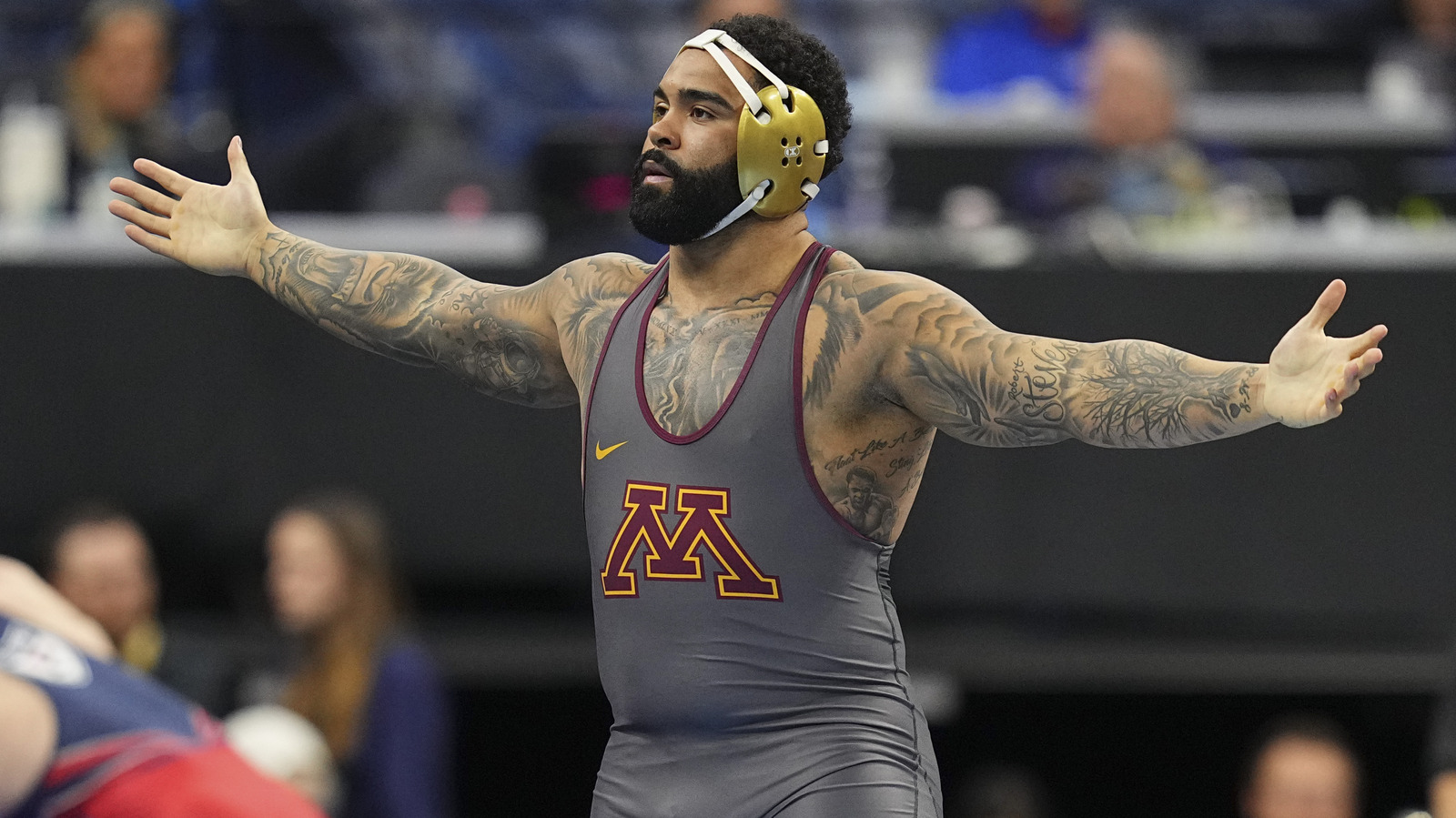
Gable Steveson’s high-profile move from the WWE performance center to the UFC has reached a definitive conclusion this week. Following a complex tenure in professional wrestling that struggled for meaningful traction, the Olympic gold medalist has officially inked a deal with Dana White’s promotion. This shift confirms long-standing speculation that his amateur pedigree would eventually lead him to the cage rather than the squared circle.
Steveson’s trajectory in WWE was consistently hindered by a lack of seamless creative fit. Despite his decorated history as back-to-back NCAA champion, his presence on the main roster never materialized in a way that resonated with the audience. His infrequent appearances left fans skeptical of his commitment to the gimmick, creating a vacuum where his athletic ability could not mask the absence of fundamental character development.
Why the UFC is the natural landing spot
The transition to mixed martial arts removes the layers of sports entertainment performance that previously clouded Steveson’s potential. Inside the octagon, his success will be binary and results-driven. His background as a heavyweight standout in freestyle wrestling provides a superior base for modern day MMA, where elite-level takedown defense often dictates the outcome of championship bouts.
This move is fundamentally different from a pro-wrestling booking strategy. In the WWE, Steveson needed to emote, sell, and narrate a story in the ring. The UFC requires none of that, allowing him to lean into his natural technical advantages. If his cardiovascular conditioning can handle the jump from three-minute amateur periods to the grueling multi-round format of the professional ranks, he will be an immediate factor in a talent-hungry division.
Critical hurdles remain for the former Olympian
The skepticism surrounding this move is warranted. Steveson’s pivot to pro wrestling was marketed as a game-changer that failed to move the needle on television ratings or merchandise sales. His wrestling style, while dominant in collegiate circles, often lacks the fluid transitions seen in top-tier MMA specialists. He enters the rankings as an unproven quantity in a division that is currently experiencing a rapid 35% increase in technical skill sets among up-and-coming fighters.
Furthermore, the pressure is entirely on Steveson to avoid the "bust" label associated with high-profile crossover athletes. MMA history is littered with fighters who possessed gold medals but lacked the grit required for cage combat. He will need to show that his transition is driven by a genuine hunger for competition rather than an inability to adapt to the rigors of a scripted entertainment environment. The intensity in the gym during his first training camp will serve as the first real audit of his professional dedication.
The landscape of the heavyweight division
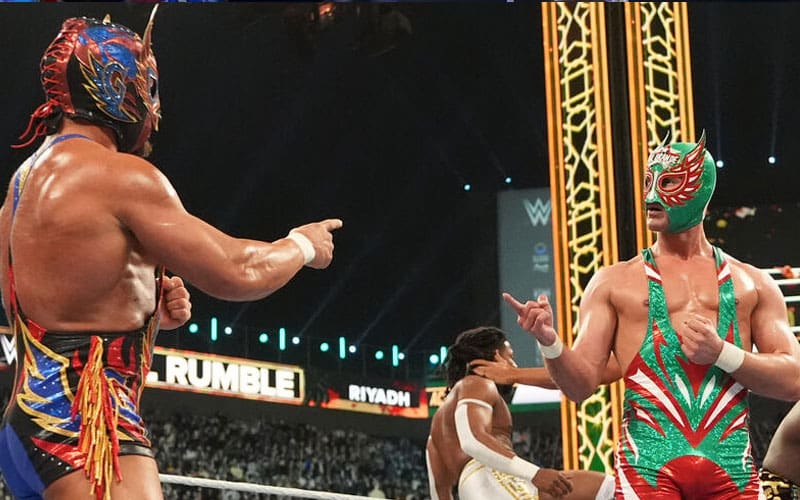
While Steveson clears his path to the UFC, other high-stakes drama continues to capture headlines elsewhere, such as the confirmed scheduling for the long-awaited El Grande Americano mask vs. mask collision. These types of high-stakes bouts highlight how quickly promotional directions can change when talent acquisition goes right. As reported over at F4WOnline, clear stakes generate immediate fan interest. Steveson needs his first UFC outing to carry similar weight, or he risks fading into the middle of the pack before his career even matures.
His debut is looming on the horizon, with the promotion already eyeing late summer dates for his curtain-raiser. Expect a stiff test rather than a showcase bout; the UFC rarely grants newcomers an easy path even with an Olympian credential. The next phase of his career begins the moment he faces an opponent who doesn't care about his pedigree. If he is to succeed, he must leave the polished shine of his WWE era behind entirely. The reality of the division is unforgiving, and the scrutiny from fans will be immediate.
Probability Assessment
The deal is fully signed. Our assessment of the move’s success probability remains at 65%. While his physical tools are world-class, the mental jump to fighting in real-time combat is a massive hurdle. Steveson's professional trajectory relies on him sharpening his striking and submission defense within the next six months to remain competitive against veterans with superior cage experience. The athletic ceiling is high, but the floor for failure is equally distinct.