A Brutal Halt to a Breakout Year
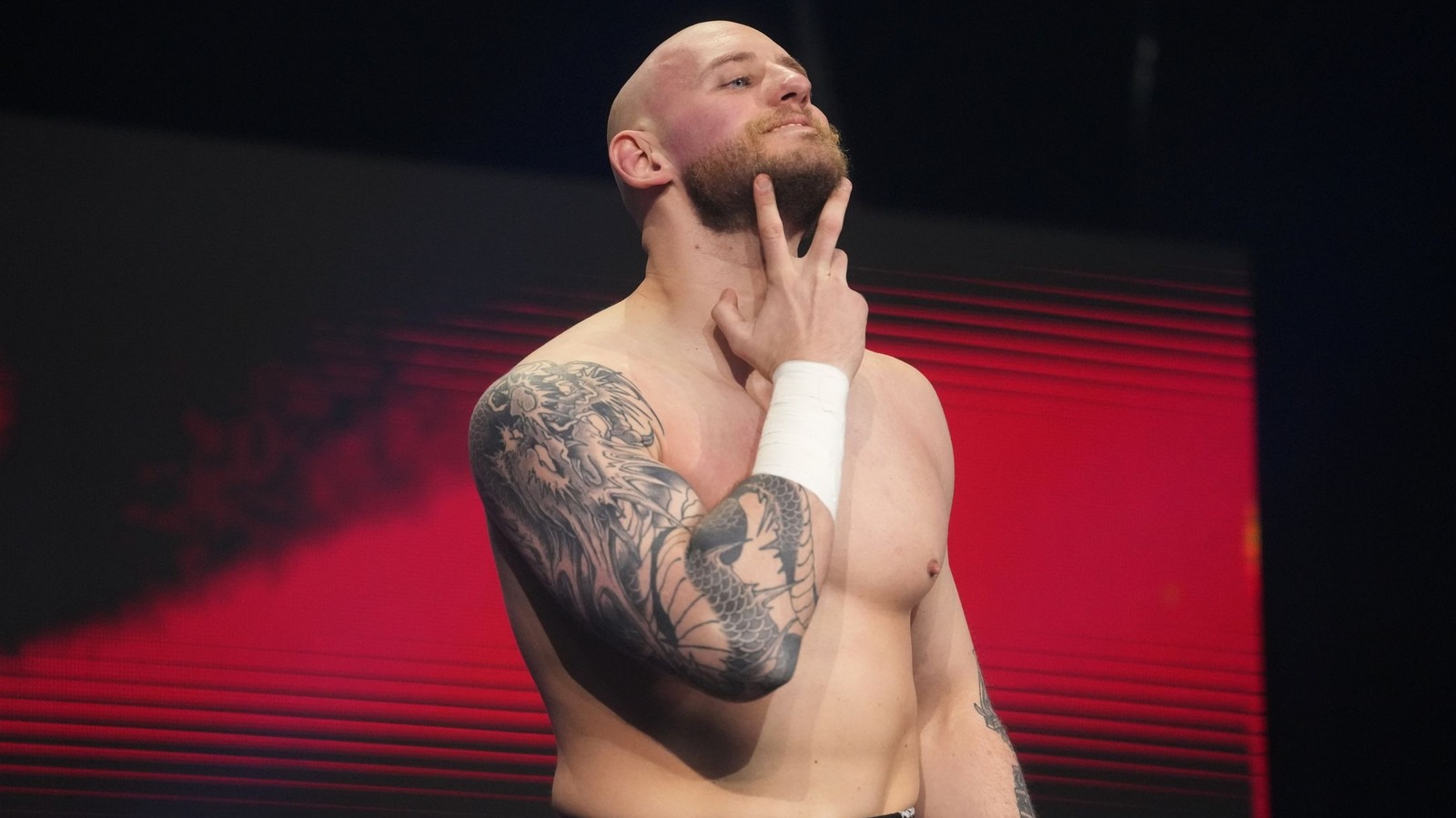
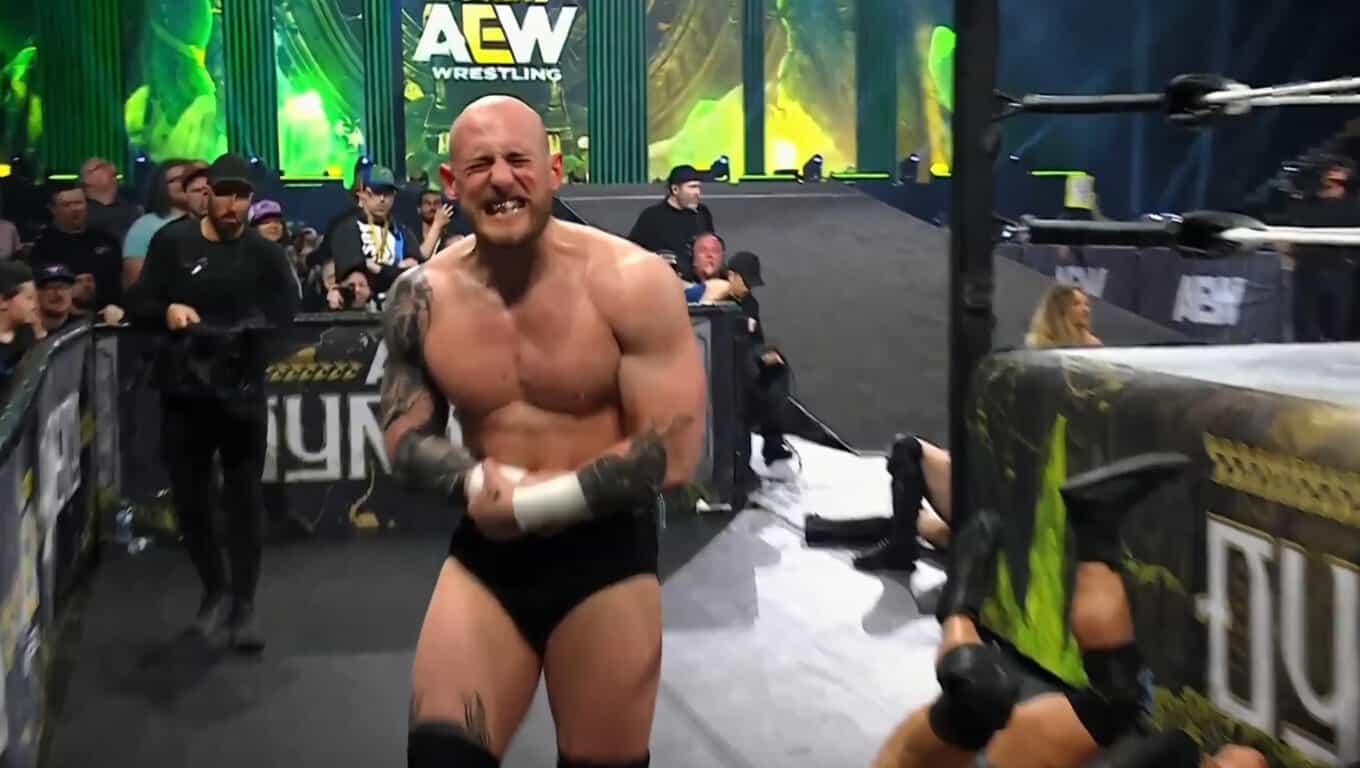
Gabe Kidd is officially on the shelf. Following his appearance at AEW Dynasty, wrestling news outlets confirmed the Bullet Club War Dogs standout is sidelined indefinitely. The culprit is a serious shoulder injury sustained during the event.
The timing is brutal. Kidd spent the last eighteen months establishing himself as the premier brawler in New Japan Pro-Wrestling. His crossover into All Elite Wrestling was supposed to be a victory lap. Instead, it ended with a medical setback that derails the summer plans for two promotions.
Before the injury, Kidd was experiencing the best stretch of his career. He transitioned from a promising Young Lion into a violent, foul-mouthed heavyweight contender who genuinely unsettled opponents.
His matches against the likes of Shingo Takagi and Will Ospreay earlier in the year proved he belonged in the main event conversation. He was no longer just a faction member; he was becoming a marquee draw. Losing that momentum abruptly is a massive psychological blow.
An "indefinite" timeline is terrifyingly vague. It usually means the medical team is waiting for swelling to subside before an MRI, or surgery is already booked and the rehabilitation clock is a total unknown.
Shoulder injuries are uniquely destructive in this business. The joint takes the absolute brunt of the impact on nearly every standard bump. Land a suplex, your shoulder absorbs the canvas. Hit the ropes, your shoulder takes the violent tension. Take a flat back bump, the shockwaves travel directly through the shoulder girdle.
The Physical Toll
While the exact structural damage—whether a torn labrum, a severe rotator cuff tear, or a complex separation—remains undisclosed, Kidd's ring style makes him a prime candidate for major trauma.
Kidd works a remarkably heavy, high-impact style. He relies on stiff lariats, dumping opponents with brainbusters, and taking unprotected bumps on the floor. You cannot protect a bad shoulder while wrestling that way.
You cannot simply tape it up. His entire offensive arsenal requires explosive upper body strength. A compromised shoulder means you cannot safely catch a diving opponent. It means you cannot safely execute a backdrop. It endangers everyone involved.
Historically, an indefinite timetable for a shoulder issue translates to four to six months of painful recovery. If reconstructive surgery is required, that timeline easily pushes to nine months or a full year.
Historical Precedent
The industry is littered with cautionary tales. We have seen this exact scenario play out with devastating consequences.
Think back to Finn Balor in the summer of 2016. He suffered a torn labrum taking a powerbomb into the barricade. He relinquished the Universal Championship the day after winning it. His recovery took over six months, and his momentum took years to fully rebuild.
Sami Zayn suffered a notoriously bizarre shoulder injury throwing his arms up to hype the crowd before a match with John Cena. That fluke movement severely tore his rotator cuff, forcing Zayn to miss seven months of prime action.
Randy Orton lost over a year of his career recently dealing with complex shoulder and back issues. John Cena returned from a torn pectoral muscle in a miraculous four months in 2008, but Cena is a freak exception.
For Kidd, rushing back is career suicide. Risking permanent loss of mobility just to shave two months off rehab is a terrible gamble.
Booking Fallout and the NJPW Calendar
The fallout extends far beyond the AEW locker room. Kidd is a foundational piece of the Bullet Club War Dogs faction.
We are rapidly approaching the summer months in Japan. The G1 Climax dominates the calendar. If Kidd requires surgery, he is mathematically eliminated from the 2026 tournament.
This leaves a gaping hole in the NJPW heavyweight division. Booker Gedo leaned heavily on Kidd to provide a genuinely dangerous edge to the midcard. Without him, the War Dogs lose their most vocal enforcer. David Finlay and Clark Connors will have to shoulder a significantly heavier load.
Gedo now has to scramble. The G1 Climax relies on a delicate balance of established stars and chaotic spoilers. Kidd was perfectly positioned to be the spoiler who could believably pin a top champion on any given night.
Without him, the blocks lose a massive element of danger. It forces NJPW to potentially elevate a junior heavyweight or bring in an outside name to fill his spot, but nobody on the current roster replicates Kidd's unhinged aggression.
AEW also loses a highly valuable cross-promotional asset. Dynasty was a showcase for the chaotic energy Kidd brings to American television. His absence removes a wild card from the board just as the AEW and NJPW relationship heats up for the summer.
A Critical Look at the Modern Workrate
We have to ask hard questions about the current state of cross-promotional booking. The physical toll is adding up.
Wrestlers are working an incredibly stiff style across multiple continents. They fly fourteen hours from Tokyo to the United States, jump straight into pay-per-view matches, and attempt to steal the show by taking unnecessary risks.
AEW Dynasty was a critically acclaimed event, but the sheer volume of injuries coming out of these supershows is alarming. The burning desire to deliver a "five-star classic" results in performers pushing their bodies past the breaking point. There is a glaring lack of self-preservation in the modern main event style.
Management in both AEW and NJPW needs to recognize this destructive trend. You cannot build compelling storylines when your top heels are constantly blowing out joints because they feel pressured to drop each other on their heads for a cheap pop.
Kidd has built his persona on being an unhinged madman who loves the violence of the sport. But violence always demands a receipt. The human body is not designed to absorb high-angle drops onto its joints week after week.
The responsibility also falls on the agents putting these matches together. Someone needs to tell these athletes to slow down. A great match does not require career-altering bumps on the ring apron. The art of working a crowd is slowly being replaced by the art of surviving a car crash, and Kidd is the latest casualty.
The Long Road Back
Rehabilitating a badly damaged shoulder is a miserable, deeply isolated process.
The initial phases of shoulder rehabilitation are notoriously depressing. After weeks in a sling, athletes are subjected to passive range-of-motion exercises that feel like sheer torture.
A physical therapist manually manipulates the dead weight of the arm to break up scar tissue. It is a slow, agonizing process. You spend hours every day just trying to lift your arm above parallel.
The mental grind of watching your peers main-event pay-per-views while you struggle to pull a resistance band is often what breaks performers.
Once the basic motion returns, the wrestler has to rebuild the lost muscle mass. They must strengthen the tiny stabilizing muscles around the rotator cuff to prevent re-injury.
Finally, they have to get back in the ring and trust the joint again. That psychological hurdle is always the hardest part. The first time Kidd takes a heavy bump upon his return, his mind will immediately flash back to that shoulder. Hesitation in a wrestling ring gets you hurt worse.
For now, the Bullet Club War Dogs will have to march on without their loudest dog. The professional wrestling world will be a little quieter, and a lot less violent, until Gabe Kidd is finally cleared.
We will monitor his medical status closely over the coming weeks. The initial reports leave room for hope that he avoids the surgeon's knife, but the "indefinite" tag hangs very heavy over his immediate professional future.