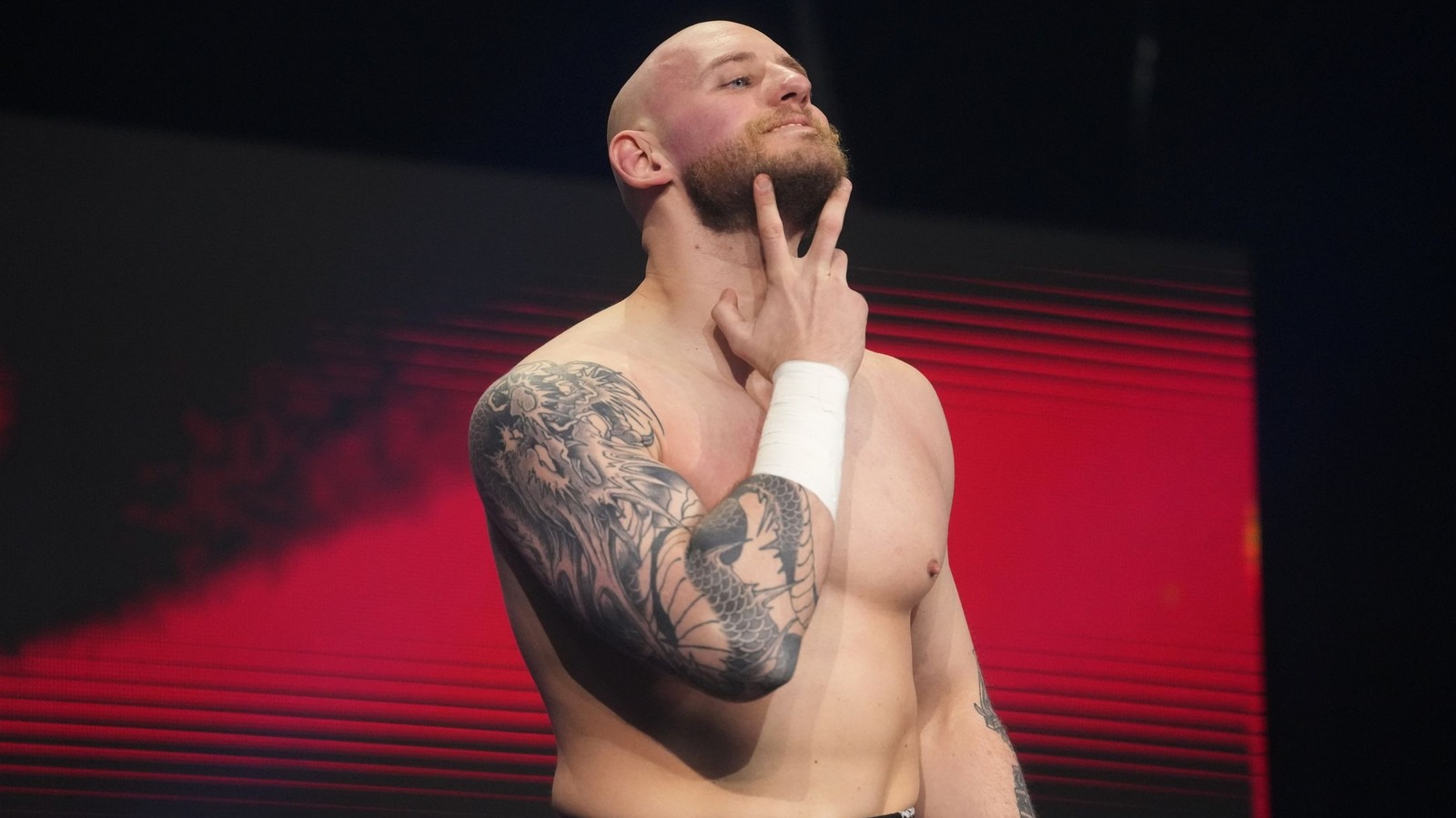
The clinical breakdown of the Gabe Kidd injury
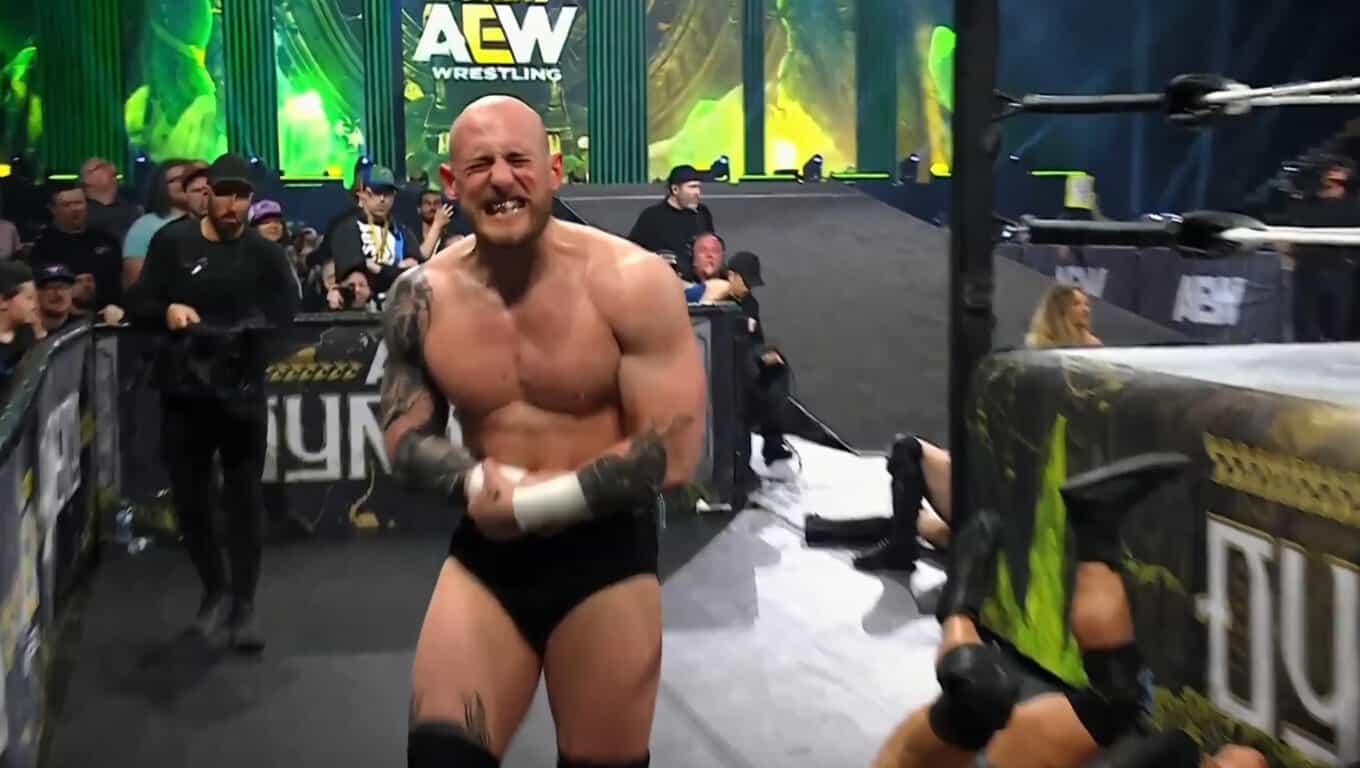
Gabe Kidd sustained an injury during the six-man tag team title match at AEW Dynasty 2026. The sequence occurred mid-match, abruptly halting the momentum of a bout that served as a central pillar for the evening's card. While the promotion has not yet released a formal medical diagnosis regarding ligament damage or bone fractures, the immediate shift in personnel indicates a significant blow to the Trios division hierarchy.
Kidd, who has operated as a high-impact fixture since arriving in AEW, was reportedly unable to complete his planned sequence of spots following a collision during the frantic final ten minutes of the match. Trainers attended to him at ringside before signaling for the referee to hasten the finish. This level of uncertainty is damaging for both the talent and the booking trajectory, as the Trios division requires consistent, healthy bodies to maintain the fast-paced output it is known for.
Strategic implications for the AEW Trios title scene
The loss of a performer like Kidd forces an immediate pivot for the creative team. AEW built their recent television cycles around the volatility and technical prowess of the units involving Kidd, and his absence leaves a void that is difficult to fill on short notice. If this injury requires a layoff spanning months, the promotion will need to vacate the titles or announce an interim structure, both of which feel redundant to fans who have seen this carousel spin too many times.
Historical precedent complicates the outlook. Wrestlers who suffer lower-body injuries during high-intensity tag sequences often face prolonged recoveries due to the necessity of weight-bearing mobility in modern in-ring work. Fans remember how quickly momentum can stall when a breakout star lands on the injury list; the history of AEW programming is unfortunately littered with moments where major feuds stalled because of sudden medical exits.
The burden on AEW's medical and booking teams
Management now faces a choice: delay the planned progression of the Trios championships or force a makeshift solution that risks further injury to other participants. The intensity of styles displayed at Dynasty is commendable, but the lack of safety margins in these spots continues to be a glaring issue. Expecting athletes to perform high-risk maneuvers without adequate recovery periods is a recipe for this exact scenario.
Critically, the booking of this match suggests a lack of foresight regarding physical management. When three teams are tasked with overlapping, high-velocity spots, the margin for error is razor-thin. This incident mirrors previous high-profile injuries that forced the company to shuffle title holders mid-reign, a practice that historically decreases the perceived prestige of the belts involved. Wrestling fans watch for continuity, and repeated resets suggest a lack of structural integrity in the roster management.
Looking forward to mid-May
As the industry looks toward the upcoming AEW Double or Nothing 2026 event, the medical status of key roster members becomes the lead story. If Kidd remains sidelined past next week, the upcoming pay-per-view card will need a total overhaul of the mid-card narrative. The reliance on heavy-collision spots in tag matches remains a point of contention among critics who prioritize longevity over immediate spots.
The recovery process for internal or structural damage often follows a fixed protocol: initial swelling management, diagnostic imaging, and a phased return-to-activity plan. Without an official statement, fans should brace for a missed window that could reach into the summer. Until then, the Trios titles are effectively frozen, creating a bottleneck that prevents secondary storylines from advancing toward May 24.
Read Next
- Gabe Kidd's indefinite injury is a massive blow to the Bullet Club War Dogs
- Kamille’s AEW return is a brutal wake-up call for the division
- Kamille returns to AEW television with a backstage assault on Willow Nightingale
- Kamille’s sudden AEW return changes the mid-card dynamic
- ⚡ AEW Dynasty 2026 — Full Coverage Hub