Bullet Club War Dog sidelined at critical juncture
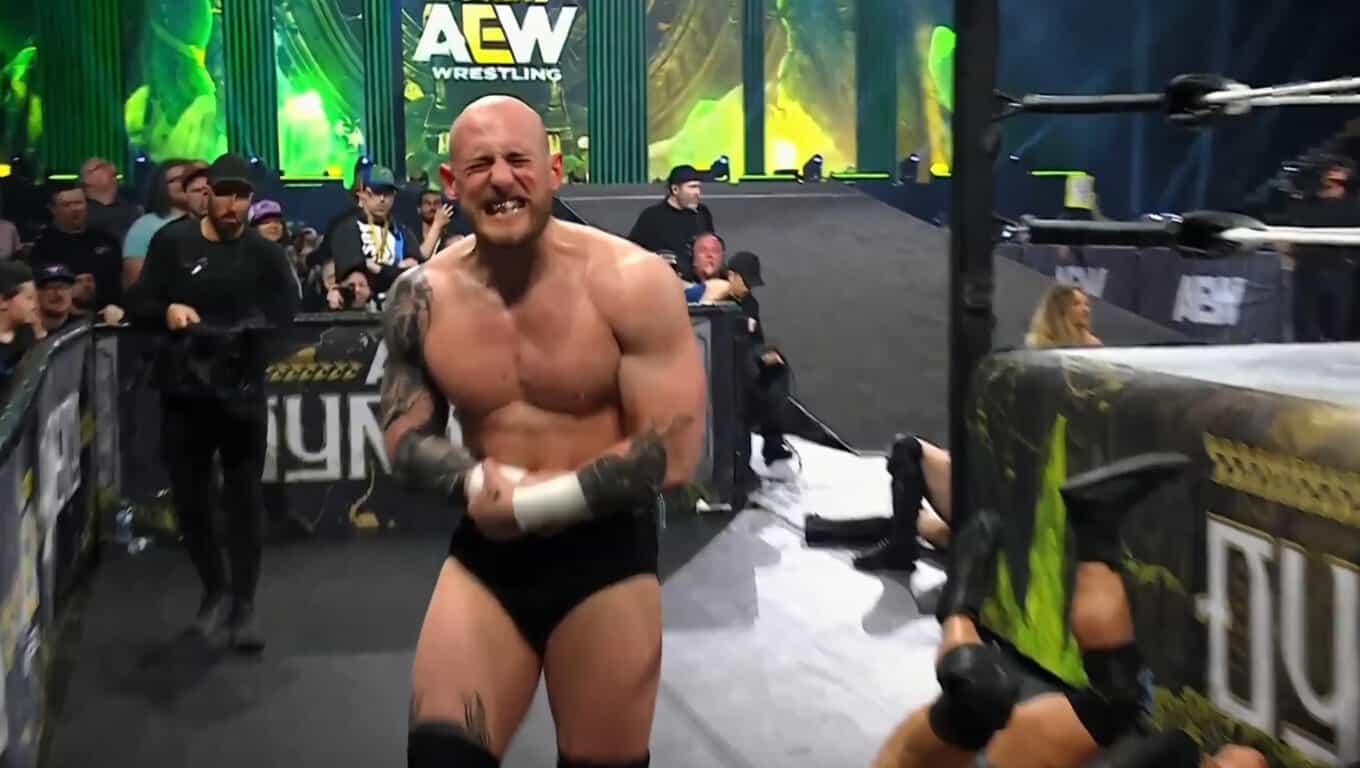
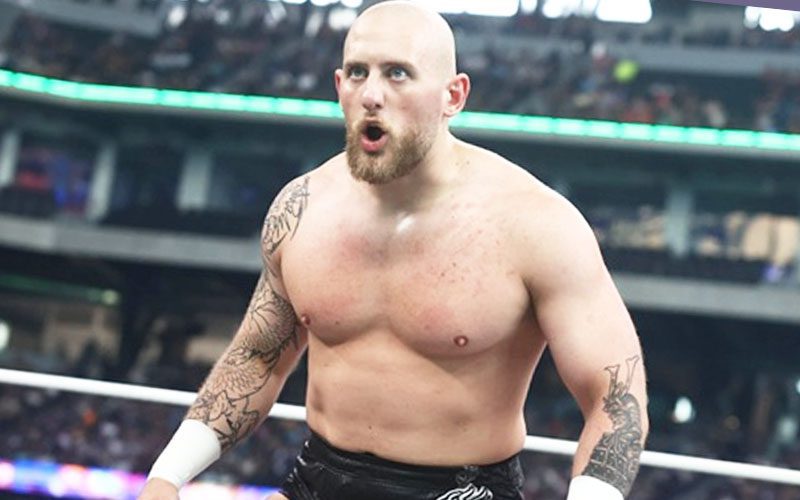
New Japan Pro-Wrestling has confirmed that Gabe Kidd will miss the upcoming Wrestling Dontaku event due to an undisclosed injury. The announcement delivers a significant blow to the Bullet Club War Dogs faction and removes a key, rapidly ascending talent from a major NJPW card just days before its highly anticipated matches are set to unfold. Details surrounding the nature and severity of Kidd's injury remain unconfirmed by the promotion, leaving fans and pundits to speculate on his return timeline.
Kidd, a standout member of the War Dogs, has seen his stock rise dramatically over the past year. His aggressive, no-nonsense style and palpable intensity made him a fan favorite and a consistent highlight on NJPW programming. Missing Wrestling Dontaku, scheduled for later this month, means New Japan must recalibrate their plans for the faction and potentially elevate another talent to fill the void left by his absence.
The opacity of wrestling injuries
This situation highlights a perennial issue within professional wrestling: the often-vague nature of injury reports. While NJPW's announcement of Kidd's absence is clear, the lack of specifics about the injury type or projected recovery period is standard industry practice. This opaqueness, while sometimes intended to protect performer privacy or maintain storyline integrity, leaves fans in the dark and can breed frustration.
For a company like NJPW, known for its rigorous touring schedule and emphasis on physical, long-form matches, injuries are an occupational hazard. Wrestlers push their bodies to extreme limits, making various ailments inevitable. However, the consistent pattern of announcing a wrestler is 'out with injury' without further explanation can feel like a disservice to those invested in the product and the athletes themselves. It's a critical flaw in how professional wrestling handles performer welfare communication, treating injuries more as plot devices than genuine health concerns.
Impact on Kidd's surging momentum
Gabe Kidd's injury comes at an inopportune moment for his burgeoning career. After strong showings in last year's G1 Climax and subsequent tours, he was positioned for a breakout 2026. His recent performances have cemented him as a future main event player, possessing both the in-ring skill and the raw charisma necessary to connect with a global audience.
An extended layoff now could derail that hard-earned momentum. In a promotion as competitive as NJPW, especially within the deep ranks of the Bullet Club, time away often means other talents step into the spotlight. While Kidd's talent is undeniable, reclaiming that top-tier positioning after a forced hiatus can be a challenging path, often requiring a re-establishment period that eats into prime performance years.
NJPW's history of navigating setbacks
New Japan Pro-Wrestling has a long history of adapting to unforeseen circumstances, particularly wrestler injuries. The promotion is renowned for its deep roster and its ability to pivot booking plans without sacrificing overall show quality. Throughout its storied past, NJPW has navigated major injuries to top stars, from Hiroshi Tanahashi to Kazuchika Okada, by emphasizing other talents or creative storyline adjustments.
For instance, injuries to key faction members often lead to temporary reshuffles within groups like Bullet Club or LIJ, giving lesser-utilized members a chance to shine. While no direct historical parallel perfectly fits Kidd's situation, the blueprint for NJPW's response typically involves either a temporary replacement in a tag team or multi-man match, or a shift in focus to a different rivalry on the card. The strength of the NJPW system lies in its foundational booking strategies that often account for such inevitable setbacks, ensuring that the show, quite literally, always goes on.
Strategic implications for upcoming tours
Beyond Wrestling Dontaku, Kidd's absence could have ripple effects on NJPW's summer schedule, most notably the upcoming G1 Climax tournament. The G1 is a grueling, month-long round-robin competition that tests a wrestler's endurance and skill, often serving as a platform for new stars to emerge or established ones to cement their status.
If Kidd's injury forces him out of the G1, it removes a credible contender and a source of fresh matchups for the tournament. NJPW's bookers will be evaluating the severity of the injury closely, as a prolonged absence would necessitate a complete re-evaluation of his placement in the hierarchy and his role within the Bullet Club War Dogs. The faction thrives on its aggressive, chaotic dynamic, and losing a key enforcer like Kidd diminishes that edge, potentially affecting future feuds and championship pursuits throughout the year, especially with the upcoming **WrestleMania 41 Night 1** and **Night 2** events diverting some fan attention from other promotions.
An uncertain road ahead
Gabe Kidd's injury is a stark reminder of the physical toll professional wrestling takes on its athletes. While NJPW will undoubtedly adjust its plans for Wrestling Dontaku, the greater concern remains for Kidd's health and his professional trajectory. The indefinite nature of his current status means an anxious wait for fans who have witnessed his rapid ascent.
The promotion now faces the challenge of maintaining the momentum built by the Bullet Club War Dogs without one of its most compelling members. How quickly Kidd recovers, and how NJPW reintroduces him to their programming, will be pivotal for his continued rise and the faction's dominance in the highly competitive landscape of New Japan Pro-Wrestling.