The Brutal Reality Behind the Curtain
Professional wrestling has always been a transaction of flesh. Fans pay their money, and in return, the men and women in the ring sacrifice a piece of their future. We are just six days away from WrestleMania 41 in Las Vegas. The WWE hype machine is running at full capacity, selling the spectacle of a stadium show.
But away from the pyrotechnics and the massive ticket sales, the real story of this business is far more grim. Two completely different generations of wrestlers spoke out this week, highlighting a dark parallel between the stars of yesterday and the workhorses of today. Dustin Rhodes and Will Ospreay are dealing with entirely different demons.
One is looking backward at a life almost thrown away to addiction. The other is looking forward, terrified of a single bad bump that could abruptly end his career.
Surviving the Abyss
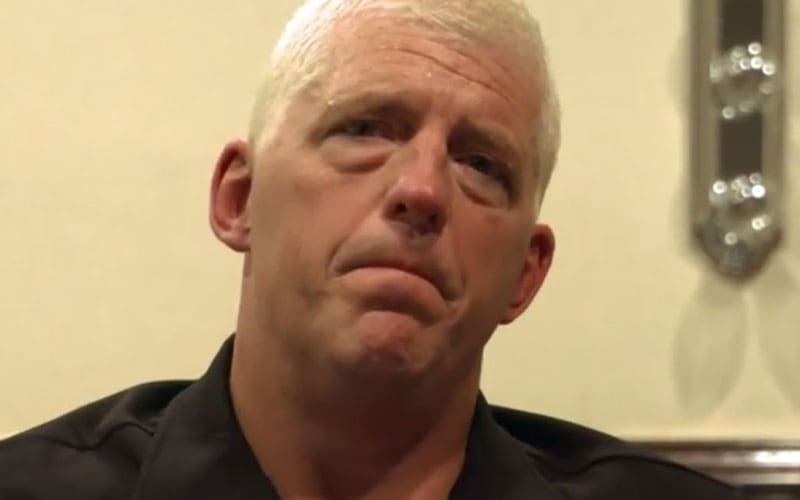
At 55 years old, Dustin Rhodes should probably not be wrestling. The fact that he can still lace up his boots, hit the ropes, and execute a fluid Canadian Destroyer is a legitimate medical anomaly. But the physical wear and tear on his joints pales in comparison to the mental anguish he survived during his darkest years.
Speaking openly about his past, Rhodes admitted a chilling truth this week. During the peak of his drug and alcohol addiction, he actively wanted to die. He was entirely consumed by the heavy substances he used to numb the physical and emotional pain of the business.
This was not an isolated incident. The locker rooms of the late nineties and early two-thousands were notorious for this exact toxic culture. Wrestlers were working grueling schedules, often wrestling 300 days a year without an offseason. They were self-medicating with heavy narcotics, muscle relaxers, and alcohol just to make the next town.
The pressure to maintain a television physique while dealing with unhealed injuries drove many performers straight into the ground. Many of Dustin's contemporaries did not survive that grim era. The industry lost a staggering number of elite performers to heart failure, suicides, and drug overdoses before they even reached their fiftieth birthdays.
Men like Curt Hennig, Test, and Bam Bam Bigelow became tragic footnotes of a ruthless corporate machine that refused to offer basic healthcare. Rhodes was spiraling down that exact same path. His eventual sobriety is one of wrestling's greatest redemption arcs.
He pulled himself out of a hole that swallowed dozens of his peers, resurrecting his career in his late forties and becoming a foundational pillar for AEW. But that survival came with a deep, lingering trauma that he clearly still processes today.
The Hypocrisy of Protecting the Business
Fascinatingly, the same man who just bared his soul about his near-fatal addiction holds a very old-school view of the industry. Rhodes followed up his deeply personal admissions with a harsh critique of the modern wrestling business.
Rhodes stated that wrestling was actively hurt when too many behind-the-scenes secrets started getting exposed to the public. He believes the magic died the moment fans were allowed to peek behind the curtain and understand the mechanical booking of the show.
This is a glaring contradiction. You cannot complain about the loss of secrecy while simultaneously broadcasting your real-life battles with addiction on a public platform. The very transparency he hates is exactly what allows modern fans to connect with him on a human level.
The old guard desperately wants to have it both ways. They want the fans to invest in their real-life triumphs, but they demand absolute silence when it comes to booking decisions, contract negotiations, or backstage politics. It is a completely outdated mindset.
The internet tore the curtain down twenty years ago. The modern fan is educated on the mechanics of the sport. If a promoter tries to feed them cheap illusions, they will reject it immediately. Refusing to adapt to this educated audience is a massive blind spot for veterans like Rhodes.
Will Ospreay and the Fear of the Fall
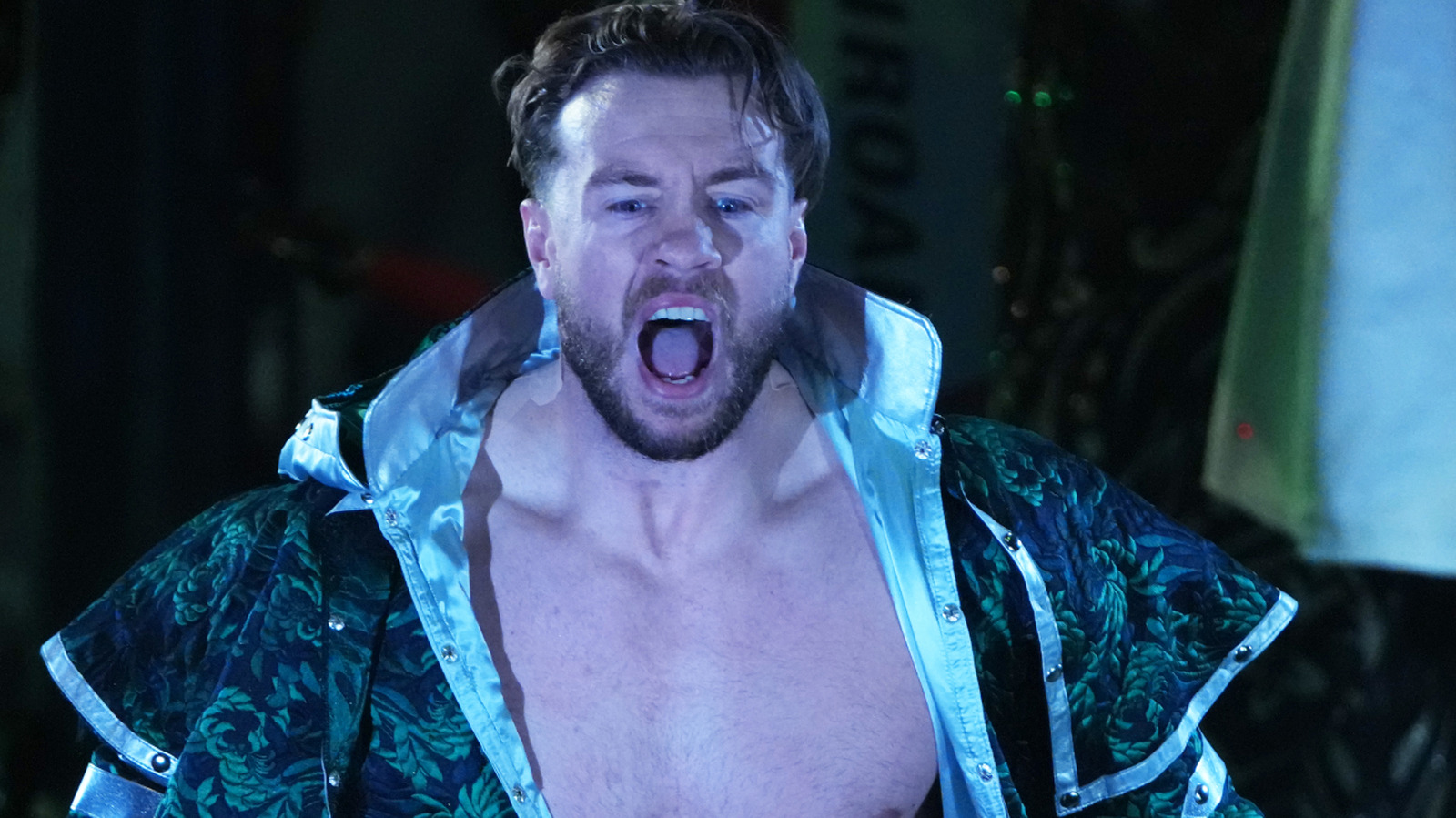
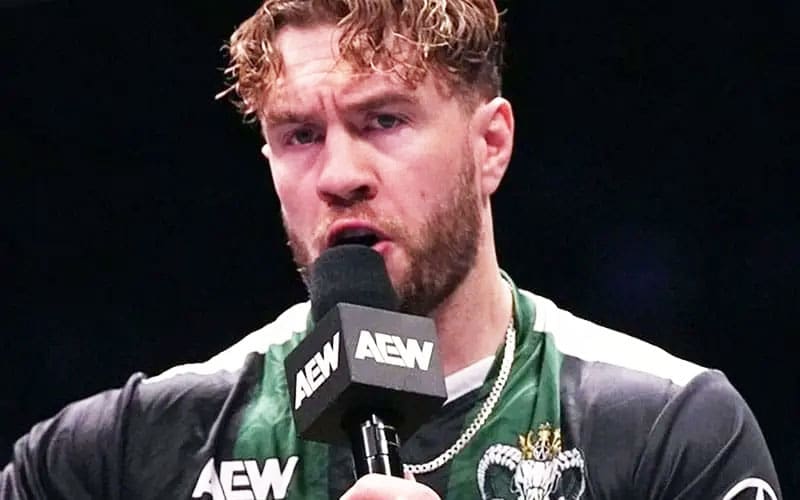
If Dustin Rhodes represents the ghosts of wrestling's past, Will Ospreay embodies the terrifying reality of its present. Ospreay is arguably the most gifted in-ring performer of his generation. But that reputation was purchased with his own physical well-being.
Following a major neck surgery, Ospreay recently confessed a grim reality about his current mindset. He admitted that he worries about getting hurt every single time he steps into the ring. The fear never completely fades.
This is a staggering admission from a man who built his global name on death-defying offense. We are talking about the wrestler who regularly hits the Hidden Blade and the Stormbreaker. He spent years in New Japan Pro-Wrestling tearing his body apart against men like Kazuchika Okada, Shingo Takagi, and Tetsuya Naito.
He pushed the absolute boundaries of human athletics in Tokyo Dome main events, taking brutal bumps directly on his skull to pop the Japanese crowds and secure unprecedented match ratings from critics. Now, the bill has come due.
Neck surgeries are not minor procedures. They leave permanent physical limitations and deep psychological scars. Every time Ospreay takes a bump on the ring apron or gets dropped on his head with a high-angle suplex, he knows the massive risks involved.
He is acutely aware that one bad rotation on a Tiger Driver could leave him permanently paralyzed. That fear is a heavy passenger to carry into a 30-minute main event against someone like Bryan Danielson or Swerve Strickland.
The Price of the Modern Main Event
The honesty Ospreay displays here is jarring. In the era Dustin Rhodes romanticizes, a top star would never admit to being terrified of injury. They would be told to tape their neck, swallow a handful of painkillers, and act tough for the paying crowd.
Showing vulnerability was considered a death sentence for your push. The modern era is vastly different. Mental health and physical vulnerability are no longer locker room taboos. Ospreay can look directly at the camera and admit he is scared, and the fans respect him immensely for it.
But this also highlights a massive flaw in current wrestling booking. Fans and promoters demand five-star classics on random episodes of weekly television. They expect Ospreay to risk his life for a minor television rating bump.
The pressure to deliver a high-adrenaline masterpiece every time he wrestles is forcing Ospreay to gamble with his future. AEW management needs to step in and protect him from himself. If he is terrified of getting hurt, perhaps he should not be working an incredibly physical, high-risk style on a meaningless Wednesday night edition of Dynamite.
Breaking the Cycle
We are looking at two men trapped in the same ruthless machine. Dustin Rhodes nearly lost his life trying to survive the grueling schedule and toxic culture of the late nineties. Will Ospreay is actively risking his mobility to meet the impossible athletic standards of today's internet fans.
Wrestling has not lost its magic. It has simply lost its deadly illusions. The secrets Dustin misses were often used to cover up rampant drug abuse, unfair contracts, and severe, untreated injuries. The modern era is much harder to look at because the performers are finally telling us the truth about their pain.
As we roll into the biggest weekend of the year, it is worth remembering the actual cost of this entertainment. The bumps are entirely real. The fear is entirely real. The damage is permanent.
The industry does not need its old secrets back. It needs to start taking far better care of the people who are brave enough to bleed for the ticket buyers.
Read Next
- Jon Moxley is still the king of AEW's violent sandbox
- Will Ospreay is about to debut a version of himself we might not recognize
- Will Ospreay is back but the Billy Goat might have finally found his limit
- Dustin Rhodes thinks you know too much and the internet is ready to fight him
- ⚡ AEW Dynasty 2026 — Full Coverage Hub
- 🎲 AEW Double or Nothing 2026 — Full Coverage Hub