A Division in Chaos
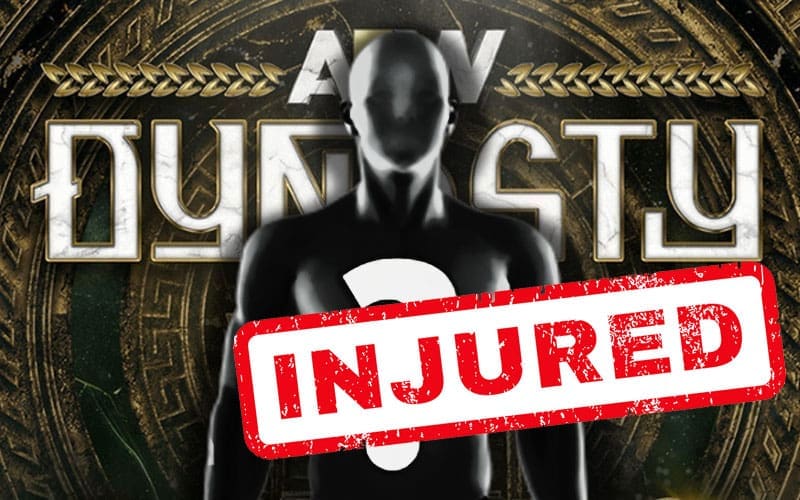
AEW Dynasty delivered on its promise of high-stakes action, but the fallout from the pay-per-view has been dominated by a legitimate medical emergency. The AEW Trios Title match was heavily hyped heading into the event. It was designed to be a showcase of top-tier athleticism and tag team coordination. Instead, it devolved into a chaotic scramble.
According to Ringside News, the bout didn’t just feature a surprise return—it also saw an unexpected injury that forced an immediate change to the match structure.
The exact nature of the injury and the identity of the affected wrestler have not been officially confirmed by AEW. The silence from the promotion usually indicates a situation requiring thorough medical evaluation rather than a simple stinger.
Trios matches are inherently dangerous. When Tony Khan introduced the titles, he promised a division built on speed and innovation. But putting six men in the ring simultaneously drastically reduces the margin for error.
The Elite and Death Triangle established a frantic pace for this division. Performers are regularly asked to execute multi-layered sequences involving blind tags, assisted dives, and synchronized strikes.
If one person is out of position by half a step, the entire sequence collapses. A mistimed catch on a tope con giro or a slightly short rotation on a Canadian Destroyer can end a career. The injury at Dynasty is a stark reminder of the physical tax required to maintain this style.
The Nightmare of the Audible
Professional wrestling relies on a fragile illusion of control. When a performer suffers a legitimate injury, that illusion shatters. The responsibility immediately falls on the referee and the remaining healthy competitors.
They have to call an audible in front of a live crowd. Calling an audible in a standard singles match is difficult enough. Doing it in a Trios match is an absolute nightmare.
The referee must communicate with the ringside doctor, assess the injured party, and relay a brand-new finish to five other wrestlers in real-time. The report noted that the injury forced a massive pivot. You do not scrap months of creative planning for a minor bump.
The timing of this injury is particularly brutal. The match was built around a surprise return, designed to generate massive momentum heading into the spring schedule. When a match is structured around a surprise, the psychology is meticulously paced to build toward that specific reveal.
An injury completely destroys that pacing. The crowd senses that something is wrong. The performers rush through their spots to protect their downed coworker.
By the time the surprise return actually happens, the atmosphere in the arena is flat and confused. The returning star is robbed of their big moment, forced to awkwardly navigate a legitimate medical situation instead of soaking in the crowd reaction.
Historical Precedent and Medical Protocols
This is not the first time AEW has had to deal with a severe mid-match medical issue. The company has a spotty history when it comes to stopping matches on the fly.
Fans still vividly remember the Jon Moxley and Rey Fenix match at Grand Slam. Moxley suffered a legitimate concussion early in the bout. The referee missed the clear signs of trauma.
The match continued far longer than it should have, resulting in a sloppy, dangerous finish that did neither man any favors. AEW faced severe, justified criticism for their handling of the situation. The infamous Matt Hardy concrete bump at All Out 2020 remains a black mark on the company's safety record.
To their credit, AEW has overhauled their medical protocols over the last two years. Doc Sampson and the ringside physicians have been granted much more authority.
They can step onto the apron and force a match stoppage regardless of the planned creative direction. If the Dynasty bout was rapidly altered due to this injury, it suggests those upgraded protocols are actually working.
But safety protocols do not fix broken television formats. The AEW roster is severely bloated. Performers know they have limited opportunities to impress the boss and secure television time.
This creates a dangerous incentive structure. Wrestlers push their bodies well past sensible limits, executing increasingly reckless high-impact moves just to stand out on a crowded card.
The baseline expectation for a modern pay-per-view match has become so physically demanding that bodies are breaking down at an alarming rate. You cannot ask athletes to perform high-velocity car crashes every month without expecting casualties. The Dynasty incident is just the latest data point in a troubling industry trend.
The Road to Double or Nothing
Tony Khan now faces a massive creative headache. AEW Double or Nothing is scheduled for May 24, giving the booking committee just under six weeks to figure out a backup plan. Pay-per-view cycles depend entirely on momentum.
The Trios division desperately needed a jolt of energy. Instead, it is stuck in neutral. The creative team has to find a way to keep the titles relevant while dealing with a potentially long-term absence.
The division has already felt like a massive afterthought for the better part of a year. The belts are routinely bumped to Rampage or crammed into pre-show slots with zero narrative build. Losing a key participant in a major pay-per-view match only reinforces the growing perception that the Trios championships are a failed experiment.
When Death Triangle held the belts, they defended them with a frantic energy that felt unique. The Acclaimed brought pure popularity to the titles, though the in-ring quality dipped significantly.
Now, the division feels entirely directionless. A severe injury right now is the absolute worst-case scenario for a set of championships that desperately need a focused, consistent narrative.
Across the industry, the approach to injury management is under extreme scrutiny. With WWE preparing for WrestleMania 41 in just six days, their medical team is notoriously conservative. Triple H has repeatedly pulled talent from major cards at the first sign of structural damage.
AEW has historically allowed their performers a bit more leeway to work through pain, a philosophy rooted in the independent wrestling mindset. But incidents like the one at Dynasty force a reevaluation of that leniency. When a heavily promoted title match falls apart on live pay-per-view, the financial and creative damage is undeniable.
The medical evaluation will dictate the next month of AEW television. If the injury requires surgery, the Trios titles might need to be vacated entirely. If it's a severe concussion, the return timeline is completely unpredictable.
Fans are currently left waiting for a concrete update. Until Tony Khan or the medical staff provide an official statement, the Trios division remains in a holding pattern. The highly anticipated surprise return from Dynasty is left standing in the ring without a proper storyline. The entire situation is a frustrating mess, exposing the extreme fragility of long-term booking in modern professional wrestling.
Read Next
- MJF's cheap win over Kenny Omega proves his AEW title reign is out of ideas
- Shane McMahon in Vancouver? Why tonight's AEW Dynasty is the moment
- MJF's dirty win over Kenny Omega exposes a tired AEW booking formula
- MJF's cheap Dynasty win forces Tony Khan to hit the panic button
- ⚡ AEW Dynasty 2026 — Full Coverage Hub