The Inevitable Breaking Point
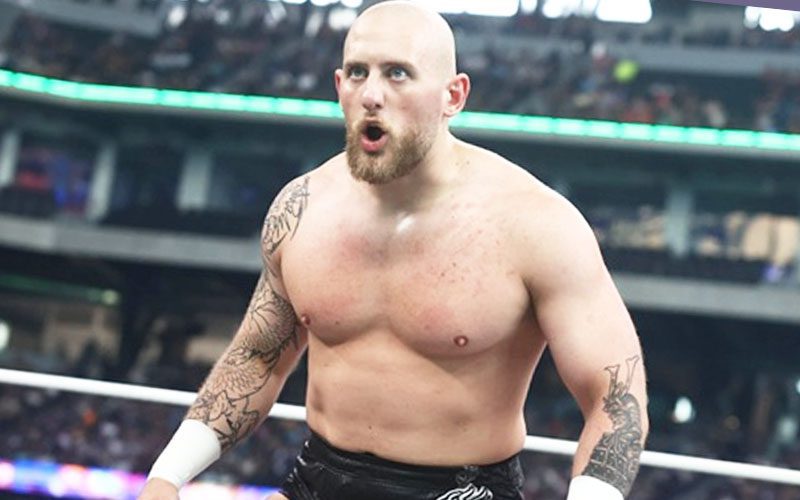
Gabe Kidd is officially out of the upcoming Wrestling Dontaku tour. The announcement from PWInsider was brief, but the reality behind it has been building for months.
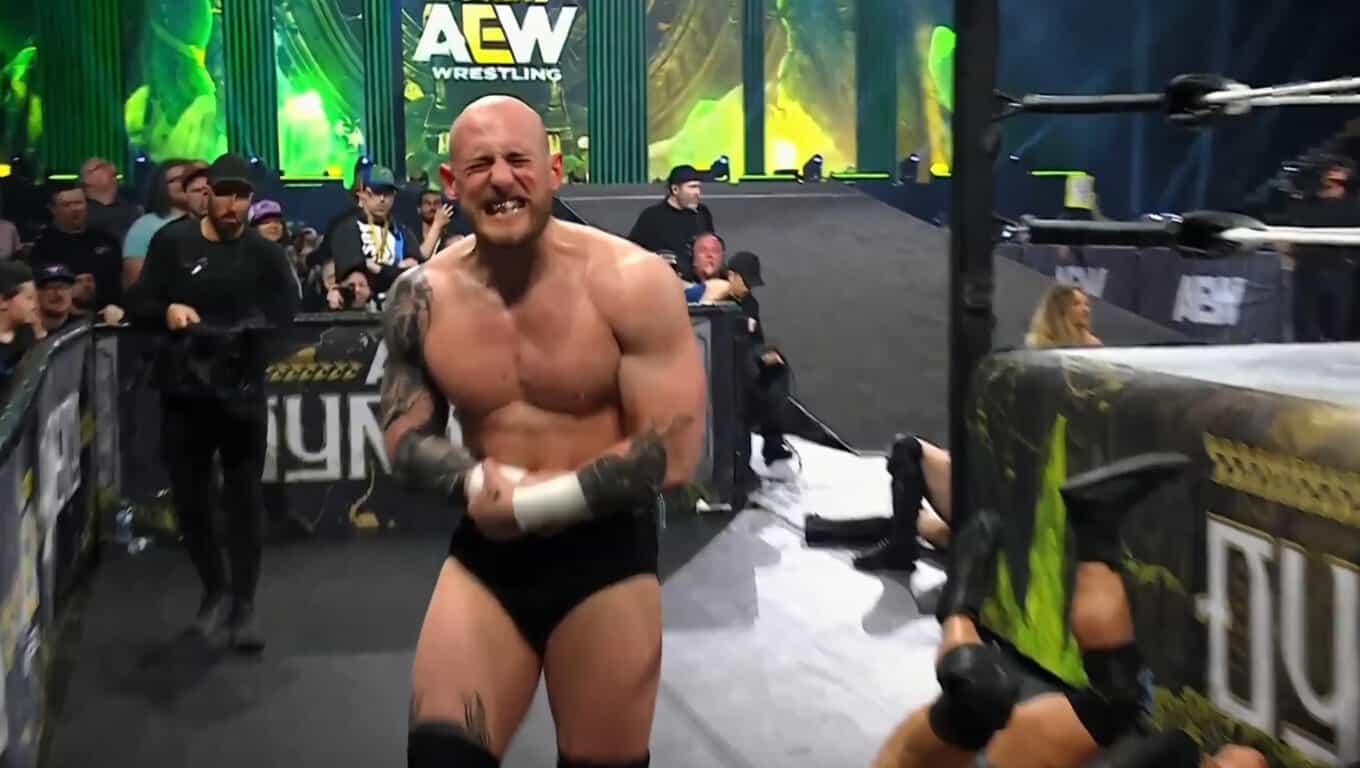
You cannot wrestle the style Kidd wrestles, at the volume he wrestles, without the body eventually demanding a tax. Since his rebranding as a founding member of the Bullet Club War Dogs, Kidd has operated at a terrifying velocity.
He isn't just working matches. He is engaging in nightly car crashes.
While the immediate reaction is disappointment, a closer look at the data reveals this absence was entirely predictable. NJPW's scheduling, combined with Kidd's refusal to shift out of fifth gear, created a statistical inevitability.
By The Numbers: The War Dog Workload
To understand why Kidd's body finally forced a pause, we have to look at his schedule over the last two calendar years. The sheer volume of dates he has worked is staggering, especially for a foreign talent who also handles international bookings.
In 2024 alone, Kidd wrestled a total of 108 matches. That number puts him in the top five percent of the entire NJPW roster for activity.
But the raw match count only tells half the story. It is the density of these matches that matters.
During the G1 Climax, Kidd wasn't just working his block matches. He was heavily involved in the undercard tag matches on his off nights. During the World Tag League, the schedule was equally unforgiving.
Compare his modern workload to his pre-pandemic Young Lion days. The match counts are similar, but the physical output is entirely different. A Young Lion takes basic bumps and works a structured, safe style. The current iteration of Gabe Kidd throws unprotected headbutts, takes backdrop drivers on the apron, and brawls through the crowd on a nightly basis.
The Sprint Metric: Short, Violent, Unforgiving
If you watch a typical NJPW main event, the structure is clear. The first ten minutes are feeling-out periods. Headlocks, clean breaks on the ropes, measured pacing. Sanada and Tetsuya Naito are masters of this energy conservation.
Gabe Kidd does not conserve energy.
Looking at his singles matches over the last 18 months, Kidd's average match length clocks in at just 14:22. This is noticeably shorter than the typical NJPW upper-midcard standard, which usually hovers around the 22-minute mark.
But that shorter runtime is deceptive. Kidd compresses 30 minutes of violence into 14 minutes of ring time. The strikes are stiffer, the pacing is frantic, and the recovery time between major bumps is practically non-existent.
When you map his strikes-per-minute data against the rest of the heavyweight division, Kidd operates at a terrifying clip. He throws more closed fists and stiff lariats in his opening three minutes than most wrestlers throw in an entire match.
Carrying the Undercard
There is a harsh reality to NJPW's current booking strategy. Gedo relies entirely too much on the War Dogs to generate heat during the long, grinding multi-man tag tours.
This is where the criticism of NJPW's office becomes impossible to ignore. They have treated Kidd as an indestructible workhorse, consistently booking him to carry the emotional weight of meaningless Road To shows.
Over the last year, Kidd has participated in exactly 64 multi-man tag matches for the Bullet Club. In the vast majority of these, he is the one taking the fight into the crowd, swinging chairs, and taking the hardest bumps to pop the live crowds in smaller venues.
When you break down those multi-man tags further, the physical toll becomes even more apparent. In NJPW, the typical eight-man tag is designed to give the stars a rest. The top heavyweights stand on the apron, come in for a signature sequence, and let the younger talent eat the pin.
Kidd operates in reverse. Despite being a featured star, he consistently acts as the primary bump-taker. He was the legal man for the finish in over forty percent of those tag matches. For a wrestler of his stature, absorbing that much late-match offense on minor shows is statistical malpractice by the booking committee.
This reliance on his chaotic energy has masked a serious booking flaw. NJPW has failed to build enough credible midcard heels to share the load. When the entire burden of making an eight-man tag match interesting falls on one guy's willingness to bleed, you are running on borrowed time.
Now, that time has run out. Dontaku will have to survive without him.
The NJPW Gaijin Curse
Kidd's situation is not unique. It is a recurring pattern for foreign talent in New Japan. The company finds a workhorse, straps a rocket to them, and runs them until the wheels fall off.
We saw it with Will Ospreay, who routinely worked through severe neck and shoulder injuries because he felt obligated to carry the company during the pandemic. We saw it with Jay White, who burned out on the relentless travel schedule.
The difference is that Ospreay and White were protected in main events. Kidd is taking main-event level damage in the semi-main and undercard.
His run with the NJPW STRONG Openweight Championship added another layer of physical degradation. The belt essentially functions as a hardcore championship masquerading as a prestige title. Every defense required a pound of flesh.
He wasn't wrestling technical clinics against Zack Sabre Jr. He was bleeding over the barricades against Eddie Kingston. Those matches don't just shave months off a career. They fundamentally alter a wrestler's baseline durability.
The travel alone is a killer. Flying a 14-hour economy route from Tokyo to Chicago, wrestling a No Disqualification match, and flying back three days later to start a Japanese domestic tour is an unsustainable loop.
What Dontaku Loses
Wrestling Dontaku is traditionally the bridge between the spring tours and Dominion. It sets the stage for the summer.
Without Kidd, the War Dogs lose their teeth. David Finlay is the leader, but Kidd is the enforcer. His absence forces NJPW to shuffle the deck significantly.
Looking at the projected cards, Kidd was likely slated for a major singles program, possibly setting up a NEVER Openweight Championship challenge for Dominion. That entire storyline now has to be scrapped or delayed.
Furthermore, his absence exposes the thin depth of the current heavyweight heel roster. House of Torture matches rely on interference and prop comedy. War Dogs matches rely on raw aggression. Without Kidd, the aggression metric drops off a cliff.
The remaining War Dogs—Clark Connors, Drilla Moloney, and Finlay—will have to absorb his minutes. Connors and Moloney are junior heavyweights who already work a frantic pace. Asking them to bump for the heavyweights in Kidd's place is a recipe for further injuries.
The Road to the G1 Climax
The silver lining here is timing. If a wrestler is going to miss a tour, Dontaku is the one to miss.
NJPW's schedule cools off slightly after Dontaku, leading into Dominion in early June. But the real prize is the G1 Climax in July.
Let's examine his performance in last year's G1 Climax tournament. Kidd didn't just participate; he tried to tear the bracket apart. He finished block play with an aggressive style that saw his matches average the highest strike-exchange rate in his block.
In a standard G1 match, competitors usually settle into a rhythm. Kidd threw that out the window. Across his block matches, he initiated brawls on the floor within the first two minutes in 85% of his bouts. That is not just a stylistic choice. That is a conscious decision to absorb punishment on the outside mats night after night.
To replicate that success this summer, he needs to be fully healthy.
If this Dontaku absence is a precautionary measure to ensure he is ready for the G1, it is the smartest decision the NJPW medical staff has made in years.
A Necessary Reset
Gabe Kidd's run over the last two years has been nothing short of spectacular. He evolved from a frustrated Young Lion stuck in the UK during the pandemic into the most believable brawler in professional wrestling.
But the human body does not care about character arcs. It cares about impact.
Every chair shot to the head, every dive to the concrete, every 14-hour flight adds up. The statistics show a wrestler who has been operating at maximum capacity for far too long.
NJPW needs Gabe Kidd for the next decade, not just the next tour. Missing Dontaku is a blow to the immediate product, but it is a necessary reality check. The company cannot keep asking one man to carry the violence quotient for an entire roster.
When Kidd returns, whether it is at Dominion or the G1, the intensity will undoubtedly be there. But NJPW's booking committee needs to look hard at the numbers. They need to protect their investment, because the data proves that the current pace is a dead end.