When the Old Guard Meets the Very Evil New World Order
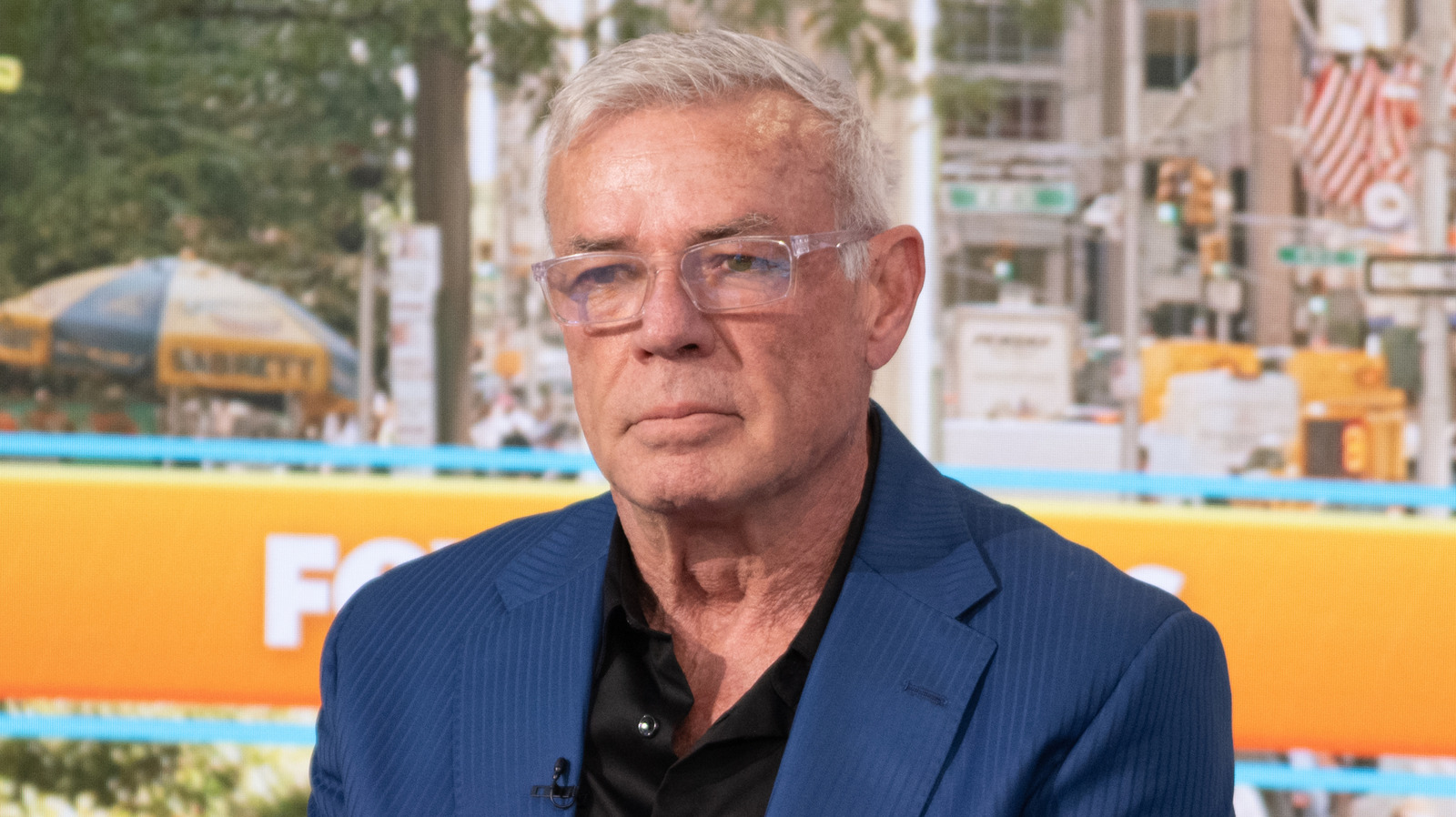
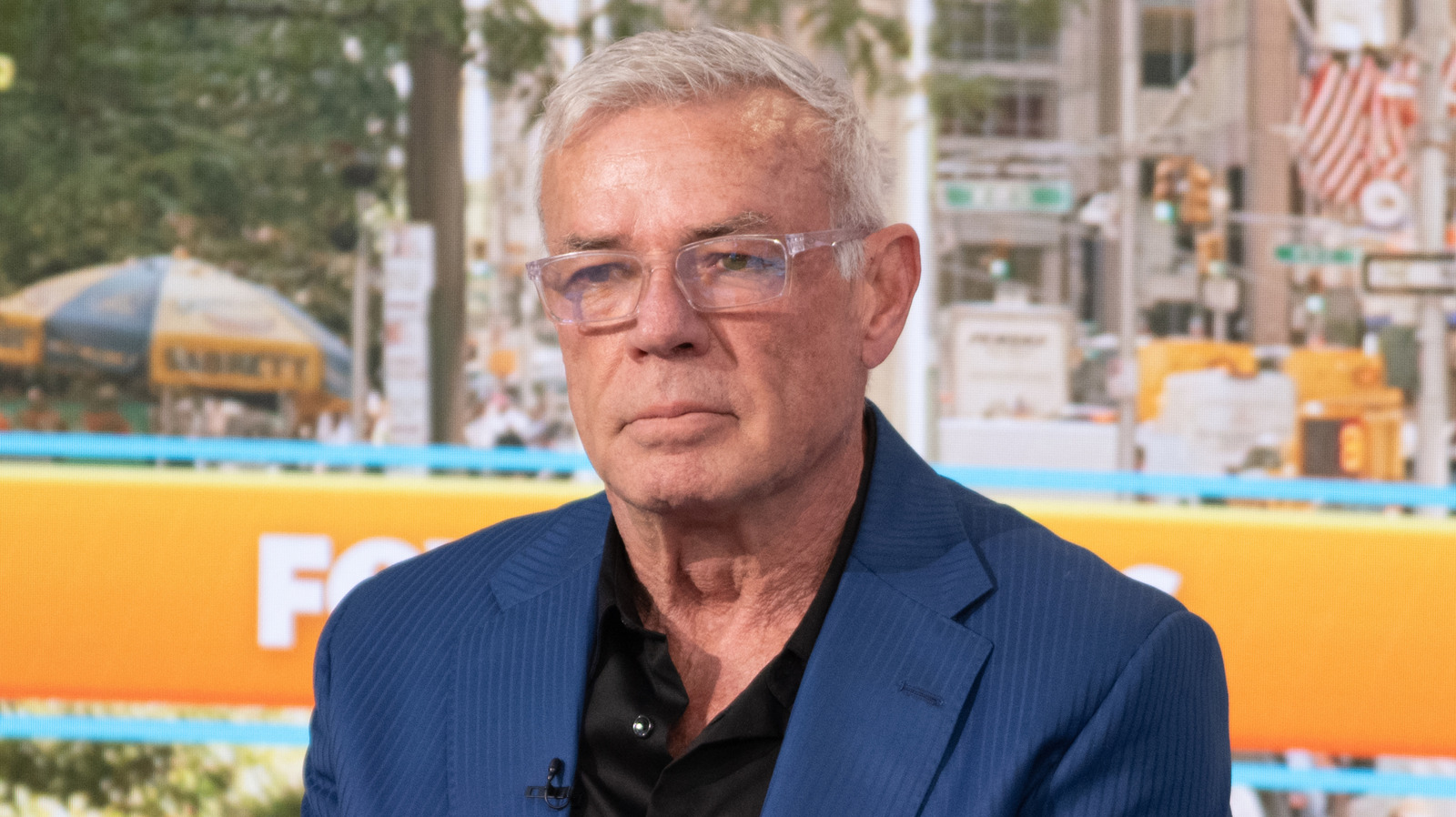
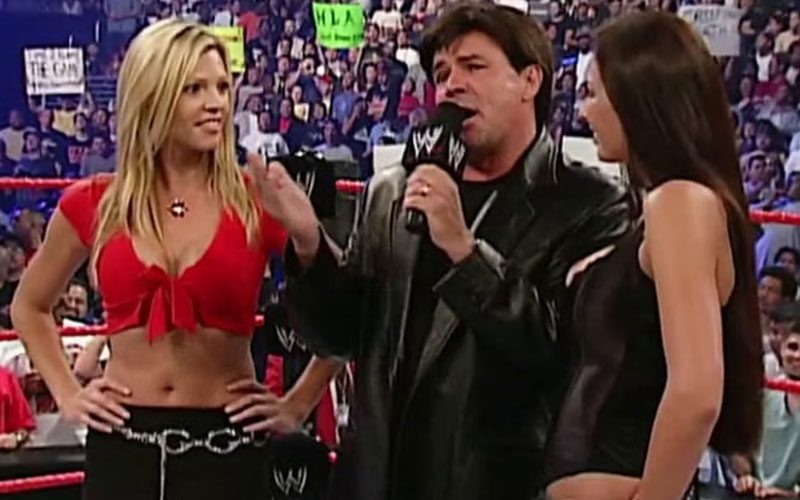
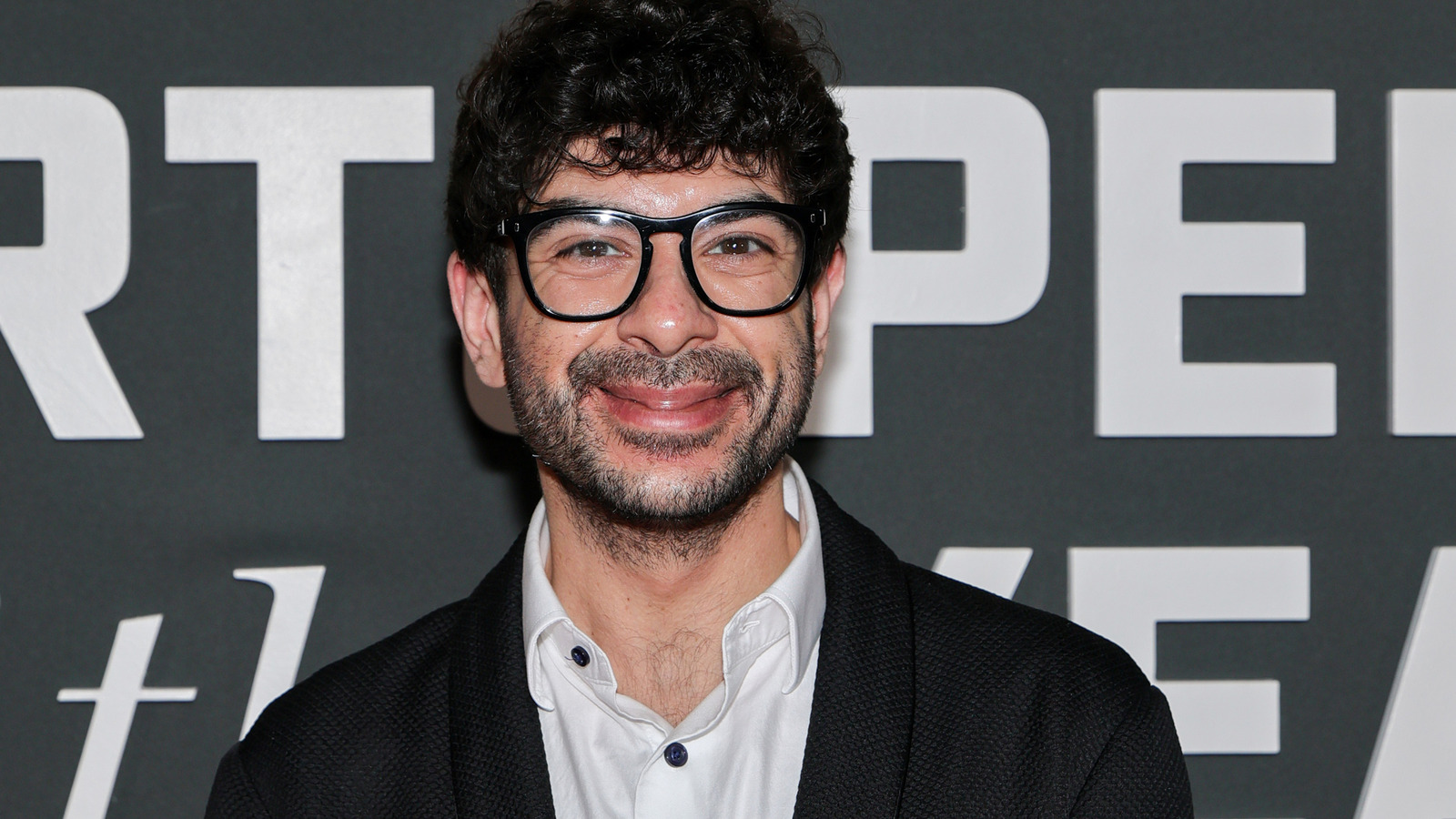
Let's get one thing straight: Eric Bischoff knows wrestling. He ran WCW, he stared down Vince McMahon for a minute there, and he's seen more gimmicks crash and burn than a stuntman at a monster truck rally. So when Easy E drops an opinion, even if it's sometimes wrapped in a thick layer of 'old man yells at cloud,' you gotta at least listen.
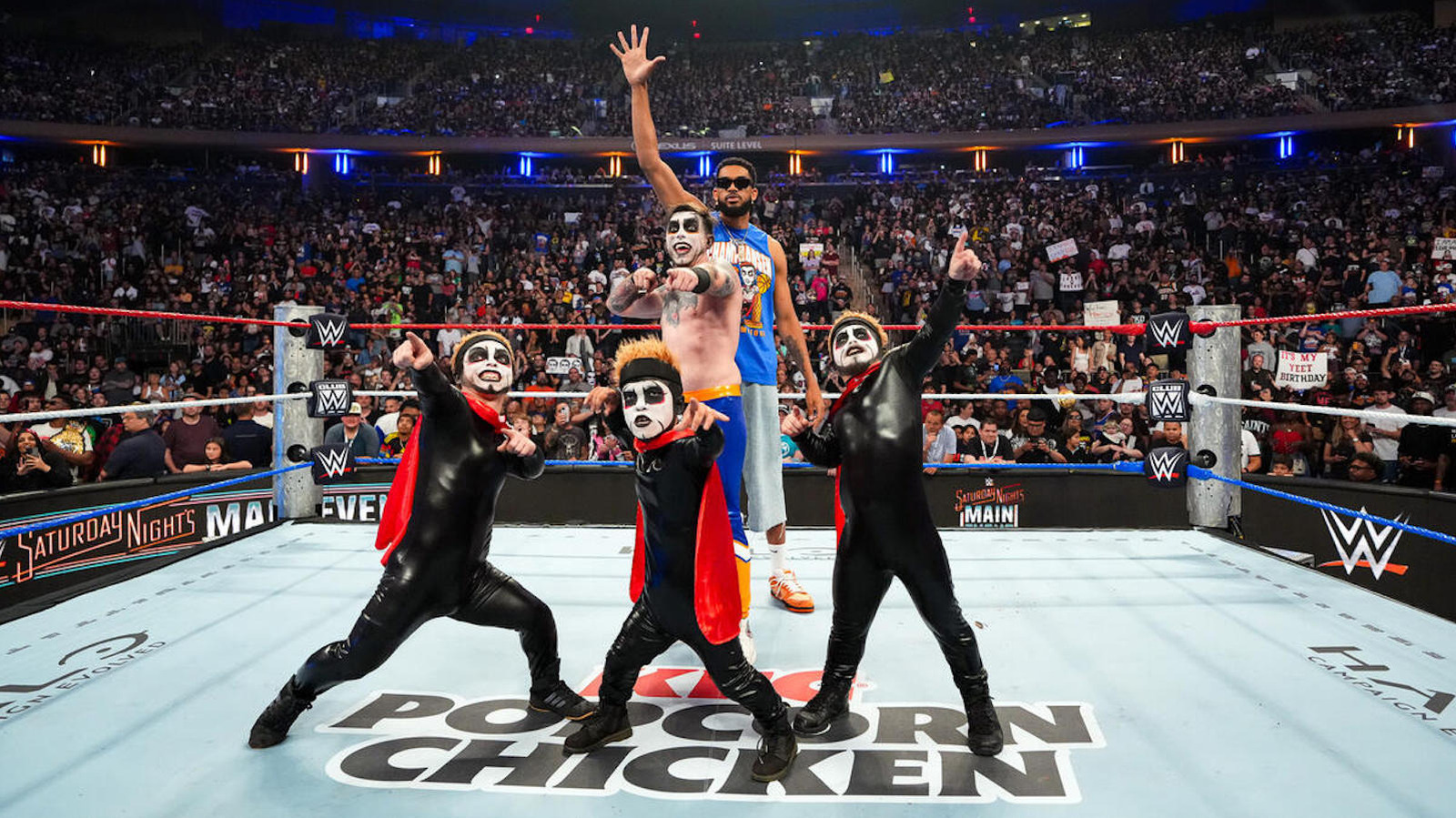
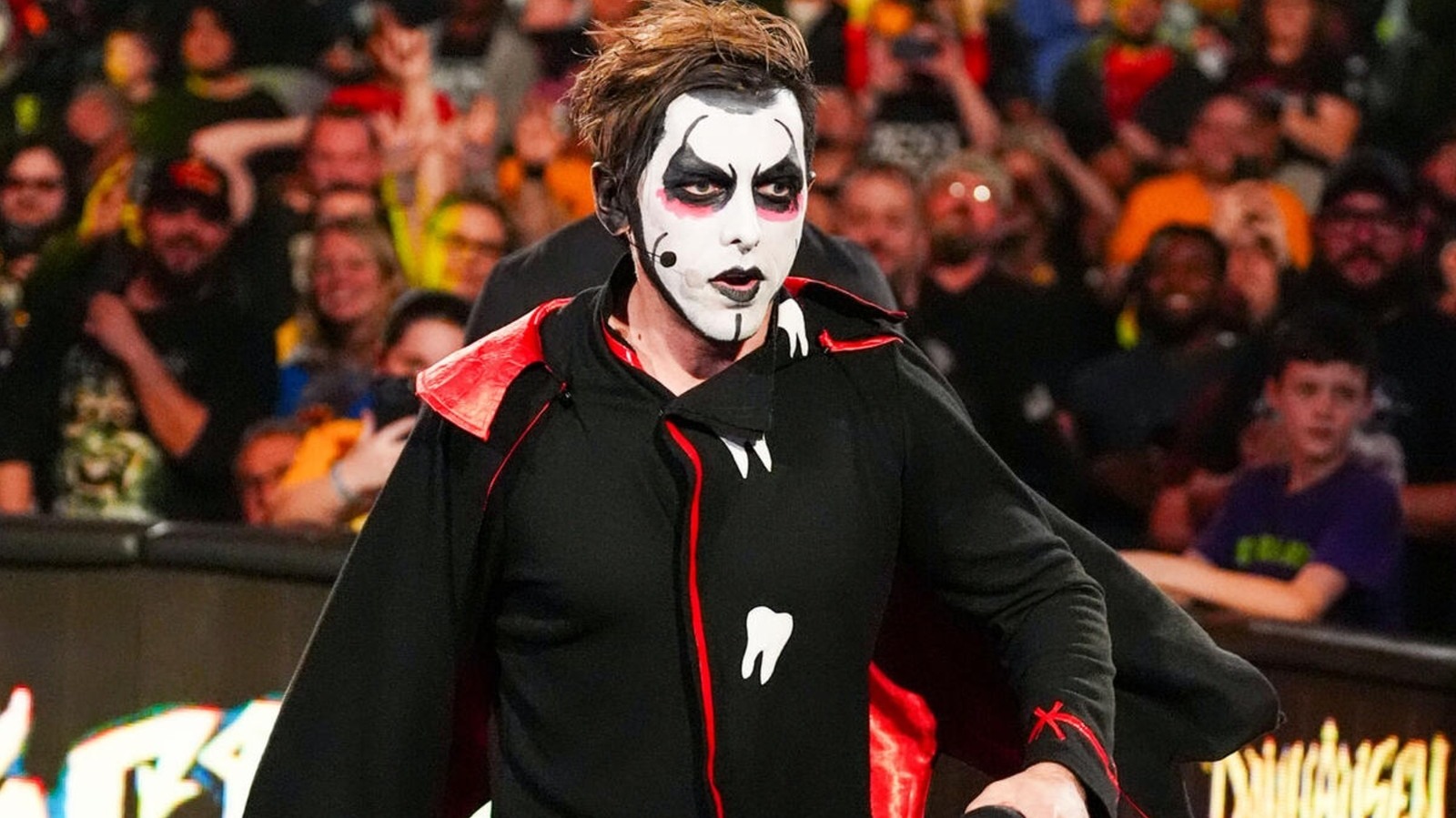
Which is why his recent take on Danhausen, that Very Nice, Very Evil enigma, is rattling the internet harder than a surprise Stone Cold Stunner. According to Wrestling Inc., Bischoff admitted he was 'surprised' by Danhausen's success, especially after being 'skeptical of his future following his debut at Elimination Chamber.' Let that sink in. A guy who booked Goldberg's streak was legitimately caught off guard by a dude who curses people with a jar of teeth.
This isn't just about Danhausen. This is about what 'success' even means in professional wrestling in 2026. It's a seismic shift, a demonic possession of the old guard's expectations, and a clear sign that the rulebook got tossed into a volcano somewhere between the Attitude Era and the TikTok era.
The 'Human Suppository' vs. The Human Anomaly
Think about the archetypes Bischoff grew up with, the ones he pushed to superstardom. You had the hulking muscle monsters, the slick-talking pretty boys, the gritty brawlers. Guys who looked like they could headline Madison Square Garden or kick the absolute snot out of you in a bar fight. And then you have Danhausen.
He's pale. He wears makeup that would make a goth kid say 'maybe dial it back a bit.' His in-ring style is, let's be generous, 'unconventional' and focuses more on arcane curses than hurricanranas. He speaks in a stilted, vaguely unsettling manner that sounds like a vintage cartoon villain on a sugar rush. If you showed a picture of Danhausen to Bischoff in 1998, he probably would've said, 'Get this human suppository off my TV.' And honestly, you couldn't blame him.
His debut at Elimination Chamber, as Bischoff referenced, likely fueled this skepticism. In an arena designed for high-octane, brutal physicality, a bizarre, almost comedic presence could easily get swallowed whole. The traditional wrestling brain says this is a novelty act, a flash in the pan, destined for the dark match graveyard.
The Jar of Teeth & The Metrics of Modern Mayhem
But here's the twist: Danhausen didn't get swallowed. He thrived. And he did it not by conforming, but by doubling down on everything that makes him weird. His 'curses,' his 'very nice, very evil' catchphrases, his bizarre social media presence – it all coalesced into something genuinely unique in a world often criticized for its cookie-cutter characters.
Bischoff's surprise isn't just about Danhausen's look or style; it's about the fundamental shift in how wrestling audiences engage. The metrics of success have expanded. It's no longer just about main eventing WrestleMania or selling out arenas (though those are still the ultimate goals). It's about engagement, meme culture, niche appeal, and creating content that transcends the wrestling bubble.
“Bischoff’s bewilderment speaks volumes about the chasm between wrestling’s past and its utterly unpredictable present.”
Danhausen understands this. He's a walking, talking, curse-wielding internet phenomenon. His merchandise sales are reportedly strong, his social media numbers are impressive, and he has a loyal, almost cult-like following that hangs on his every bizarre pronouncement. He built his own kingdom, one cursed tweet and custom action figure at a time.
Why the Old Rules Don't Apply (Sometimes)
The biggest miscalculation for many veterans, Bischoff included, is assuming that the same formula for success applies universally. For decades, it was about being bigger, stronger, faster, and having a killer promo. Danhausen is none of those things in a traditional sense. He's an anti-hero who's genuinely endearing, a character so committed to his bit that it transcends irony.
This isn't to say that every indie darling with a quirky gimmick is going to replicate Danhausen's run. Far from it. For every Danhausen, there are a dozen others who tried to be 'different' and ended up just being 'forgettable.' His success is a delicate balancing act, a tightrope walk between genuine humor, unsettling mystique, and an undeniable connection with a segment of the fanbase hungry for something outside the norm.
However, Bischoff's initial skepticism wasn't entirely unfounded. There's a fine line between a character that's genuinely captivating and one that quickly wears thin. The challenge for Danhausen, and for any unconventional act, is sustained relevance. The wrestling audience can be fickle, and novelty eventually fades if there isn't substance beneath the surface. For now, Danhausen is proving there's more than enough very evil substance.
The Future is Very Nice, Very Evil (and Unpredictable)
So, what does Danhausen's continued success, and Bischoff's acknowledgment of it, mean for the wrestling business? It means the gates are wider than ever. It means that while the main event spots will always go to the titans and the polished athletes, there's a thriving ecosystem for characters who break the mold entirely.
It's a testament to the audience's evolving tastes, and a gentle (or perhaps very evil) reminder to the gatekeepers that sometimes, the most unexpected stars are the ones who refuse to play by anyone's rules but their own. Danhausen didn't change for wrestling; wrestling changed enough to make room for Danhausen. And that, folks, is a curse-worth blessing.