Hell freezes over
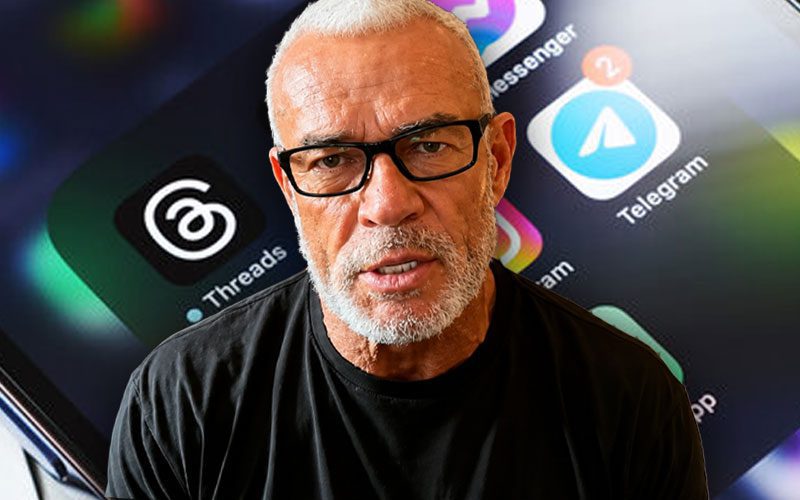
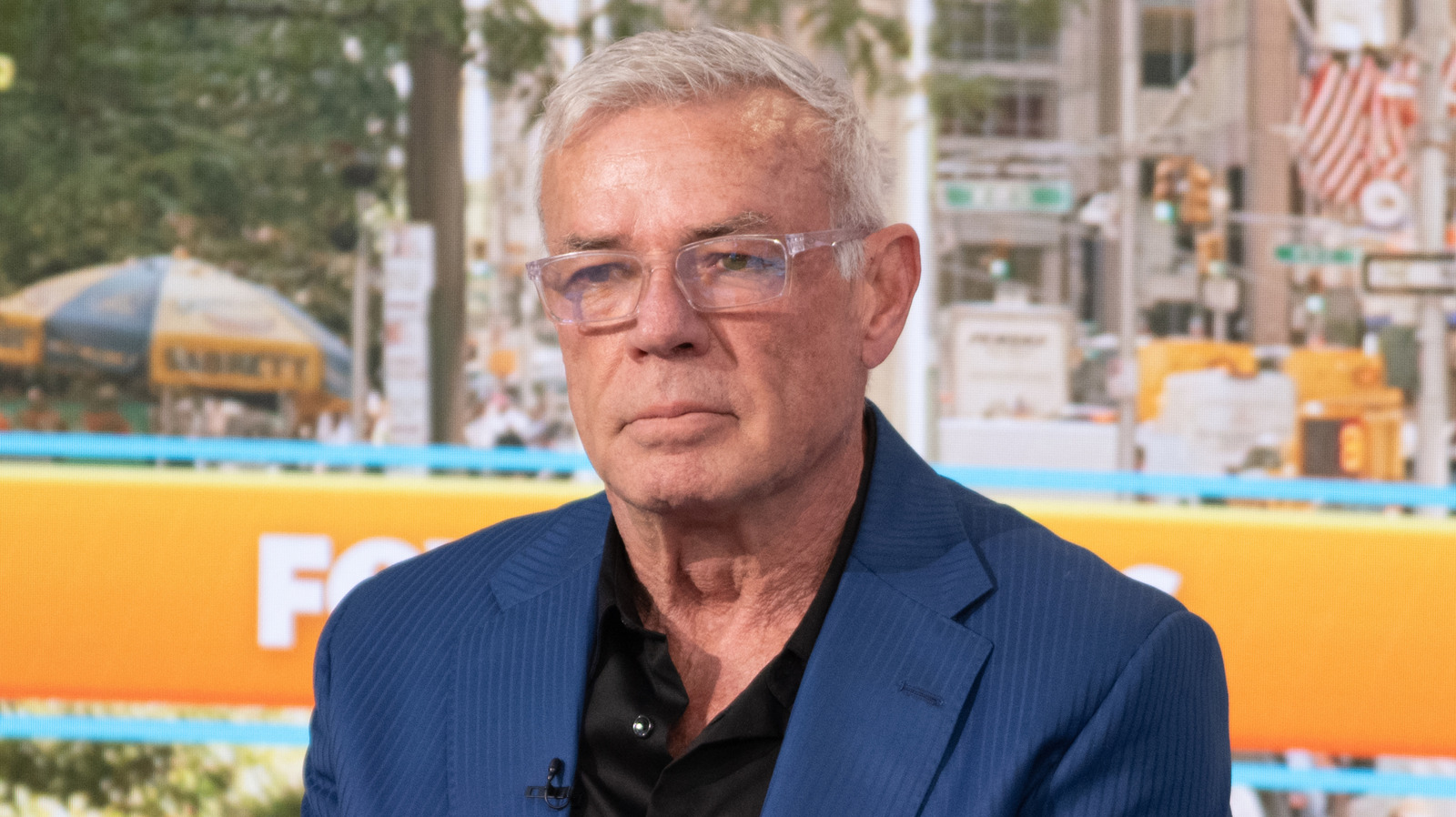
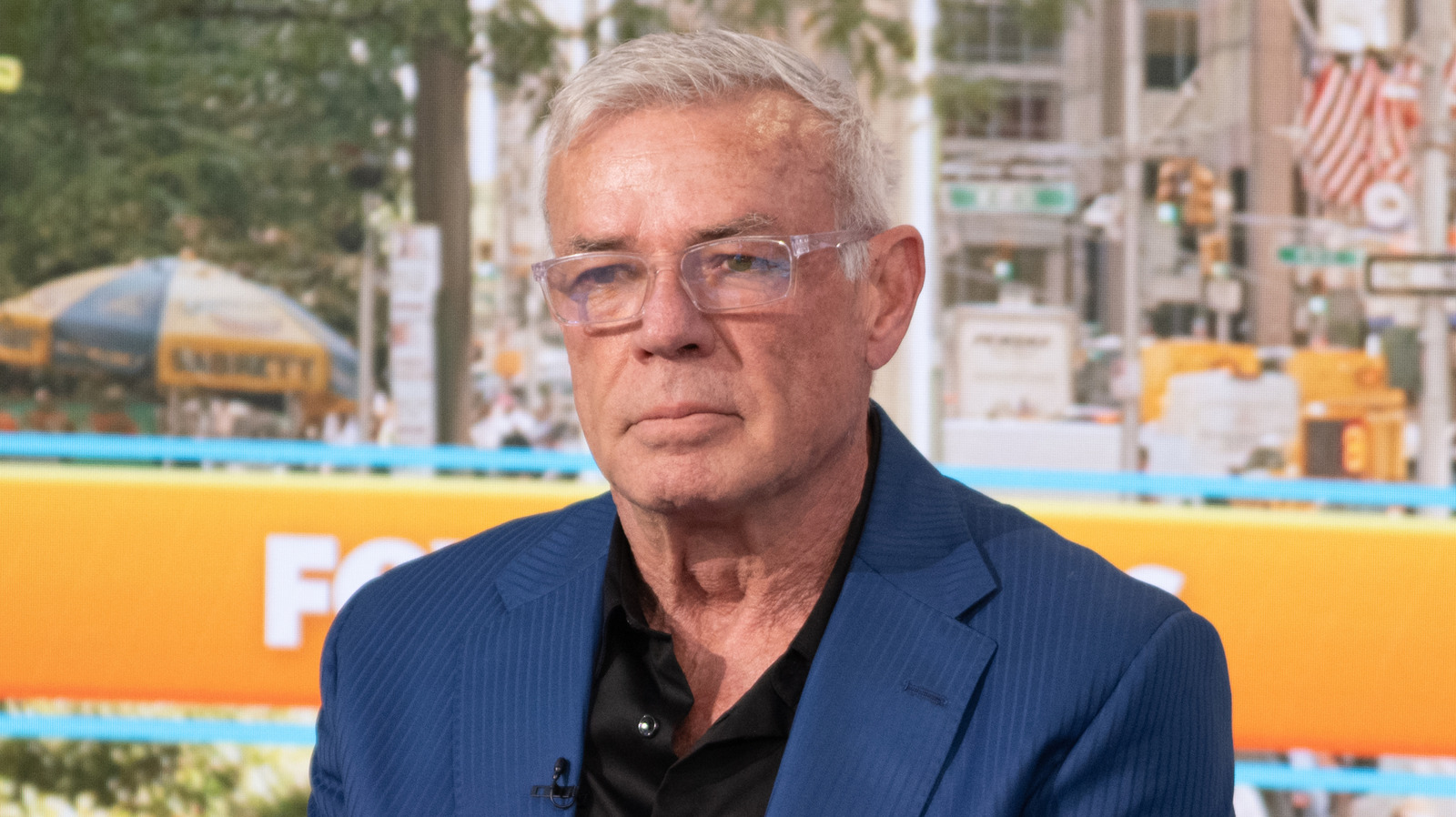
Eric Bischoff praising Danhausen was not on my 2026 bingo card. The former WCW president has spent the better part of a decade tearing down modern wrestling. He regularly roasts anything that smells like an indie comedy routine.
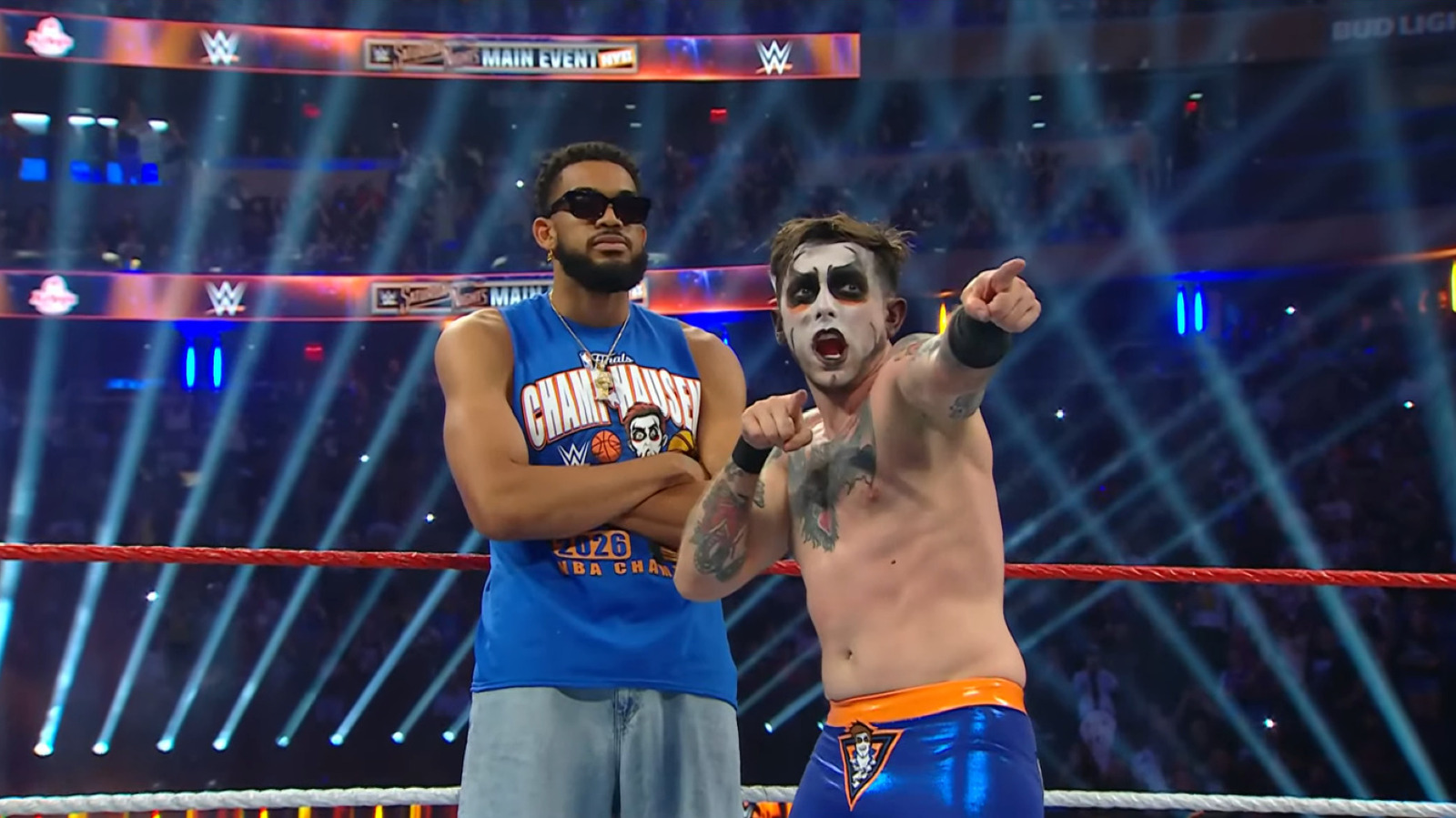
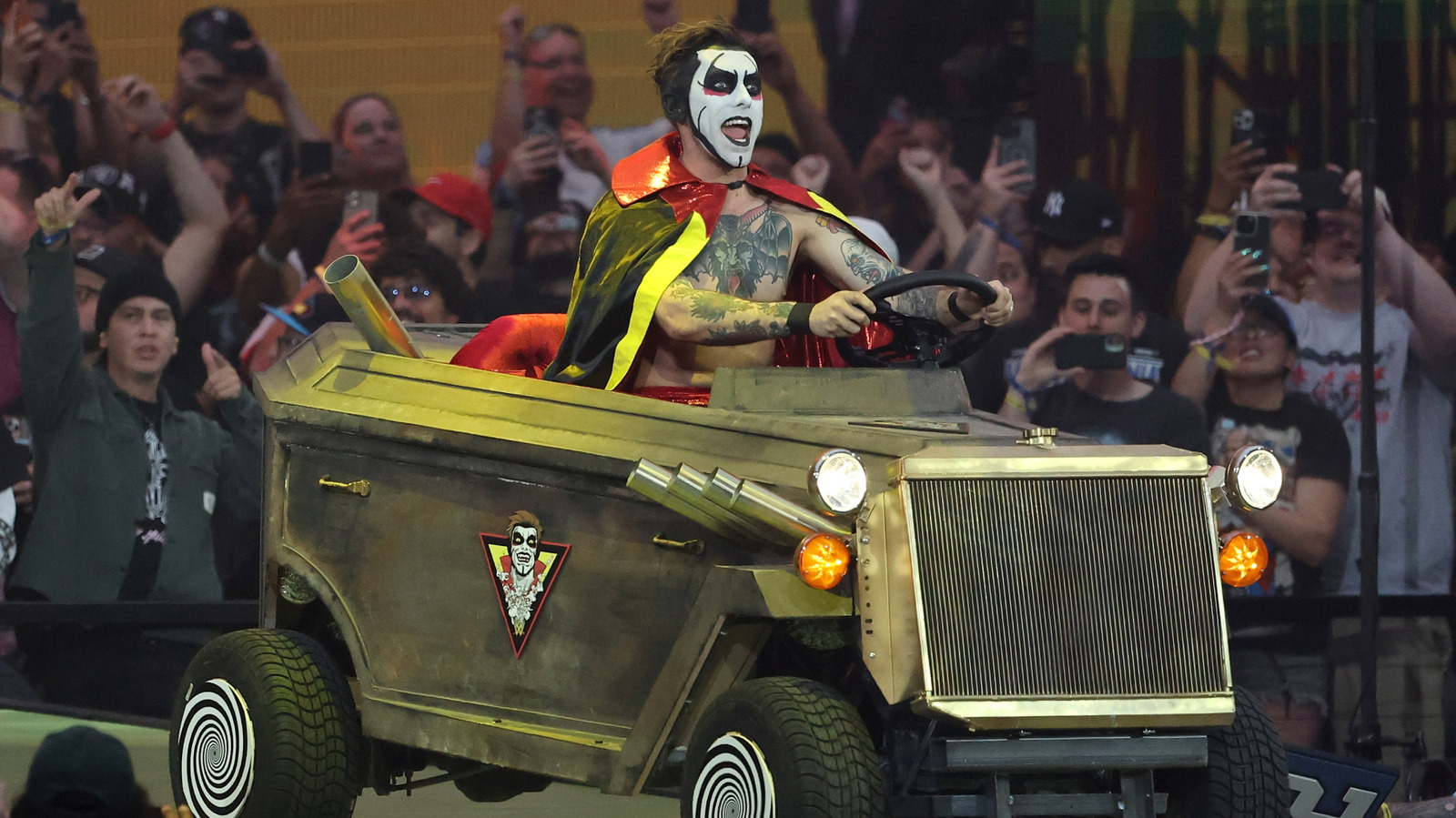
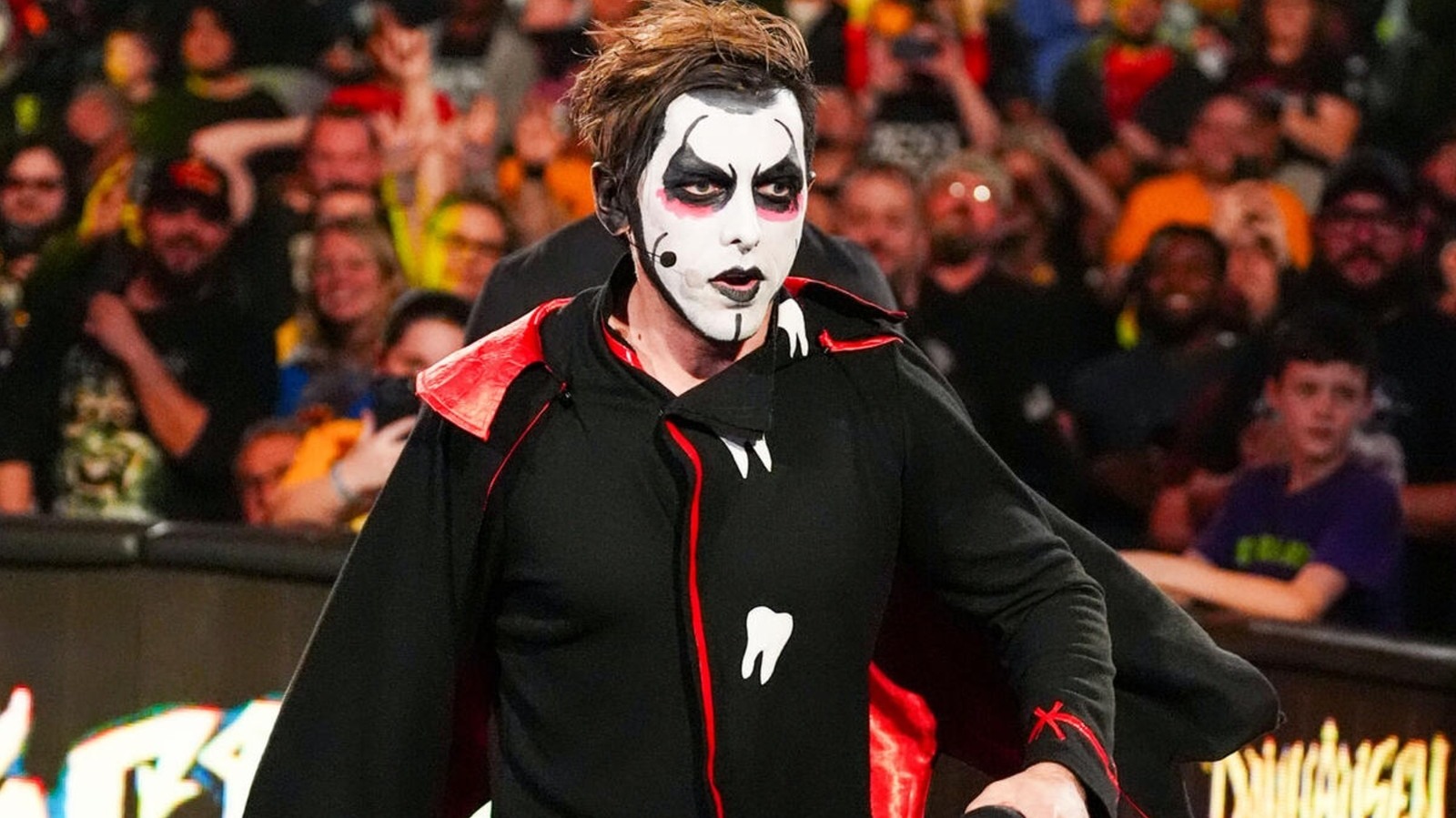
Yet, in a recent interview covered by Wrestling Inc, Bischoff admitted he is thrilled for the face-painted star. He acknowledged the massive financial success of the character. He did this even while admitting the gimmick isn't his personal cup of tea.
This is a massive departure from Bischoff’s usual rhetoric. He is a guy who historically values traditional storytelling, heat, and mainstream crossover appeal. He usually dismisses characters that rely on internet memes or fourth-wall breaks.
So why the sudden respect for a guy who points at people and claims to curse them? It all comes down to cold, hard business.
The business of being very nice and very evil
Bischoff respects anyone who can draw money. At his peak, Danhausen was a merchandise juggernaut. Industry whispers suggested he moved over 100,000 units of merchandise in his first year on national television. He didn't need twenty-minute bangers to get over.
He did it with short promos, bizarre social media vignettes, and a wildly unique presentation. To understand Bischoff's perspective, you have to look at how Danhausen built his brand.
He didn't come up through a corporate performance center. He wasn't hand-picked by a major promoter. He built an audience organically on the independent scene. He sold his own shirts, ran his own YouTube channel, and forced promoters to book him.
That entrepreneurial spirit is exactly what old-school executives claim is missing from today's locker rooms. Bischoff has repeatedly criticized modern wrestlers for relying too heavily on high spots. Danhausen is the exact opposite.
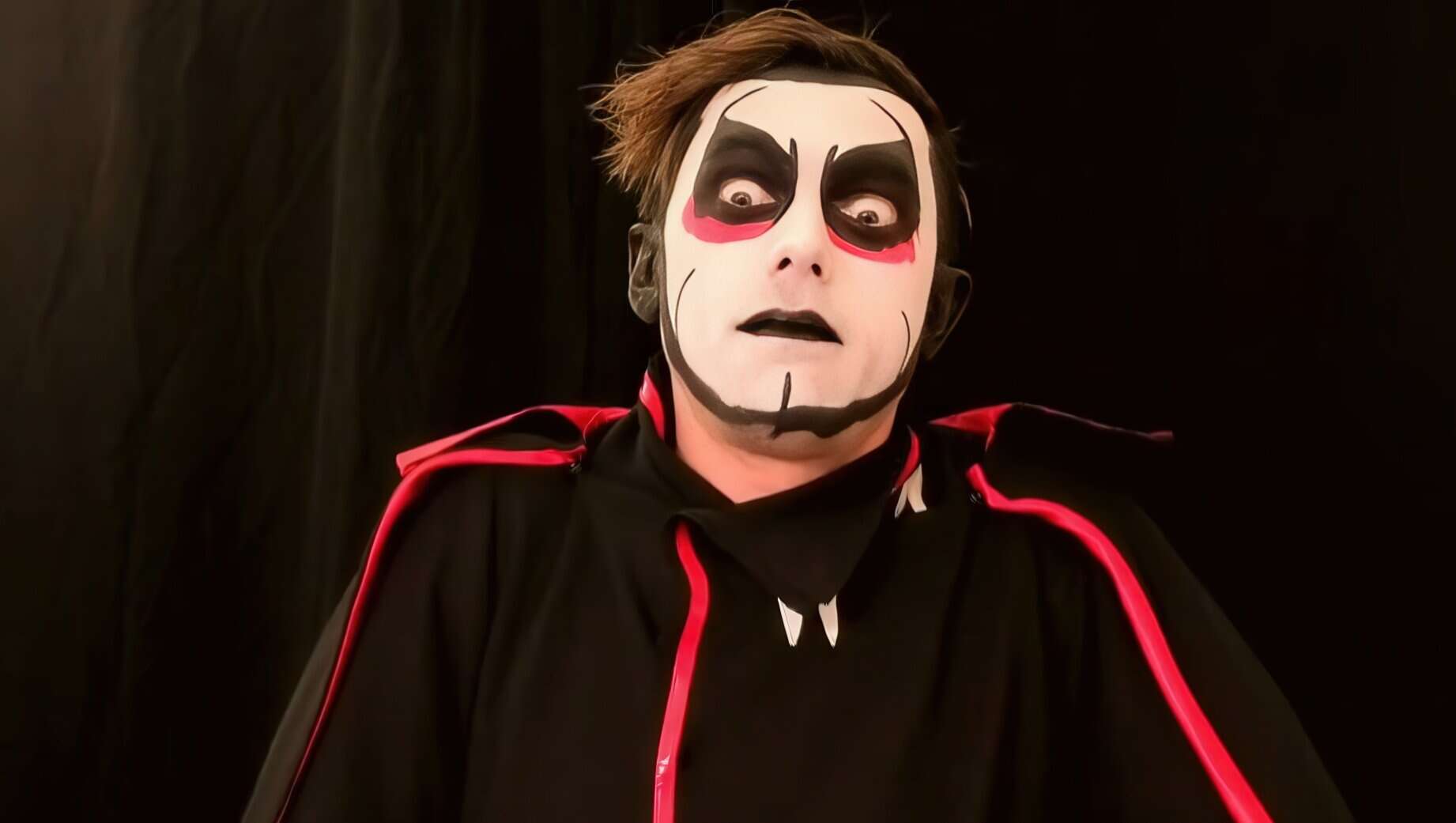
His in-ring work is entirely secondary to his character. Instead of relying on a Canadian Destroyer or a superkick, he relies on a novelty curse and a jar of teeth.
The Ring of Honor proving ground
Before the massive national television exposure, Danhausen cut his teeth in Ring of Honor. This period was vital for refining the character. ROH was historically known for its incredibly serious, workrate-heavy presentation.
It was the house that Bryan Danielson, Samoa Joe, and CM Punk built. Introducing a comedy character who curses people into that environment was a massive risk. Yet, it worked brilliantly.
The contrast made the character pop. When he shared the screen with serious grapplers, the absurdity was magnified. It gave the fans a breather between 30-minute technical clinics.
He wasn't just a clown. He was a clown who understood his exact role on the card. This is a nuance that many modern comedy wrestlers completely miss. They try to be funny while also having an epic match. Danhausen knew his job was to entertain for five minutes, hit his spots, and get out.
Bischoff's history with the bizarre
If we look back at Eric Bischoff's tenure running WCW, his relationship with comedy was always complicated. The New World Order was deadly serious. The cruiserweight division was purely about athletic competition.
But the undercard was filled with bizarre, character-driven acts. Think about Disco Inferno or La Parka. They were guys with ridiculous gimmicks who consistently drew ratings. They sold merchandise because they committed to the bit.
Bischoff understood that a wrestling show is a variety act. You cannot have two straight hours of serious grappling. You need peaks and valleys to keep the crowd engaged.
Danhausen fits perfectly into that late-1990s WCW undercard structure. He would have been the perfect foil for the serious luchadors or the angry brawlers. As detailed in the report, Bischoff's recent comments suggest he recognizes that utility.
He might not want Danhausen holding a world championship. But he absolutely sees the value in having him on the roster to sell foam fingers and jars of teeth.
The AEW ceiling and booking blunders
This brings us to the negative side of the Danhausen experiment. For all his merchandising success, his actual run in AEW has been incredibly frustrating. Tony Khan never quite figured out how to use him effectively on national television.
He was often relegated to background roles or quick comedy segments. When he did wrestle, it was usually in disjointed tags or quick squash matches. The company missed a massive opportunity to capitalize on his peak popularity.
Instead of giving him meaningful mid-card storylines, they treated him like a mascot. Then came the injury. He suffered a torn pectoral muscle at Revolution in March 2023.
That injury derailed his momentum completely. When he returned, the roster had shifted. He struggled to reclaim his spot. His association with the Best Friends felt stale by the end.
The constant stop-and-start booking cooled him off significantly. Bischoff might praise the hustle, but the reality of Danhausen's television presentation has been a mess. The blame falls on both the creative team and Danhausen himself.
His severe in-ring limitations make it incredibly difficult to book him in serious feuds. You can only do the curse spot so many times before the crowd stops reacting.
The failure of the Hookhausen experiment
We have to talk about the 'Hookhausen' tag team. On paper, pairing the ultra-serious, silent killer Hook with the chaotic energy of Danhausen was a solid odd-couple dynamic. For about 3 weeks, the crowd ate it up.
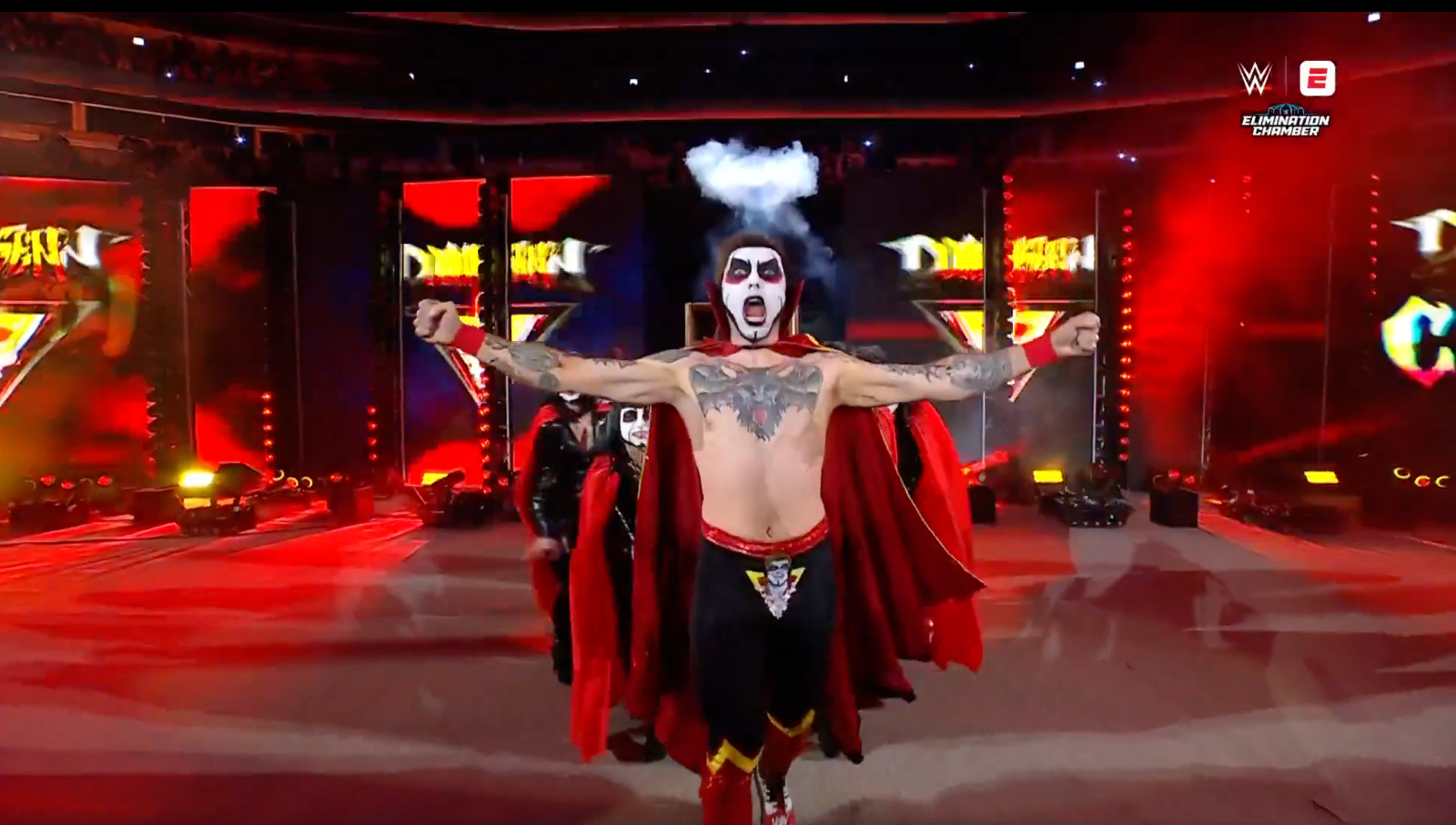
They bought the merchandise. They popped for the entrance. But the execution failed completely. The company dragged the storyline out without any real progression.
They never gave them a meaningful feud to sink their teeth into. Instead of a compelling odd-couple buddy cop movie, we got repetitive backstage skits. The matches were disjointed and sloppy.
This is the central flaw in how major companies handle organic phenomena. They see a spark, they market the hell out of it, but they fail to build a sustainable fire. They milk the catchphrases until the crowd goes numb.
Danhausen suffered greatly from this corporate homogenization. The danger and unpredictability of his indie run was replaced by a sanitized, family-friendly routine.
A clash of eras
Bischoff's comments highlight a fascinating divide in wrestling fandom. You have the purists who hate anything that breaks the illusion of a legitimate athletic contest. Then you have the modern fans who treat wrestling like a variety show.
Danhausen straddles that line in a bizarre way. His gimmick is completely absurd. He claims to be a demon who collects human teeth. Yet, he plays the character with such absolute conviction that it works.
He never winks at the camera. He stays in character constantly. That level of commitment is a lost art. During the Monday Night Wars, guys lived their gimmicks.
Bischoff employed guys who got over purely on character work and physical charisma. Maybe that is what he recognizes in Danhausen. It is a modern spin on a classic wrestling archetype.
The independent hustle vs. corporate wrestling
What happens when a completely independent creation meets a corporate wrestling machine? Danhausen's journey is the perfect case study. He proved you can get over without television.
He proved you can make a living selling t-shirts to a dedicated cult following. But the transition to a major cable network showed the limitations of the character.
A gimmick that works brilliantly in front of five hundred people in a National Guard armory doesn't always translate to an arena holding ten thousand fans. The subtleties of his physical comedy get lost on the hard cam.
Bischoff acknowledging his success feels like a quiet admission that the old rules don't always apply. You don't need to look like Lex Luger to make money in this industry anymore.
You need a hook. Danhausen found a hook that resonated with a massive segment of the audience.
What happens next?
So where does Danhausen go from here? The praise from a Hall of Famer is a nice feather in his cap. But it doesn't solve his immediate problems.
He needs a creative reset. He needs to remind people why they bought his shirts in the first place. If he stays in a major promotion, he needs a manager or a mouthpiece role.
If he returns to the independent circuit full-time, he will instantly become a top draw again. The freedom to control his own narrative might be exactly what he needs to revitalize the character.
He cannot survive another year of aimless backstage segments. He needs a defined feud. He needs someone to bounce his absurdity off of.
A program with a hyper-serious heel who absolutely despises the comedy would be perfect.
Prediction for the future
My prediction? Danhausen will eventually transition away from in-ring competition almost entirely. His body has taken a beating, and his character doesn't require him to take bumps to be effective.
I expect him to lean harder into the entertainment side. We will see more acting, more voiceover work, and maybe a managerial run. Bischoff sees the value in the brand.
The rest of the industry will eventually catch up. The gimmick is too weird, and too profitable, to fade away completely. He will find a way to stay relevant.
Even if it means leaving the major television companies behind, he will survive. He is simply too stubborn to disappear.