The exhaustion of managing titans
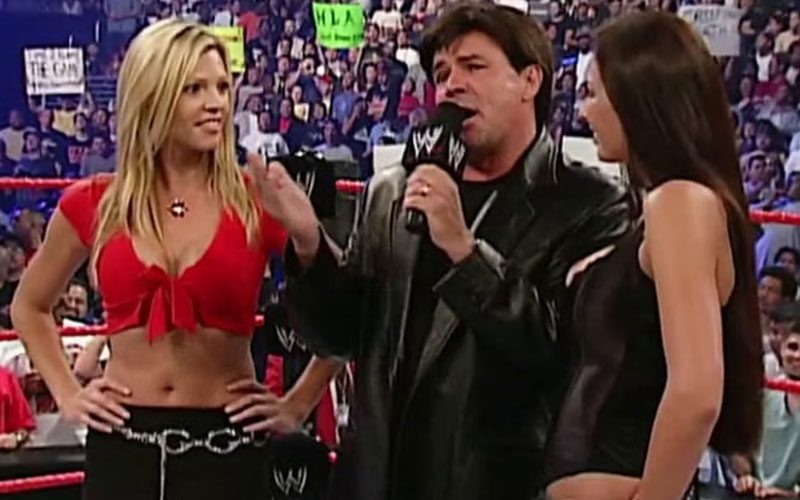
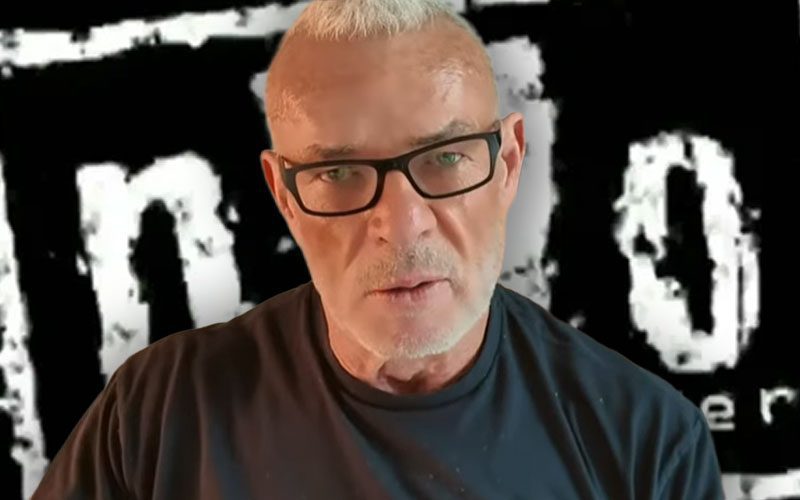
Eric Bischoff spent the nineties navigating the most volatile locker room in professional wrestling history. In recent comments, the former WCW President admitted that balancing the egos of stars like Hulk Hogan and Sting was the most draining aspect of his tenure. The sheer volume of high-maintenance personalities required a level of daily management that few could endure.
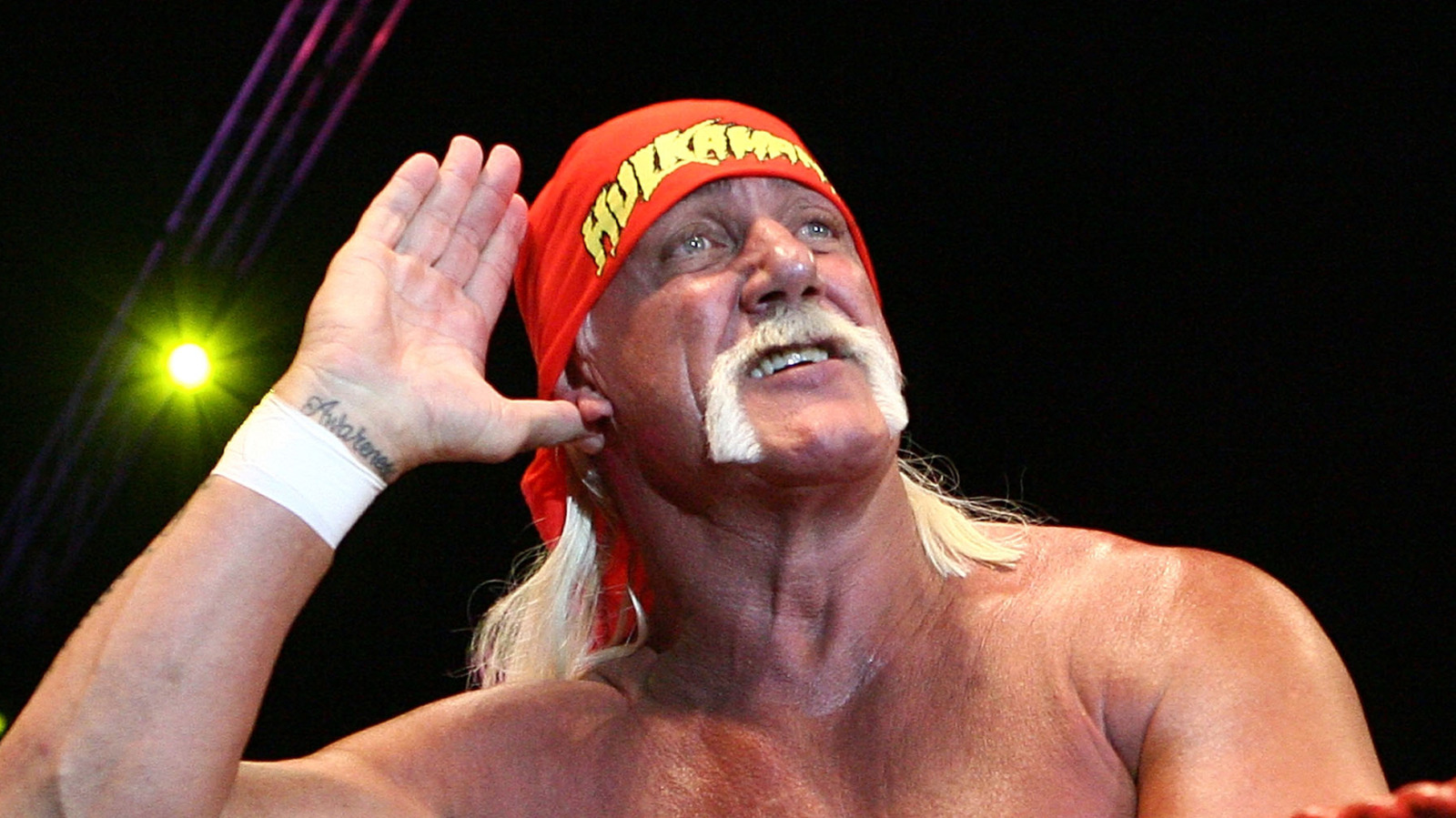
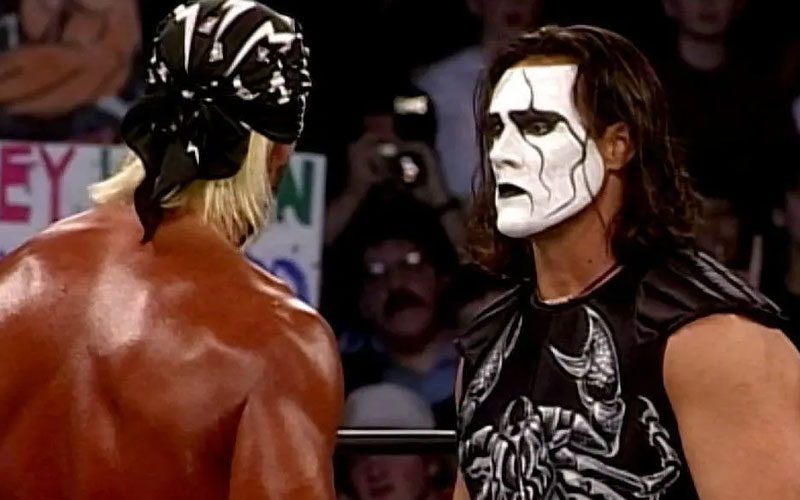
Bischoff was responsible for keeping the financial and creative plates spinning while internal politics threatened to sink the ship regularly. Dealing with Hulk Hogan wasn't just about his contract; it was about handling the broader implications of a star who felt he commanded the entire company's direction. Managing Sting required a different, quieter tactical approach, but the drain on Bischoff persisted regardless of the star's stylistic demands.
The Hogan family cycle continues
While the patriarch remains tethered to the history of the business, the rest of the Hogan family is moving in multiple directions. Brooke Hogan is currently set to release new music through Sobe Entertainment. The narrative irony is sharp: this is the same label she was reportedly dropped from years ago following interventions by her father.
It highlights a recurring theme in the Hogan orbit where personal and professional lives blur into a single, complicated brand identity. Whether this is a strategic comeback or a cycle of previous industry friction, it leaves onlookers questioning the long-term viability of these projects. The label's willingness to re-engage with Brooke suggests the music industry, much like wrestling, rarely lets past baggage fully close a door.
The biopic and the Netflix lens
Nick Hogan recently stoked the rumor mill regarding a potential biopic based on his father’s life. According to reports from F4WOnline, the project remains a possibility rather than a concrete production. Given the litigious and dramatic nature of the legend’s career, the process of securing rights and personal narratives remains a significant hurdle.
Simultaneously, the WWE-produced Netflix series focused on Hulk Hogan has managed to stir the pot by including previously unseen footage of Vince McMahon. The inclusion of McMahon suggests the documentary intends to lean heavily into the corporate history of the boom period. Using this footage serves as a stark reminder of the complicated, often symbiotic relationship between these two figures.
Critical optics and the nostalgia trap
The persistent focus on the Hogan era points to a fundamental flaw in the current wrestling media machine: an inability to move past the nineties. While the WWE-produced series aims to capture the cultural phenomenon of the 1980s and 90s, the constant rehashing of these figures often feels like an exercise in revisionist history. It prioritizes the comfort of nostalgia over the growth of the current product.
There is a diminishing return on these documentaries. By continuing to cycle the same anecdotes regarding Hogan, Bischoff, and McMahon, the industry risks alienating viewers who want to see innovation rather than endless retrospectives. The obsession with repackaging old footage creates a static view of the industry, one that prevents younger talents from fully stepping out of these long, massive shadows. When a documentary focuses more on the ghosts of management than the potential of modern talent, the industry’s trajectory remains tethered to a previous century.
Adding in the side stories involving the Hogan children and their independent efforts only muddies the water further. It turns the professional wrestling business into a reality show, which might drive short-term clicks but contributes little of substance to the actual sport. If the industry wants to evolve, it has to stop treating these figures as the only stories worth telling. Relying on old clips of McMahon or the repetitive struggles of managing Hogan doesn't build a future; it just preserves a museum gallery. The May 09, 2026 date for Backlash offers a chance to pivot, though current discourse suggests the market remains heavily focused on these fading echoes of the past.