The shadow of 1996
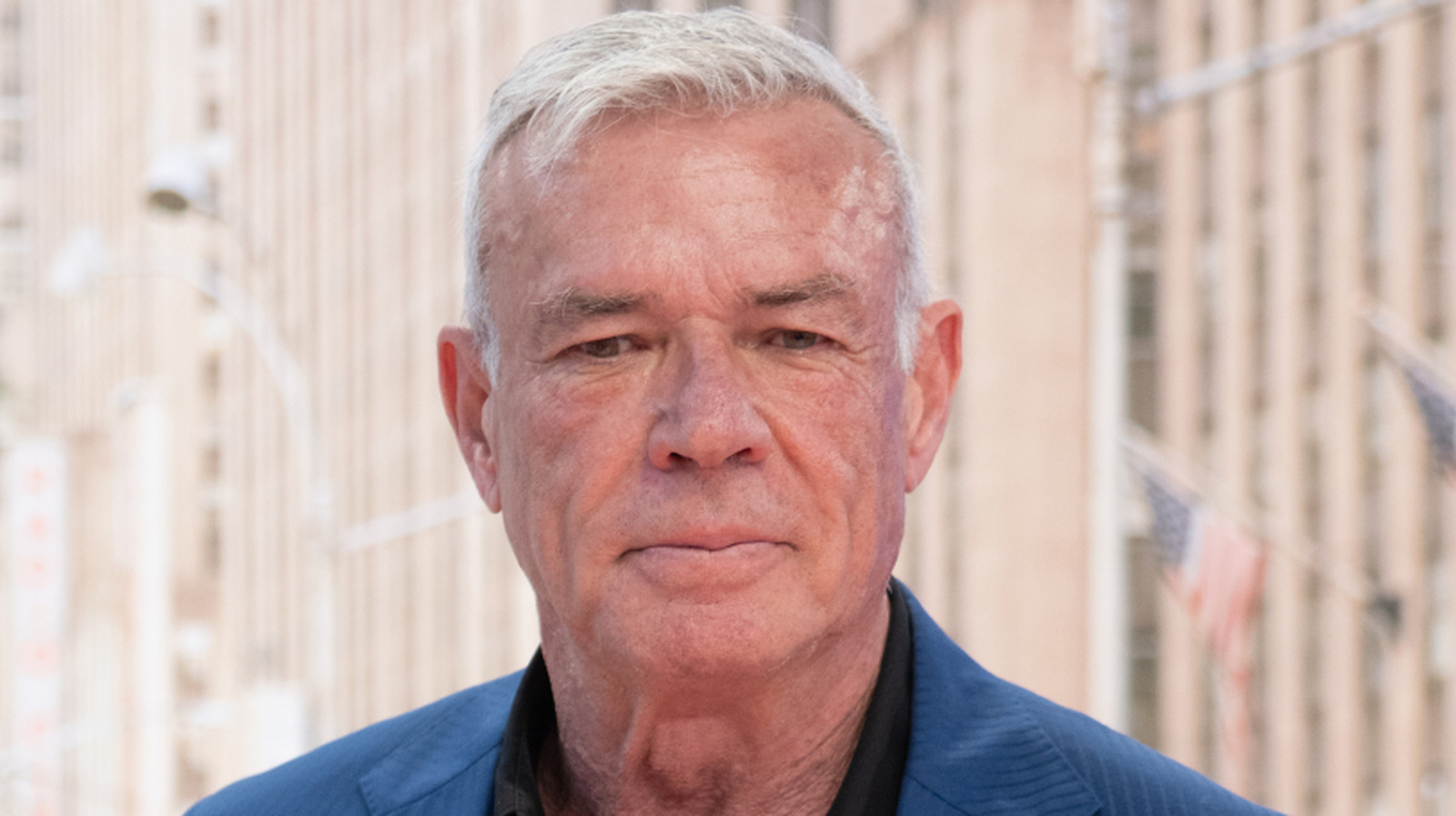
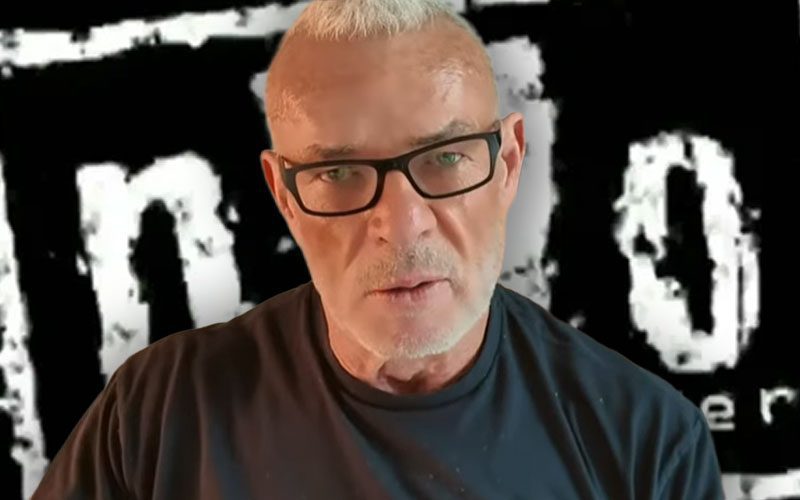
Professional wrestling history is defined by pivots. Eric Bischoff, the man who turned WCW from a territory-based relic into a global sensation, recently opened up about the lingering failures of the nWo angle. The nWo changed the trajectory of the industry, but as Ringside News recently detailed, Bischoff still carries the weight of the booking decisions that eventually drove the promotion into the ground.
We are currently witnessing a peculiar revisionist history regarding the black-and-white era. Bischoff admits the mistake wasn't the creation of the group, but the refusal to pivot when the heat reached its peak intensity. The group became a victim of its own roster bloat, transforming from an outlaw insurgent force into a corporate bureaucracy within the WCW locker room.
Scaling the main event
In modern booking, we see this exact same tension. When you have a faction that dominates the airwaves for two years straight, you reach a point of diminishing returns. Bischoff’s confession highlights the danger of static storytelling where the heels have no clear ceiling. By the time the nWo reached their saturation point, the audience wasn't waiting for the hero’s comeback — they were simply waiting for the scene to change.
Look at the specific metrics of the time. WCW’s peak occurred when the tension between the nWo and the WCW loyalists was at its tightest. The moment that tension dissipated, the ratings cratered. It is a cautionary tale for any promotion today carrying a dominant stable. If the faction doesn't have an expiration date or a tactical shift in objective, the viewer disengages. The product loses friction, and without friction, professional wrestling is just an aerobics class.
The cost of over-exposure
Bischoff’s regret underscores a recurring flaw in the industry: the addiction to the status quo. The nWo lasted long after its tactical utility had expired because the merchandise revenue was $50 million at its peak. Executives favored the short-term cash flow injection over the long-term health of the narrative. It’s a move that remains standard practice in 2026, where social media engagement numbers often mask a decaying interest in the overarching story beats.
The skepticism remains warranted. We see current promotions mimicking the nWo’s structure — the “cool heel” stable that takes over the show — without accounting for the exhaustion factor. Bischoff notes that it becomes impossible to elevate anyone new when the gatekeepers are already established as the only ones who matter. It’s a closed feedback loop that eventually chokes out the talent pipeline.
Final predictions
What should we watch for in the coming months? Look for how promotions handle their current dominant stables before the start of the FIFA World Cup 2026. The summer ratings period is critical. If a company clings to a decade-old booking style, they lose their relevance as fans divert attention to the pitch. I predict that we will see a major faction rupture by August, specifically because promoters are finally learning the lesson that hanging on to a dying gimmick is more expensive than starting fresh.
The industry is stuck in a loop of nostalgia-based booking. Producers lean on the nWo template because it’s familiar, not because it’s effective for a 2026 audience. Bischoff admits he lost sight of the exit strategy, and if current creative teams don't define their end-game right now, they are destined to repeat his most public failure. I’ll bet on a major creative breakdown within three months—the math of modern audience retention simply doesn't support the slow-burn creative malaise we see on television today.