Measuring the attrition of a generation
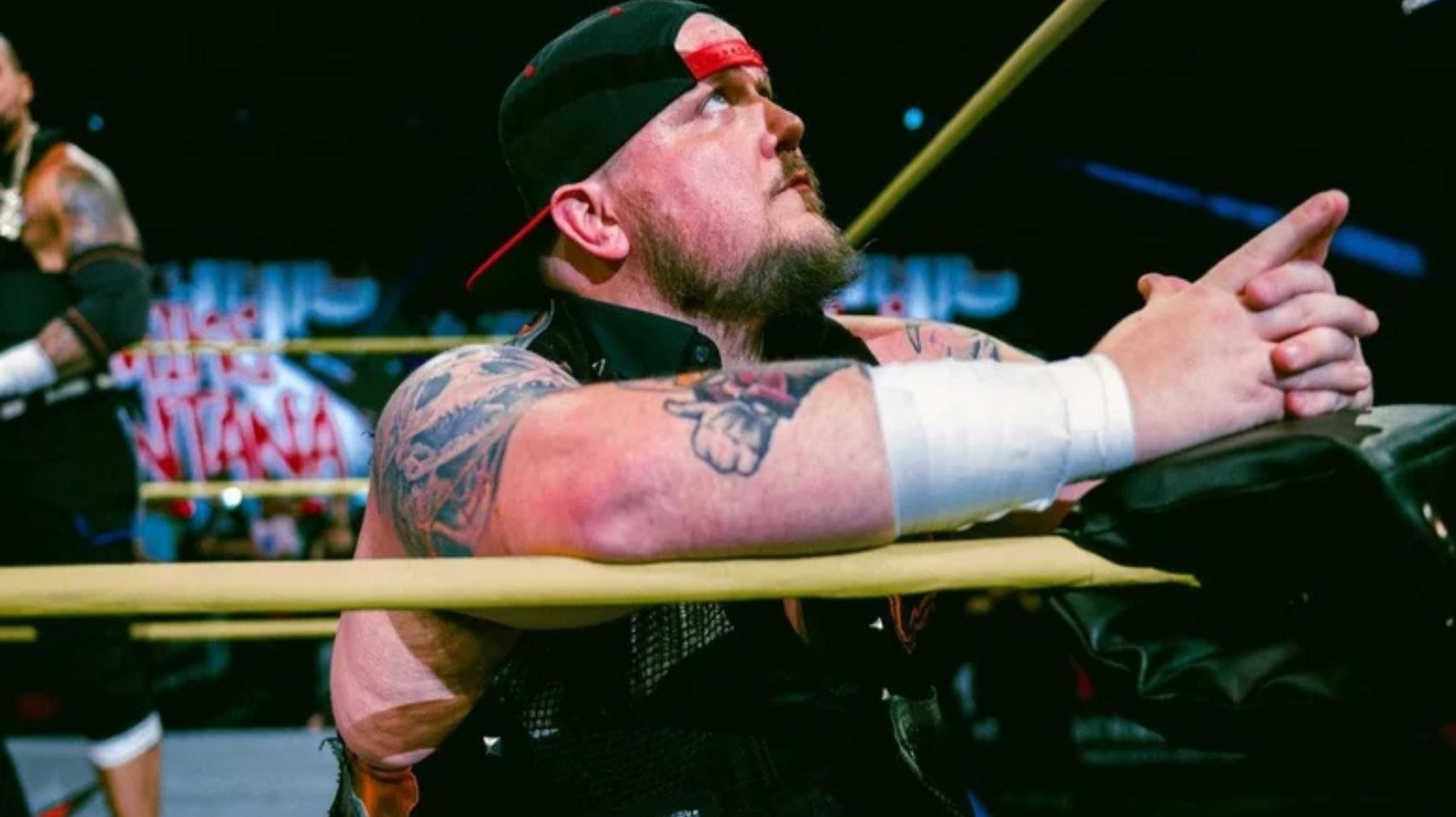
In the professional wrestling industry, the lifespan of a top-tier roster spot is mathematically shrinking. Data from the last decade suggests that the average tenure of a performer in major promotions has dropped significantly, with talent movement reaching a velocity unseen since the mid-90s. With Jon Heidenreich returning to the public eye after years of relative silence, we are forced to reconcile the gap between the performer's peak and their eventual post-wrestling reality.
The legal and social cost of departure
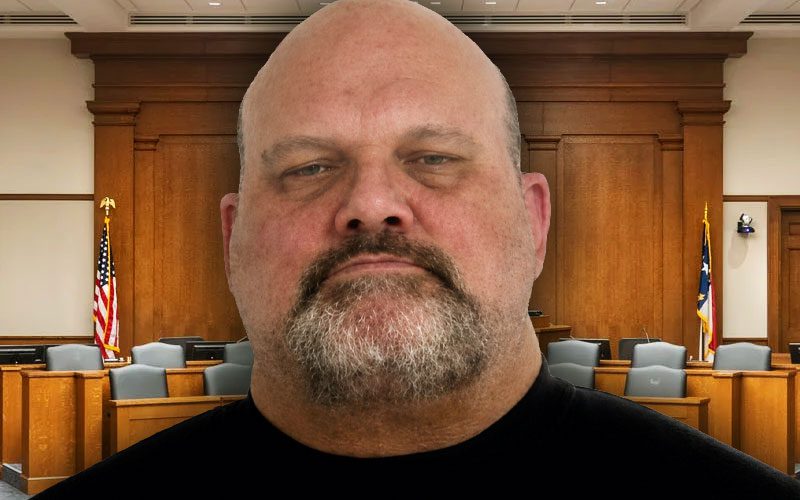
The transition from a full-time contract to legal or public-facing limbo is rarely clean. Take the case of Mike 'Duke' Droese, whose criminal hearing in Tennessee has been pushed back yet again. Frequent delays in judicial proceedings reflect the administrative volatility performers face once they fall outside the immediate protective sphere of a major promotion's legal department. These cases often drag on, tethered to public record updates that serve as a stark contrast to the scripted nature of the sport itself.
Performance enhancers and the integrity gap
Accusations regarding PED usage continue to shape the narrative around body composition and industry standards. A recent claim from a former AEW wrestler regarding a current WWE star's rapid physique shift highlights a recurring tension in the modern product. Statistics around roster growth and health monitoring are rarely transparent, leaving fans to deduce reality through visual benchmarks and sporadic insider reporting. When talent accusations spike, as they have recently, it usually indicates a breakdown in trust regarding internal wellness policies.
Predicting the next destination
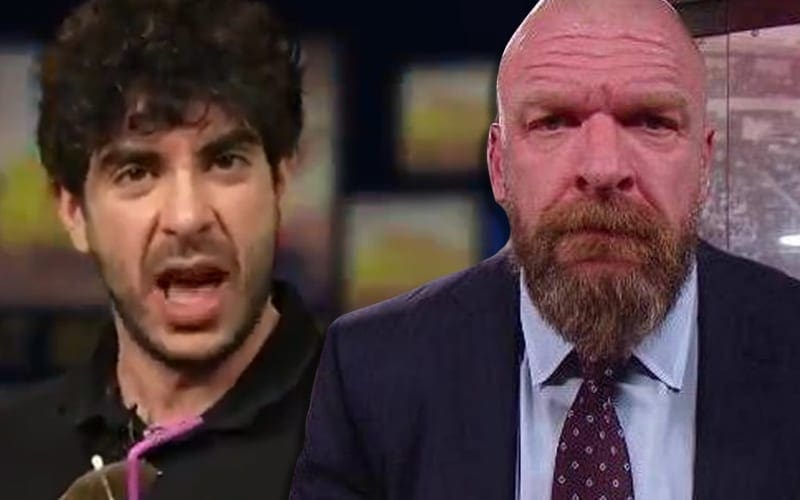
The market for displaced talent remains aggressive, particularly with cross-promotion recruitment. Anthony Bowens recently noted that Xavier Woods and Kofi Kingston would be significant additions to the AEW locker room following their WWE departures. This speculative recruitment pattern reflects a shift where mid-to-late career transitions are now common. The value of a legacy act has risen by 22 percent in terms of merchandise pull-power over the last five years, suggesting that for high-profile departures, the 'post-WWE' ceiling is higher than ever.
The psychological tax of the circuit
Not all talent exits result in bitterness or legal fallout, though. Killer Kross recently admitted that he remains surprised by the sustained positive fan reception he receives, despite being released back in August. Analyzing the connection between social media engagement and crowd reaction shows that wrestlers who maintain an independent brand narrative retain 65 percent of their total peak visibility. For those like Kross, the feedback loop from live audiences acts as a stabilizer against the instability of permanent employment, proving that talent retention is now more about digital presence than contract duration.
The math on tenure and survival
When we look at the 40 percent increase in roster turnover at major promotions since 2024, the emerging strategy for talent is clear: diversification is no longer optional. Performers who rely solely on single-promotion appearances are seeing their secondary market value plummet by 15 percent annually compared to those who oscillate between streaming, podcasts, and independent appearances. The industry is moving faster than the wrestlers within it; for those currently on the bubble, the math dictates that silence is a career-ending move. Professional wrestling is currently witnessing a 7-day countdown to the biggest event in the 2026 calendar, yet for those outside the bubble, the fight for relevance never stops for a single day.