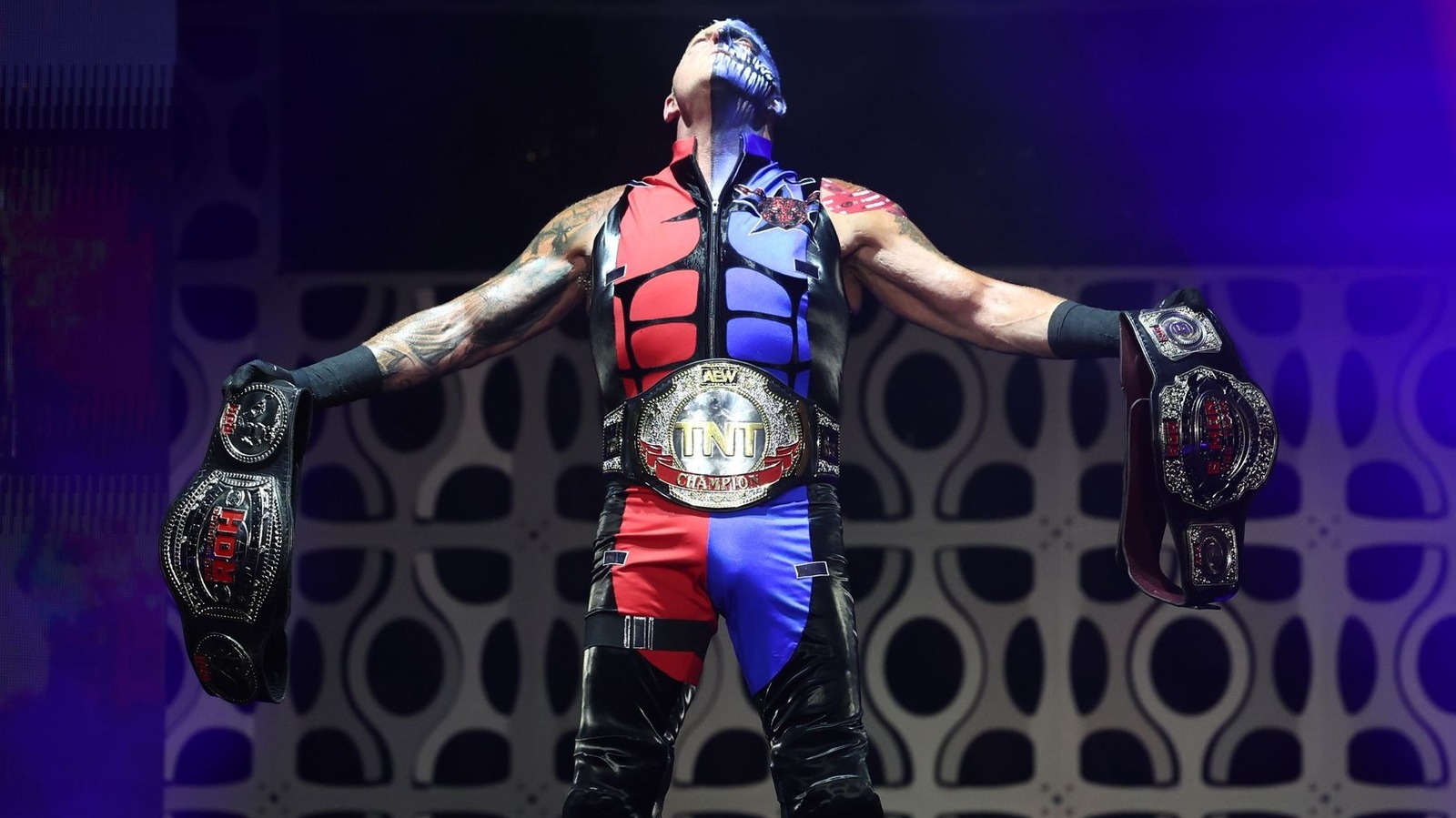
Dustin Rhodes finally credits the architect of the Bizarre One
The paint has dried but the legacy remains unfinished
As we sit here on April 12, 2026, the Rhodes name carries a weight in professional wrestling that would have been unimaginable a decade ago. Cody Rhodes is currently preparing for his massive title defense at WrestleMania 41 in Las Vegas, just seven days from now. Meanwhile, his brother Dustin is coming off a grueling encounter against FTR at AEW Dynasty 2026. It is a strange time to be a Rhodes, caught between the glitz of the Allegiant Stadium and the blue-collar wrestling clinics of the AEW tag team division.
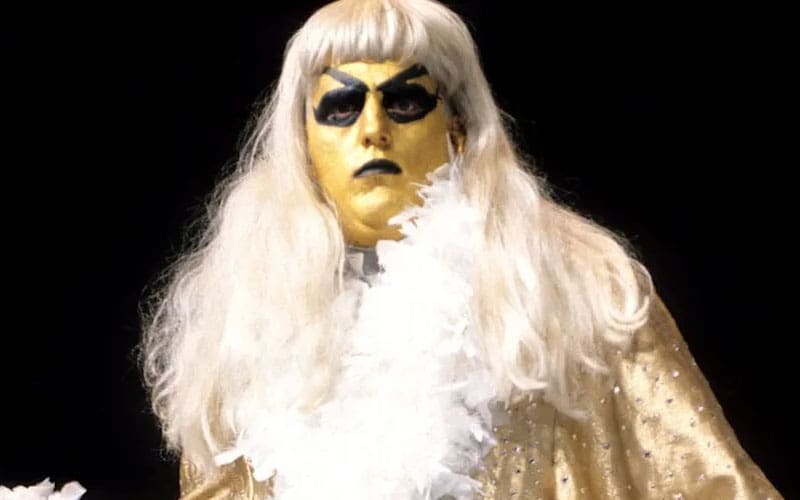
Amidst this resurgence, Dustin Rhodes has finally pulled back the curtain on the genesis of the character that saved his career and likely his life. In a recent discussion, Dustin confirmed that the mastermind behind the Goldust persona was none other than Vince McMahon, working in tandem with Bruce Prichard. While fans have speculated for years about the level of input Dustin had, the reality is far more clinical. It was a top-down mandate designed to erase 'The Natural' and replace him with something that could survive the mid-90s slump.
The mechanics of that transformation are fascinating when viewed through a modern lens. In 1995, Dustin was a man without a country, released from WCW and struggling to find a footprint outside the massive shadow of his father, Dusty Rhodes. When the call came from Stamford, it wasn't a proposal for a wrestling role; it was a character pitch that pushed the boundaries of decency and comfort. Dustin famously agreed to the 'androgynous' gimmick before he even knew what the word meant, having to consult a dictionary in the 90s to understand the mountain he had agreed to climb.
The MSG shift and the birth of psychological warfare
While McMahon provided the visual blueprint—the gold face paint, the wig, the shimmering robes—the soul of the character was found in the trenches of the house show circuit. Dustin credits a specific match at Madison Square Garden in November 1995 against Savio Vega as the turning point. Until that night, Goldust was just a man in a costume. During the match, Vega pushed Dustin to do something provocative, something that would truly get a reaction from a cynical New York crowd.
Dustin began to touch himself, to rub his hands over his body and his opponent, leaning into the discomfort of the audience. The reaction was instantaneous and visceral. It wasn't 'go home' heat; it was genuine, unsettled fascination. Goldust ceased being a movie star caricature and became a psychological predator. He understood that in a sport built on masculine bravado, the most effective weapon was a refusal to play by those rules. He weaponized intimacy, using it to rattle opponents like Marty Jannetty and Razor Ramon.
The stats from that era tell a story of rapid escalation. By the time WrestleMania 12 rolled around in 1996, Goldust was embroiled in a Hollywood Backlot Brawl with Roddy Piper that featured a legitimate car chase. It was a 10 minute exercise in chaos that remains one of the most bizarre segments in WWE history. Dustin was committing to the bit with a fervor that bordered on the self-destructive. He even pitched the idea of getting breast implants to Vince McMahon to further the character's androgynous nature—a pitch that was, thankfully for his long-term health, rejected by a rare moment of McMahon restraint.
The failure of the corporate machine to handle its own creation
However, no analysis of the Goldust era is complete without addressing the moments where the booking failed the performer. While the initial run was a masterpiece of boundary-pushing, the subsequent iterations often devolved into cheap comedy. By the time we reached the 'Artist Formerly Known as Goldust' in 1997, the nuance was gone. The character became a vessel for shock value rather than psychological depth, often resulting in segments that feel uncomfortable for all the wrong reasons when viewed today.
The most egregious failure, however, came during his brief return to WCW as Seven. The vignette featured Dustin standing outside a child's bedroom window, a visual so poorly conceived that it was famously buried by Dustin himself in a 'worked shoot' promo the moment he stepped into the ring. This is the critical flaw in the industry's approach to Dustin Rhodes: they often mistake his willingness to do anything for a lack of standards. When the writing was sharp, he was a revolutionary. When it was lazy, he was a punchline.
Even his later WWE run with the stuttering gimmick in 2003 was a low point. It took a performer of his caliber to turn a mean-spirited joke into something somewhat endearing, but it was a waste of a generational talent. We saw a similar pattern in his 2013 return with Cody against The Shield. That was perhaps his most 'pure' wrestling peak, winning the tag titles in a 5 star emotional rollercoaster at Battleground, yet WWE still struggled to see him as more than a nostalgic utility player.
Longevity as a tactical advantage
What makes Dustin's 2026 status so remarkable is the sheer mileage on his frame. He has been wrestling at a high level since 1988. Most of his contemporaries from the New Generation era have long since retired or moved into strictly backstage roles. Yet, Dustin was out there at AEW Dynasty, taking bumps that men half his age would question. His match against FTR was a masterclass in 'old school' psychology, proving that you don't need a thousand flips if you know how to make a headlock mean something.
The secret to this longevity isn't just physical maintenance; it's the tactical flexibility he learned as Goldust. By playing such a demanding character, he learned how to work a crowd without sacrificing his body in every single segment. He mastered the 'little things'—the intake of breath, the slow crawl, the adjustment of the gold paint. These are the tools that allow a 57-year-old man to hang with the best tag teams in the world in 2026. He isn't outrunning time; he's outthinking it.
Looking ahead to WrestleMania 41, there is a poetic symmetry in seeing Cody at the top. Cody's success is, in many ways, a vindication of the path Dustin blazed. Dustin had to be the 'weird' one so Cody could be the 'hero' one. He had to endure the gold paint and the wigs and the dictionary definitions of androgyny to prove that a Rhodes could survive without a cowboy hat and a pair of polka dots. The reveal that Vince and Prichard were the architects only highlights how much Dustin brought to the table—they gave him a sketch, but he painted the masterpiece.
As the industry moves toward the biggest weekend of the year, Dustin remains the quiet anchor of the family legacy. Whether he's in a gold bodysuit or a simple pair of black trunks, the lesson remains the same. You can give a wrestler a gimmick, but you can't give them a soul. The fact that we are still talking about Goldust thirty-one years after his debut is a 100 percent indictment of anyone who thought Dustin Rhodes was just 'the other son.' He was the one who was willing to lose himself to find the greatness that the name Rhodes always promised.
The tragedy of the Goldust character is that it was often too smart for the rooms it was booked in. It demanded an audience that understood subtext in an era that preferred a sledgehammer to the face. But in 2026, we can finally appreciate the tactical brilliance of it. It was a survival mechanism that turned into a legend, an architect's dream realized by a worker's sweat. Dustin might have finally named the people who handed him the paint, but he’s the only one who knew how to wear it.
Read Next
WWE Ultimate Edition John Cena "Farewell Tour" Action Figure
A premium tribute to the GOAT's final run in the squared circle.
Frequently Asked Questions
Who created the original concept for the Goldust character?
Why did Dustin Rhodes accept the Goldust persona in 1995?
What match changed the way Dustin Rhodes played Goldust?
How did Goldust use psychological warfare in the ring?
What happened during the Goldust match at WrestleMania 12?
More Coverage
WWE’s Saturday Night strategy needs a rethink
6 hours ago
Strategy gaps heading into a triple-title AEW Collision
7 hours ago
G1 Climax 36 is already testing the limits of New Japan's depth
8 hours ago
Roman Reigns and the lonely reality of the Tribal Chief era
9 hours ago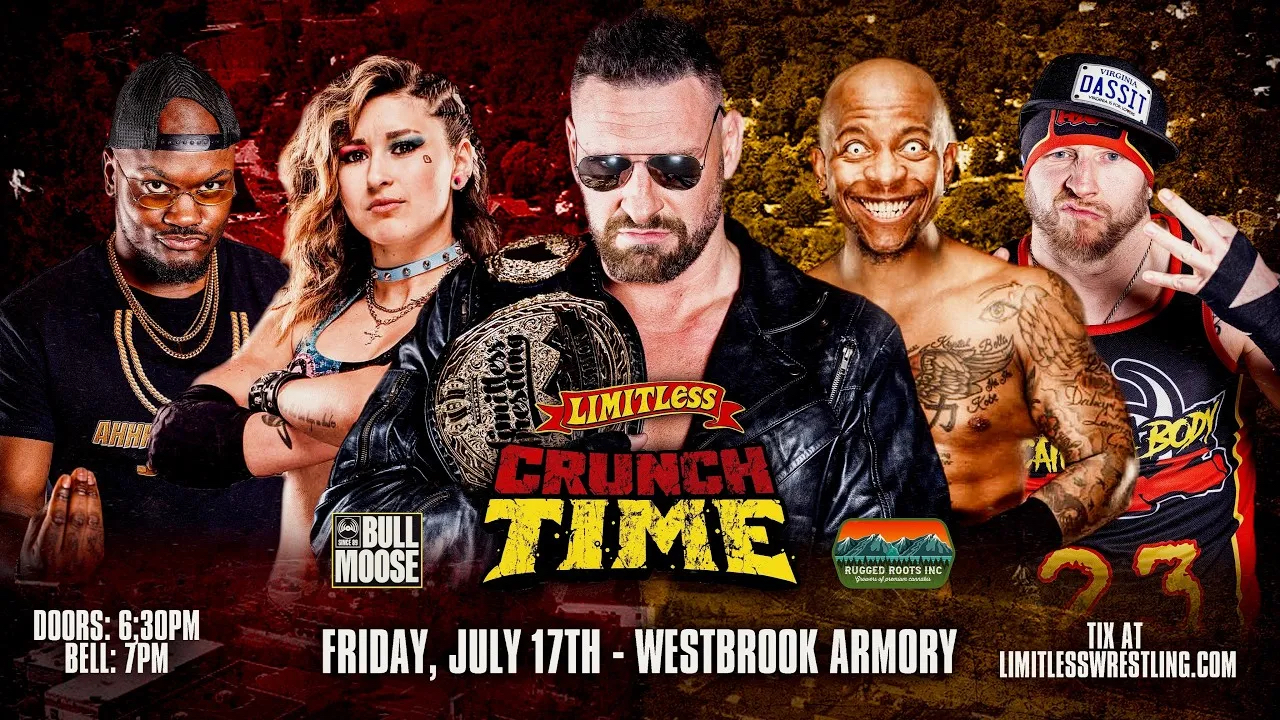
Westbrook Armory turned into a pressure cooker for Crunch Time
9 hours ago
Dustin Rhodes and Sammy Guevara are stuck in the booking lobby
10 hours agoMore Analysis
Dustin Rhodes is leaving AEW and his next move is obvious
3 months, 3 weeks ago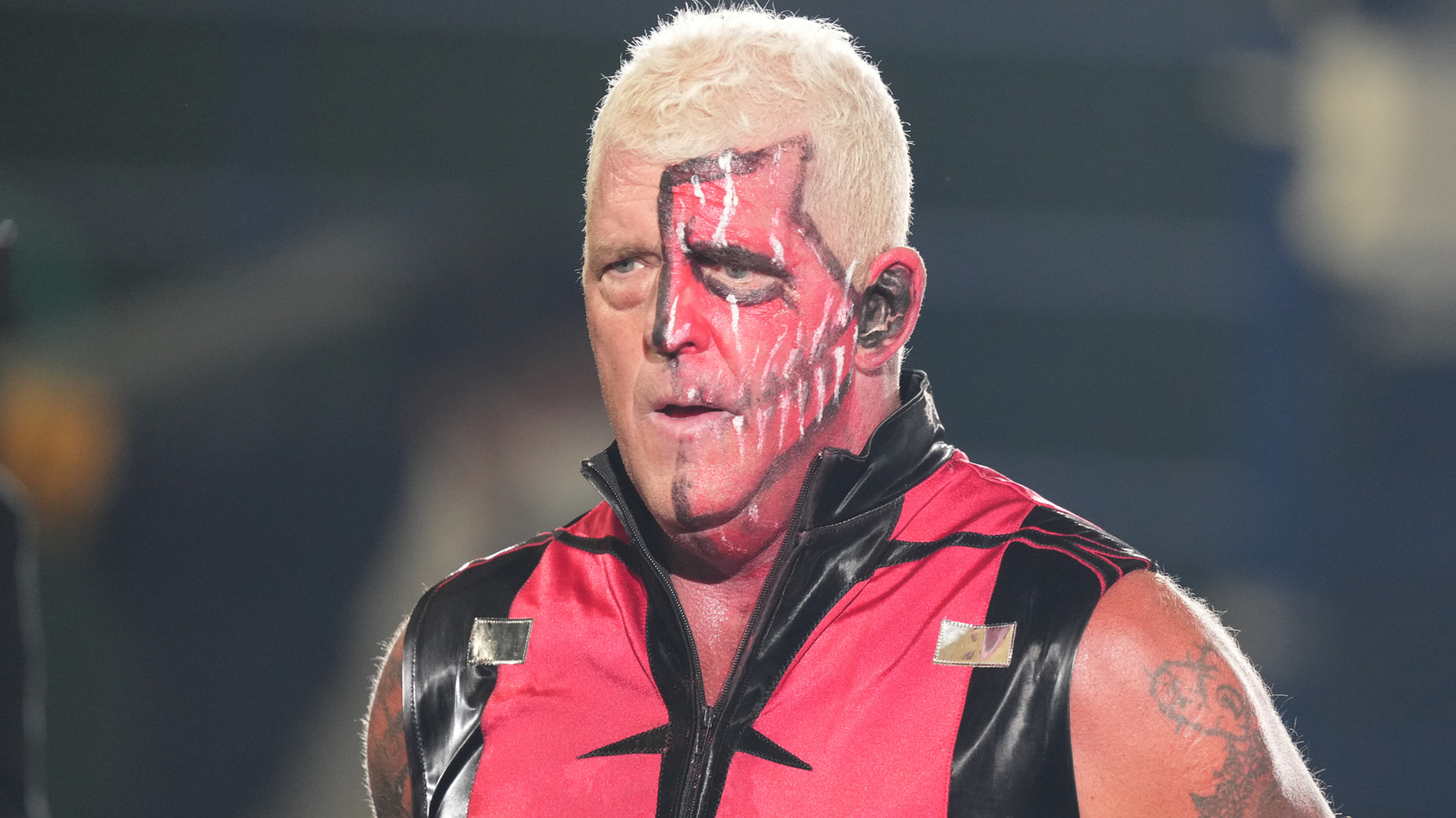
Dustin Rhodes fighting his own title win is the most Dustin moment ever
4 weeks, 1 day ago
Dustin Rhodes says secrets are dead but the data says transparency pays
3 months ago
Dustin Rhodes thinks you know too much and the internet is ready to fight him
3 months ago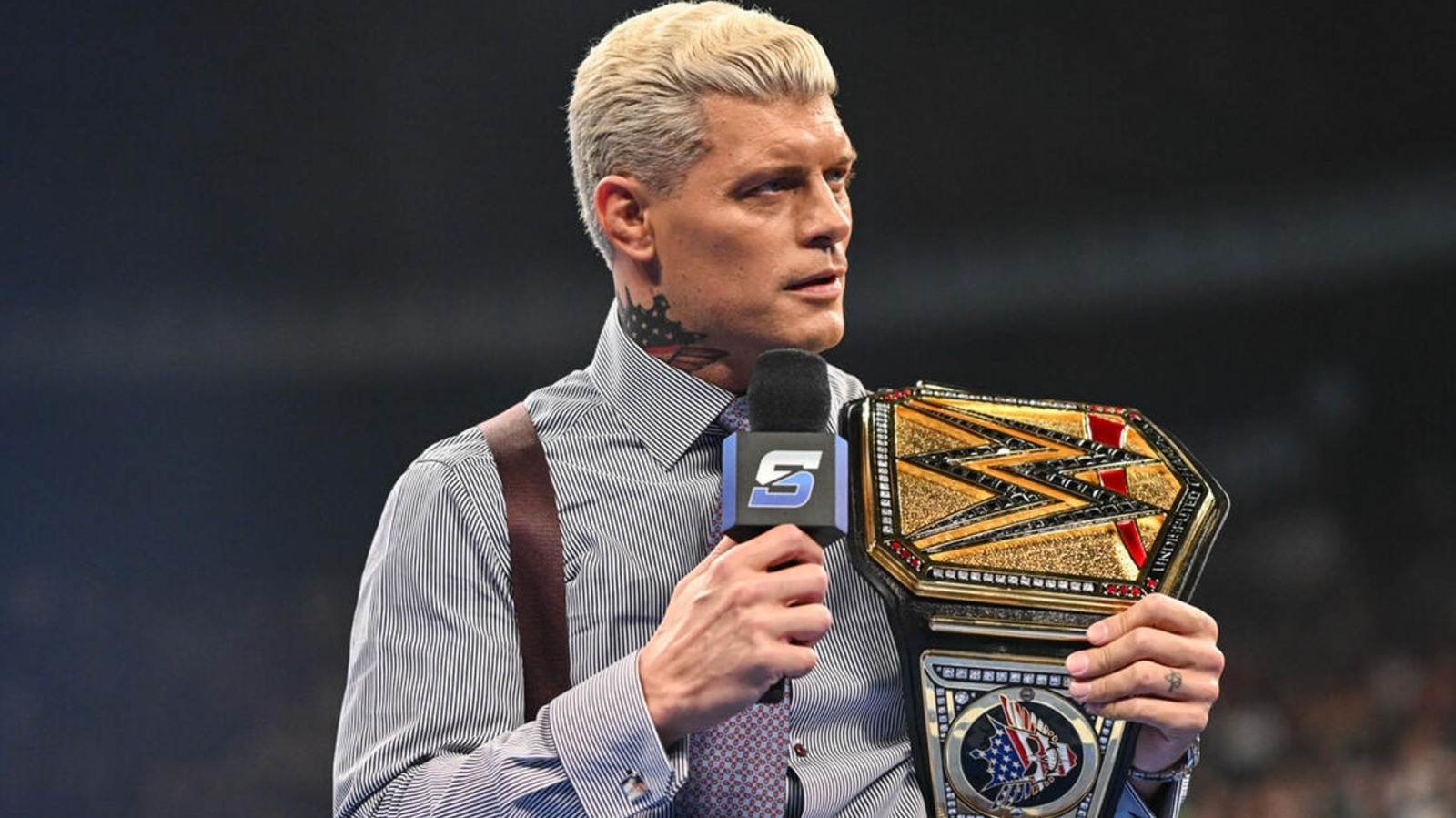
Cody Rhodes and the weight of the generational torch
3 weeks, 2 days ago