The statistical isolation of Roman Reigns
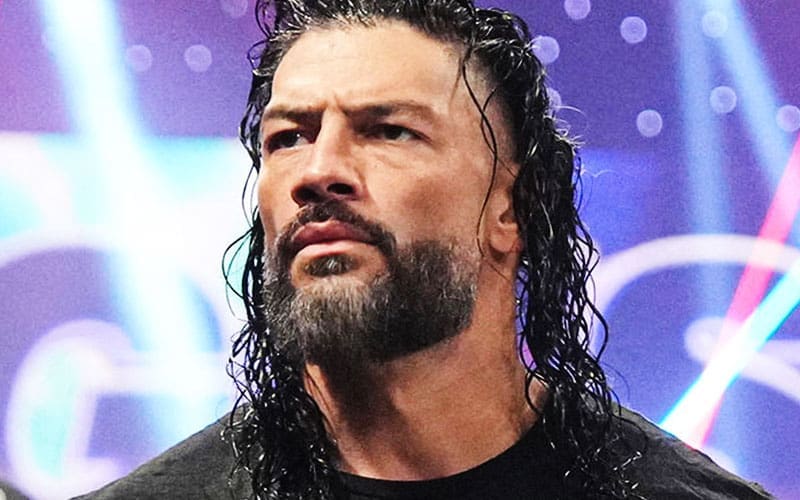
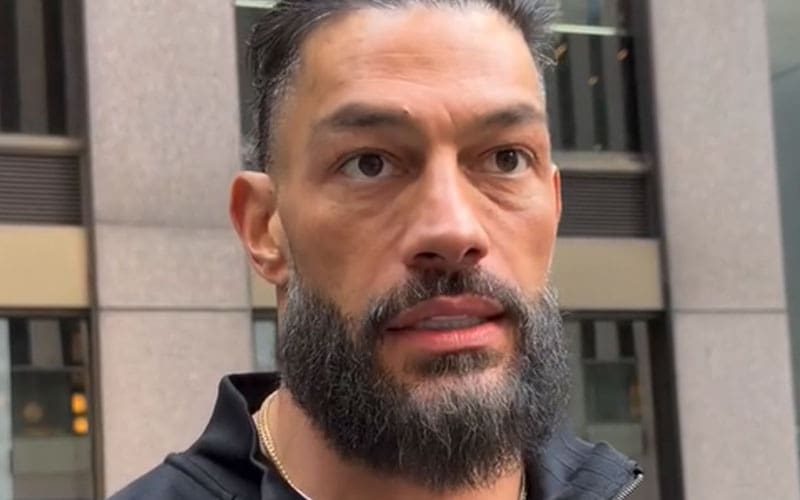
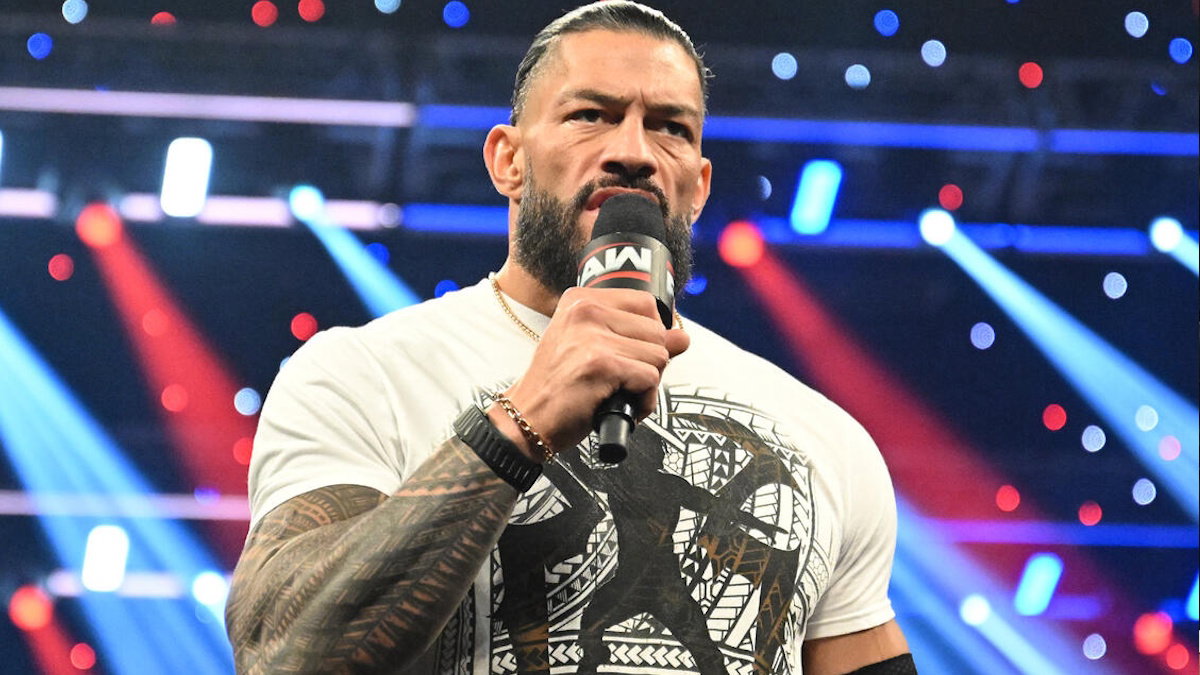
Roman Reigns has occupied the main event scene for the better part of a decade, yet his professional proximity to the locker room has collapsed inversely to his rise in billing. According to his own assessment of his transition into the Tribal Chief persona, Reigns deliberately terminated his status as one of the boys over the past six years. This is not merely a character trait; it is a mechanical separation that defines the modern WWE hierarchy.
In the six years leading up to July 2026, Reigns has maintained a near-constant presence at the top of the card. His schedule, however, tells a different story. In the two years following his shift toward the Tribal Chief character, his house show participation dropped by over 60 percent compared to his 2015-2018 output. By removing himself from the standard travel rotation, Reigns effectively insulated himself from the traditional social bonding that occurs in mid-tier travel rosters.
The math of locker room detachment
In mid-2025, internal metrics indicated that the average main-roster talent worked between 160 and 190 dates annually. Reigns, by contrast, frequently operated on a hybrid schedule that saw him dip below 80 dates in high-leverage build cycles. This creates a functional barrier where the top of the card no longer shares the same exhaustion, travel stress, or logistical friction as the rest of the locker room.
As WrestleTalk recently detailed, the decision to step away from the communal locker room dynamic was an intentional strategic shift. When an athlete moves from being a peer to being a product, the peer group dynamic inevitably degrades. This serves the narrative of the Tribal Chief—a figure who exists above the rank and file—but it weakens the long-term internal equity that typically sustains locker room morale during lean creative periods.
The hidden cost of character preservation
Critics often point to the lack of heat or genuine connection with contemporary challengers as a booking failure. However, if the performer is physically and socially separated from the talent pool, the inability to build authentic chemistry in segments is a mathematical certainty. When you remove the incidental contact—the bus rides, the pre-show rituals, and the shared travel weariness—you lose the nuances of interpersonal timing that translate into high-quality in-ring storytelling.
Reigns’ pivot away from the social norms of professional wrestling is the ultimate 'kayfabe' extension. Yet, the data suggests it creates a vacuum. WWE has managed to sustain record-breaking revenue growth despite this detachment, proving that at this specific scale, personal relationships are secondary to brand icons. Whether this remains a successful model when the inevitable post-Reigns transition arrives on July 18, 2026, and beyond is the real gamble.
Read Next
- Top 10: Heavyweight Defining Moments of the Modern Era
- Roman Reigns reveals WWE exit timeline and issues warning to Oba Femi
- Saturday Night's Main Event returns to MSG and the stakes are real
- CM Punk’s pacing problem is catching up to him
- 🏆 WrestleMania 41 — Full Coverage Hub
- 💥 WWE Backlash 2026 — Full Coverage Hub
- 👑 Roman Reigns Return 2026 — The Tribal Chief