The friction between progress and internal pressure
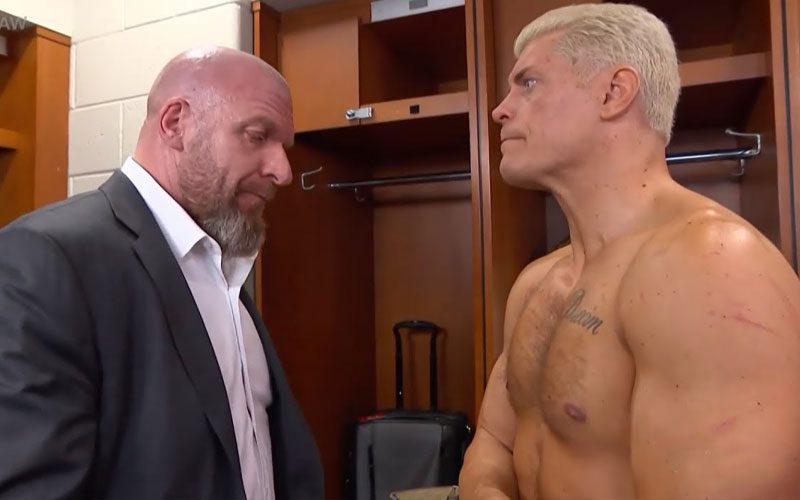
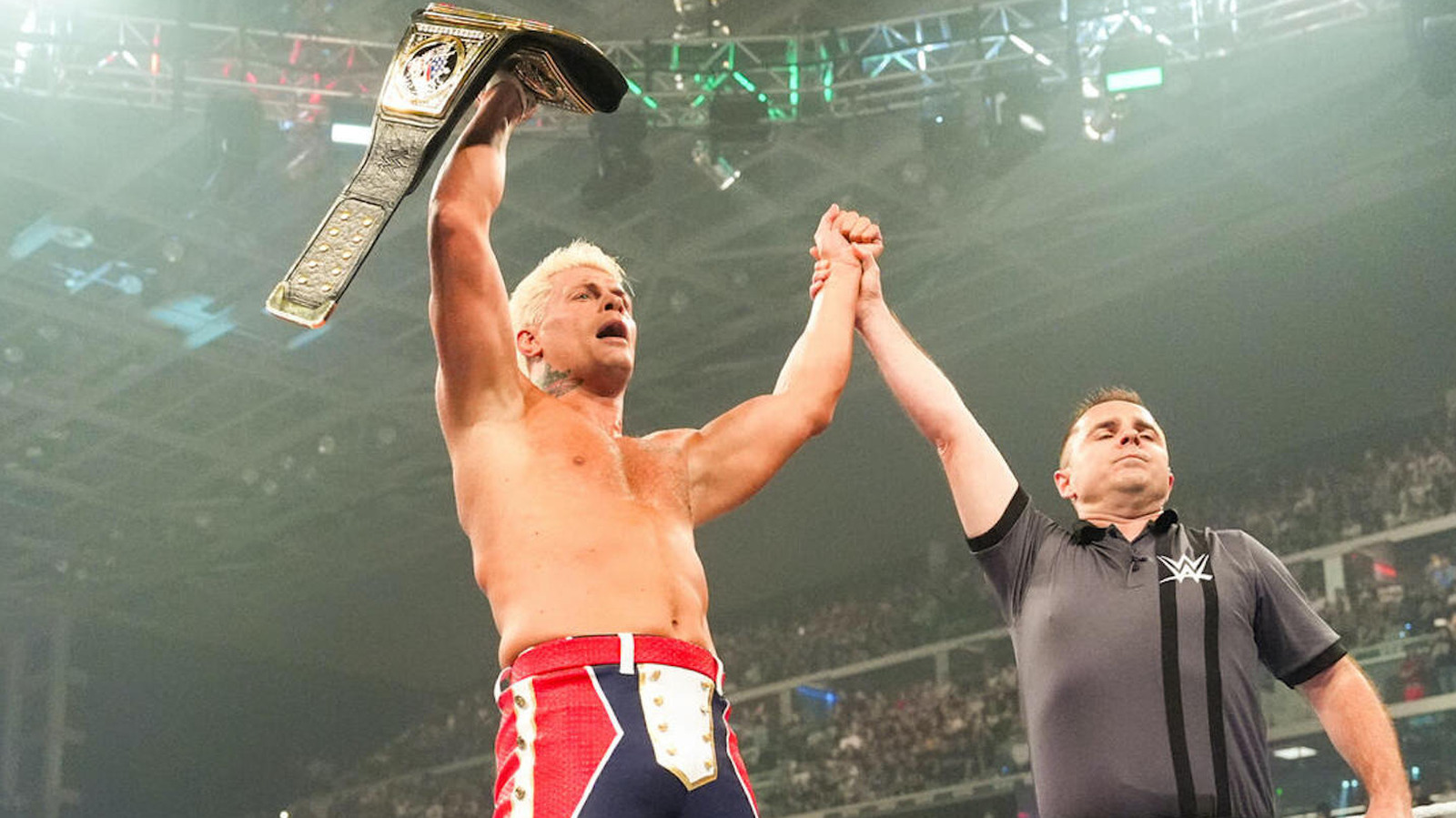
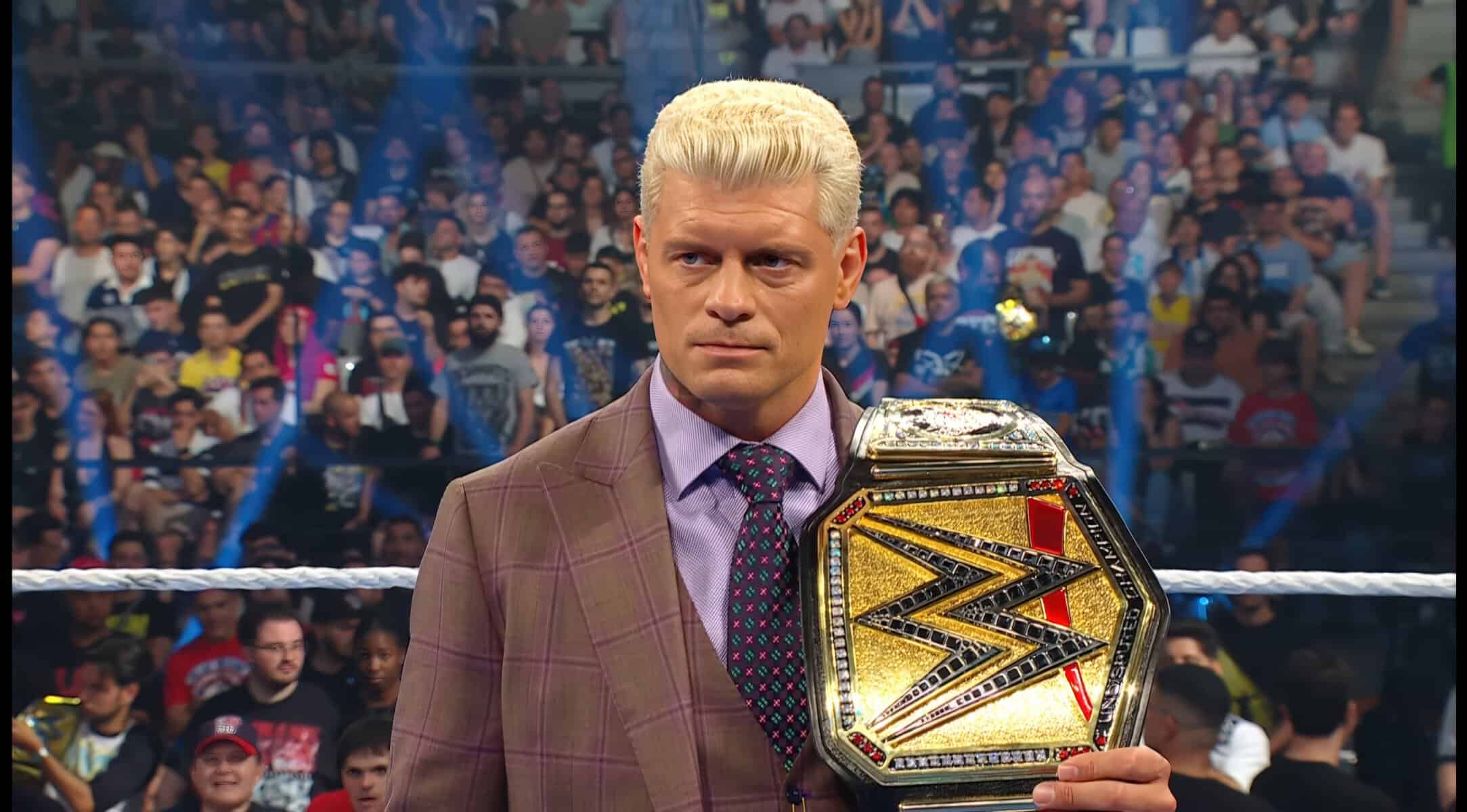
The current state of professional wrestling in 2026 feels like a house divided by its own history. While Cody Rhodes defends the creative direction under Triple H, the echoes of the past tell a much more grueling story. It is a tension between the polished, high-stakes television we see now and the reality of the people who shaped the company before the regime change.
Rhodes has positioned himself as an advocate for the current methodology, claiming the current booking style aligns with his vision for the company. But you have to look closely at the product. The storytelling is tighter, certainly, but it is not immune to the same pressures that defined the Vince McMahon era.
The human cost of the spotlight
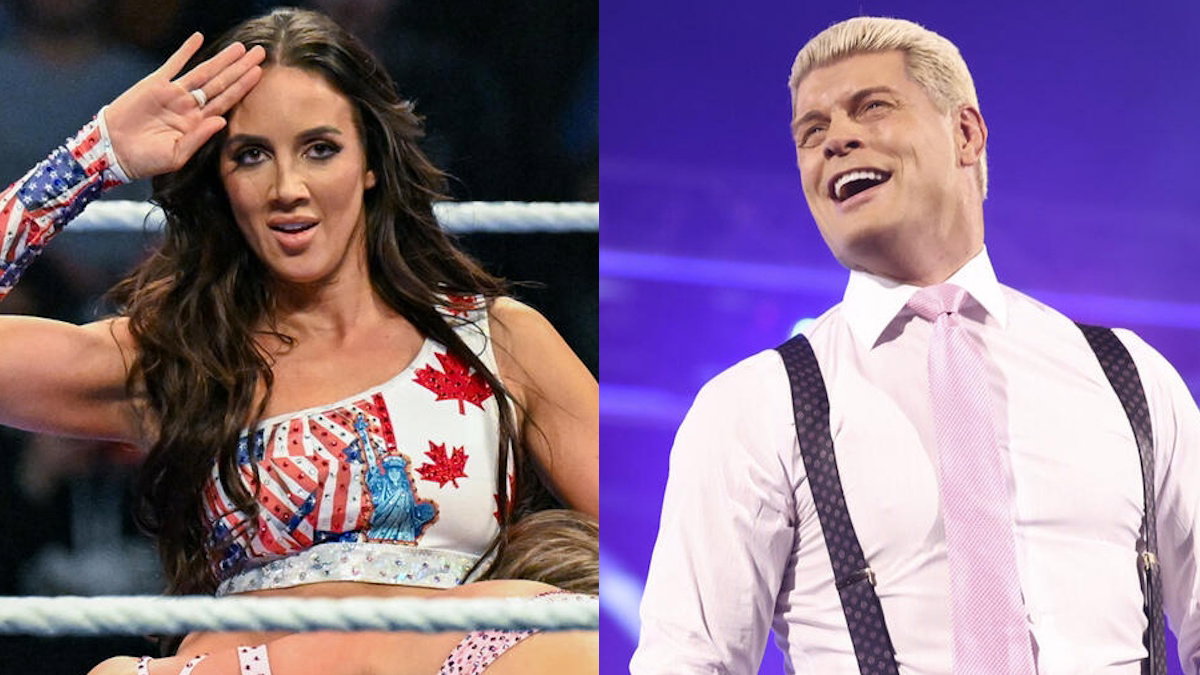
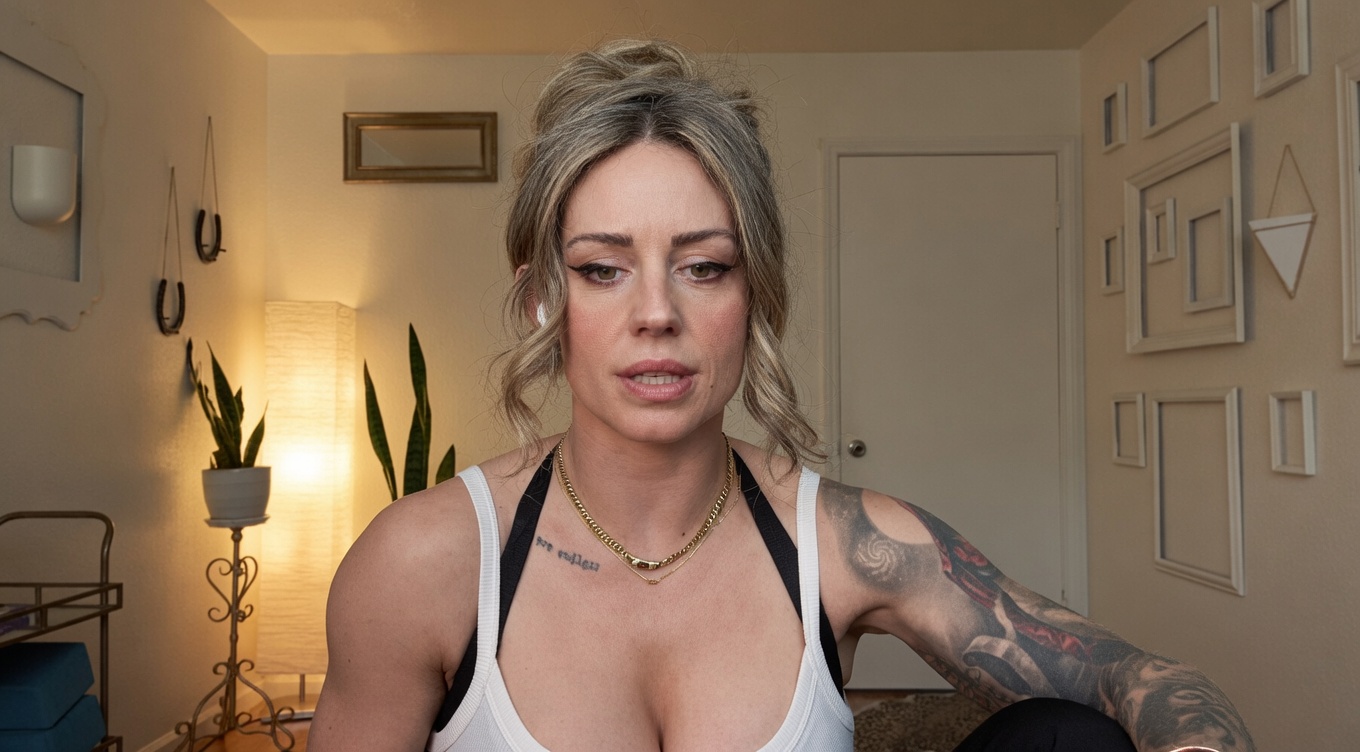
We are still seeing the fallout from earlier creative mandates that pushed performers to their breaking points. Kaitlyn, in recent interviews, outlined how her tenure ended two years earlier than planned because she was literally falling apart. The physical and mental tax was compounded by body image pressures brought on immediately upon her signing.
This is not ancient history. It serves as a reminder that regardless of who sits behind the office desk, the machine requires a certain type of compliance. When talent is told to change their physique within weeks of joining the roster, the corporate culture is exerting a level of control that renders the actual wrestling secondary.
Creative drift away from core values
The influence of reality television, specifically Total Divas, remains a sore spot for those who value in-ring legitimacy. Kaitlyn noted that creative decisions were frequently compromised by that show despite explicit promises from top management that it would not disrupt the wrestling program. That disconnect between what is promised to talent and what arrives on screen is where trust goes to die.
The issue today is not just about the matches we watch on Friday nights; it is about the structural integrity of the locker room. If current talent believes the creative process is flawless but former champions are still processing trauma from the same system, there is a massive rhetorical gap. Rhodes is doing his job as the face of the brand by defending the current booking, but the fan who pays attention expects better transparency regarding the cost of that entertainment.
Prediction for the coming months
Expect the creative honeymoon phase to hit a dead-end by as early as the August 2026 PLE cycle. Fans are becoming increasingly perceptive about when a storyline is genuinely driven by in-ring progression versus when it is being forced by external corporate partnerships. My call: Cody Rhodes remains the top man, but the scrutiny of the backstage machine will soon eclipse the actual wrestling matches in terms of fan discourse. The booking might be cleaner right now, but the stains of the past don't wash out just because the boss changed his suit.