The friction between tradition and modern booking
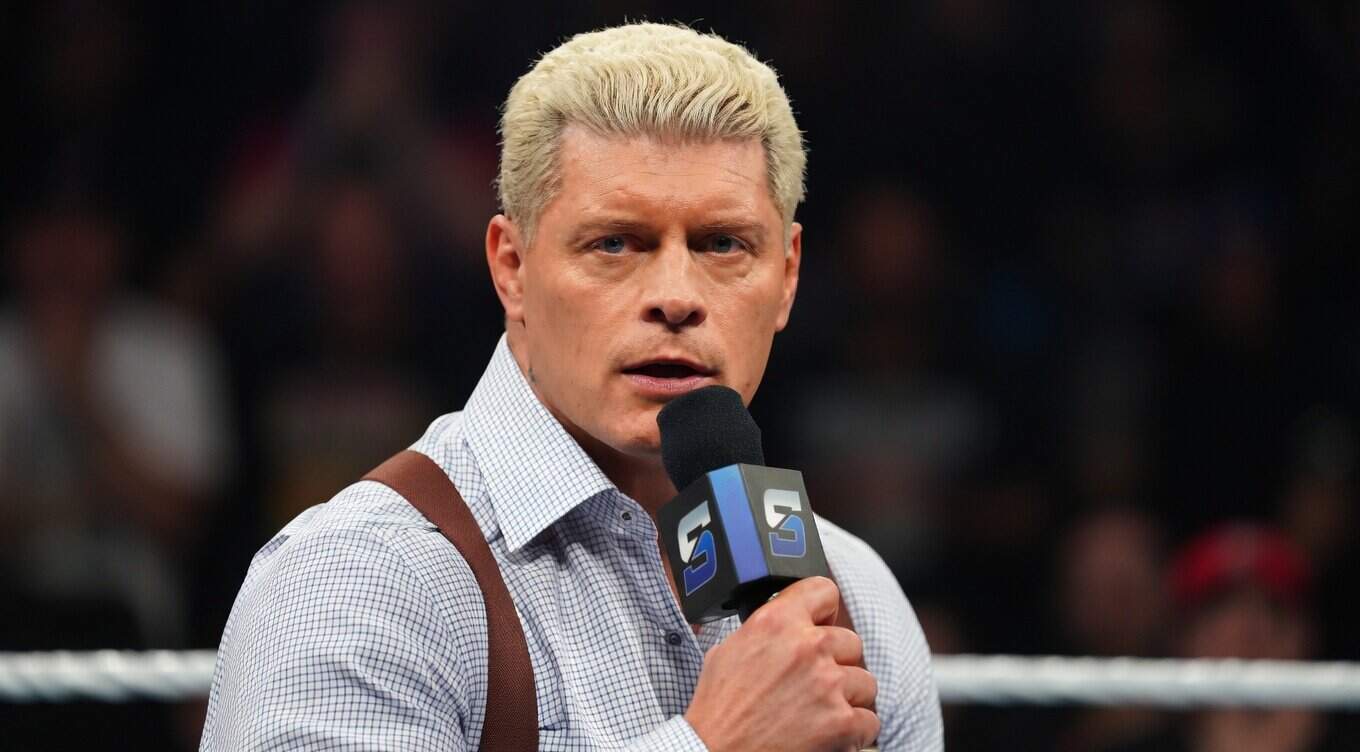
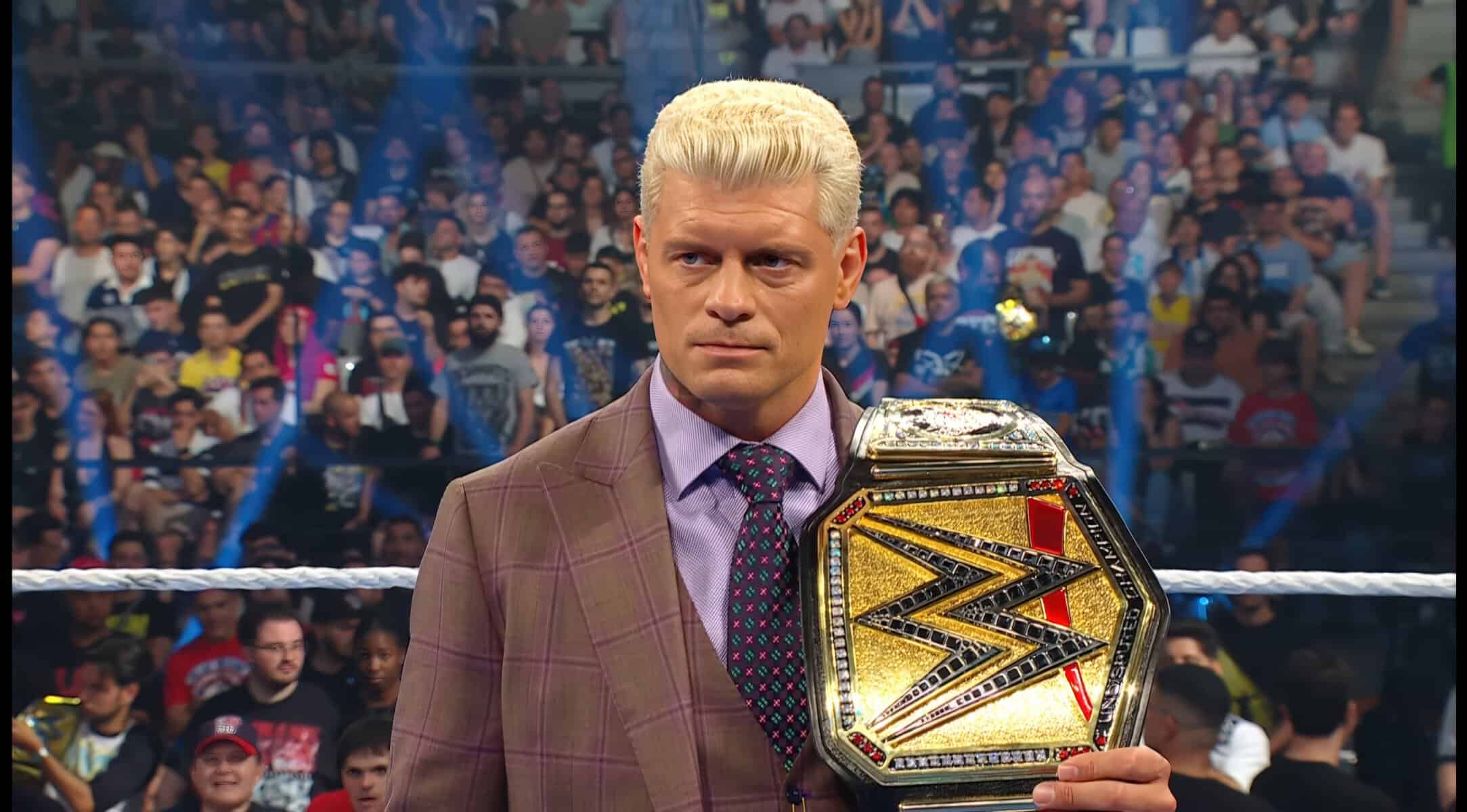
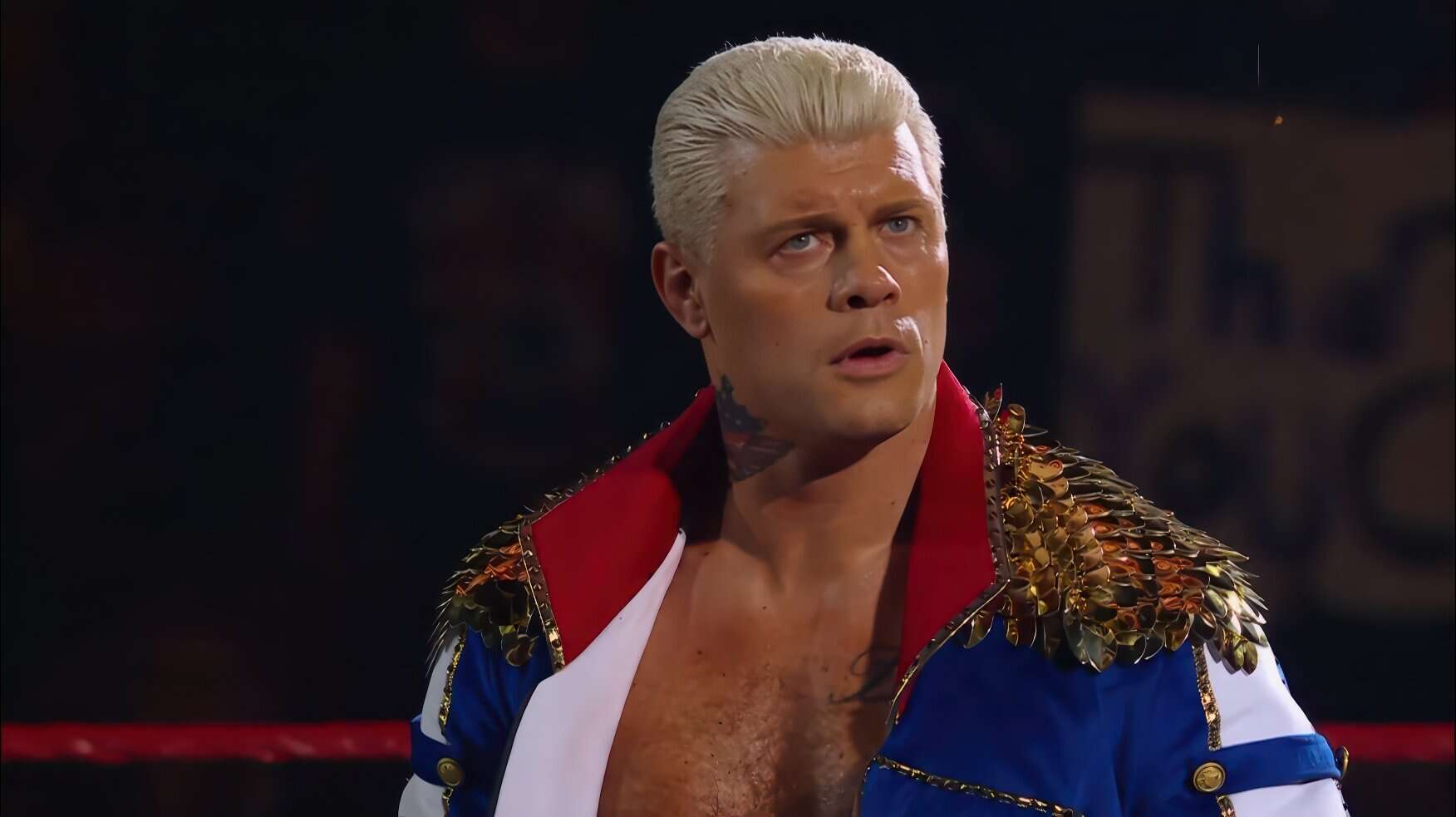
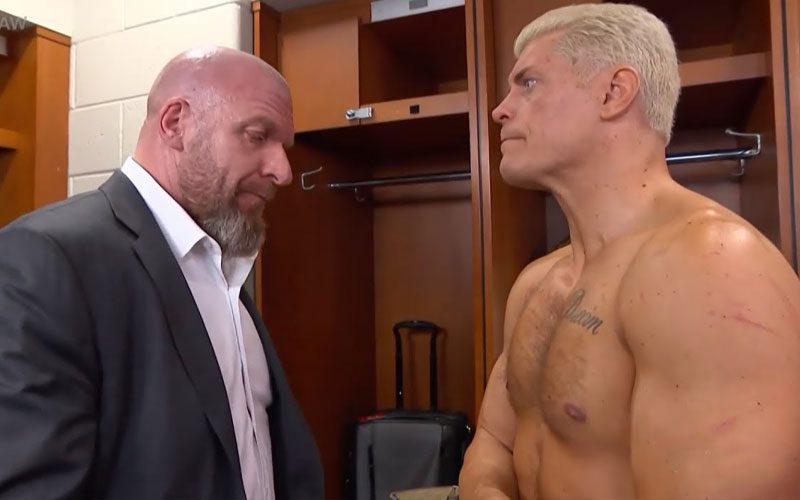
Cody Rhodes recently came to the defense of Triple H, positioning the current creative direction as a functional success story. This is a pointed stance for the champion to take, primarily because the critique surrounding the weekly product has reached a boiling point. Critics argue that the current pacing, which often prioritizes long-term storylines over immediate payoff, leaves the middle-card performers in a state of suspended animation.
We saw this internal tension manifest during the final weeks of the quarter. While title programs occupy the top of the card with meticulous, multi-month arcs, the sheer lack of urgency in lower-tier feuds is stripping away the stakes of the opening bouts. When a match happens simply to fill a time slot, the audience response is inevitably lukewarm.
Analyzing the Rhodes-Triple H dynamic
Rhodes operates as the linchpin of this philosophy. By endorsing the slow-burn approach, he is effectively betting his own internal momentum on the idea that the endgame justifies the current lull. This is a high-stakes play for a performer who relies on organic crowd reactions to maintain his standing. If the booking fails to pivot when the crowd starts to clamor for novelty, even the most bulletproof babyface risks stagnation.
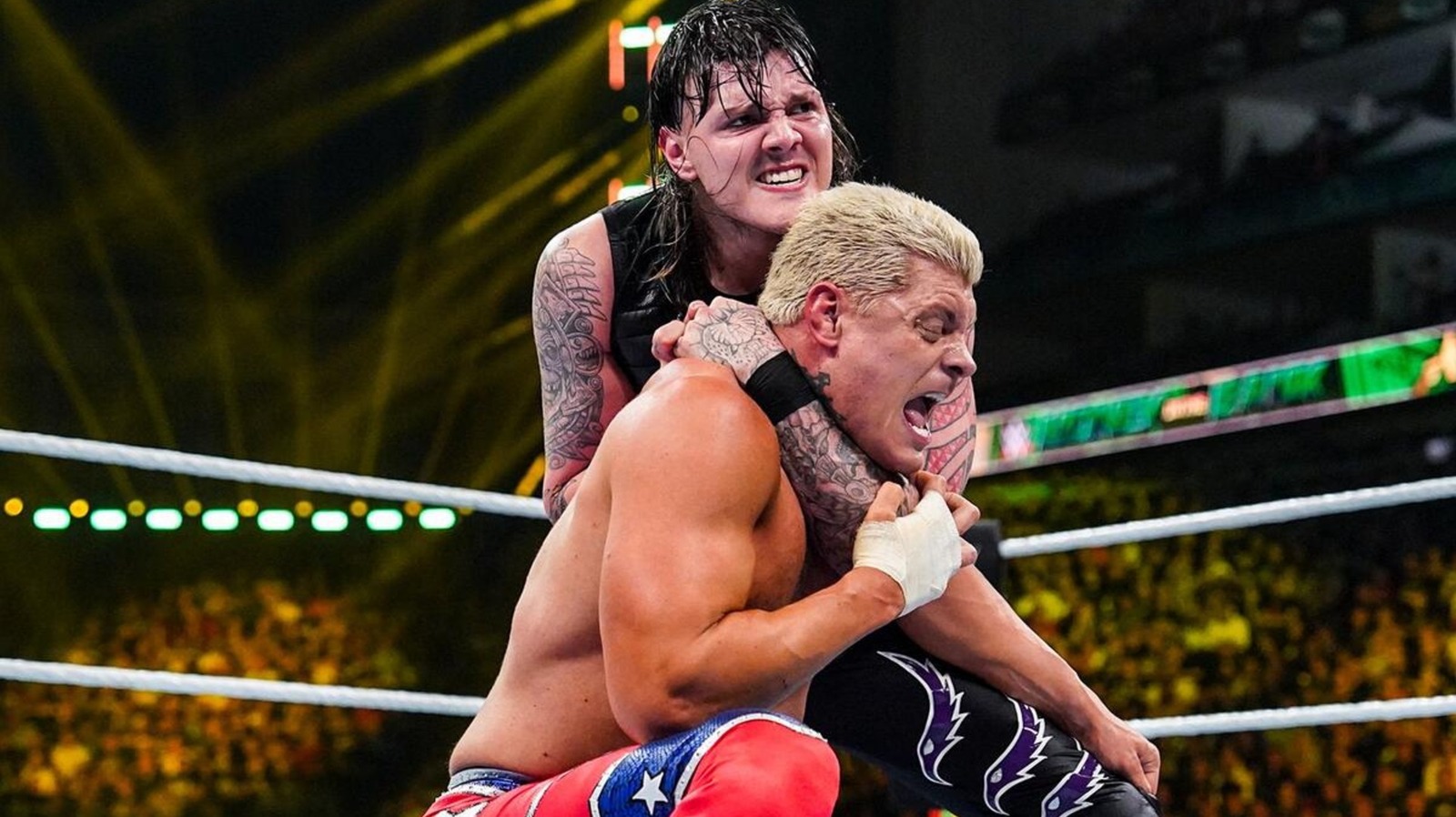
The criticism isn't about whether Triple H knows how to book a show, but rather whether his creative style is too rigid for a weekly broadcast environment that requires constant adaptation. In matches that run over 20 minutes, we often see a reliance on high-spot sequences that lack structural narrative, trading legitimate intensity for a series of near-falls that have lost their impact.
The statistical reality of the mid-2026 product
Data suggests a measurable disparity between main event engagement and the rest of the roster. Main events frequently pull high ratings, yet the average match duration in the first hour of television has ballooned to over 16 minutes, often without a significant build-up or a clear narrative reason for the bout to occur. This indicates a focus on filling airtime rather than maximizing the strength of the roster.
The reliance on the Triple H template is currently providing a sense of stability, but it is hiding a lack of creative agility. When Rhodes stands before the cameras, he is defending a system that works for him personally, yet the evidence shows that the rest of the engine is running on fumes. There is a persistent fatigue setting in among fans who see the same rhythm week in and week out.
Prediction: A shift in tone is unavoidable
The upcoming summer season, marked by high-profile travel and the global scrutiny of the impending World Cup window, will force a change. I suspect the promotion will be forced to abandon the methodical pacing in favor of higher-impact, shorter-form television segments to keep pace with the shifting attention spans of the general public. Cody Rhodes will remain the focal point, but he will have to deliver a more aggressive, less repetitive style to keep his current momentum alive. My prediction is that the creative team will shorten match times by 15 percent across the board by the end of July. They will have to, or the internal booking math simply won't add up anymore.
Read Next
- Cody Rhodes is turning the Nightmare Factory into a WWE farm system
- Cody Rhodes sits at the center of a depleted WWE main event scene
- Cody Rhodes and Gunther take the main event spotlight in Paris
- Top 10: Most Impactful Moments in Modern WWE History
- 🏆 WrestleMania 41 — Full Coverage Hub
- 💥 WWE Backlash 2026 — Full Coverage Hub