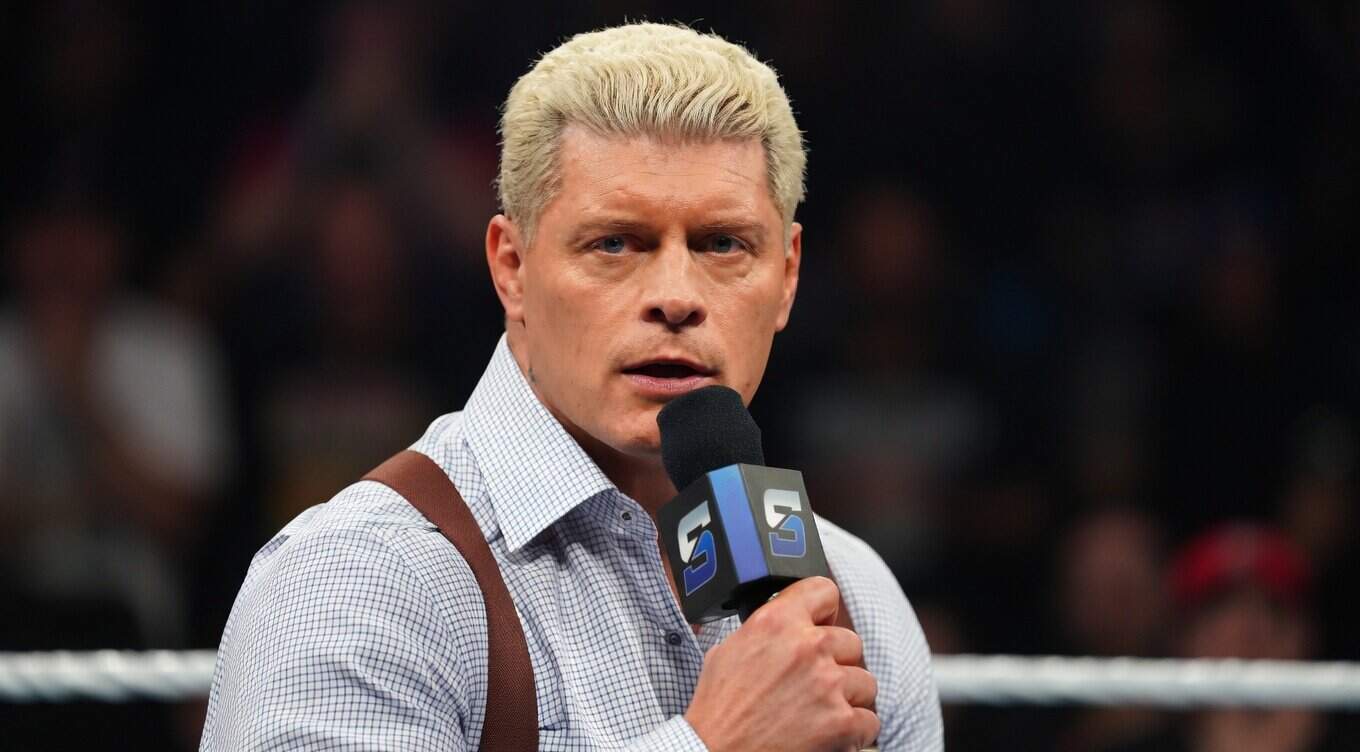
Is Cody Rhodes' Luck Running Out? The Heavy Price of Being WWE's QB1
The Myth of the Happy Champion
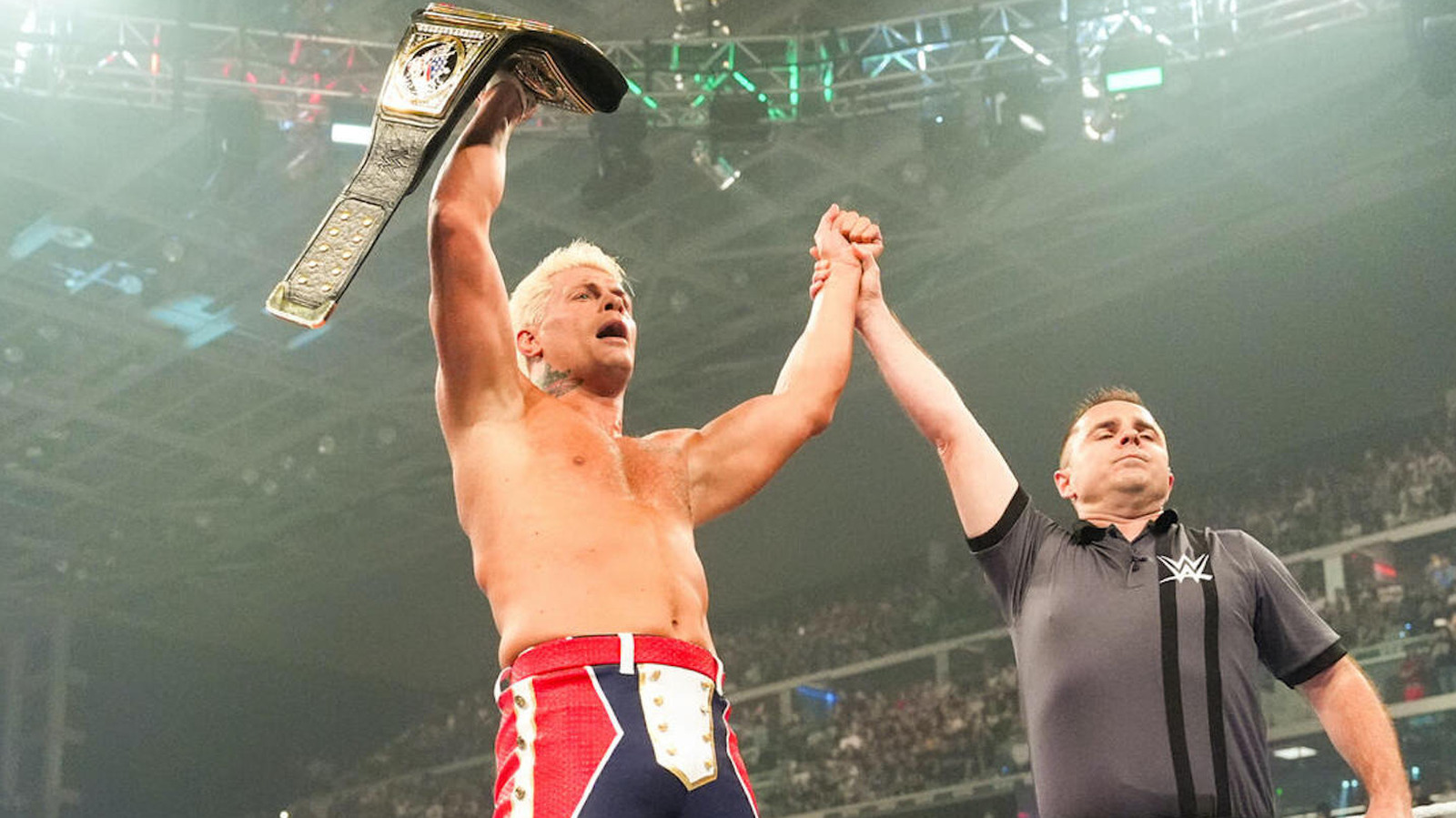
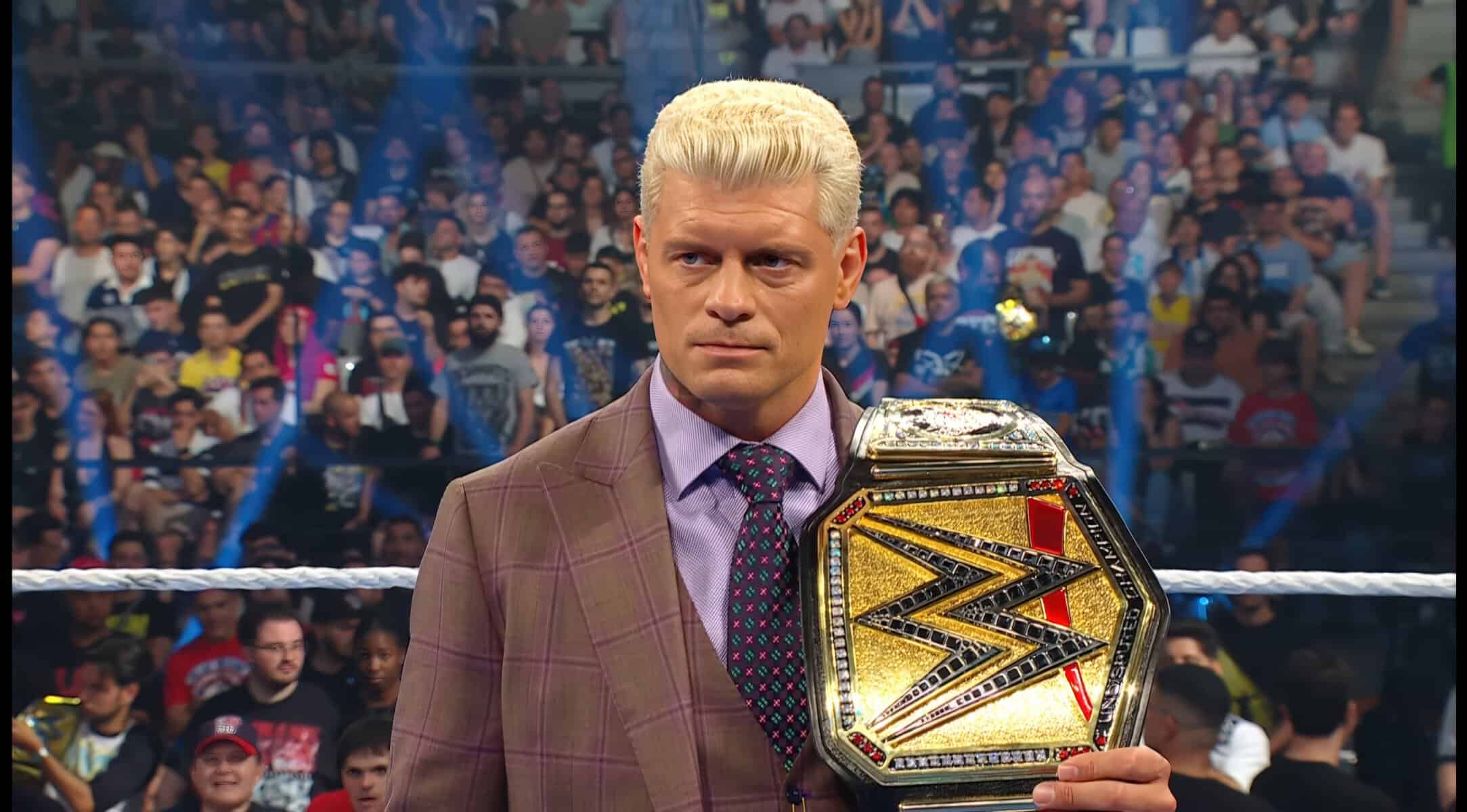
At WWE Clash in Italy on May 31, 2026, Cody Rhodes stood in the center of the ring, his face covered in sweat and his Undisputed WWE Championship clutched tightly to his chest. But the triumph was instantly clouded by a controversy that would define the days to follow.
Gunther's foot was clearly under the bottom rope during the final pinfall, an oversight by an obstructed referee who counted to 3. The arena erupted in a mix of cheers and confusion, leaving the champion with a compromised victory. In a world where perception is reality, this was a crack in the pristine armor of WWE's premier babyface.
Sitting down with Joe Tessitore in a subsequent ESPN interview, Rhodes did not run away from the tension. He reflected on the fallout of his match, acknowledging that the top of the mountain is a precarious place to stand, with transcriptions made available by Wrestling Inc. 'I don't mean this with arrogance,' Rhodes admitted, 'I'm pretty lucky and I don't know how much more luck I have.'
This admission of mortality is rare for a modern WWE champion. Rhodes is currently carrying the company on his back, serving as the undisputed franchise player. Yet, even he can feel the cold wind blowing at his heels as the challenges mount.
The QB1 Burden and the John Cena Shadow
Being the top guy in WWE is often compared to being a franchise quarterback, or QB1. It is a title that requires consistent excellence, media polish, and a willingness to absorb immense physical punishment. Rhodes has embraced this role fully, even as the fans begin to scrutinize his every move.
In his interview with Tessitore, Rhodes addressed the growing whispers about his presentation. 'There's all these jokes that I follow the John Cena model and I don't mind those jokes at all because that's a hell of a model,' he said. It is indeed a legendary blueprint, built on tireless charity work, corporate diplomacy, and clean-cut heroism.
However, the Cena model comes with a hidden cost that Cody is starting to pay. Modern wrestling audiences are notoriously fickle, and they quickly tire of flawless babyfaces who always find a way to win. By styling himself after Cena, Rhodes risks alienating the portion of the fanbase that craves edge, grit, and moral complexity.
This is where the critical gaze must fall on Rhodes' current run. His matches are spectacular, but his promos can sometimes feel like polished corporate press releases. The controversial finish in Italy only amplifies this issue, making his heroic survival look less like destiny and more like a lucky break.
Furthermore, the looming shadow of Randy Orton threatens to disrupt this carefully curated babyface energy. Orton, Cody's former mentor, represents a dark and unpredictable force that could easily shatter the champion's composure. If Orton is indeed at his absolute best, Cody's clean-cut model may not be enough to survive the storm.
The controversial finish at Clash in Italy is not just a storyline point; it is a symptom of a larger creative challenge. When a champion's victory is consistently tainted by referee errors, it slowly erodes the credibility of their reign. Rhodes must find a way to secure decisive victories if he wishes to maintain his standing as the undisputed leader.
We can trace this dynamic back to the late eighties, when champions were presented as untouchable superheroes who rarely showed vulnerability. That presentation worked for a different generation, but modern fans demand a more realistic and flawed protagonist. Cody's struggle is to find the balance between that old-school heroism and the gritty realism of the modern era.
The champion is constantly caught between the demands of the casual fanbase and the desires of the hardcore purists. The casuals want the clean-cut hero who never surrenders and always smiles for the cameras. The purists, however, want to see athletic struggle, moral ambiguity, and matches that end without referee controversy.
The Anatomy of a Compromised Victory
The pressure of being QB1 is not confined to the squared circle or the corporate boardroom. For Rhodes, the physical reality of his job has begun to invade his home life. He recently recalled a warning from his father, Dusty Rhodes, who told him he would eventually have to explain his beatings to his children.
That warning became a reality after a brutal championship defense at WrestleMania 42. Cody returned home covered in deep purple bruises, prompting a heartbreaking question from his four-year-old daughter. 'nothing prepares you for that,' Rhodes said emotionally, 'and I hope that's not a regular occurrence.'
'I got up and I tried to make eye contact with everyone and let them know two things; I'm still the champ, still here. And if that's Randy's best shot and Randy is at his best ever, then what does that say about me?' — Cody Rhodes
The Physical and Emotional Toll of the Top Spot
This is the human toll of the top spot that fans rarely consider. We demand that our champions go to war for our entertainment, but they must return home to explain those wars to their toddlers. It is a grueling, exhausting existence that eventually breaks even the strongest competitors.
The emotional weight is compounded by the fact that the champion cannot show weakness in public. Rhodes must maintain the brave face, the perfect smile, and the corporate poise even when his body is screaming for rest. It is a relentless schedule that leaves very little room for personal recovery or quiet reflection.
This relentless pace is what separates the true greats from those who merely hold the belt for a short time. To stay at the top, one must be willing to live on the road, sleep in hotel rooms, and put the company's needs ahead of everything else. It is a sacrifice that Rhodes has made willingly, but the cracks are starting to show.
The physical toll is obvious in the way he moves, the tape on his shoulder, and the exhaustion in his voice. He has wrestled through torn muscles and broken bones, proving his dedication to the craft time and again. But the body has a limit, and Cody is rapidly approaching it.
Historical Echoes: Ahmed Johnson and the Poison of the Locker Room
While Cody Rhodes carries this weight in a relatively supportive modern environment, professional wrestling history is filled with much darker tales of life at the top. The locker rooms of the past were not cooperative spaces, but rather hostile battlegrounds of envy and sabotage. One need only look to the mid-1990s to see how toxic the top spot could truly be.
In a recent Inside The Ropes interview, former WWE star Ahmed Johnson laid bare the intense hostility that accompanied his own historic push, as reported by Ringside News. Johnson made history as the first African-American Intercontinental Champion, a milestone that should have been celebrated. Instead, his sudden rise created deep-seated resentment among his peers.
Johnson claimed that his locker room brothers were consumed by jealousy over the opportunities he received. 'Yeah, I told you,' Johnson stated. 'I got the sense that all of them were jealous of me.' 'Let me be honest with you. All the black guys were very jealous of me because they wanted that chance to be the first African-American in history to win the belt. But Vince gave it to me and the African-American guys were very jealous of me, man.'
These raw comments reveal the heavy psychological burden that pioneer athletes must carry. Johnson was not just fighting his opponents in the ring; he was fighting a toxic wave of envy behind the curtain. In his mind, his historic push had isolated him from the very colleagues who should have had his back.
However, even in that nest of vipers, Johnson found a solitary ally in Savio Vega. Johnson credited Vega with helping him survive the matches when he was still incredibly raw. 'The only person in the Nation that I could say was not jealous of me was Savio Vega,' Johnson recalled. 'And Savio Vega tried to help me through the matches. He knew I was green and he stepped up and tried to give me a hand and I appreciate that.'
This contrast between the toxic majority and a single helpful veteran illustrates the fragile nature of success in that era. It also shows how much the culture of the WWE locker room has evolved over the last thirty years. Today's talent operates in a corporate environment that, for all its faults, largely discourages the overt sabotage of the past.
In the nineties, a champion was constantly looking over their shoulder, wondering who was trying to derail their career. Today, the conflicts are fought in the open, through storyline rivalries and social media interactions. This shift has made the business safer, but it has not made the crown any lighter.
The modern locker room is a corporate workspace, where performers function more like independent contractors in a tech firm than outlaws on the road. They share travel tips, play video games together, and publicly support each other's success. Yet, the quiet envy still exists, buried beneath the polite smiles and professional handshakes.
No wrestler wants to see someone else get the main-event spotlight and the massive merchandise royalties that come with it. The competition is simply more polite now, masked by corporate training and public relations guidance. Rhodes must navigate this polite warfare daily, knowing that every colleague is waiting for him to slip.
'Yeah, I told you. I got the sense that all of them were jealous of me... Vince gave it to me and the African-American guys were very jealous of me, man.' — Ahmed Johnson
Evolution and the Long Road Out of the Dark Ages
This cultural evolution is also evident in how the company treats its divisions. On a recent episode of the PWTorch Worse or Better dailycast, hosts Josh White and Stephanie Chase explored the long history of women's wrestling in WWE. They tracked the division's progress from the sporadic bookings of the 1980s through the overt sleaze of the Attitude Era during this 107-minute episode.
Chase endured Josh's constant discussion of breasts as they analyzed the early 2000s and the subsequent Diva era. This era, while physically impressive, was deeply compromised by the company's insistence on treating women as visual objects. It was a dark period that stands in stark contrast to the athletic seriousness of today's roster.
Eventually, the division reached a turning point, evolving into the main-event attraction we see today. The days of bra-and-panties matches have been replaced by grueling iron-woman matches and main-event spotlights. White and Chase ultimately weighed whether the modern division is worse or better than its predecessors.
This historical journey shows that progress in professional wrestling is never linear, but it is real. The culture has matured, the locker rooms have professionalized, and the athletes are better protected than ever before. Yet, the essential nature of the top spot has remained remarkably consistent.
Whether you are Ahmed Johnson fighting locker room resentment in 1996, or Cody Rhodes handling referee controversy in 2026, the champion is always a target. The public expects perfection, the locker room expects leadership, and the family expects a father. Balancing these competing demands is the ultimate challenge of the modern era.
This brings us back to the discussion surrounding the women's division and the evolution of match quality. The transition from the Diva era to the current main-event status was not an overnight success, but a hard-fought battle by dedicated athletes. It required a complete overhaul of the company's creative philosophy and a rejection of the sleaze that defined the Attitude Era.
In many ways, the success of the modern women's division has raised the bar for the entire roster. The men can no longer rely on standard formulas; they must deliver high-stakes, athletic stories that capture the imagination. Cody's matches with Gunther and Orton are a direct response to this elevated standard.
Ultimately, the story of modern professional wrestling is the story of managing these massive expectations. The performers are under constant pressure to perform at an elite level, both inside and outside the ring. It is a burden that very few individuals are equipped to carry for an extended period.
The Addiction to the Crown
As we look ahead to the next premium live events, the question remains whether Cody can sustain this incredible pace. His physical endurance and mental fortitude will be tested like never before. The WWE locker room is watching, the fans are waiting, and the history books are ready to record his legacy.
Being the champion is still an isolating, exhausting, and bruising experience. Cody Rhodes admitted that he did not feel like a winner after his massive WrestleMania triumph. The physical toll and the constant scrutiny left him feeling drained rather than victorious.
Yet, despite the bruises, the controversy, and the family strain, Rhodes remains utterly captivated by his position. 'I'm addicted to the top spot,' he admitted in his ESPN interview. 'I'm not afraid to tell anybody that.'
This addiction is the ultimate driver for every legendary champion in WWE history. It is a powerful force that compels them to sacrifice their bodies and their peace of mind. They know that the crown is heavy, but they would rather suffer under its weight than watch someone else wear it.
It is an obsession that drives performers to ignore their injuries and push past their mental limits. Rhodes is no exception to this rule, having wrestled through severe pectoral tears in the past. The desire to remain at the absolute apex of the industry overrides any concern for long-term health.
As Rhodes prepares for a potential rematch with a furious Gunther, his declaration of luck running out feels more prophetic than ever. The fans are starting to look at his pristine babyface run with a more critical eye. The shadow of Randy Orton is growing longer on the horizon, waiting for the perfect moment to strike.
But for now, Rhodes remains the undisputed QB1, holding the line against a rising tide of challengers. He has built his kingdom on hard work, legacy, and a deep connection with the audience. Whether his luck runs out or his reign continues, Cody Rhodes has already secured his place among the greats.
WWE Winged Eagle Championship Mini Replica Title Belt
Own a piece of history from WWE's most iconic era.
More Coverage
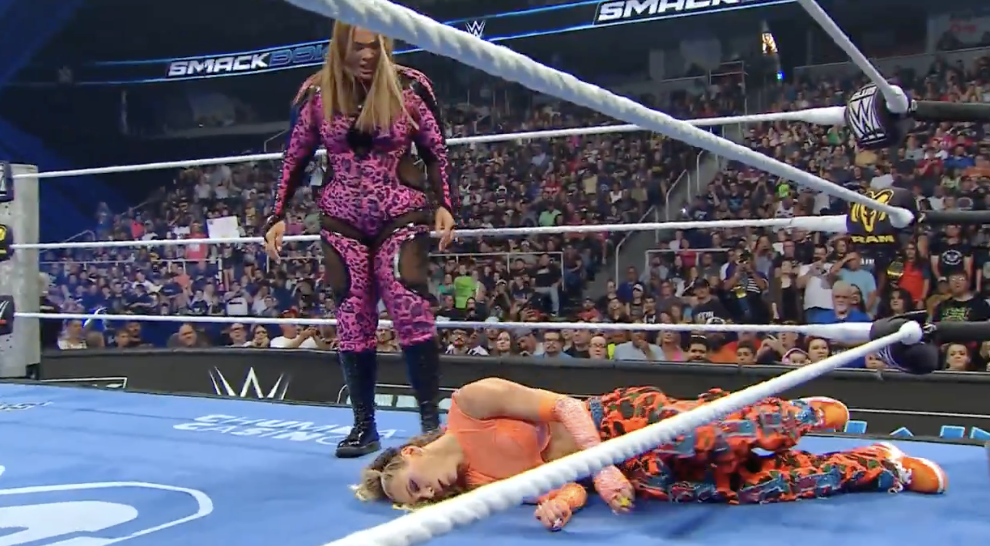
Top 10: Defining Moments of the Modern SmackDown Era
an hour ago
Top 10: Defining SmackDown Moments (July 2026)
an hour agoSummerSlam 2026 is setting up to be a total trainwreck in all the right ways
6 hours agoSummerSlam 2026 is a massive gamble that could blow up in Triple H's face
6 hours agoSummerSlam 2026 is a weird, disjointed, and mostly brilliant mess
6 hours ago
How WWE's celebrity obsession killed Chris Masters' second run
6 hours agoMore Match Reports
Cody Rhodes is fighting a losing battle against his own booking
1 month ago
Cody Rhodes Is Champ, So Why Does It Feel Like He's Already Losing The Crowd?
3 months, 2 weeks ago
Cody Rhodes and the crushing weight of the top spot
1 month, 2 weeks ago
Cody Rhodes and the heavy burden of being WWE's QB1
3 months, 2 weeks ago
Cody Rhodes will carry the Backlash main event solo
2 months, 3 weeks ago