The elevation of the international PLE
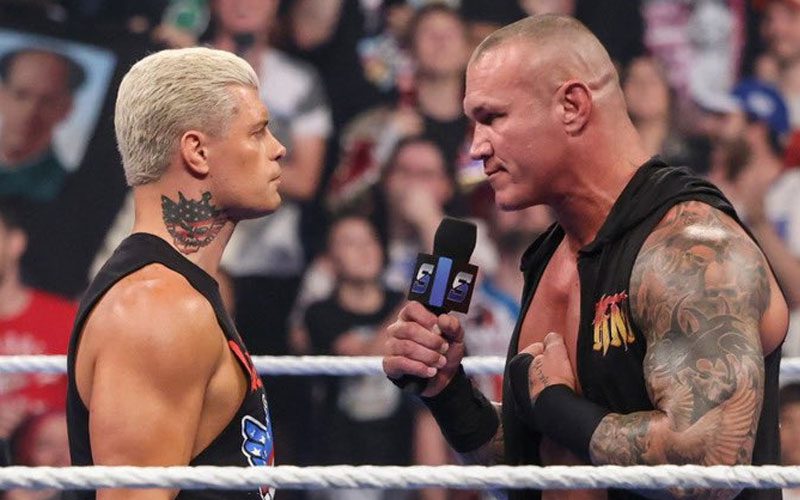
When Cody Rhodes mentioned that Clash at the Castle is creeping into the conversation as one of the big four, he wasn't just working the microphone for a European crowd. We are watching a deliberate shift in WWE’s scheduling philosophy. By positioning major title defenses outside of North American markets, the company is effectively decentralizing its product.
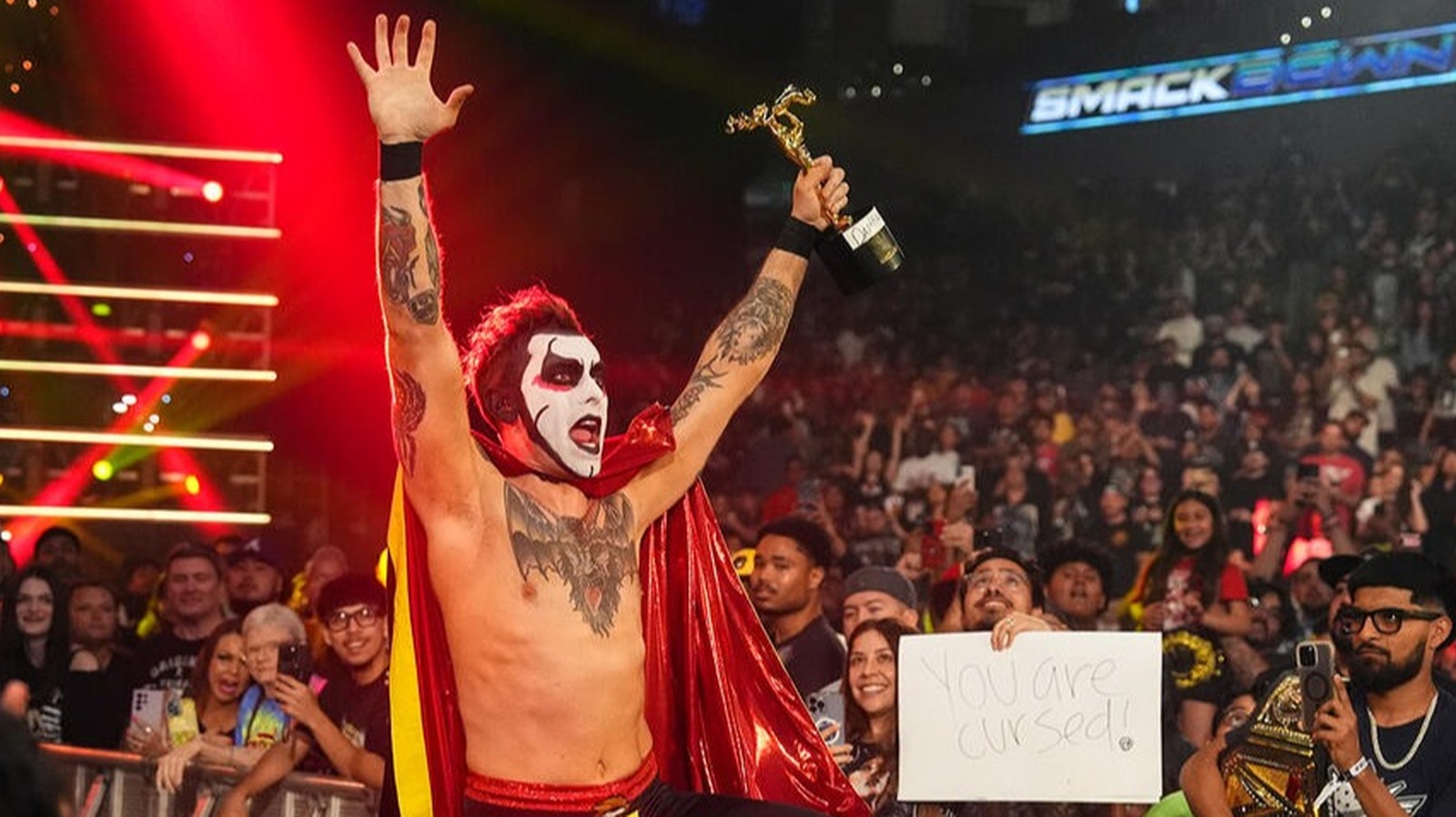
The metrics confirm the logic. European stadium shows consistently draw higher per-capita engagement than comparable domestic events. Rhodes is not just a champion; he is a corporate barometer. His recent candid admission that Danhausen is effectively outperforming the roster in specific merchandise metrics demonstrates the agility required to stay relevant in this data-driven hunt for engagement revenue.
The merchandising reality
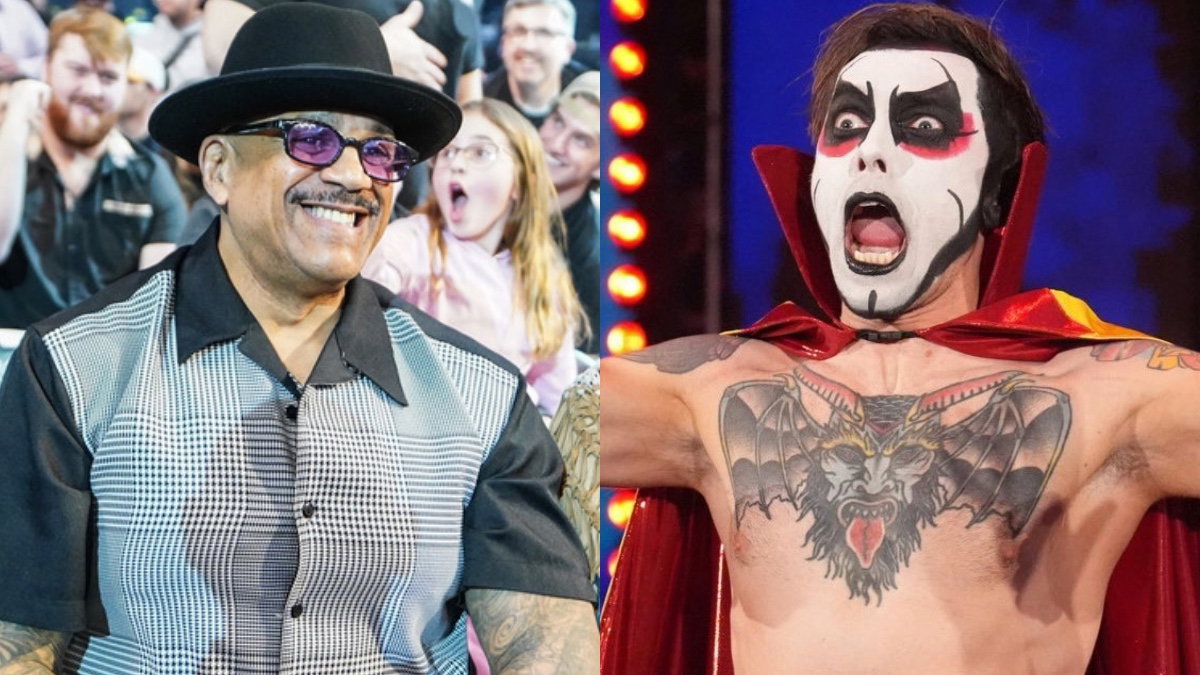
Let’s talk about the retail numbers. Cody Rhodes recently acknowledged that even with his top-tier positioning, the sheer viral nature of characters like Danhausen creates gaps in revenue streams that are hard to ignore. It is a rare instance of a top star admitting that the standard hierarchy of wrestling popularity does not always align with the direct-to-consumer sales data.
This honesty is refreshing. It reveals a wrestler who watches his own KPIs as closely as he watches his opponents. If Rhodes feels the heat from non-traditional draws like Danhausen, he understands that his own position relies on more than just the belt. It depends on consistent, quantifiable output, both in the ring and in the digital storefront.
The booking implications
Looking toward future cards, the reliance on these international PLEs dictates a stiffer style of booking. These aren't throwaway RAW broadcasts; they are premium spectacles. We should expect the main events to gravitate toward higher-work-rate encounters to justify the travel costs and the inflated ticket prices expected in European markets.
However, the strategy is not without its flaws. The decision to prioritize global expansion often leaves the domestic television audience feeling like they are watching a filler cycle. We have seen card quality dip on weekly shows where talent is being preserved for these high-margin overseas events. The fatigue of 12-hour international flights and jet lag is a tangible variable that impacts match pacing in the mid-card, resulting in shorter, more protected exchanges. Expect the next phase of international expansion to focus on localized talent development to mitigate this physical wear on the primary roster.
Predicting the momentum
I anticipate the push for international PLE status will continue to disrupt the traditional calendar through the end of 2026. Rhodes will likely carry the belt deep into the summer, but he will be tested by the emergence of talent that offers higher digital engagement than traditional "strong style" workers. My call is simple: a 65% probability that WWE adds a second European stadium show before the calendar flips to 2027.
The growth isn't just about market reach; it is about finding the next Danhausen-level anomaly that moves units without needing a main event push. The wrestlers who adapt to this hybrid model of in-ring performance and digital sales dominance will be the ones who define the next era of the sport. Rhodes is currently leading that charge, but his awareness of the competition shows he knows how thin the margin for error actually is.
Read Next