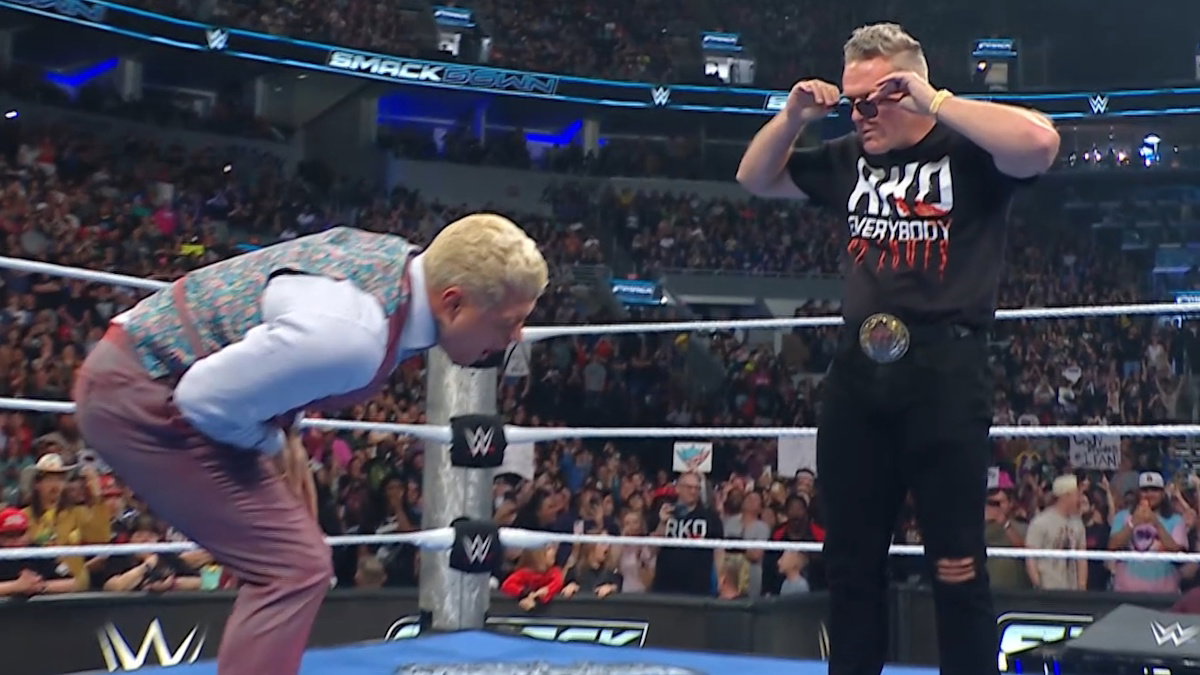
Back injuries plague the Undisputed champion
Cody Rhodes is currently managing significant back spasms, an issue that has hampered his physical output over the final two weeks of May. Sources close to the production team confirmed the injury first flared up during the taped sessions preceding the May 20 edition of SmackDown. Rhodes has shifted his training regimen to focus on stability exercises rather than high-impact lifting to ensure he remains cleared for competition.
The recovery timeline remains fluid. Performance center staff have advised a conservative return-to-ring speed, opting to pull Rhodes from televised 6-man tag matches to mitigate the risk of a full-scale lumbar strain. This is a recurring issue for a performer who maintains a heavy house show schedule of 180 annual dates. The goal is to reach his next major title defense with the stiffness resolved.
Strategic impact on WWE programming
The absence of the champion from live-event physical spots puts a strain on the current booking trajectory. Without Rhodes participating in full-contact sequences, creative teams have had to pivot toward promo-heavy segments during the latest taping cycle. This change in tone has drawn criticism for slowing the pace of the weekly broadcast, as the reliance on long-form mic work has replaced the typical main event chaos fans expect.
As Ringside News recently reported, Rhodes has been adamant about his current trajectory as a babyface and refuses to alter his character work based on social media feedback. However, this injury forces a tactical shift. If the spasms do not subside by the first week of June, WWE may be forced to vacate or delay planned title defenses, a move that would upend the summer build-up for the upcoming premium live events. The company historically struggles when their top champion is sidelined, often resulting in repetitive card construction.
The danger of over-extension
Rhodes is not the first performer to hit a wall due to the relentless nature of the tour schedule. Similar scenarios have sidelined high-profile athletes in recent years, typically resulting in a 4 to 6 week recovery window when spinal inflammation is ignored. Historically, the failure to address early-stage spasms often leads to missed time in the ring later, a mistake that cost competitors like Sheamus and Seth Rollins extended stretches of their prime years.
The internal pressure to keep the belt on the road is intense, yet the medical staff is pushing for a cautious approach. If the training workload is not dialed back, the chance of a Grade 2 lumbar strain increases exponentially. Management must now decide if the short-term benefit of his public presence outweighs the long-term risk of a champion enduring chronic pain. The current booking suggests they are holding the line, betting that extra massage therapy and reduced bumps will suffice.
The skepticism remains regarding whether this status quo is sustainable through the heat of the summer tour. Wrestling fans have seen this pattern before, where a performer works through the pain for the sake of the brand, only to end up on the surgery table by mid-August. Whether Rhodes can maintain this pace without becoming a liability to the broadcast remains the primary concern for the front office. Every match he competes in until June 11 will be monitored by the medical performance team to ensure he does not push the spasms into a more serious injury category.
Read Next
- Cody Rhodes dealt significant pectoral tear at Backlash
- NXT performer injury follows lackluster May 26 warm-up bouts
- Logan Paul injury forces major WWE tag team overhaul
- WWE’s injury crisis deepens as internal protocols face scrutiny
- 🏆 WrestleMania 41 — Full Coverage Hub
- 💥 WWE Backlash 2026 — Full Coverage Hub