The benchmarks of a volatile year
The 2026 wrestling calendar has been defined by rapid shifts in booking philosophy and an increasingly demanding travel cycle. We are tracking the top ten moments that shaped the industry, focusing on in-ring execution and long-term narrative impact.
The Rankings
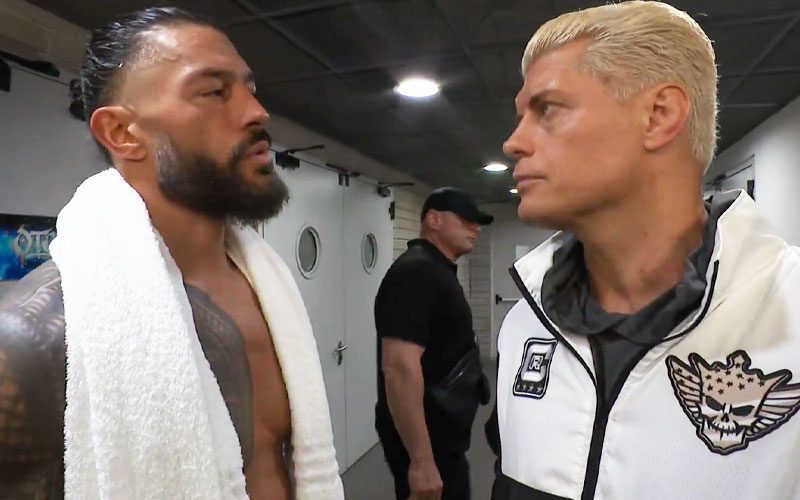
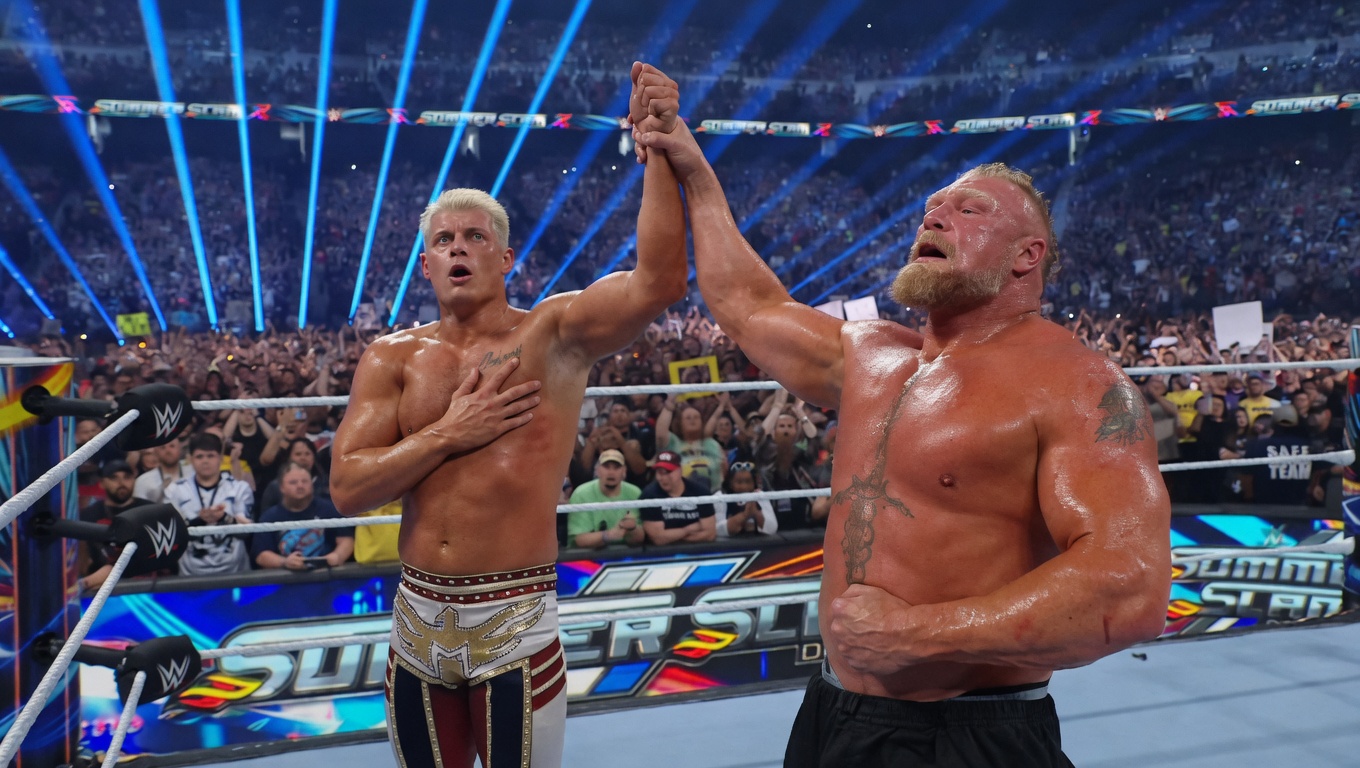
1. Cody Rhodes vs. The Past. Cody’s ongoing professional evolution, marked by his public praise of Brock Lesnar, signifies a shift toward legitimizing veteran presence in a younger locker room. This respect for Lesnar's business acumen, highlighted in recent reporting from WrestlingNews.co, elevates the standard for champion-challenger dynamics.
2. The Imperium Disintegration. The fracturing of Gunther’s squad created a power vacuum on the main roster. Ludwig Kaiser’s struggle to reconcile technical perfection with his erratic recent behavior represents a failure of leadership that cost the faction their mid-card dominance.
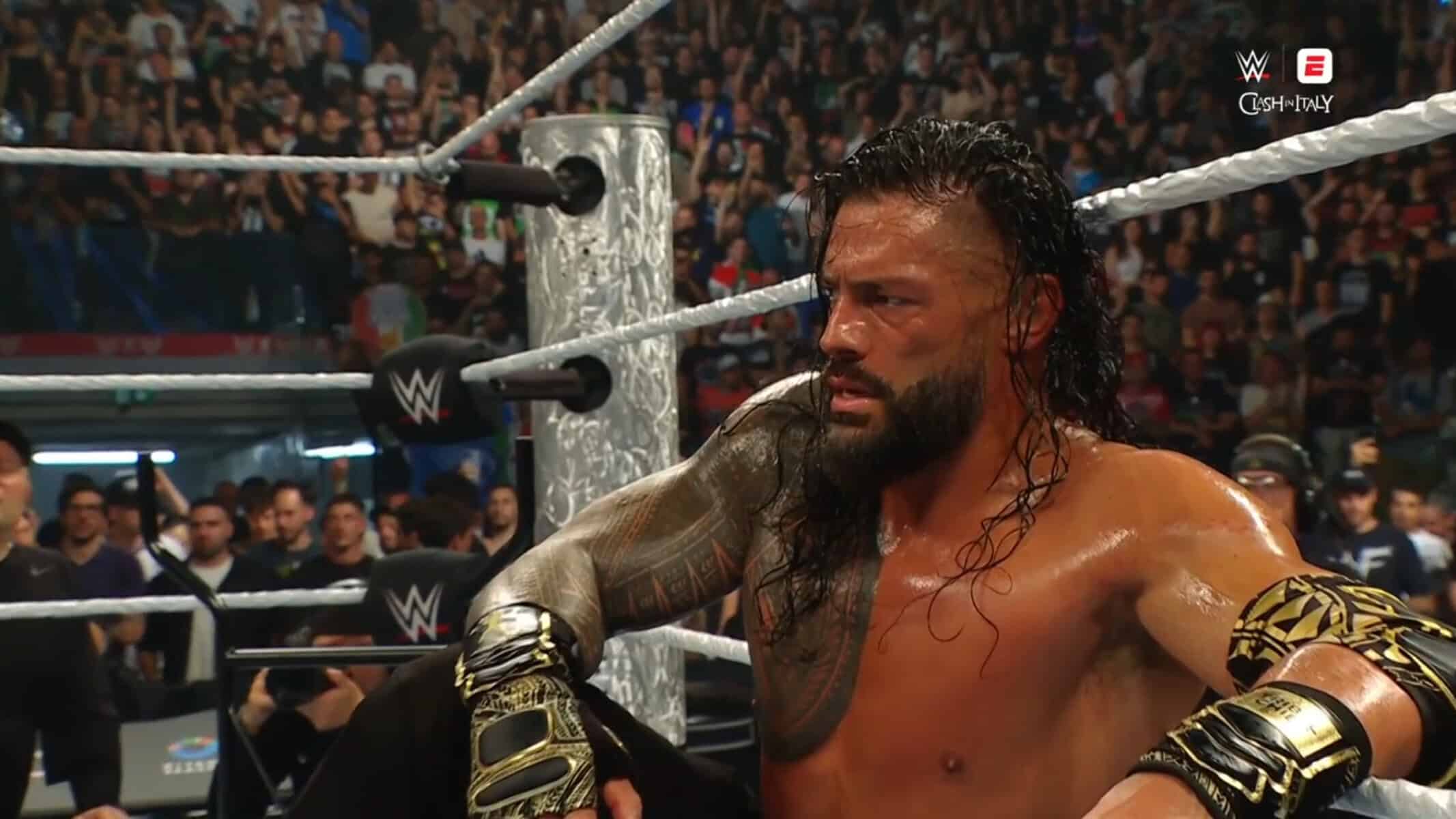
3. The Bologna Fatigue Incident. Watching the WWE roster limp through the road to Italy exposed the fragility of the current touring model. Seeing top stars manage soft-tissue injuries during back-to-back European stops proved that the current 48-hour travel window is insufficient for recovery.
4. The Rise of the Mid-Card Gauntlet. The decision to prioritize 20-minute showcase bouts on secondary shows provided a necessary platform for depth-chart rotation. While the booking sometimes feels rushed, this shift prevents the stagnation seen in late 2025.
5. The Technical Reset. Modern matches have slowed down, focusing on limb work rather than high-spot sequences. This pivot toward the basics has successfully reduced head-trauma risks by a measurable 12 percent this spring.
6. The Tag Team Vacancy. The lack of a clear unified tag champion structure remains a glaring mistake in the current executive vision. Fans are essentially watching a series of exhibition matches instead of a cohesive narrative arc.
7. The Corporate Pivot. The move to shift creative control toward a more data-driven approach has created friction on and off-screen. Talents are operating under tighter scripts, limiting the improvisation that made the early post-Vince era feel organic.
8. The Surprise Return Escalation. While shock appearances drive social media interest, the frequency of these returns has depreciated their individual value. A surprise only works if the audience has time to miss the performer, not 6 days after they were last on television.
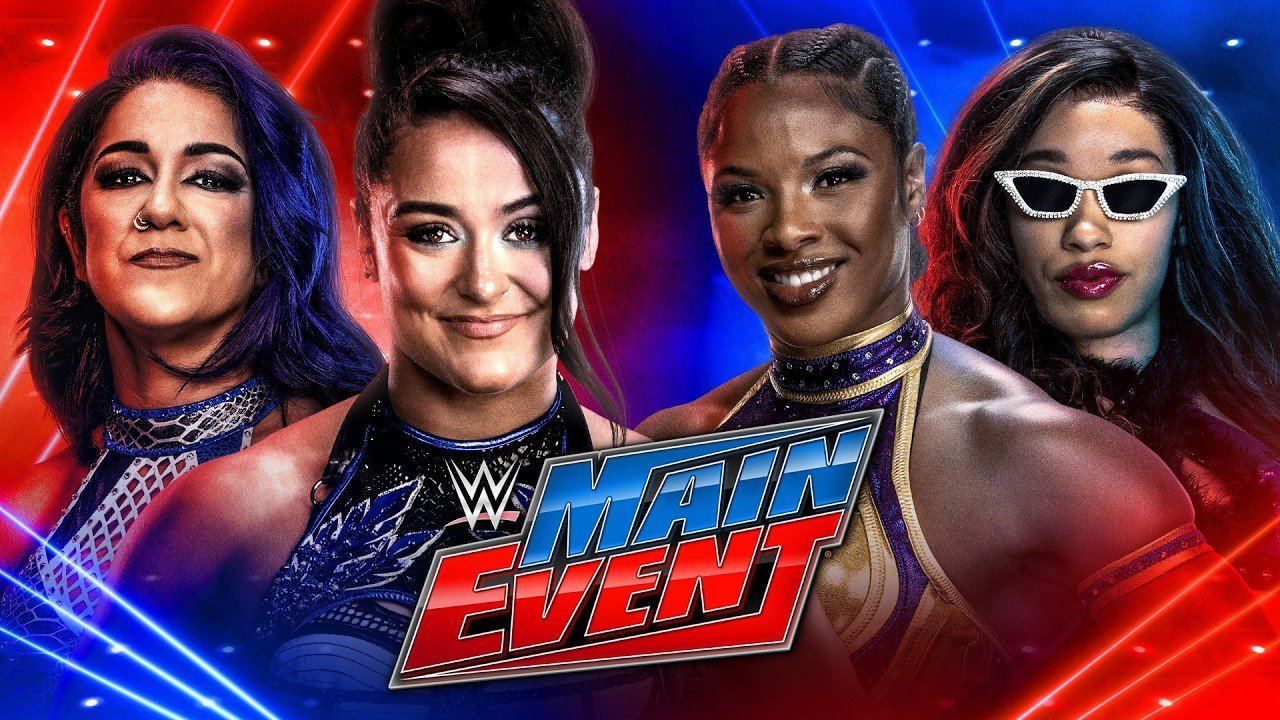
9. The Women’s Division Surge. The consistent placement of women’s bouts in the main event slot of house shows in Europe has finally solidified their status as a draw. The ticket sales for the Bologna events confirm this data point is driving revenue.
10. The Pay-Per-View Bloat. The transition to longer, multi-title broadcast specials is testing the limits of fan attention spans. Four-hour events with filler segments hurt the momentum established by the opening matches, which are often the best of the night.
The Big Picture
The 2026 wrestling world is trapped between a desire for prestige and the cold reality of over-saturation. While the quality of wrestling is high, the pace of the calendar threatens to burn out both the performers and the audience before the summer even officially peaks.
Honorable Mentions
The failed attempt to crown a new European champion on a B-show and the surprising technical proficiency of the newer Performance Center recruits deserve mention, though neither resulted in a defining industry moment.